REVIEW · CAPE TOWN
Cape Agulhas Southern Most Tip of the African continent Tour
Book on GetYourGuide →Operated by Once in Africa Travel · Bookable on GetYourGuide
Cape Agulhas has a built-in wow factor. On this full-day trip, you’ll roll south from Cape Town to the southernmost tip of Africa, tour the Cape Agulhas Lighthouse, and stop at the famous meeting point where the Indian and Atlantic oceans look like they’re sharing the same frame. Two things I really like: you get big-picture coastal views plus guided stops, and the day is arranged to include wildlife moments along the way.
My other favorite part is Hermanus: it’s a practical base for seasonal Southern Right whales (July to November), and it makes the drive feel like more than just photo ops. The one drawback to keep in mind is that this is a long day with lots of riding time, so you’ll want comfortable shoes and water ready before you set off.
In This Review
- Key Highlights You’ll Actually Care About
- Cape Agulhas: Two Oceans, One Long Day Worth It
- The 8-Hour Route from Cape Town: Pickup, Passes, and Cape Town-to-South Momentum
- Cape Agulhas Lighthouse: The Southern Tip Moment You Came For
- The Meeting Point of Oceans: Getting Your Bearings Fast
- Clarence Drive Outlook Point and Coastal Viewing: Where the Scenery Gets Its Own Voice
- Hermanus: Seasonal Southern Right Whales and a Town Built for Looking
- Betties Bay Penguins: A Wildlife Moment That’s More Than a Quick Look
- Elim Moravian Mission Station: History Adds Texture to the Coast
- Guide Power: Why James Made the Long Drive Feel Shorter
- Price and Value: Is $144 Fair for an 8-Hour Day?
- What to Bring (So You Don’t Spend the Day Rubbing Sunscreen In Wind)
- Who This Tour Fits Best (and Who Might Want Something Different)
- Should You Book the Cape Agulhas Southern Most Tip Tour?
- FAQ
- What’s the duration of the Cape Agulhas Southern Most Tip of Africa tour?
- Does the tour include pickup and drop-off from Cape Town?
- Are whales guaranteed on this tour?
- Will I see penguins during the tour?
- What’s included in the ticket price?
- What should I bring for this day trip?
Key Highlights You’ll Actually Care About
- Cape Agulhas Lighthouse visit with a guided tour and plenty of time for photos
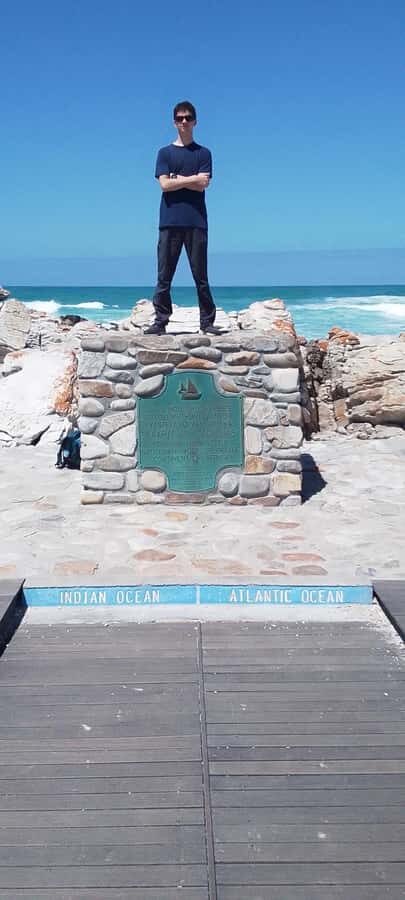
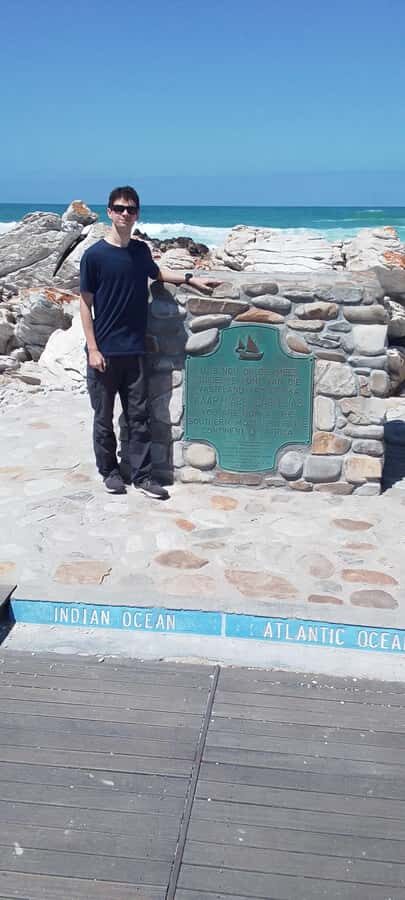
- The Indian-Atlantic meeting point viewpoint for that mind-bending “two oceans” effect
- Hermanus whale watching window in season (July to November)
- Betties Bay penguins opportunity, timed for wildlife viewing
- Stops like Nappier, Bredasdorp, and Stanford that break up the drive with Cape towns
- Elim Moravian Mission Station for history beyond the coastline
Cape Agulhas: Two Oceans, One Long Day Worth It
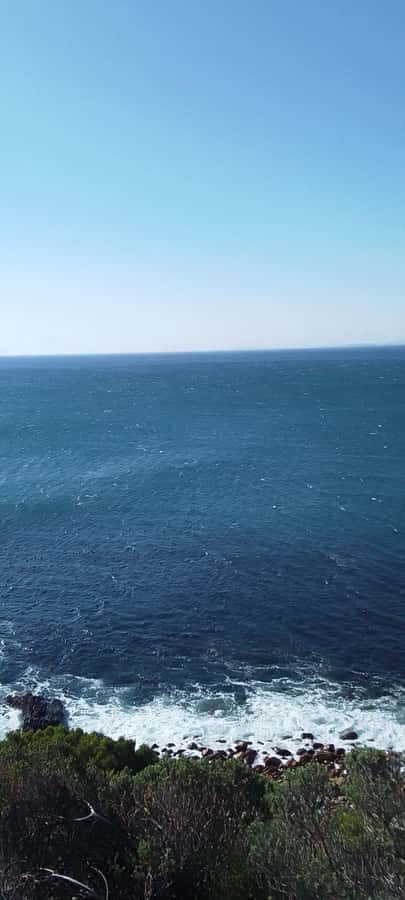
If you like your travel days with a clear purpose, this one hits the mark. The drive pushes you out of Cape Town’s city rhythm and straight into the wild edge of the Western Cape. And yes, Cape Agulhas really is that special point where the Indian and Atlantic oceans meet—you’ll stop at the area known for that exact showpiece view.
I also like that the tour isn’t just about standing at one location. You move through a chain of viewpoints and towns, so the day feels like a road trip with real stops instead of a checklist with no context. It helps you understand why people chase this part of the coast.
Just know what the day asks of you. It’s scheduled as an 8-hour outing, and it’s packed with driving plus several site visits. If you hate long stretches in a bus, plan on leaning into the scenery and bringing what you need to stay comfortable.
You can also read our reviews of more tours and experiences in Cape Town.


The 8-Hour Route from Cape Town: Pickup, Passes, and Cape Town-to-South Momentum
You start with pickup from a set of Cape Town-area locations, including places like Green Point, Victoria & Alfred Waterfront, Camps Bay, Sea Point, Clifton, Table Mountain area, Gardens, and several others listed for pickup. That matters more than it sounds. Being collected near where you’re staying reduces the “start-trip hassle,” especially on a day that’s already long.
From there, you’ll head south with scenic drive time and passing segments like Sir Lowrys Pass and Grabouw. Even when you’re not stopping, these road segments help set expectations for the kind of country you’re crossing: rolling and rugged, with lots of open sky. It also means you’re not stuck with back-to-back viewpoints that feel identical.
Along the way, the route includes Cape towns and stopovers such as Nappier, Bredasdorp, and Stanford. These breaks are valuable because they keep the day from turning into a nonstop “sit, stare, repeat.” You get glimpses of the region’s human side, not just the coast.
Cape Agulhas Lighthouse: The Southern Tip Moment You Came For
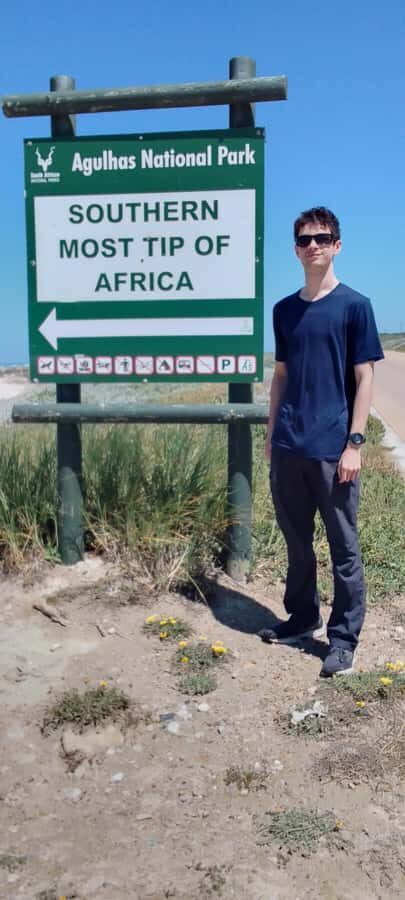
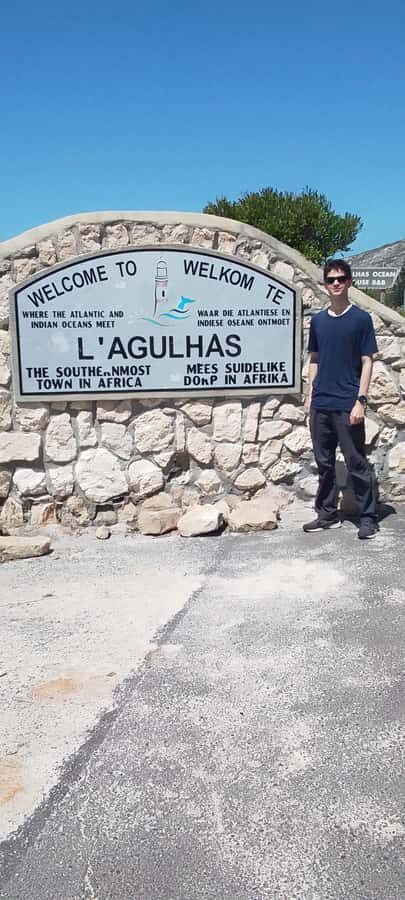
The lighthouse stop is the anchor point of the whole tour. You’ll arrive at Cape Agulhas and get a photo stop, visit, sightseeing time, and a guided tour of the Cape Agulhas Lighthouse. That guided component matters because it helps you connect what you see—weather, coastline shape, and maritime history—with why this spot needed a lighthouse in the first place.
One practical tip: wear shoes you can walk in without fuss. Even if you’re not doing a long hike, you’ll want stable footing for viewpoints and paths around the area. A hat and sunscreen are also not optional here. This part of the coast is exposed, and the sun does not negotiate.
When you’re standing near the lighthouse and looking out along the coastline, you’ll start to understand why Cape Agulhas is such a magnet for photographers and nature lovers. It’s dramatic, but in a real, salty way—not a fake postcard vibe.
The Meeting Point of Oceans: Getting Your Bearings Fast
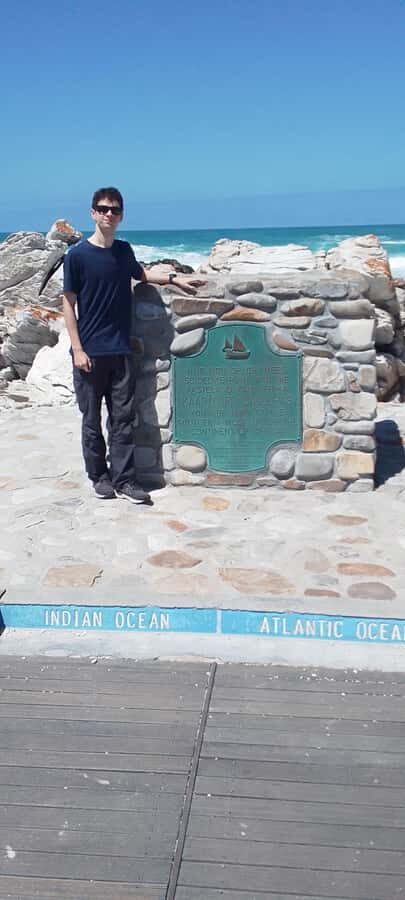
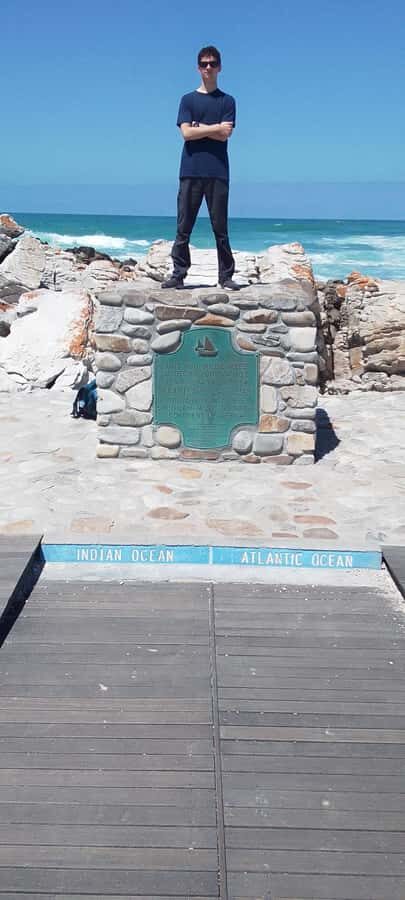
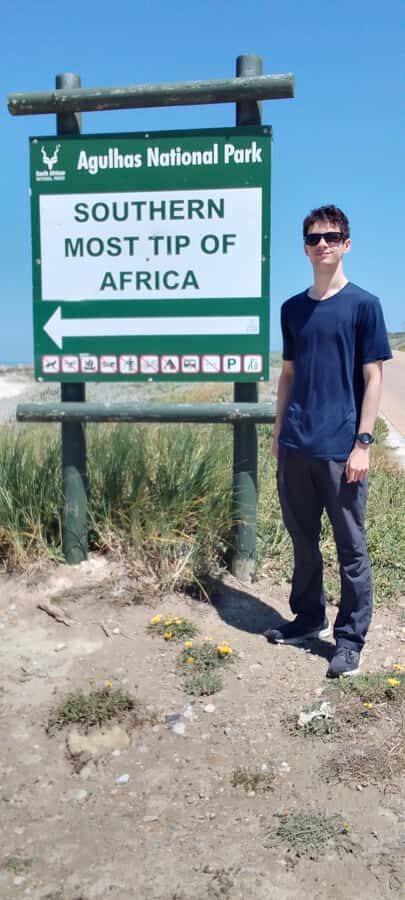
A highlight of the day is stopping at the meeting point where the Indian and Atlantic oceans are said to converge. You’ll get viewpoint time for this, plus scenic drive segments that set up the moment.
What I like about this kind of stop is that it turns geography into something you can feel. You’re not just reading about continents and oceans in a museum. You’re standing at a spot that makes the world feel close and physical. Even if conditions change and the water looks different depending on the day, the location itself creates that instant “wow” effect.
If you’re the type who likes a good photo, come ready. Bring your camera and be ready to shoot quickly. These stops don’t last forever, and the best moments often happen between people, not while you’re fiddling with settings.
Clarence Drive Outlook Point and Coastal Viewing: Where the Scenery Gets Its Own Voice
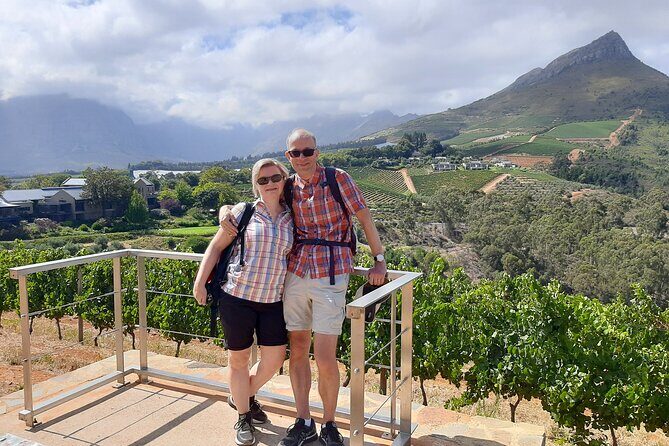
You’ll also visit Clarence Drive Outlook Point, a coastal viewpoint that helps you keep the day moving with meaningful scenery stops. This is the kind of stop that works even if you’re not a die-hard photographer, because it gives you a sense of the coast’s scale.
Coastal outlook points are more than just a view. They help you measure distance, predict what wildlife areas might look like, and understand why towns like Hermanus became important for spotting marine life. It’s also a good place to take a breath during a long day.
Bring your hat and water here too. If the wind picks up, you’ll still want sun protection, and it’s smart to pace yourself instead of chugging water only at the end.

Hermanus: Seasonal Southern Right Whales and a Town Built for Looking
Hermanus is where the day can turn into pure wildlife time. You’ll visit Hermanus, and the tour includes the chance to see Southern Right whales (seasonal, July to November).
Even without whales, Hermanus has a strong “watch the ocean” vibe. You’ll be in the right place for coastal observation, and the town is set up for it, which makes your time feel efficient. But if you’re traveling in whale season, this stop becomes the headliner of the wildlife portion of the itinerary.
One thing to plan for: wildlife viewing is never guaranteed. The tour can only give you the opportunity, not a guarantee. Still, being there during the July to November window gives you a realistic shot at seeing whales.
Betties Bay Penguins: A Wildlife Moment That’s More Than a Quick Look
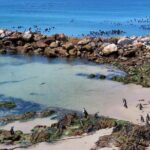
Another highlight built into the day is a visit to Betties Bay, where you may spot African penguins in their natural habitat. This is a great contrast to the ocean-watching of Hermanus. Instead of scanning far out at sea, you’re watching a smaller, more approachable kind of wildlife moment.
Again, don’t assume it will be perfect every time. Penguins can move, and conditions matter. But the point is you’re aiming your day at a real wildlife experience rather than only scenery.
If you care about animals, this stop is a nice balance. It keeps the day from feeling like it’s only about tides and viewpoints. And it gives you that satisfying feeling of seeing something alive that’s part of this coastline’s story.
Elim Moravian Mission Station: History Adds Texture to the Coast
Not every Cape Agulhas day stays purely on the ocean. This one includes Elim, a Moravian Mission Station. That’s a valuable shift because it adds human history to the landscape, and you get a different angle on how communities shaped life in this region.
This kind of stop also helps the day feel less repetitive. You go from ocean meeting-point views to a lighthouse, then to whale-town coast time, and then—Elim. That change of pace is what keeps a long day from feeling monotonous.
If you like culture stops, you’ll appreciate this. If you’re more of a nature-first traveler, at least think of Elim as a grounding moment. It gives context for why these coastal regions were settled and how communities functioned alongside the sea.
Guide Power: Why James Made the Long Drive Feel Shorter
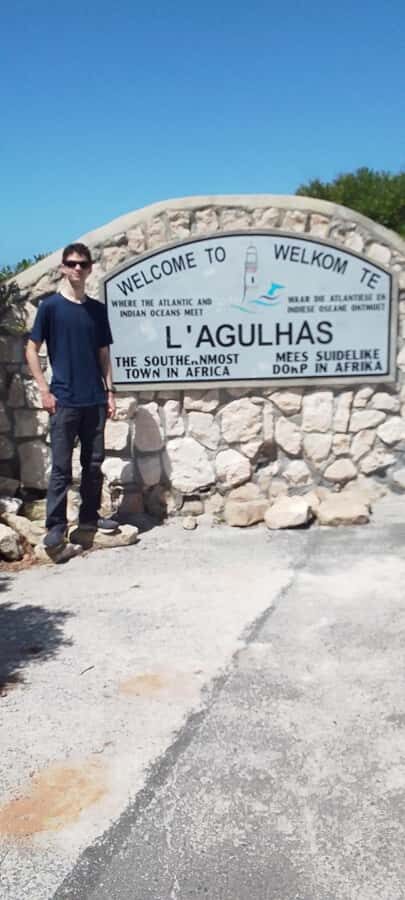
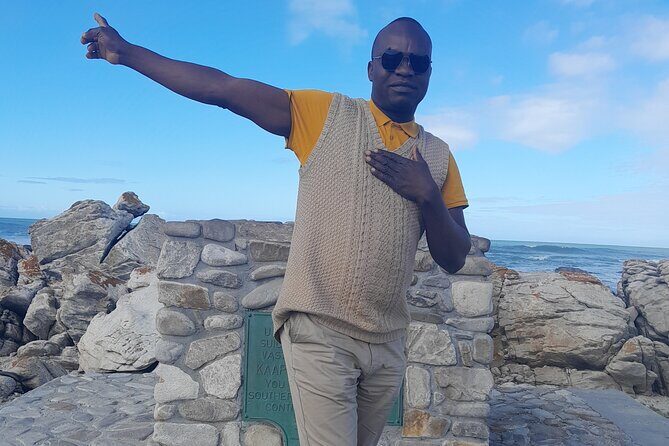
One of the best parts of this tour, based on real experience, is the energy and knowledge your live guide brings. I’ve heard about James, and the consistent theme is that he’s not just filling time. He’s experienced, informative, and genuinely engaging.
In fact, one memorable detail was that James even did yoga poses to help people loosen up during the long drive. That’s not just fun. It’s practical. When you’re riding for hours, a guide who helps you move a bit makes the day feel easier on your body.
The key takeaway for you: choose this tour if you like guided days. A live guide makes the stops more meaningful, especially for places like lighthouse history and mission-station context.
Price and Value: Is $144 Fair for an 8-Hour Day?
At $144 per person for a full day, the value comes from what’s included, not just the destinations. You’re paying for more than a bus ride. The tour includes pickup and drop-off at your accommodation area (from the listed locations), a live English tour guide, and direct access to the major stops: Cape Agulhas, the Cape Agulhas Lighthouse, the meeting point view, and the towns and highlights along the route (including Hermanus and Betties Bay, plus Elim).
Meals and drinks are not included, so plan on budgeting for that yourself. Still, because the tour handles the transportation and guiding, you’re not wasting your time trying to stitch together a complicated day on your own.
Also worth noting: the tour runs with a minimum of 2 participants, which can matter if you’re traveling solo and booking last minute. On the upside, the operating model is set up as a shared group day trip.
What to Bring (So You Don’t Spend the Day Rubbing Sunscreen In Wind)
For this tour, I’d pack like it’s a coastal day with sun and mild cold spells. The practical list is simple, and it’s the right one:
- Comfortable shoes (you’ll do walking at stops)
- Hat and sunscreen (coast sun is strong)
- Camera (views are the whole point)
- Water (keep it through the day, not just at the end)
And yes, check the weather forecast before you go. Dress for changing conditions. Even when it’s sunny, the coast can feel cooler, especially with wind.
Who This Tour Fits Best (and Who Might Want Something Different)
This is a strong match for:
- You want a coast-focused day trip without planning every stop
- You’re in the July to November whale window and want Hermanus for a shot at Southern Right whales
- You want both wildlife and one history stop (Elim Moravian Mission Station)
- You like guided explanations, especially for lighthouse and regional context
It may not be ideal if you:
- Hate long drives and prefer short, tight itineraries
- Are traveling with very young kids (the tour is not suitable for babies under 1 year)
- Expect guaranteed wildlife sightings. Seasonal chances are real, but nature still writes the final draft.
Should You Book the Cape Agulhas Southern Most Tip Tour?
If you’re visiting Cape Town and want one day that feels genuinely different from city sightseeing, I think this tour is a solid buy. You get the lighthouse, the Indian-Atlantic meeting point, Hermanus for seasonal Southern Right whales, and a penguin option at Betties Bay, plus Elim for mission-station history. That mix is hard to beat for an 8-hour day.
Book it if you’ll enjoy a day that’s a little fast, a little coastal-exposed, and very view-heavy. Skip it only if you’re hoping for a relaxed, minimalist day with minimal driving.
FAQ
What’s the duration of the Cape Agulhas Southern Most Tip of Africa tour?
The tour runs for 8 hours.
Does the tour include pickup and drop-off from Cape Town?
Yes. Pickup and drop-off are included at your accommodation, with several Cape Town locations listed for pickup.
Are whales guaranteed on this tour?
No. Southern Right whale viewing is seasonal, from July to November, and sightings depend on conditions.
Will I see penguins during the tour?
The tour includes a visit to Betties Bay, where you may see African penguins in their natural habitat.
What’s included in the ticket price?
The tour includes the Cape Agulhas area stops (including the lighthouse and meeting point viewpoints), Hermanus, relevant route stops along the way, and a live English tour guide. Meals and drinks are not included.
What should I bring for this day trip?
Bring comfortable shoes, a hat, sunscreen, a camera, and water. Weather can change, so dress appropriately for the forecast.