REVIEW · CAPE TOWN
Cape Town: Afrikaans Culture And Making Traditional Biltong
Book on GetYourGuide →Operated by Soutie's Biltong Sticks Class · Bookable on GetYourGuide
Biltong becomes a story you can taste. This Cape Town class turns biltong sticks and Afrikaans culture into a hands-on, no-fuss lesson, served with local snacks and music. I like that you learn the why behind the flavor, not just how to eat it, and you’ll actually prep biltong sticks yourself. One note: cats live on the property, so if you have animal allergies, this isn’t a good fit.
You get a full experience in just 90 minutes, in a small group capped at 8 people. It’s also designed to work for different ages, so it’s not only for foodies who want to geek out.
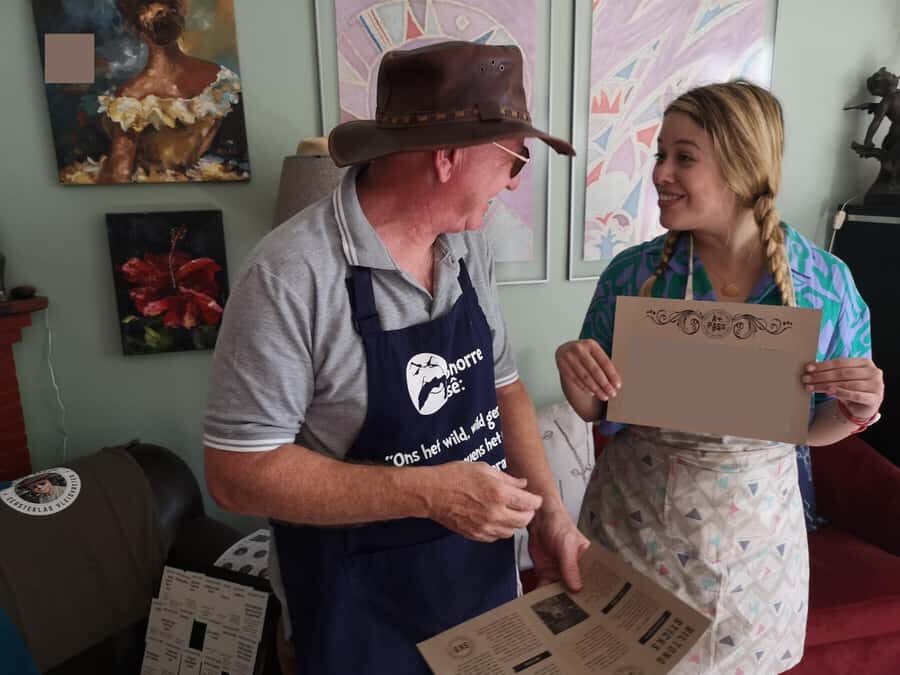
The vibe is relaxed and away from the tourist pack, starting in a voorkamer lounge with a refreshing drink and lots of tasting. You’ll hear how Khoisan hunter-gatherers air-dried meat, how Great Trek pioneers added spice, and how Afrikaans formed from a mix of languages.
In This Review
- Key Highlights You’ll Actually Care About
- Step Into the Vorkamer in Three Anchor Bay
- The Start: Drink, Snacks, and That Local-Lounge Feeling
- Biltong Tasting: More Than One Flavor and More Than One Way
- The Real Lesson: Cut, Grade, Spice Blend, and Curing
- Khoisan Drying Traditions and the Great Trek Spice Story
- Make Your Own Biltong Sticks (Yes, You’ll Actually Do It)
- Vegan Biltong: How the Class Handles Dietary Choices
- Moerkoffie and Karringmelkbeskuit: The Snack Pairing You’ll Remember
- Afrikaans Language, Boeremusiek, and Those Classic Sayings
- What You Take Home: Sample Biltong and the Option to Restock
- Price and Value: Does $42 Make Sense for 90 Minutes?
- Who Should Book This Biltong and Afrikaans Class
- Should You Book Soutie’s Biltong Sticks Class?
- FAQ
- How long is the Cape Town biltong and Afrikaans culture experience?
- How big is the group?
- Where is the meeting point?
- What food and drinks are included?
- Can vegans be accommodated?
- Is it suitable for wheelchair users or people with animal allergies?
Key Highlights You’ll Actually Care About
- Hands-on biltong sticks prep with aprons and knives so you’re doing, not just watching
- Multiple biltong tastings, including a surprisingly good vegan option (arranged ahead of time)
- Origins that connect food to people, from Khoisan drying traditions to Great Trek spice influences
- Moerkoffie in a tin mug paired with Soutie’s homemade karringmelkbeskuit
- Afrikaans language + Boeremusiek music, plus history tidbits and classic sayings
Step Into the Vorkamer in Three Anchor Bay
This experience takes place in a homey voorkamer lounge in Three Anchor Bay, Cape Town. The meeting point is Unit 5, 165 High Level Road, so it’s easy to plug into a tight day without a long commute.
You’ll be in a small group of up to 8. That matters because the session isn’t just a lecture; you can ask questions, and you’ll get time to practice preparing your biltong sticks.
Before you go, keep two practical things in mind. Dress comfortably (you’ll be working with equipment), and bring cash in case you want to purchase additional snacks or merchandise on the property. Also, cats live there, and the activity is not suitable for wheelchair users.
You can also read our reviews of more tours and experiences in Cape Town.



The Start: Drink, Snacks, and That Local-Lounge Feeling
The session kicks off with a refreshing drink served in an iconic bottle. It’s a small detail, but it sets the tone: this isn’t formal, and it’s not trying to be a show.
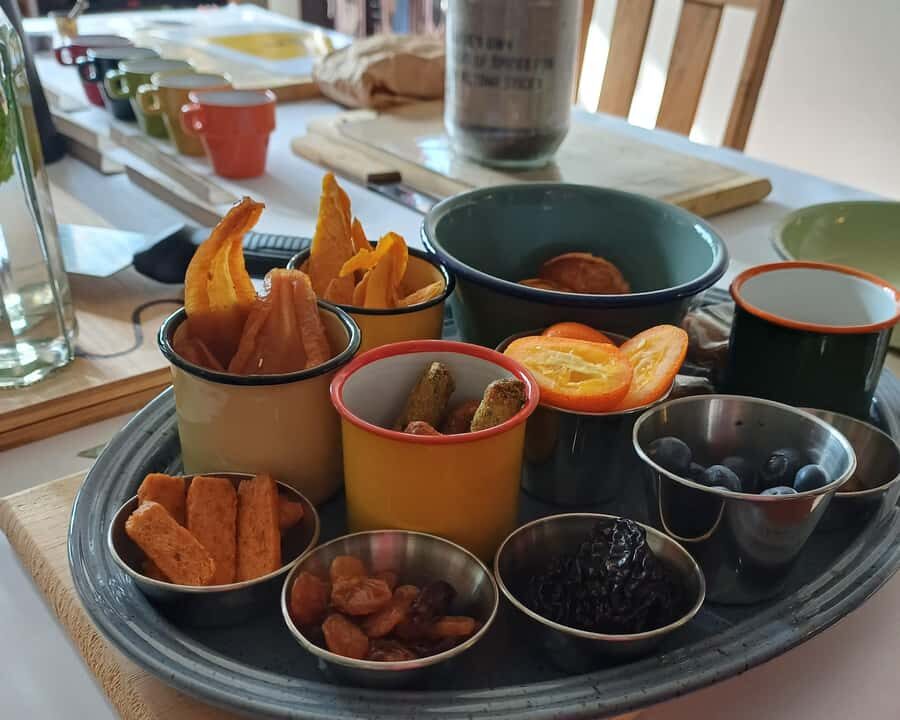
From there, you’ll snack while you start learning. You’ll get dried fruit and preserves, so you’re not just eating meat straight away. That balance helps your palate while you move into the biltong tasting portion.
If you’re the kind of traveler who enjoys conversation as much as food, this part is a win. The hosts keep things casual, and the room feels like a lounge where you’ll actually feel comfortable asking questions.
Biltong Tasting: More Than One Flavor and More Than One Way
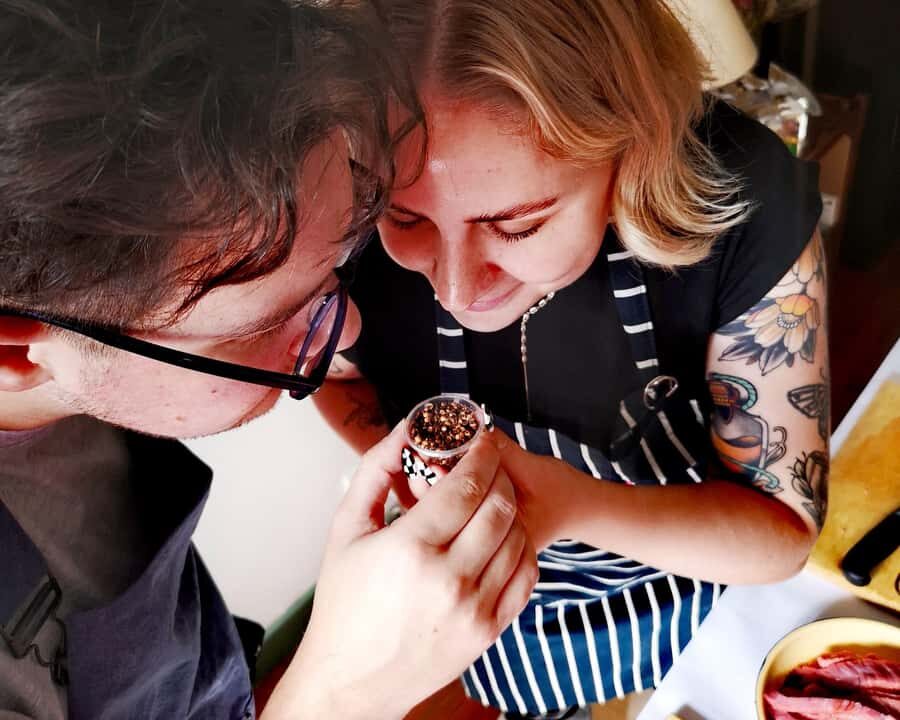
This is a biltong-focused experience, so tasting is a major chunk of the fun. You’ll sample various types of biltong, which helps you understand that the same idea can taste different depending on the cut and the cure.
Here’s one thing I appreciate: the class includes a vegan biltong option. You’ll need prior arrangement for vegans, but it’s built into the experience instead of being an afterthought.
The tastings pair naturally with what you’ll learn next—because the story only clicks once you’ve tasted the results. By the time you move into preparation, you’re already able to connect flavors to methods.
The Real Lesson: Cut, Grade, Spice Blend, and Curing
You don’t just get told the process. You’re walked through it in a practical way that makes sense fast.
You’ll get an explanation of the biltong-making process, including:
- choosing the right cut and grade of meat
- the spice blend used for curing
- how curing works and how biltong is stored
This is valuable because biltong is one of those foods people talk about as if it’s one fixed flavor. In reality, it’s a system: change the cut, adjust the spice mix, and the final taste shifts.
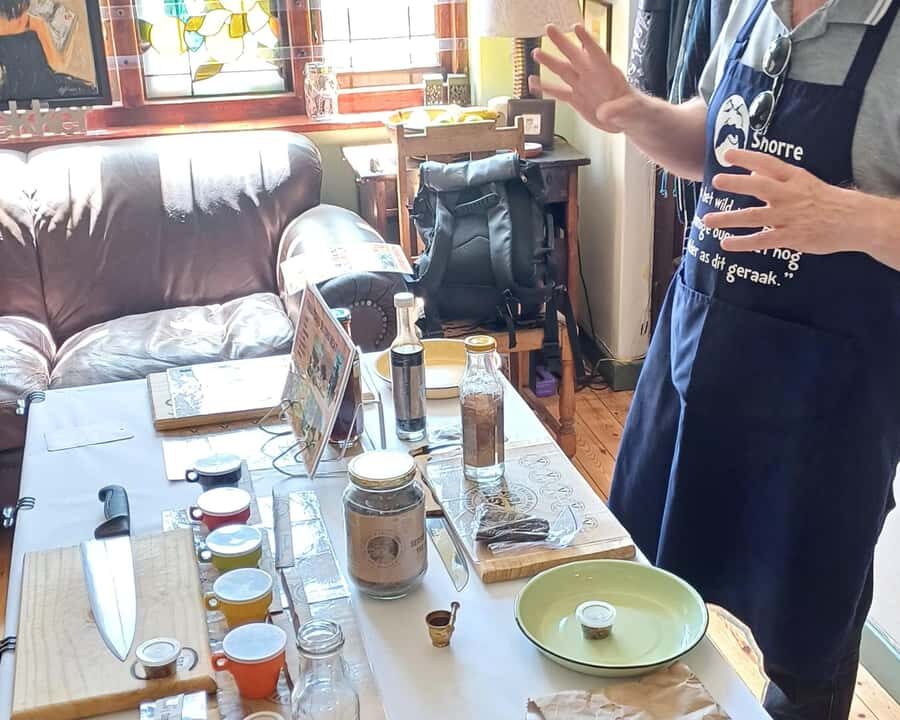
You also get visual aids, which helps a lot if you’re a visual learner. And because the group is small, you can ask questions while the process is fresh in your mind.
Khoisan Drying Traditions and the Great Trek Spice Story
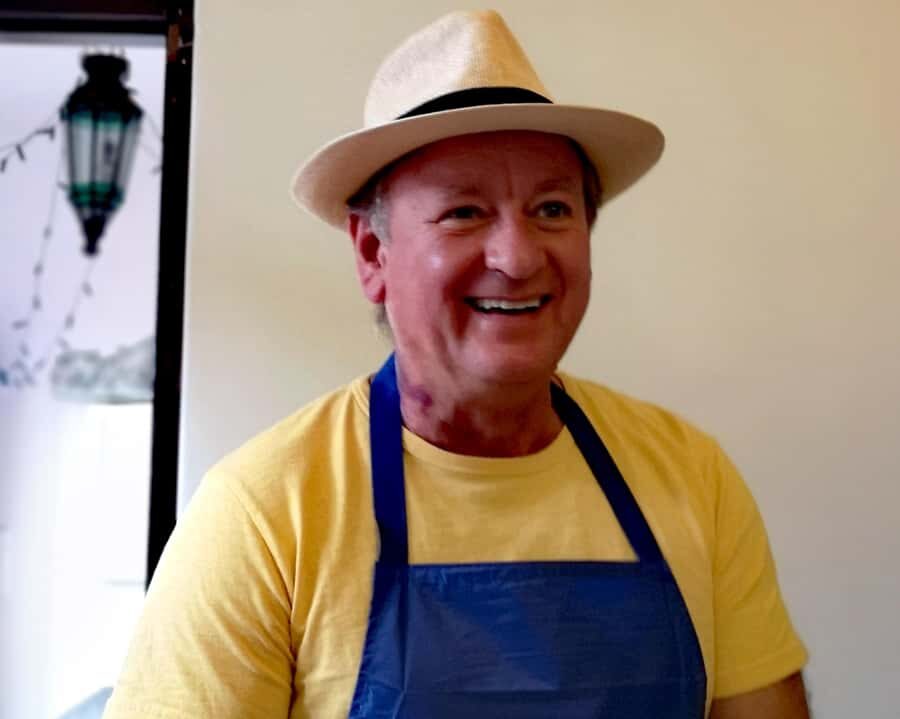
One of the best parts of the class is how it anchors food in South African roots. You’ll learn about the Khoisan hunter-gatherers and how air-drying meat was part of their survival and food culture.
Then the lesson moves forward to the Great Trek pioneers and how they added the iconic spice that helped biltong become a global favorite. That connection matters because it explains why biltong tastes the way it does today, not just what the end result is.
I like this angle because it turns snack time into context. You’re not memorizing trivia; you’re understanding why the cure and seasoning became so central to the tradition.



Make Your Own Biltong Sticks (Yes, You’ll Actually Do It)
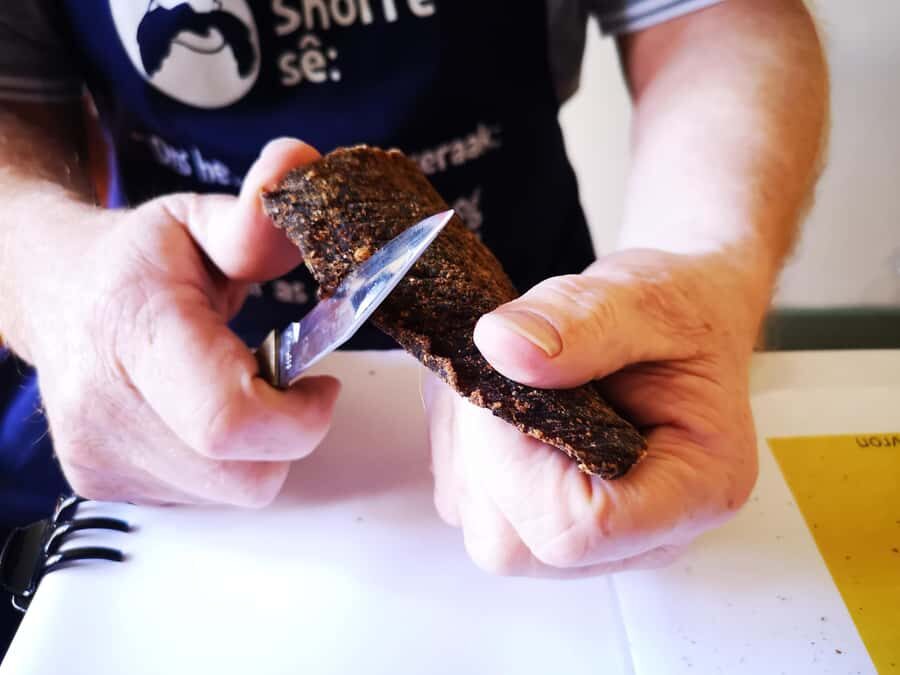
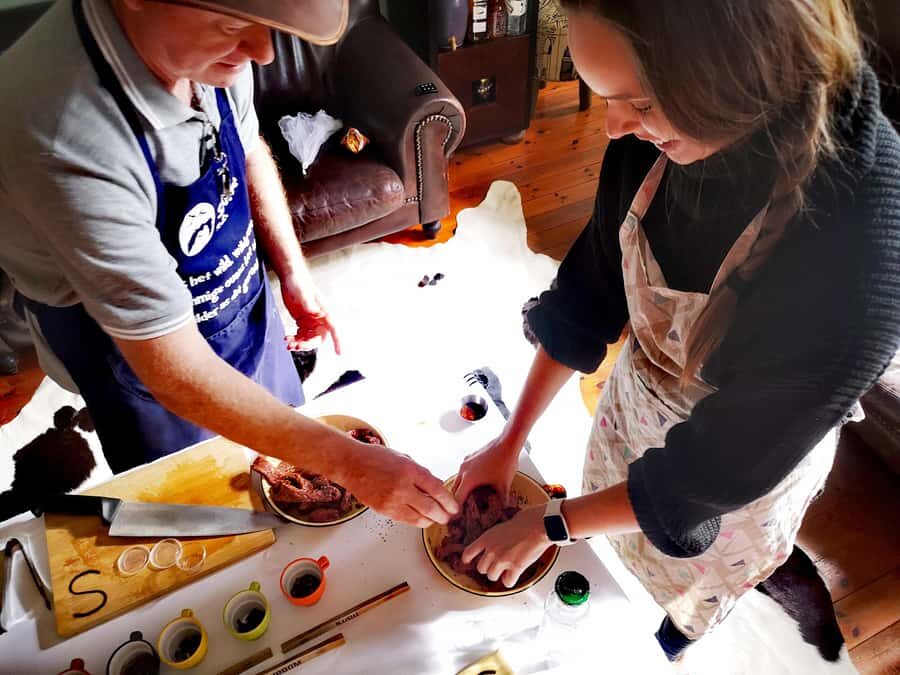
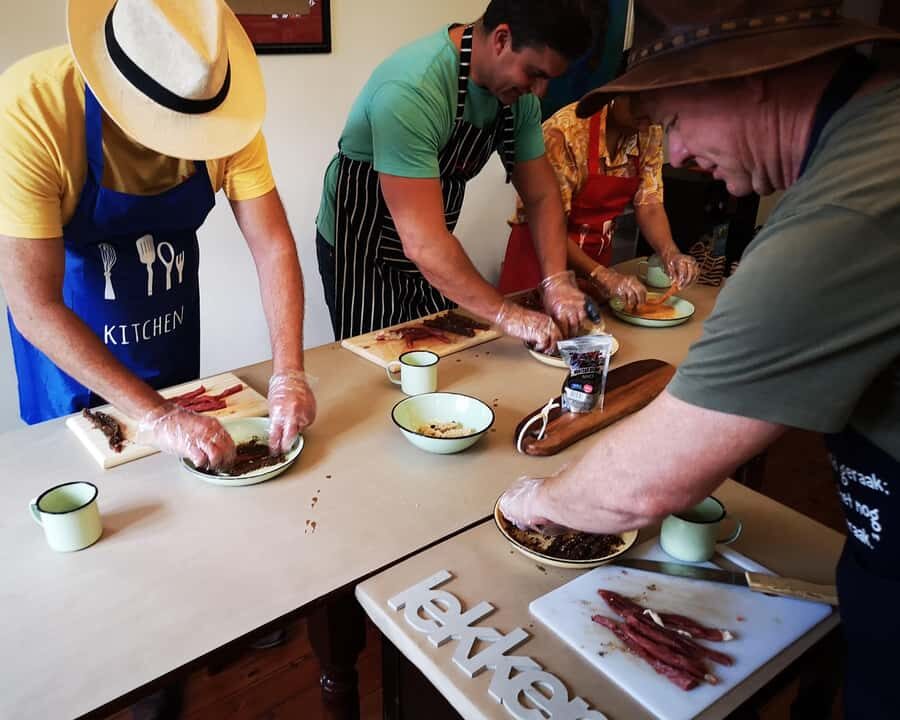
This is where the experience becomes hands-on. You’ll participate in an interactive session to prepare biltong sticks, using equipment provided like aprons and knives.
Even if you’ve never done any food prep beyond slicing fruit, you’ll likely find this portion approachable. The structure is short, the group is small, and the session includes guidance plus visual aids.
You’ll learn how the process connects to the sticks you’re making. And since you leave with a sample of biltong sticks, you’ll be able to compare what you made with what you tasted earlier.
One practical tip: wear comfortable clothes and be ready for a bit of kitchen-style handling. This isn’t a formal tasting room where everything is untouched and spotless. It’s a working prep moment, and that’s part of the charm.
Vegan Biltong: How the Class Handles Dietary Choices
The vegan option is explicitly part of what you can get, but it requires prior arrangement. That’s the fairest approach from a host perspective, because vegan biltong still needs the same kind of care in seasoning and preparation.
If you’re vegan or vegetarian, contact or arrange ahead so you’re not arriving and hoping it can be swapped last-minute. When it’s handled correctly, you’ll still get the cultural lesson and tasting variety.
From a value standpoint, it’s also important that the experience doesn’t treat vegan people as an add-on. You’re still part of the same 90-minute flow.
Moerkoffie and Karringmelkbeskuit: The Snack Pairing You’ll Remember
Between tastings and making, the class serves coffee called moerkoffie—strong coffee served in a rustic tin mug. It’s not fancy, and that’s exactly the point. It tastes like something you’d get in a South African home, not like a café stunt.
That coffee is paired with Soutie’s homemade karringmelkbeskuit, which are buttermilk rusks. The pairing works because the bread adds a mild crunch that balances strong coffee and salty cured meat.
I find this break is what makes the experience feel like a real social moment. You’re tasting, then pausing, then talking again. That rhythm helps you actually absorb the stories instead of rushing through them.
Afrikaans Language, Boeremusiek, and Those Classic Sayings
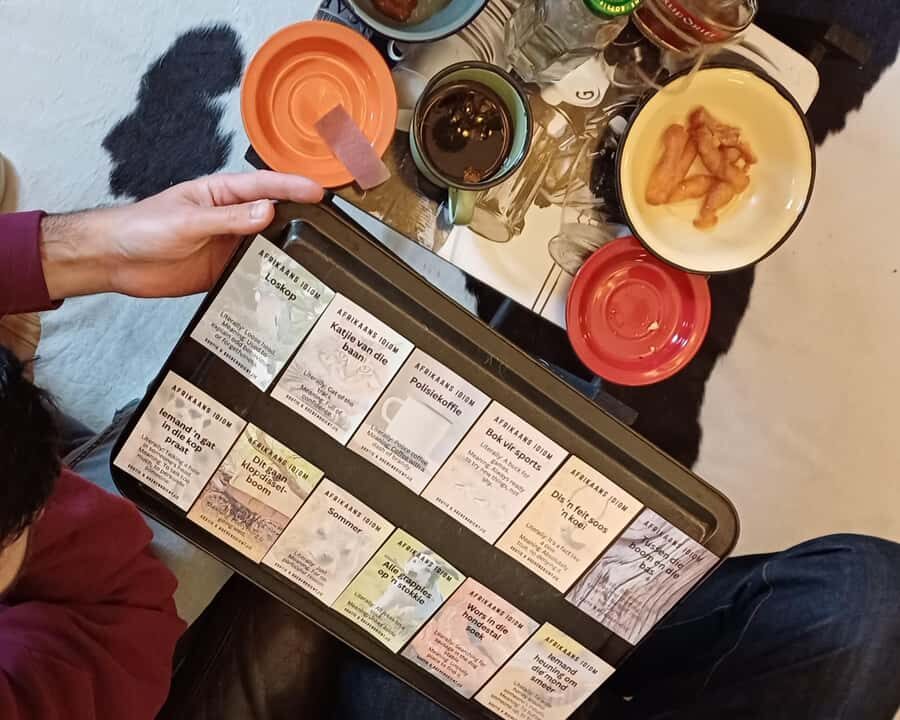
This class doesn’t treat Afrikaans as a museum topic. You’ll learn about the origins of Afrikaans—formed from a blend of European, Asian, and African languages—while picking up cultural flavor through stories and conversation.
You’ll also hear Boeremusiek (folk music) and catchy Afrikaans tunes. The music isn’t just background. It helps set the mood for the history, sayings, and tall tales you’ll hear during the session.
Even if Afrikaans isn’t your language, it’s fun to catch the rhythm of expressions and learn what they mean in context. And if you want to feel more connected to Cape Town beyond landmarks, this is one of the best ways to do it fast.
What You Take Home: Sample Biltong and the Option to Restock
You’ll take home a sample of biltong sticks. That’s included, and it’s a smart touch because it gives you something to remember the lesson by.
You can also stock up on more snacks and Soutie’s unique merchandise if you want extras later. The listing doesn’t force a shopping stop, but it’s nice to have the option right after you learn how the flavors are built.
Price and Value: Does $42 Make Sense for 90 Minutes?
At $42 per person for 90 minutes, this experience isn’t a budget bargain. But it does offer clear value if you like food with context and hands-on steps.
Here’s what you get for that price:
- a refreshing drink
- biltong tastings, including a vegan option by prior arrangement
- dried fruit and preserves snacks
- coffee (moerkoffie) plus Soutie’s karringmelkbeskuit
- discussion of biltong history and how the favorite snack developed
- explanation of cut/grade, spice blend, curing, and storage
- interactive preparation of biltong sticks
- equipment like aprons and knives
- visual aids
- a sample of biltong sticks to take home
Extra biltong, mementoes, and t-shirts aren’t included. So if you’re the type who wants to leave with a stack of take-home meat, you may pay more later—but you’re getting the core lesson and tasting right away.
Given the small group limit of 8, I think the hands-on element is what justifies the cost. You’re not paying mainly for food. You’re paying for a guided process plus the cultural stories that make the flavors make sense.
Who Should Book This Biltong and Afrikaans Class
This class is a great fit if you want a short, meaningful cultural food experience. It works for many ages, and the format is active enough that kids and teens often stay engaged (if they’re interested in tasting and hands-on prep).
Book it if you:
- love biltong and want to understand what makes it taste right
- enjoy learning cultural context alongside food
- like music, sayings, and language as part of the experience
- want something only 90 minutes long without feeling rushed
I’d skip it if you:
- use a wheelchair (the experience isn’t suitable)
- have animal allergies, since cats live on the property
- need vegan accommodations but haven’t arranged it ahead of time
Should You Book Soutie’s Biltong Sticks Class?
If your ideal Cape Town day includes a cozy voorkamer setting, real hands-on cooking prep, and Afrikaans culture taught through stories and music, then yes, book it. For $42, you’re getting tastings, coffee and rusk, equipment-supported stick prep, and a take-home sample—all in just 90 minutes.
Just be honest about two things: your dietary needs (arrange vegan ahead) and your comfort with cats on site. If those check out, this is one of the more memorable ways to taste the country’s culture without spending your whole day in a crowded tour loop.
FAQ
How long is the Cape Town biltong and Afrikaans culture experience?
The experience lasts 90 minutes.
How big is the group?
It’s a small group limited to 8 participants.
Where is the meeting point?
The meeting point is Unit 5, 165 High Level Road, Three Anchor Bay, Cape Town, South Africa.
What food and drinks are included?
You get a refreshing drink, biltong tastings, snacks like dried fruit and preserves, and coffee called moerkoffie served with Soutie’s homemade karringmelkbeskuit.
Can vegans be accommodated?
Yes, vegans can be accommodated by prior arrangement.
Is it suitable for wheelchair users or people with animal allergies?
No. It isn’t suitable for wheelchair users, and cats live on the property, so people with animal allergies should avoid it.