REVIEW · CAPE TOWN
Cape Town: City Bowl, Bo-Kaap, and Langa Township Tour
Book on GetYourGuide →Operated by Sbzy tours and adv · Bookable on GetYourGuide
Colorful houses, serious history. This 150-minute guided walk ties together Cape Town’s architecture lessons with real stories from the Bo-Kaap area and Langa Township, all in one tight route. I especially love how the guide points out Cape Dutch and Rococo details you’d otherwise miss, and how you get a clear sense of how the city’s layers formed over time.
I also like the hands-on parts: you’ll taste township food, browse local art and craft spots, and hear about everyday life from people who live the culture. The tour’s music and dance session (with local artists) is the kind of stop that turns photos into understanding.
One consideration: it’s moderate walking, so plan for your feet (and bring a hat, sunscreen, and water). And the tour isn’t for everyone—people over 95 and anyone dealing with altitude sickness should skip it.
In This Review
- Key moments worth your attention
- Starting at Guga S’thebe: why the tour begins here
- City Bowl streets and architecture styles you’ll actually recognize
- Bo-Kaap: colorful houses with real explanations behind them
- Walking into Langa Township: learning through people, food, and craft markets
- Township hospitality: music, dance, and community projects
- Price and value: what $28 really covers
- How to prepare for the 150-minute walk (and enjoy it more)
- Who this tour is best for
- Should you book this Cape Town City Bowl, Bo-Kaap, and Langa tour?
- FAQ
- Where does the tour start?
- How long is the tour?
- Is the tour guided in English?
- Is hotel pickup or drop-off included?
- What’s included besides walking and sightseeing?
- Do you stop for food or drinks?
- Is there time for photography and shopping?
- What should I bring?
- Is the tour wheelchair accessible?
- Who shouldn’t take this tour?
Key moments worth your attention
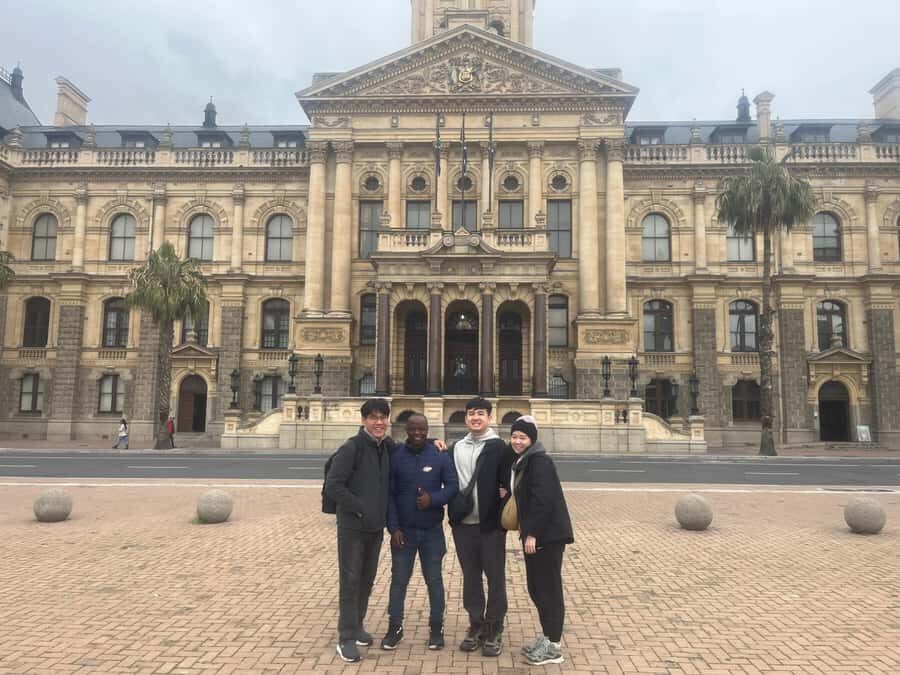
- Architecture spotting game: Cape Dutch, Rococo, Art Deco, and British styles explained on the move
- Bo-Kaap street color with context: the houses look great, but you’ll also learn why they matter
- Langa Township walking tour: photo stops plus time to learn about daily life
- Food tasting in the township: a chance to try traditional dishes as part of the experience
- Local art, craft markets, and souvenirs: meet artisans and buy handmade keepsakes directly
- Music, dance, and community projects: culture and current initiatives, not just old stories
Starting at Guga S’thebe: why the tour begins here
Your tour kicks off at Guga S’thebe, the meeting point that sets the tone for the day: you’re not just sightseeing buildings, you’re learning how Cape Town works at ground level. You’ll link up with the guide and get orientated before you start walking.
This matters more than you might think. A good city tour is like a good map—if you understand the “why,” you see the “what” faster. From the start, the focus is on history, culture, and how different neighborhoods shaped each other.
Expect a live English-speaking guide, and plan on asking questions. The tone on this kind of tour works best when you treat it like a conversation, not a lecture.
You can also read our reviews of more city tours in Cape Town



City Bowl streets and architecture styles you’ll actually recognize
Cape Town’s City Bowl is where you start getting the visual clues. As you walk, your guide helps you identify several architectural styles: Cape Dutch, Rococo, Art Deco, and British influences. Even if you’re not an architecture nerd, this becomes easy once you know what to look for.
Here’s the practical part: when the guide calls out features, you’ll be able to spot them later on your own. That’s the real value of an architecture-forward tour—once you’ve trained your eye, every building becomes a mini lesson instead of random scenery.
You’ll also get a sense of how the city’s look ties back to different eras. The goal isn’t to memorize dates. It’s to understand why a neighborhood looks the way it does today.
If you’re the type who likes “explain it to me simply,” this section will feel satisfying. It’s also a good warm-up before you head into areas where the tour’s historical context becomes more personal and immediate.
Bo-Kaap: colorful houses with real explanations behind them

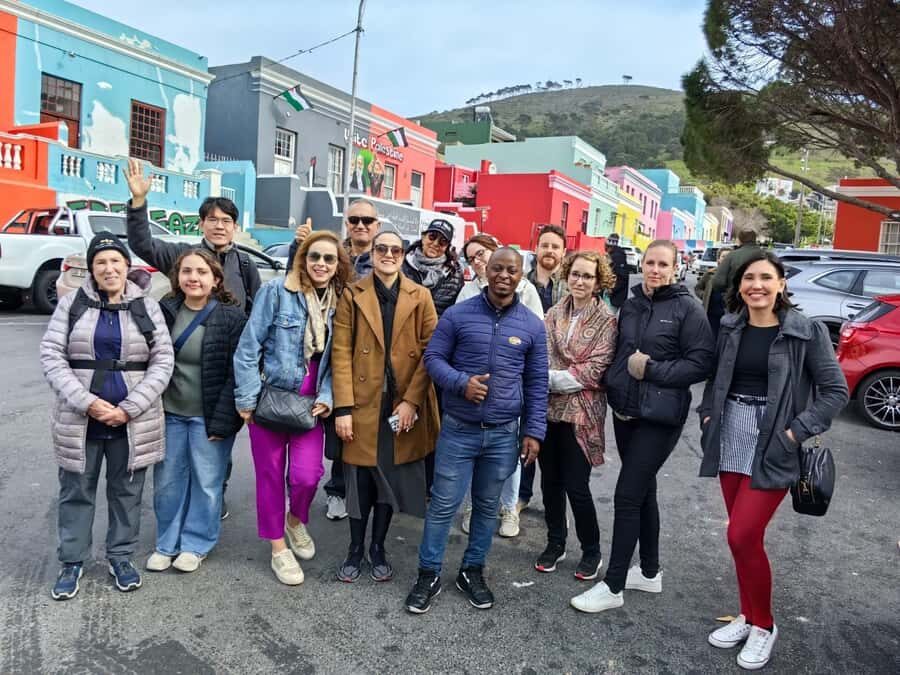
Then you’ll shift into Bo-Kaap, the part of Cape Town most people picture when they think of picture-perfect streets. Yes, the houses are colorful and photogenic. But the best part is what you learn while you’re looking.
Your guide helps connect the neighborhood’s appearance to its identity, including how communities endured and built culture over time. Expect stops that give you time for photos and time for explanations—so you don’t just snap and run.
This is also where you’ll notice that architecture lesson from earlier. The same way your guide pointed out Cape Dutch and Rococo features in the City Bowl, those style cues start to feel more meaningful here. The buildings aren’t just pretty; they’re part of a story you can actually see.
Practical tip: Bo-Kaap can be sun-heavy. If you want your photos without squinting, bring a hat and check your sunscreen before you head out. And keep your water handy.
Walking into Langa Township: learning through people, food, and craft markets
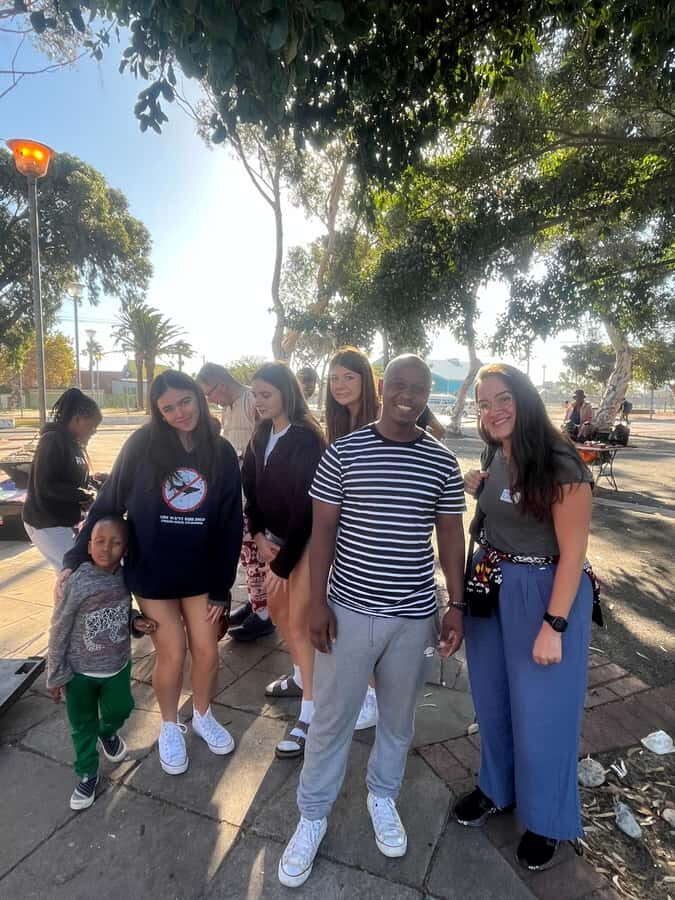
Langa Township is the section that changes gears. The tour becomes more human, more direct, and more grounded in everyday life. You’ll do a guided walking tour through Langa, including photo opportunities at key spots.
You’ll also learn about Langa’s place in the apartheid era and the post-apartheid period. The intention here is clear: understand how policies and power shaped real lives, then see where culture and community efforts show up today.
What I really appreciate about this kind of stop is the balance. You’re not only hearing big history. You’re also getting cultural context—how music, craft, food, and community projects keep identity strong.
Expect stops that include:
- local art and craft markets
- a taste of traditional dishes as part of the experience
- chances to meet local residents and learn about daily lives
- opportunities to buy handmade souvenirs directly from artisans
That last point is worth a moment. Buying directly from the makers turns a souvenir into something with a story. It’s not about shopping—it’s about supporting the people you just met.
Township hospitality: music, dance, and community projects
After the walking and market time, the tour leans into culture. You’ll get an introduction to local music and dance traditions, and there’s a cultural performance or music session with local artists.
In practice, this is where your understanding clicks. You’ve been learning about history and architecture. Then you see culture as something lived right now—not just described. Even if you don’t know the dance steps, you’ll feel the energy of the moment.
The tour also includes visits to community projects or initiatives that are making an impact. That’s important, because it keeps the story from becoming only about struggle. You come away with a clearer view of what people are building and protecting.
And yes, there’s a short stop at local cafes or shops for township hospitality. Don’t treat that as an afterthought. It’s part of how the tour shows you how people spend time, share space, and welcome visitors.






Price and value: what $28 really covers
At around $28 per person for a 150-minute guided tour, this is one of those deals that can be good value—as long as you show up ready to walk and learn. The price isn’t just paying for a guide talking into the air.
You’re also getting:
- a guided walking format through key areas
- township food tasting (traditional dishes)
- visits to local art and craft landmarks
- time for a cultural performance or music session
- chances to purchase handmade souvenirs directly from artisans
- multiple photo opportunities built into the route
What’s not included: meals and drinks unless specified. So if you expect to eat a full meal on top of the tasting, plan for extra costs. If you’re flexible and happy with snacks plus the tasting, the value feels stronger.
Also, there’s no hotel pickup or drop-off. That matters for budgeting time and transport. If you’re staying central enough, you’ll feel this as a light, manageable outing rather than a logistical headache.
How to prepare for the 150-minute walk (and enjoy it more)
This tour is built around moderate walking. That means comfort isn’t optional. Wear comfortable shoes, and bring what your body will thank you for: water, a hat, and sunscreen. A camera helps too, because the best moments include street color, market scenes, and performance time.
If you’re sensitive to heat, plan your pace. Take the walking segments seriously and don’t sprint between photo stops. Your guide will set the flow, and you’ll get more out of it if you’re not rushing.
One more practical note: the tour is described with wheelchair accessibility in one part of the information, but the “know before you go” guidance says it isn’t wheelchair accessible. If you or someone in your group needs mobility support, check with the operator before you book.
Who this tour is best for
This is a strong choice if you:
- like your sightseeing with context, not just photos
- enjoy architecture details and want help spotting styles like Cape Dutch and Rococo
- want a cultural experience that includes food tasting, music, and craft markets
- prefer learning from a local guide with direct knowledge of the area
It’s also a good fit for first-timers in Cape Town who want to see more than one neighborhood without piecing it together yourself.
Based on guide experiences shared from past participants, the biggest standout is how guides answer questions patiently and take time. Names you might see linked to strong experiences include Banele and Subusiso, both praised for being friendly, professional, and ready to explain things clearly.
Should you book this Cape Town City Bowl, Bo-Kaap, and Langa tour?
If you want a guided walk that mixes architecture spotting with real community culture, I’d book it. The pairing of Bo-Kaap’s street scene with Langa’s lived history is the kind of contrast that makes the city feel whole, not just pretty.
I’d hesitate only if you can’t handle moderate walking, or if you need a tour that stays strictly in one type of area. This route goes beyond postcard Cape Town, and that’s exactly why it works.
If you’re ready for a thoughtful, human-scale outing—and you bring the basics for comfort—this one offers solid value for your time in Cape Town.
FAQ
Where does the tour start?
It starts at Guga S’thebe.
How long is the tour?
The duration is 150 minutes.
Is the tour guided in English?
Yes, the tour has a live guide in English.
Is hotel pickup or drop-off included?
No, hotel pickup and drop-off are not included.
What’s included besides walking and sightseeing?
You get a local guide, a guided walking tour through Langa, visits to cultural landmarks and markets, a township food tasting, opportunities to meet local residents, music and dance introduction, and a cultural performance or music session.
Do you stop for food or drinks?
Meals and drinks are not included unless specified, but the tour does include a tasting of traditional dishes. There’s also a brief stop at local cafes or shops for township hospitality.
Is there time for photography and shopping?
Yes. There are photography opportunities at key spots, and you can purchase handmade souvenirs from local artisans.
What should I bring?
Bring comfortable shoes, a hat, a camera, sunscreen, and water.
Is the tour wheelchair accessible?
The information provided includes both statements: it says wheelchair accessible, but the “know before you go” note says not wheelchair accessible. You should confirm with the operator before booking.
Who shouldn’t take this tour?
It’s not suitable for altitude sickness and for people over 95 years.