REVIEW · ST LUCIA
Castries City Walking Tours
Book on Viator →Operated by City Walkers · Bookable on Viator
Castries feels different when you’re walking it with a local storyteller. This Castries City Walking Tour gives you practical context for the city’s colonial-era past, plus hands-on stops at the Castries Food Market and Derek Walcott Square. I like how you get a mix of street-level history and real “stop-and-look” moments, and I also like that bottled water (and sometimes coconut water) keeps it easy in the heat. One thing to consider: Castries doesn’t have the big, visible ruins you might expect from a classic European-style history day, so come for the stories more than for castles.
I also appreciate how the walk keeps moving—enough structure to avoid wandering, without turning into a rushed checklist. Guides (I’ve seen names like Georges, Ricardo, and Shelly) tend to make the details stick with photos, murals, and clear explanations. Still, if you’re the type who wants only museum-level depth, you may find the coverage more “street history” than deep research.
The price is $35 per person for about 1.5–2 hours, with admission tickets included at key stops and bottled water provided. In my view, that’s good value if you want an organized way to understand Castries quickly—especially since this one is often booked about 38 days in advance.
In This Review
- Key Things to Know Before You Go
- Castries on Foot: What You’ll Actually Experience in 90 Minutes
- Start Point, Pickup, and the Practical Flow of the Walk
- Castries Food Market: Smell, Sample, and Learn the Local Food Logic
- Derek Walcott Square: Nobel Prize Meaning in One Small Stop
- Jean Baptiste Bideau Monument and Bideau Park: Small Stops, Real Local Meaning
- Holy Trinity Anglican Church and the Religious Influence You’ll Notice as You Walk
- Castries Fire History Reality Check: Why the Stories Matter More Than the Scenery
- Guides Can Make or Break the Tour (And You’ll See That in the Details)
- Price and Value: Is $35 a Smart Use of Your Time?
- Timing, Shoes, and What to Bring
- Who This Tour Suits Best (and Who Might Skip It)
- Should You Book Castries City Walking Tours?
- FAQ
- How long is the Castries City Walking Tours experience?
- Where does the tour start and end?
- Is pickup available?
- What’s included in the tour price?
- What isn’t included?
- Is this tour private?
- What if the weather is bad?
- Can most people participate, and are service animals allowed?
Key Things to Know Before You Go

- Market-first start: You begin at the Castries Food Market for smells, colors, and sampling-style tasting.
- Derek Walcott Square focus: A short stop that ties Castries to Nobel Prize winners from St. Lucia.
- Jean Baptiste Bideau stops: Monument and park are quick hits, but they help fill in the city’s naming and local legacy.
- Water included: You’ll be given bottled water (and possibly fresh coconut water).
- Private by design: Your experience is restricted to your group, which usually makes questions feel natural.
- Weather matters: This tour needs good conditions, so plan for timing flexibility.
Castries on Foot: What You’ll Actually Experience in 90 Minutes
This tour is built like a guided walk-through rather than a sit-down lesson. You move through key areas of Castries while your guide connects names, streets, and landmarks to the larger story of St. Lucia—especially the European influence tied to the island’s colonial past.
Expect a fast, friendly pace with short stops. The total time runs about 1 hour 30 minutes to 2 hours, so it fits neatly between beach time and dinner. The goal isn’t to exhaust you; it’s to help you get your bearings fast and understand what you’re looking at.
And yes, the market component is real. This tour doesn’t treat the Food Market as a photo op. It’s there because it’s one of the easiest ways to understand everyday island life—fruits, vegetables, spices, and the way people shop, talk, and build meals from what’s local.
You can also read our reviews of more walking tours in St Lucia


Start Point, Pickup, and the Practical Flow of the Walk

You’ll meet at 55 John Compton Hwy, Castries. The walk ends back at the meeting point, which keeps things simple—no awkward “here’s your Uber back” panic.
Pickup is offered, which can be a big deal in Castries if you’re staying outside the most walkable pockets. That said, pickup details can vary by plan, so it’s smart to confirm what pickup means for your exact day and group size.
You’ll also appreciate that the tour is structured around nearby landmarks, with short blocks of walking and small pauses for context. It’s one reason the duration stays reasonable. If you’re trying to do a lot on a short trip, this format is easy to fit in.
Castries Food Market: Smell, Sample, and Learn the Local Food Logic
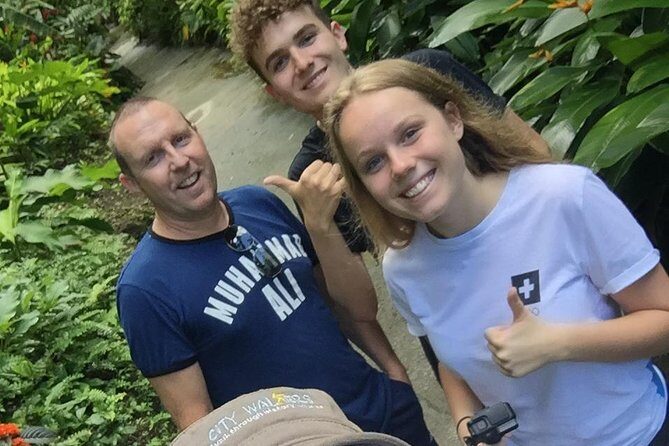
The Castries Food Market is the star of the opening chapter. You’ll step into a place where the colors do half the teaching for you—piles of fruits and vegetables, baskets of spices, and produce that feels tied to daily life, not tourist display cases.
This market stop is also tied to a big external compliment: it’s been rated by National Geographic as one of the top 10 food markets in the world. Even if you don’t remember the ranking number later, you’ll feel what it means—high energy, lots of variety, and the chance to see how people shop with purpose.
What you’ll do here:
- Walk through the market and learn the story behind the items and what they’re used for.
- Experience sampling-style tasting tied to the tour’s food focus (with guidance on what to notice).
- Get your water and keep your energy steady.
Some guides have gone beyond basics, including explaining how certain ingredients are used medicinally in addition to cooking. If you like learning how food connects to culture (not just taste), this is where the tour can feel more personal.
A practical tip: if you’re already planning breakfast, don’t overdo it. The market portion can take the edge off your appetite in a good way.
Derek Walcott Square: Nobel Prize Meaning in One Small Stop
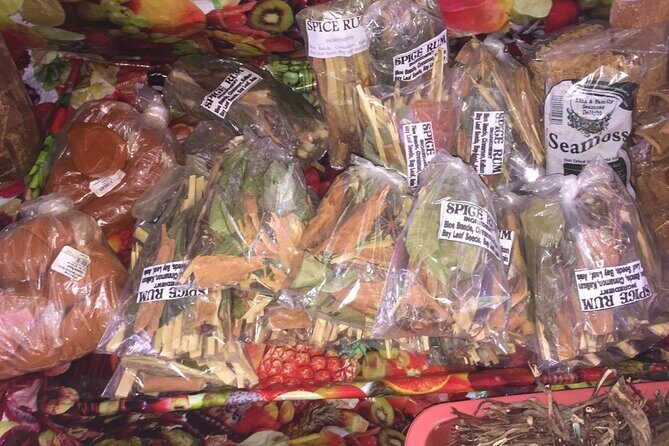
Next comes Derek Walcott Square, a short stop that carries serious cultural weight. This is where the tour connects Castries to the Nobel Prize story of St. Lucia. The key idea you’ll leave with is that two Nobel Prize winners are tied to the island, and Castries is highlighted for that connection.
Even though the stop is brief, it matters because it gives you a lens for understanding why people care about names and places. When you learn that a square has been named for a major figure, the city stops feeling like just roads and buildings—it becomes something with identity.
You’ll also get guided context about the man behind the bust, and why this kind of public memorial matters in smaller cities and island communities. Think of it as quick orientation that helps the rest of your day make more sense.
Jean Baptiste Bideau Monument and Bideau Park: Small Stops, Real Local Meaning

The tour includes quick hits for Jean Baptiste Bideau—first a monument, then Bideau Park. These aren’t long museum-style stops. They’re more like “read the city carefully” moments.
Why include them? Because naming is power. Monuments and park names show what a community decides to honor, and guides typically connect these stops to the wider story of Castries’ evolution—who influenced it, how local identity formed, and how history gets written into public space.
If you’re the kind of traveler who enjoys noticing details others skip, you’ll probably like this part. If you’re only interested in the biggest sights, these may feel short—but they also prevent the tour from being one-note.





Holy Trinity Anglican Church and the Religious Influence You’ll Notice as You Walk

One of the tour highlights is the role of religion and the way historical influence shows up in places of worship—specifically the Holy Trinity Anglican Church area.
You won’t experience this as a deep architectural lecture unless your guide chooses to add extra detail. But you will get enough context to understand what you’re seeing and why it fits into St. Lucia’s colonial-era story. For many visitors, this kind of stop is where the city starts feeling layered instead of random.
When you walk with a guide, you notice things you’d miss solo: the significance of names, the reason certain areas get attention, and how European influence didn’t just shape politics—it shaped public space too.
Castries Fire History Reality Check: Why the Stories Matter More Than the Scenery
Here’s the part to plan for honestly: Castries has had major fires in recent history, and that affects what you can see. So if you come expecting castles, forts, or dramatic preserved ruins at every corner, you might leave a little underwhelmed.
This is where the guided storytelling becomes the value. Instead of relying on dramatic visuals, your guide fills in gaps—explaining what’s gone, what changed, and how the city’s identity still survives in names, squares, and everyday places.
In other words: this is for people who like history-as-context. If that’s your style, you’ll be happy.
Guides Can Make or Break the Tour (And You’ll See That in the Details)

This tour is only 1.5–2 hours, so the guide’s style shows fast. Based on past experiences with guides like Georges, Ricardo, and Shelly, the ones who shine are the ones who:
- Keep explanations clear without sounding rehearsed
- Use photos and murals to make street history easier to visualize
- Stay patient when you want to ask a question mid-walk
- Give food stops enough attention that you actually learn something, not just taste
I also think the guide’s balance matters. One person I’d pick out of my mental list of good fits is a guide who’s happy to talk both facts and feelings—without letting your walk turn into a general commentary loop. If your goal is pure city history, it helps to be ready to steer gently: ask what changed over time, why streets have certain names, or how a landmark ties to colonial history.
The good news? Since the tour is private to your group, there’s usually more room for that kind of interaction than on big group walks.
Price and Value: Is $35 a Smart Use of Your Time?
At $35 per person, this isn’t priced like a bargain, but it also isn’t priced like a full-day excursion. For the money, you get:
- Bottled water (and sometimes fresh coconut water)
- Admission tickets included for key stops
- A structured walk that keeps you from guessing what’s worth seeing
- A private experience restricted to your group
To me, that’s solid value if:
- You want a quick history orientation
- You like market experiences and learning how locals eat
- You’d rather ask questions than read a guidebook on the spot
It’s less ideal if:
- You want major museum time
- You dislike walking
- You only want “big landmarks” and not the meaning behind smaller squares and monuments
Also, since it’s often booked about 38 days ahead, planning early helps you lock in a day and time that works with beaches and dinner reservations.
Timing, Shoes, and What to Bring
Because this is a walking tour with market stops, simple gear goes a long way:
- Wear comfortable shoes with traction.
- Bring sun protection. You’re outdoors and moving.
- Keep your phone charged for photos of squares, murals, and market scenes.
You’ll get water, which helps, but hydration is still on you. If you’re sensitive to heat, you’ll want to avoid scheduling this at the hottest hour of the day.
And since good weather is required, I’d treat it like an outdoor activity: have a backup plan in case your day needs shifting.
Who This Tour Suits Best (and Who Might Skip It)
This fits best if you want:
- A first-time understanding of Castries without spending half your vacation reading
- A guided way to experience the Food Market
- A short cultural walk that links Nobel connections, public memorials, and colonial-era influence
You might skip it if:
- You’re looking for a long museum day or ruins-focused itinerary
- You dislike food-market environments
- You only want the kind of history you can get from a book in an hour
For most people, though, the tour hits a sweet spot: it’s short, organized, and designed to give you a better relationship with the city during your stay.
Should You Book Castries City Walking Tours?
If you enjoy street-level history and you like learning through real places—markets, squares, and public landmarks—then yes, I think this is a good booking. The $35 price is reasonable when you factor in admission tickets at stops and the fact that you’re paying for someone to connect the dots while you walk.
I’d think twice if you’re coming only for dramatic architecture or preserved ruins. Castries can be visually modest in places, and the value here is explanation, not scenery.
If you book, come curious, bring comfortable shoes, and plan to ask at least a couple questions. That’s how you’ll get the most out of a compact walk.
FAQ
How long is the Castries City Walking Tours experience?
It runs about 1 hour 30 minutes to 2 hours.
Where does the tour start and end?
It starts at 55 John Compton Hwy, Castries, St Lucia, and it ends back at the meeting point.
Is pickup available?
Yes, pickup is offered.
What’s included in the tour price?
Bottled water is included (bottled water or fresh coconut water). Admission tickets are included for the market and Derek Walcott Square stops.
What isn’t included?
Private transportation isn’t included.
Is this tour private?
Yes. It’s a private tour/activity, restricted to your own group.
What if the weather is bad?
This experience requires good weather. If it’s canceled due to poor weather, you’ll be offered a different date or a full refund.
Can most people participate, and are service animals allowed?
Most travelers can participate, and service animals are allowed.