REVIEW · WORCESTER SOUTH AFRICA
Fly Fishing in Cape Town
Book on GetYourGuide →Operated by Widevision Travel · Bookable on GetYourGuide
Five hours can feel like a whole trip when the water is this clear. Fly fishing the Cape streams is a real highlight around Cape Town, with wild rainbow trout in some of the most scenic stream country you’ll see in the region.
Two things I really like about this experience: you get gear included (so you’re not hunting for rentals), and the guides focus on practical technique—light tackle, stalking, and sight fishing in the Worcester/Paarl mountains’ waters. One thing to consider: you’ll want to be comfortable wading if you want the best angles, and wading boots are recommended.
In This Review
- The Cape Stream Fly Fishing Experience: 5 big reasons to go
- Why Cape Stream Trout Fishing Is a Stand-Out Day Near Cape Town
- The 5-Hour Plan: Pickup, Safety Briefing, Guided Fishing Stretch, and Lunch
- Fishing Tactics You’ll Actually Use: Light Tackle, Stalking, and Sight Fishing
- Catch and Release With Responsible Practices: Why It Matters
- Your Guide and the Coaching Factor: What Helps You Catch More
- Price and Value: What $280 Covers and What Might Cost Extra
- Food by the Water: Light Lunch and Organic-Style River Snacks
- What to Bring (and What Actually Helps on the Water)
- Who This Trip Suits Best in Cape Town
- Should You Book Fly Fishing the Cape Streams?
- FAQ
- How long is the fly fishing trip?
- Where does the trip start and end?
- Is hotel pickup included?
- What fish will I be targeting?
- Is the gear included?
- Do you keep the fish?
- What should I wear or bring?
The Cape Stream Fly Fishing Experience: 5 big reasons to go
- Small group (max 6) keeps things personal and helps you get more coaching time
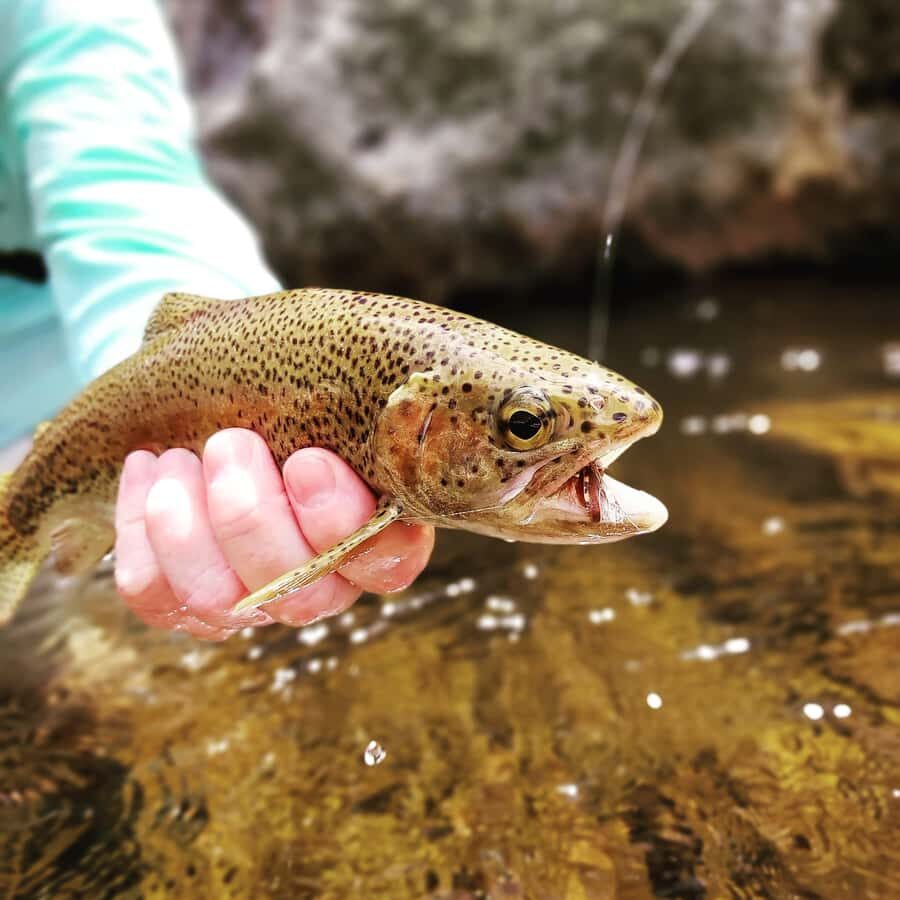
- Wild trout, catch-and-release means you’ll fight fish and still leave the stream healthy
- Light tackle + sight fishing turns “trying your luck” into a skill game
- All gear + permits included removes a lot of friction before you even cast
- Local, organic-style lunch and river snacks keep energy up without getting heavy
Why Cape Stream Trout Fishing Is a Stand-Out Day Near Cape Town
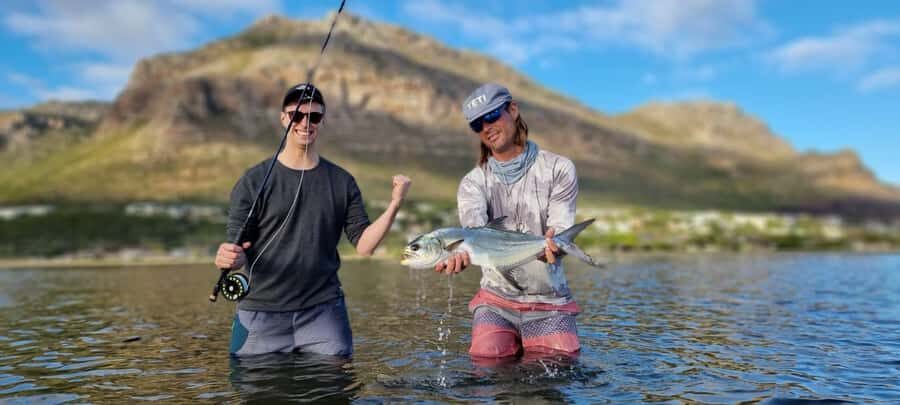
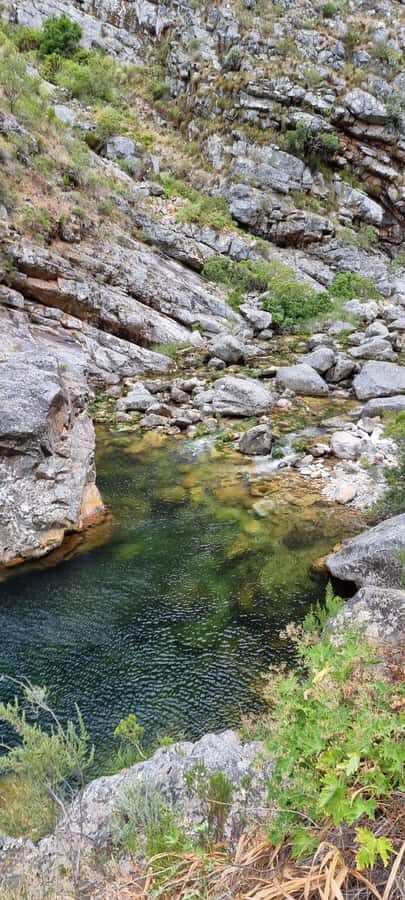
Cape Town isn’t just beaches and city days. On this trip, you trade traffic noise for running water and mountain-backed stream bends. The Cape streams are known for stream fishing that many anglers chase for good reason: the trout live where the water stays cold, clear, and oxygen-rich.
The setting matters because it changes how you fish. When the water is crystal clear, you don’t just throw a fly and hope. You can see fish, read their position, and plan your cast. That makes the day feel more like stalking a target in a nature movie than “fishing in a park.”
And the trout behavior here adds the excitement. You’re fishing wild fish, using light tackle to match the surroundings. The result is a humbling but rewarding day. You might nail a perfect drift and still miss. Then you’ll adjust, cast slightly better, and finally feel that sharp strike that makes you want to repeat the whole process right away.
The 5-Hour Plan: Pickup, Safety Briefing, Guided Fishing Stretch, and Lunch
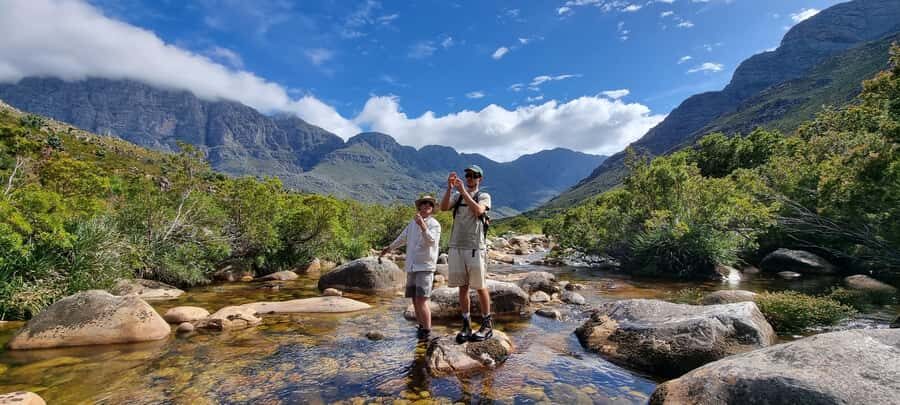
This is structured like a focused half-day, not an all-day production.
First stop: Cape Town pickup. You start from within Cape Town. If you want hotel pick-up and drop-off, that’s an optional extra. If not, you’ll coordinate your meeting point in Cape Town with the operator.
Safety briefing at a secret stop (about 10 minutes). Before you hit the water, you’ll get a quick, practical run-through. This isn’t a long lecture. It’s the basics you need for moving around along the stream and fishing safely.
Guided fishing stretch (about 4 hours). This is the heart of the day. You’ll be taken to the fishing stretches the guides know well, and the pace is built around learning while you fish. Expect a mix of instruction and hands-on guiding: where to stand, how to approach, how to manage your line, and how to adjust when conditions change.
Lunch by the river (about 20 minutes). You’ll stop for a light lunch and river snacks. Importantly, it’s not heavy food that knocks you out. It’s timed so you can eat, reset, and get back out while the fishing mood is still on.
Return to Cape Town. After the fishing and lunch window, you’re back in Cape Town within the 5-hour total duration.
Why the timing works: four hours on the water is long enough to get into a rhythm. But it’s not so long that you forget why you came—catch, learn, release, repeat.
Fishing Tactics You’ll Actually Use: Light Tackle, Stalking, and Sight Fishing
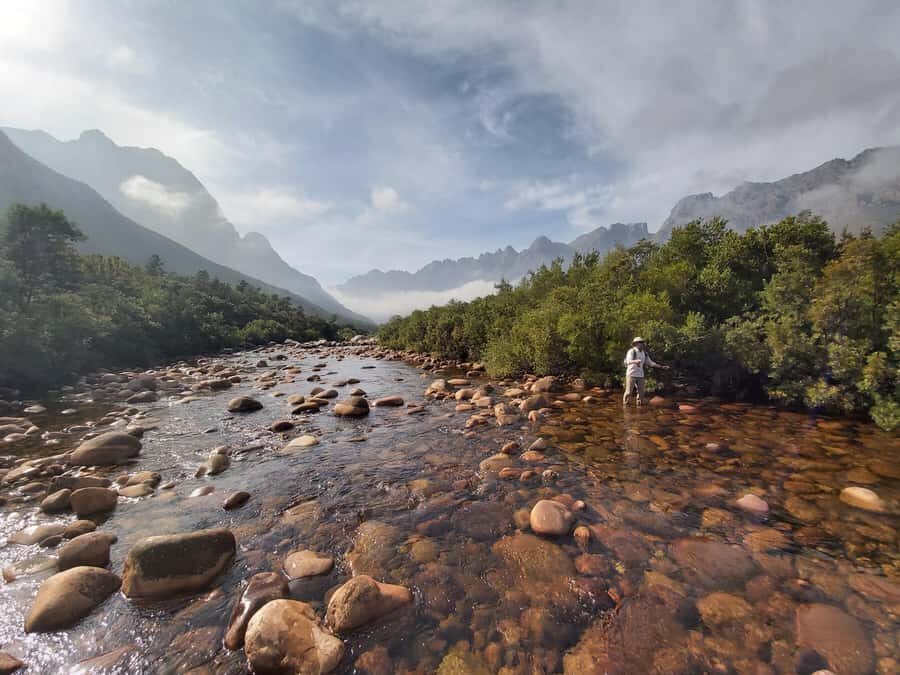
This trip is built around a simple idea: good trout fishing is mostly about observation and presentation. You’re not trying to bulldoze fish. You’re trying to place a fly where it will look natural to a wild trout.
Here’s what that means in practice:
- Light tackle helps you feel the fish and the water. When a trout takes, it’s not a brute-force fight—it’s a quick, tense battle that makes you pay attention.
- Stalking and sight fishing go together. In clear water, you can see where trout hold. That changes your casting plan. You’re aiming for the right lane, the right distance, and the right line control, not just throwing anywhere.
- Wild trout behavior keeps you honest. Trout can be picky. Some days they cooperate. Other days you earn every bite.
The thrill is described as phenomenal for a reason: you’re hunting in real time. You’re spotting, casting, and responding. Even when the fish don’t hit, the process teaches you how to think like a trout.
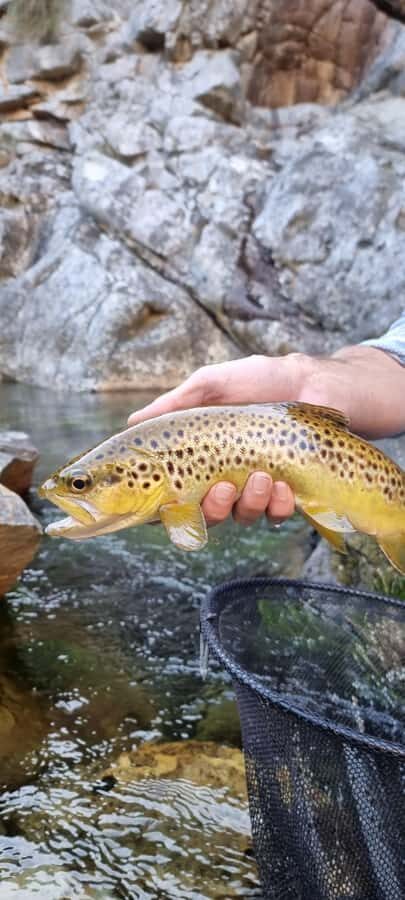
And yes, there’s a built-in emotional payoff. When you catch, photos are taken, then you release the trout back into the stream to fight another day. That catch-and-release rhythm matters: it keeps the focus on doing things the right way, not just collecting trophies.
Catch and Release With Responsible Practices: Why It Matters
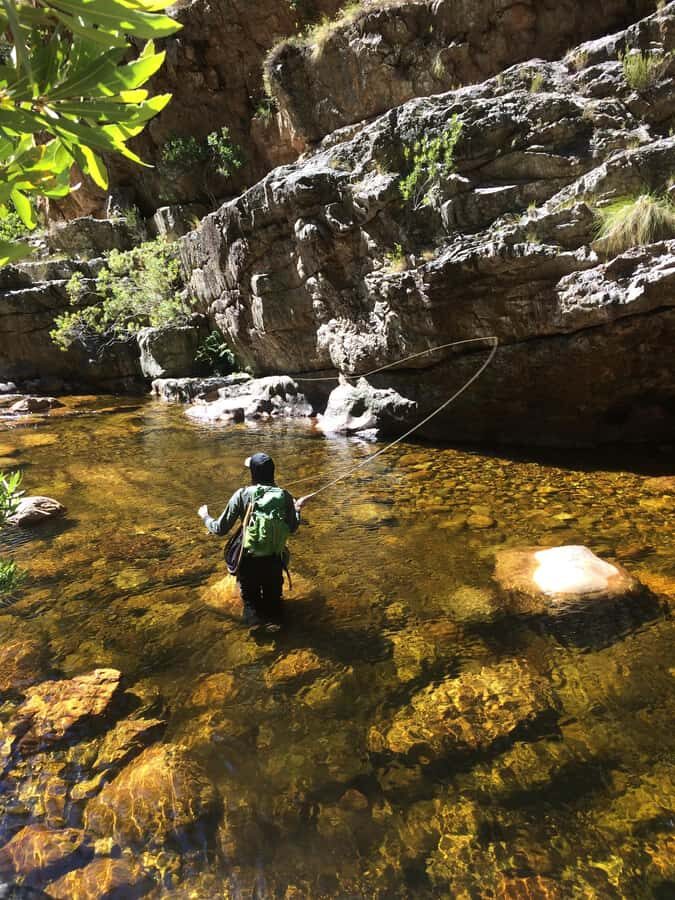
Responsible fishing isn’t a slogan here. It’s part of the day’s structure.
You’ll be fishing for trout in Cape streams using techniques that align with catch-and-release. If you catch a fish, you don’t keep it. You get the moment, the photo, and then the fish goes back into the water.
Why you should care: wild trout streams are fragile. Pressure from careless handling, litter, or poor release practices can hurt the very fishing you came for. This operator says they’re committed to responsible fishing practices and conservation, and they also make it clear that littering isn’t allowed. That’s a small line in the rules, but it signals the mindset behind the trip.
If you’re the type who wants good conservation ethics without turning the day into a lecture, this setup fits.
Your Guide and the Coaching Factor: What Helps You Catch More
The guides are a big part of the value. They’re familiar with the waters, the fish, and the techniques, which is what you want when you’re fishing streams you don’t know.
One review mentions a guide named Matt as very knowledgeable and someone who made the whole experience fun. Even without getting too technical, that tells you what the guides focus on: communicating clearly and coaching you in a way that keeps the day enjoyable.
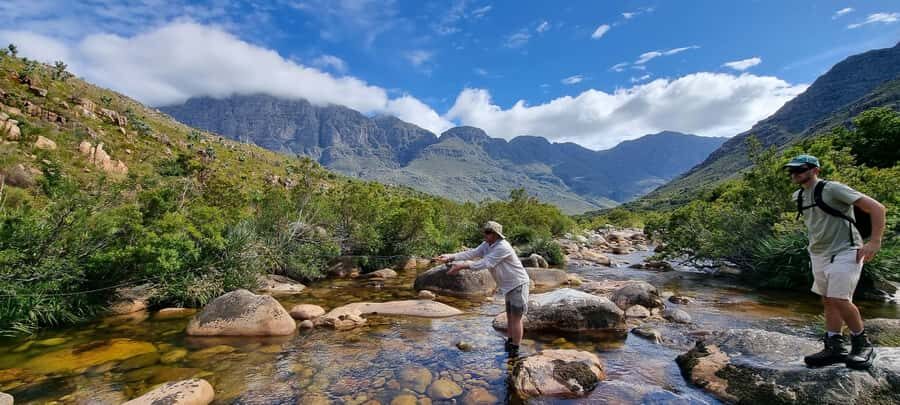
With small groups (limited to 6), you’re less likely to feel like you’re being left alone with a rod and a map. You should expect the guide to help you adjust—things like where you’re standing, how you’re casting given the stream flow, and how you can improve your chances after a missed attempt.
If you’re newer to fly fishing, that coaching can be the difference between a frustrating day and a memorable one. If you’re experienced, it can still help you refine your approach to sight fishing in clear water, which is a whole different game than fishing cloudy water or still ponds.
Price and Value: What $280 Covers and What Might Cost Extra
At $280 per person for about 5 hours, the headline question is: what’s included, and what are you paying for besides the casting?
Included:
- All gear (rods, reels, flies, and tackle)
- Qualified guide
- Light lunch and river snacks
- Permits and entry
Optional extras:
- Hotel pick up and drop off
- Wading boots (recommended, optional extra)
That inclusion list is the real value. Fly fishing trips can get expensive fast once you add gear rentals, transportation, and access fees. Here, you’re not assembling a kit from scratch. You show up in Cape Town, get geared up, and spend the time where it counts: on the water.
The biggest “watch your budget” item is the wading boots. If you don’t already have proper footwear, plan to add that cost. It’s not the part you want to improvise with sneakers.
Food by the Water: Light Lunch and Organic-Style River Snacks
A lot of outdoor trips underfeed you. This one handles that with a light lunch plus river snacks. It’s described as using local and organic foods unique to South Africa.
Practical benefit: trout fishing is active—standing, walking, and concentrating. If you get a heavy meal, you’ll feel it later. If you get a snack plan that’s too thin, you’ll lose focus mid-afternoon. This is positioned as a middle ground: enough food to keep you going without draining your energy.
Also, eating outside in the stream setting keeps the day feeling like an experience, not just a task. You’re still in the environment.
What to Bring (and What Actually Helps on the Water)
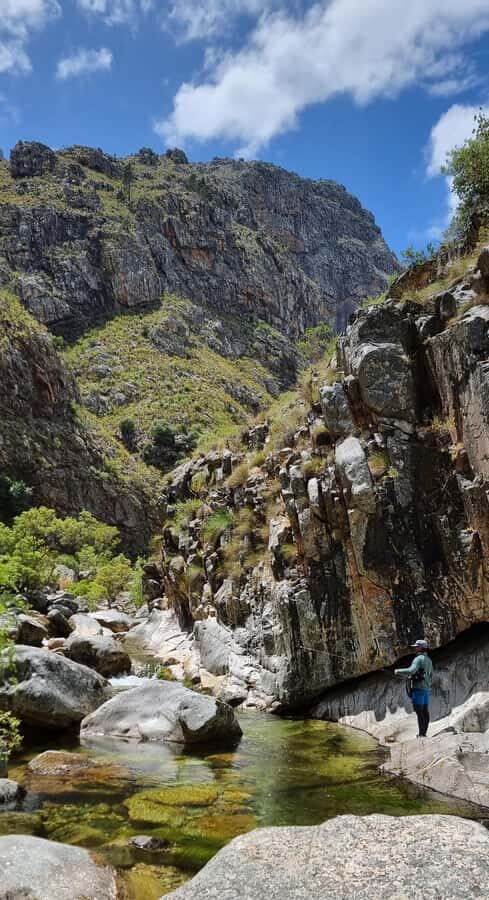
The operator lists simple essentials, and I agree with all of them. The stream can be cold-ish or pleasantly sunny depending on conditions, but the sun is the main issue—especially with clear water and reflective surfaces.
Bring:
- Sunglasses (a must in bright, clear stream light)
- Sun hat
- Sunscreen
- Comfortable clothes
- Quick-dry clothing
And if you have them, plan for traction:
- Wading boots are recommended. If you don’t own them, ask about the option to include them.
One more practical note: communication matters. You’re asked to add the operator on WhatsApp ahead of time. That’s useful for confirming details and meeting points without stressful last-minute calls.
Also, you may be asked about your fitness level and age. That helps the guides match the route and pace to the group.
Who This Trip Suits Best in Cape Town
This is a smart fit if you:
- want a nature day with a real skill component (not just a scenic walk)
- like clear-water fishing and the challenge of stalking trout
- want a small group and more guidance per person
- care about catch-and-release and responsible fishing practices
It’s also a good choice for couples celebrating. One anniversary mention came through in the feedback, and the combination of scenic streams, guided coaching, and organized flow makes it feel special without being overly formal.
If you’re totally new and nervous, you might still enjoy it, but be honest about comfort with wading and walking over streamside terrain. If you’re not a comfortable walker, ask about the route style so you can gauge what to expect.
Should You Book Fly Fishing the Cape Streams?
If you want one of the most memorable half-days you can do from Cape Town, this is worth booking. The value is strong because gear, permits, and food are included, and the day is built around guided, hands-on fly fishing for wild trout.
I’d book it if you like the sound of clear water, stalking, and sight fishing, and you’re comfortable spending hours focusing on technique. I’d think twice only if wading terrain is a big concern for you and you don’t have proper footwear (or aren’t willing to rent it).
If you’re trying to choose between a scenic activity and an active angling day, this one gives you both—scenery plus a real chase for trout.
FAQ
How long is the fly fishing trip?
The duration is 5 hours total.
Where does the trip start and end?
You start with pickup in Cape Town and return to Cape Town after the fishing and lunch.
Is hotel pickup included?
Hotel pick up and drop off is an optional extra.
What fish will I be targeting?
You’ll be fly fishing for trout in the Cape streams, including rainbow trout.
Is the gear included?
Yes. All gear (rods, reels, flies, and tackle) is included.
Do you keep the fish?
No. Photos are taken when you catch, and then the fish are released back into the streams.
What should I wear or bring?
Bring sunglasses, a sun hat, sunscreen, comfortable clothes, and quick-dry clothing. Wading boots are recommended (available as an optional extra).