REVIEW · APARTHEID MUSEUM
Johannesburg: Half-Day Apartheid Museum Tour
Book on GetYourGuide →Operated by MoAfrika Tours (Pty)Ltd · Bookable on GetYourGuide
Apartheid is heavy, but it has structure. What makes this half-day tour work is the 3-hour guided route through 22 exhibition areas, plus the way guides like Mark, Tshepo, and Bongani add context on the drive in and out. I also like the small group size (up to 13), because it keeps questions from turning into a shouting match. The main drawback: at $49, it’s not the cheapest way to see the museum, especially since part of the museum experience includes self-guided sections.
You’re picked up in Johannesburg, then you’re dropped back after the museum. Expect provocative photos, film footage, artifacts, and clear explanations of how the 1948 National Party system turned about 20 million people into second-class citizens. It’s a lot to take in, and even with a guide, you may want a slower pace than the schedule allows.
In This Review
- Key Things to Know Before You Go
- A 5-Hour Plan for a Heavy Story in Johannesburg
- Pickup, the Drive, and Why the Explanation Starts Before the Museum
- Inside the Apartheid Museum: 22 Exhibition Areas With a Guided Route
- How the Tour Explains Apartheid Policies Without Turning It Into Just Dates
- Films, Photos, Artifacts, and the Parts That Hit the Hardest
- The 1994 Climax: From Mandela’s Prison to Political Change
- Timing, Group Size, and How to Use the Full 3 Hours
- Price and Logistics: Is $49 a Good Value?
- What I’d Recommend This Tour For (and Who Might Skip It)
- If Something Goes Wrong, It’s How They Handle It
- Should You Book This Johannesburg Apartheid Museum Tour?
- FAQ
- How long is the tour in total?
- How much time do I spend at the Apartheid Museum?
- What’s included in the price?
- Is there food included?
- Is the tour wheelchair accessible?
- Can I cancel and get a full refund?
Key Things to Know Before You Go
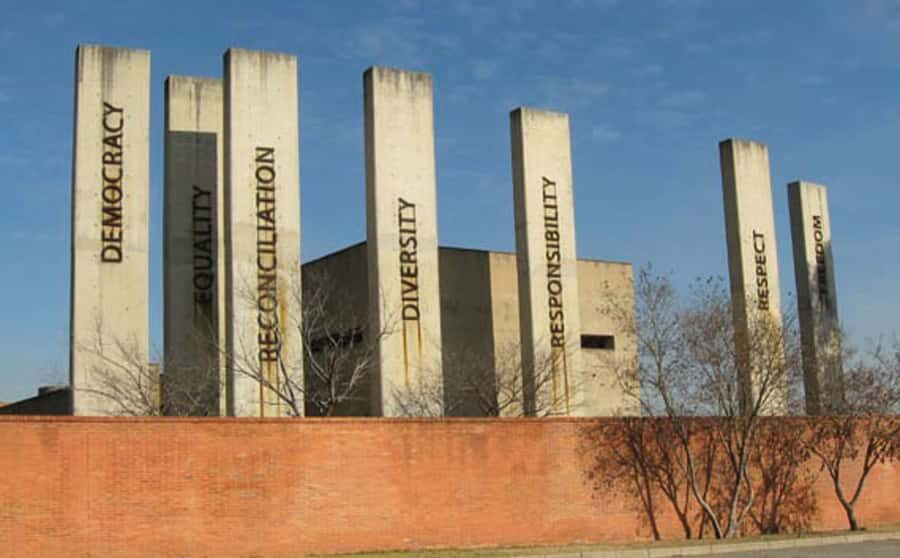
- A guided 3-hour loop through 22 exhibition areas: You get a planned path, not just a wander.
- Guides bring the city context: People like Tshepo and Bongani often discuss Johannesburg landmarks on the way.
- Small group up to 13: Easier pacing and more chances to ask questions.
- Hotel pickup and drop-off in Johannesburg: You skip the hassle of transportation planning.
- English live guide with Skip-the-ticket-line: Practical help right from the start.
A 5-Hour Plan for a Heavy Story in Johannesburg
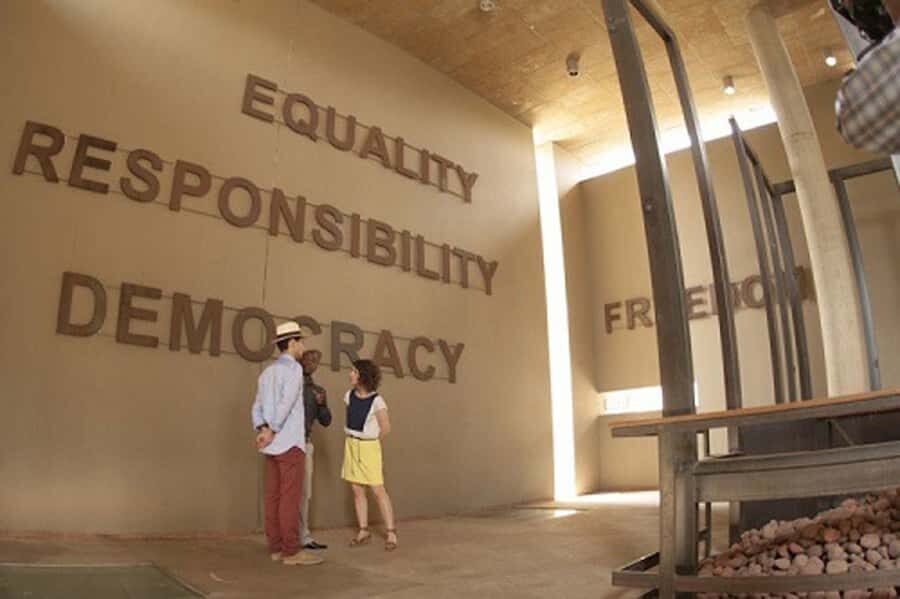
This is a half-day tour that clocks in at about 5 hours total, with a 3-hour guided museum visit inside the Apartheid Museum. The rest is mostly transfer time: you ride in comfortably, do the museum, then ride back. That timing matters because the subject matter is intense. If you’re trying to fit this into a first trip to Johannesburg, this structure helps you stay focused instead of spending your mental energy on logistics.
I like how the tour treats the museum as the whole point. You’re not being herded from stop to stop. You can give your attention to the displays, take notes if you want, and actually follow the story.
One word of realism: 3 hours can feel short once the museum gets going. If you’re the type who reads every label and watches every film clip, you might still finish feeling like you skimmed. The good news is that the local guides try to adjust the schedule to your liking if there’s time.
Pickup, the Drive, and Why the Explanation Starts Before the Museum
You’ll be picked up from your Johannesburg accommodation, then you’ll head to the museum in a comfortable vehicle. The drive is part of the experience, not just travel filler. Multiple guides have been praised for pointing out places you can see along the way and adding extra history you wouldn’t get on your own.
That matters more than it sounds. Apartheid didn’t happen in a vacuum; it shaped where people could live, work, move, and vote. When a guide uses the drive to connect the museum themes to real Johannesburg landmarks, you arrive with your bearings already set. Guides you may encounter include people like Bongani, Tshepo, Guy, James, Martin, and Mark, and their commentary style consistently shows up in strong reviews.
You’ll also have free uncapped Wi-Fi on the vehicle. It’s not essential, but it’s handy if you want to message someone back home or look up a few names and dates before you walk in.
Inside the Apartheid Museum: 22 Exhibition Areas With a Guided Route
The core experience is the museum visit, handled by a live guide in English. You’ll follow a logical route through 22 individual exhibition areas. Think of it like moving through chapters. Instead of random stops, you get a sequence that helps you understand cause, policy, impact, and resistance.
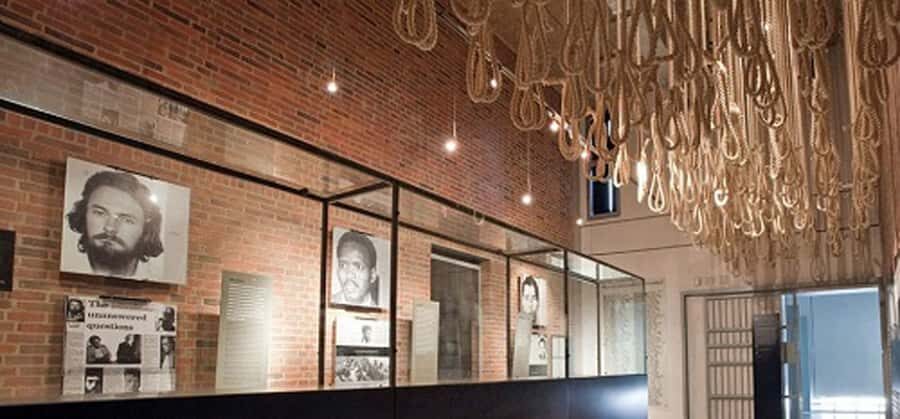
The museum uses a mix of storytelling tools: provocative film footage, photographs, text panels, and artifacts. Some areas are more hands-on or visual; others rely on reading and absorbing details. That design can be emotionally draining, so the guidance helps you pace yourself and avoid getting lost in the sheer amount of information.
A practical note: even with a guided tour, the museum isn’t purely guided. Some sections include self-guided elements, and one review pointed out that it can feel part self-directed. If you strongly prefer 100% guided narration the entire time, go into it knowing you’ll likely spend at least some minutes reading and walking at your own pace.
How the Tour Explains Apartheid Policies Without Turning It Into Just Dates
The tour’s guided portion focuses on what apartheid was: a state-sanctioned system built on racial discrimination that became official in 1948 under the white-elected National Party government. The result was catastrophic: about 20 million people were pushed into second-class citizenship, with restricted lives marked by humiliation and abuse.
What I value here is not just the historical outline, but the human scale of the system. Artifacts and photos aren’t there for decoration. They’re used to show what policy looked like in real life—where power sat, how it was maintained, and what it cost people on the ground.
Guides have been specifically praised for making the information feel contextual, not like a textbook. People like Tshepo and Bongani are mentioned for contextualizing what you’re seeing and adding extra nuggets as you move through the galleries. Guy and James were also noted for timing well and answering questions about South Africa, especially helpful if you’re visiting for the first time and want a bigger picture.
If you’re worried about being overwhelmed, that’s normal. This museum doesn’t treat apartheid as an abstract concept. The guide’s job is to keep the story coherent while you process it in real time.
Films, Photos, Artifacts, and the Parts That Hit the Hardest
The museum doesn’t shy away from emotion. Film footage and photographs are used to show the lived reality of apartheid, and the artifacts and document-style displays reinforce that you’re not looking at a polished reenactment. You’re looking at evidence—of laws, of suffering, of resistance, and of the way systems can be engineered to control daily life.
This is where the guided route becomes more than convenience. When a guide explains what you’re about to see, you can focus on absorbing meaning rather than trying to decode the layout on your own. It’s also where asking questions can help. If something feels confusing or you want a clearer timeline, having a live guide nearby makes the museum easier to interpret.
One more practical detail: if you’re sensitive to intense material, pace matters. Use breaks for breathers. Take your time in areas where you need it. The museum is designed to confront you, but you still control how quickly you move between rooms.
The 1994 Climax: From Mandela’s Prison to Political Change
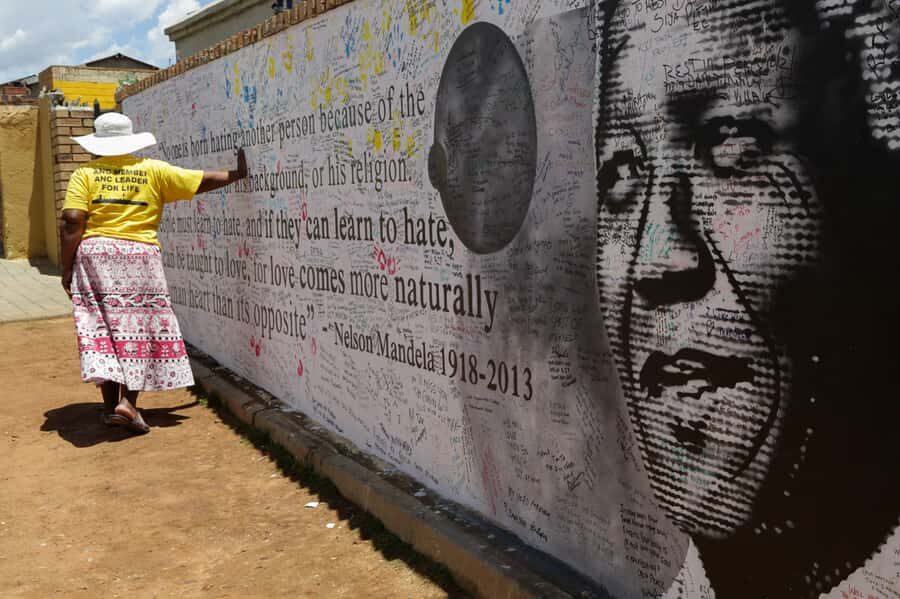
Every strong museum about apartheid needs an endpoint that doesn’t feel like a shrug. Here, the climax centers on the election of Nelson Mandela in 1994, after he had been imprisoned and later became president.
That final segment is important because it doesn’t just end on oppression. It frames liberation as the result of resistance, courage, and endurance. Even if you know the headline facts, the way the exhibits connect resistance to political change helps you understand why the transition mattered—and why it was hard.
If you want a balanced perspective—past, present, and what the future asks of people—this tour’s guide approach tends to support that. One review highlighted that the guide provided a balanced perspective on history, present, and future, which is exactly what you want by the end of a museum visit like this.
Timing, Group Size, and How to Use the Full 3 Hours
You’ll be on the tour for about 5 hours total, and the museum visit is about 3 hours with your guide. That’s a reasonable chunk, but it’s also worth being strategic. Here’s how I’d use the time if I wanted the most from it:
- Start the museum with a curious mindset. Your first 20–30 minutes sets what you’ll notice later.
- Don’t try to read everything perfectly. Instead, read enough to understand the story, then slow down where the guide’s explanation points.
- If you feel rushed, say something. The tour notes that guides may try to adjust the schedule to your liking if the museum time needs tweaking.
Group size is capped at 13 participants, which helps with pacing. It also helps accessibility in a practical way: guides can keep track of where everyone is and adjust if someone needs slower movement.
Accessibility is also supported. The tour is wheelchair accessible, and reviews specifically mention that a guide helped wheelchaired guests around exhibits. If you’re traveling with someone who uses a wheelchair, this is a good sign that the operation is experienced with actual on-the-ground needs—not just “accessible on paper.”
Price and Logistics: Is $49 a Good Value?
At $49 per person, you’re paying for more than entry. Your money covers the museum ticket, the 3-hour guided visit, hotel pickup and drop-off, and transport in a comfortable vehicle. You’re also getting Skip-the-ticket-line, plus Wi-Fi during the ride.
Is it worth it? For me, it often is when two things line up:
1) the museum is designed to be interpreted, and
2) you want context without doing the organizing yourself.
The Apartheid Museum is information-heavy and emotionally intense. A guided route helps you get meaning faster and reduces the chance you leave with a pile of facts and not much understanding. Several guides were praised for being friendly, helpful, and full of extra insight while still keeping the tour moving at the right pace.
That said, there’s one fairness point. If you’re the kind of person who only wants the museum narration and hates any self-guided wandering, you may feel the price is a little steep. One review also suggested the tour may be expensive for some people. If you’re on a tight budget, you might compare costs for other options. But if you want a guided structure that keeps you on track, this price looks more reasonable.
What I’d Recommend This Tour For (and Who Might Skip It)
This tour is a strong fit if you:
- want a guided, organized path through a major museum
- appreciate a human explanation, not just signage
- are short on time in Johannesburg and want a clean schedule
- like the idea of small-group attention rather than a large crowd
You might consider skipping or switching plans if:
- you’re strictly budget-driven and don’t mind self-guided museum time
- you prefer only fully guided experiences with no self-guided sections
- you’re sensitive to very intense historical material and need longer breaks than a set 3-hour visit allows
If Something Goes Wrong, It’s How They Handle It
Operations don’t always go perfectly on the road. One review described transport confusion outside the tour company’s control. What stood out was the response: a replacement guide/driver arrived and the person effectively got nearly a private tour. That’s a useful reminder. When you book a guided tour, you’re also betting on how the provider reacts if logistics wobble.
In this case, the reaction seemed fast and respectful, which helps you relax and focus on the museum instead of the schedule.
Should You Book This Johannesburg Apartheid Museum Tour?
If you’re visiting Johannesburg and you want the Apartheid Museum to make sense fast, I’d book this. The guided structure through 22 exhibition areas, hotel pickup/drop-off, and the quality of guides named in reviews (Mark, Tshepo, Bongani, Guy, James, Martin, and others) are exactly the ingredients that help a heavy museum stay understandable instead of overwhelming.
Book it if you want a planned route, live Q&A, and a smooth logistics footprint. Consider alternatives if you’re trying to minimize cost or you hate any self-guided time inside a guided experience.
FAQ
How long is the tour in total?
The total duration is about 5 hours, including pickup, travel time, and the museum visit.
How much time do I spend at the Apartheid Museum?
You get a guided museum visit of about 3 hours.
What’s included in the price?
Entrance to the Apartheid Museum, a 3-hour guided museum visit, pickup and drop-off in Johannesburg, transfers in a comfortable vehicle, and free uncapped Wi-Fi on board.
Is there food included?
No. Food and souvenirs are not included.
Is the tour wheelchair accessible?
Yes, the tour is wheelchair accessible.
Can I cancel and get a full refund?
Yes, you can cancel up to 24 hours in advance for a full refund.