REVIEW · JONKERSHOEK NATURE RESERVE
Jonkershoek: Waterfall Hike and 4×4 Safari Ride
Book on GetYourGuide →Operated by Scootours Cape Town · Bookable on GetYourGuide
Waterfalls and 4x4s in Stellenbosch country. I love the Waterfall trail payoff and the way the day mixes hiking with a safari-style 4×4 loop through Jonkershoek Nature Reserve. The one thing to plan for: this is a moderately challenging route with rocky footing and some height exposure, so closed shoes and a calm head matter.
I also like that your wilderness guide keeps things safety-first while tuning the pace to your group. There are built-in breaks for photos and still time to enjoy the sound of the falls without feeling rushed.
Finally, the weather can change fast in the reserve, so you’ll want to be ready for cooler temps and possible rain—even if the morning looks fine.
In This Review
- Key highlights you’ll feel on the day
- Start at Lanzerac Deli: where the hike day begins
- The safari vehicle loop: why that 4×4 time is more than transport
- The guided nature session: viewpoints, flora, and real “therapy” time
- The hike to the waterfalls: First vs Second, and what to do if weather turns
- Timing and pacing: why 4 hours can feel longer (in a good way)
- What to pack: the small things that decide whether you enjoy it
- Price and value: what $77 buys you in real-world terms
- Who should book this hike, and who should skip it
- Should you book Jonkershoek: Waterfall Hike and 4×4 safari ride?
- FAQ
- Where is the meeting point for the Jonkershoek tour?
- How long does the tour take?
- How far is the hike and how much elevation is involved?
- Can I choose to hike only to the First Waterfall?
- What happens if the weather does not allow reaching the Second Waterfall?
- What should I bring with me?
- What kind of footwear and clothing is recommended?
- Is the tour suitable for children?
- What language is the guide available in?
- What is included in the price?
Key highlights you’ll feel on the day
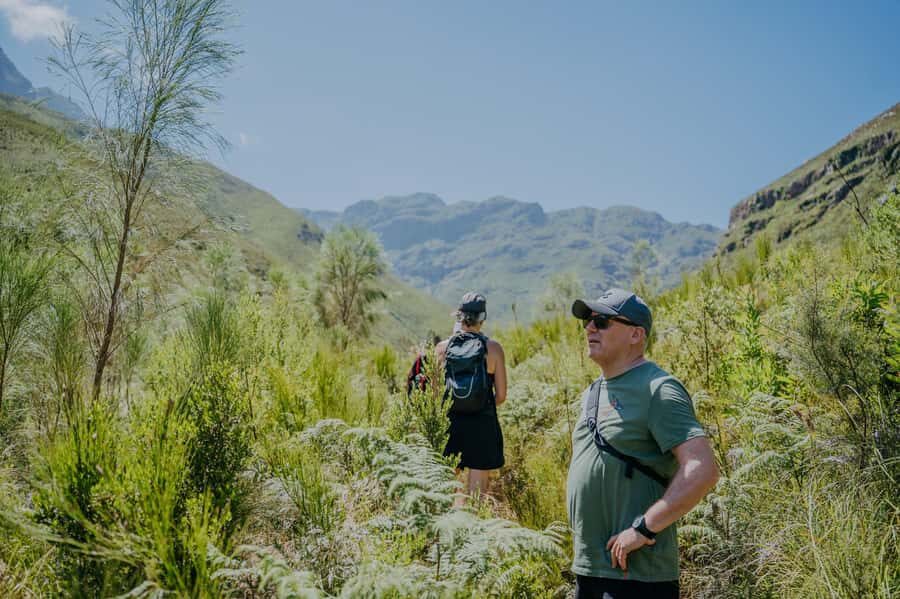
- 4×4 safari ride inside Jonkershoek on a circular route, so you spend less time logistics-diving and more time outdoors
- Waterfall focus: you’ll aim for the First and/or Second Waterfall, with a weather-friendly alternative if needed
- Viewpoint time with a guided nature therapy slant, including indigenous flora and big panorama stops
- Moderate hike with real elevation (about 340 m gain on the main route) that’s doable but not a stroll
- Optional cold-water plunge at the falls on hot days, if you bring swimwear
- Safety and first-aid qualification: registered mountain guide with Wilderness first aid qualification
Start at Lanzerac Deli: where the hike day begins
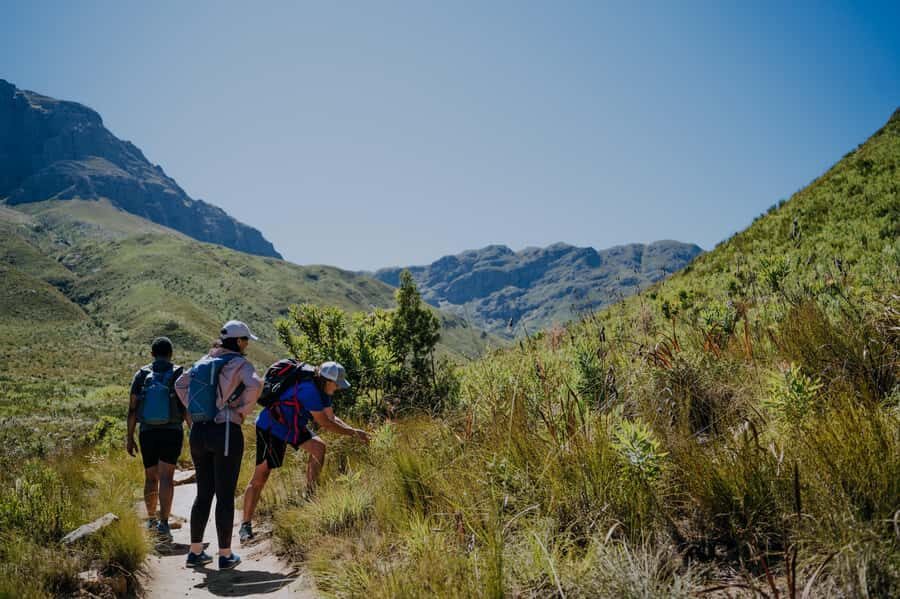
Your outing kicks off at the trail centre opposite Lanzerac Hotel Deli. When you arrive, turn left after entering through the main security gate and look out for the game vehicle. It’s a small detail, but it saves you from wandering around the entrance while everyone else is already getting fitted with water, hats, and good vibes.
You’ll meet your guide and get oriented before you move. This matters more than it sounds. Jonkershoek trails are rocky in places and the day depends on staying aware and moving at a comfortable rhythm, especially if you’re not used to elevation. A clear start helps you settle into the right pace early.
The tour runs about 4 hours, and it’s described as a private group with Afrikaans and English live guiding. That combo usually means you don’t get stuck in a rigid, one-size-fits-all tempo. You can expect the day to feel guided, but not bulldozed.
The safari vehicle loop: why that 4×4 time is more than transport
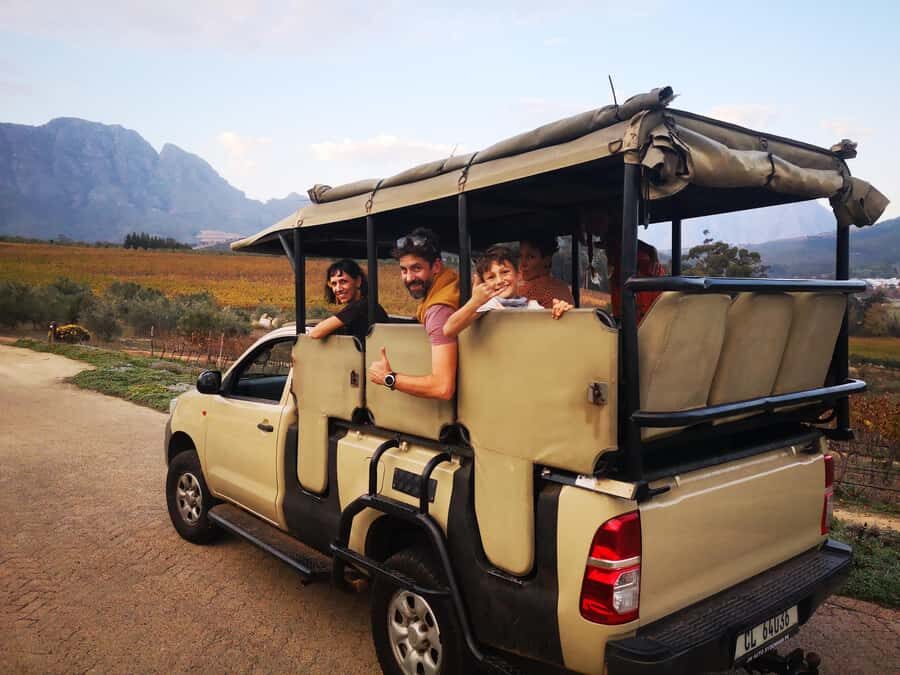
Before you hike, you’ll ride in a safari vehicle (Jeep/SUV) for short legs through the reserve. The schedule includes multiple vehicle segments, including a stretch that adds up to time for getting your bearings and reaching the right trail start points.
What I like about this setup is that it turns your day into an experience rather than a “park and walk” checklist. You’re not just grinding up to a waterfall on foot from the start. You get a scenic ride that helps you understand the terrain first—valleys, mountain angles, and the lay of the land—so once you’re on the trail, you’re not guessing where everything leads.
Also, the circular route concept means you’re seeing more than a straight line out and back. Even if you’re mostly hiking for the waterfall, that vehicle section helps the day feel like a true Jonkershoek circuit instead of a single-purpose dash.
If you get motion-sick easily, it might be worth taking it slow at the start and keeping your eyes on the horizon when the vehicle is moving on rougher paths. The day is designed for outdoorsy folks, not for people who prefer only smooth rides.
The guided nature session: viewpoints, flora, and real “therapy” time
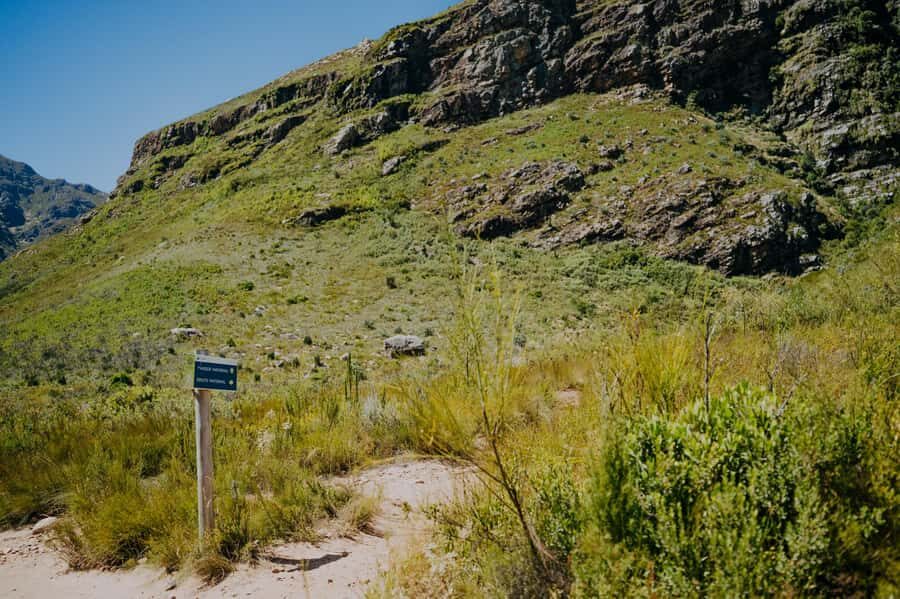
Once you’re in the reserve, you’ll get a long guided stretch at a viewpoint (about 80 minutes), with breaks built into the plan. This is where the tour leans into nature therapy: breathing cleaner mountain air, connecting to what’s around you, and slowing down enough to notice plants and surroundings instead of just checking boxes.
The guidance also works for different fitness levels because you’re not only hiking straight through. You’ll have moments to pause at panoramic viewpoints and to take photos. It’s not just picture time—pauses are part of the rhythm that makes the route feel manageable.
After the viewpoint portion, there’s a 30-minute break described as photo stop and free time. That’s perfect for a snack, refilling water, and letting the group regroup. If you’re the type who likes to keep moving, you might feel tempted to power through that break. Don’t. A short reset makes the rest of the hike feel better, especially if you’re heading toward the waterfall sections afterward.
Guides in this region often focus on local ecosystems, and this one specifically mentions indigenous flora along the way. In practical terms, that means you’re more likely to recognize what you’re walking past rather than just stepping over it while looking at the ground for footing.
One more point I appreciate: the route includes safety as a priority, and that shows up in how the guide handles pacing and footing during rocky sections. In one account, a guide named Louise stood out for being friendly from the moment people arrived and for encouraging the group to stay comfortable based on their ability. That’s exactly the kind of leadership you want on a moderately challenging trail with uneven ground.
The hike to the waterfalls: First vs Second, and what to do if weather turns
This is the heart of the day. The plan culminates at the First and/or Second Waterfall, where the water drops into a tranquil pool. It’s the kind of spot where the sound of the cascade takes over your attention and the surrounding terrain feels dramatic without being overly technical.
You can reach the Second Waterfall if conditions allow. The tour notes that if weather doesn’t permit going that far, the guide can pivot you to a lookout point instead. This is one of those smart, practical decisions that makes the tour feel reliable. Rain can change trail conditions, and not every waterfall hike stays identical day to day.
Here’s how the hiking lengths work in plain terms:
- The overall hike is described as 2–3 hours depending on fitness, on a route around 10 km with about 340 m elevation gain.
- There’s also an option to hike only to the First Waterfall, described as an easy 3 km route so you can spend more time around the falls and in nature.
That flexibility is valuable. If you’re fit, you’ll likely enjoy pushing for the more complete waterfall experience. If you’re not, you can still get the payoff without forcing speed.
At the falls, there’s time to relax, and the tour mentions the chance to take a refreshing dip if you want. The water can be cold, especially after cloudy weather or in cooler seasons, so I recommend treating it as optional rather than mandatory. Bring swimwear and a towel if you want that option to be real.
If the idea of a cold plunge sounds great but you hate rushing decisions at the end, prep early. Put your swim stuff in an easy-to-reach place in your daypack, not buried under everything else.
Timing and pacing: why 4 hours can feel longer (in a good way)
On paper, 4 hours seems compact. In practice, it’s a balanced mix:
- You start with short safari rides.
- Then you get a long guided viewpoint and nature time.
- Then you hike the waterfall section, with time at the destination.
The moderate nature of the route is also part of the “why.” The hike isn’t described as flat. There’s elevation gain (about 340 m) and some height exposure on the moderately challenging route. That means your legs work, but also that your mind has to stay present—watch your step, pause when needed, and follow the guide’s advice on where to place your feet.
If you’re someone who likes to move quickly, you might still enjoy this day because the guide can pace you without turning it into an endurance race. If you’re someone who wants slow and calm, you’ll appreciate that there are breaks and a viewpoint stage that breaks up the effort.
Languages are included live (Afrikaans and English), and the tour is described as private group. If you’re traveling with friends, that can make the day feel more relaxed because the guide can adjust to how your group moves.
What to pack: the small things that decide whether you enjoy it
This tour is outdoors-first, so packing isn’t optional. Based on what’s recommended, here’s what matters most.
Bring a daypack with:
- Snacks and a water bottle (you bring your own)
- Closed hiking shoes (not sandals)
- Comfortable clothes for walking
- A warm jacket plus a rain jacket, because weather can change quickly
- Hat and sunscreen
For the waterfall time, you’ll also want:
- Swimwear and a towel if you want the pool dip
- A plan for chilly water, meaning layers you can change into afterward
One more practical note: some height exposure is possible on parts of the trail. That’s not a reason to avoid the route, but it does mean you should wear shoes with solid grip and take your time. If you’re used to city sidewalks only, this is where good footwear pays back fast.
And if you’re expecting hot weather, you’ll be glad you packed for it. The tour mentions that during hot days, you might want to brave the cold water at the falls.
Price and value: what $77 buys you in real-world terms
At $77 per person for about 4 hours, you’re paying for three things that usually cost extra when you try to DIY:
- A guided hike led by a registered mountain guide with Wilderness first aid qualification
- Transport in a safari vehicle into and around Jonkershoek for the trail start and the circular return
- Entrance fees into the reserve
When you add those together, the cost starts to make sense—especially if you don’t want to spend time figuring out parking, trail starts, and the best way to match your abilities to the route.
This is also a value-friendly option compared to many “experience” days that charge more for less guidance. The hike here includes a viewpoint guided session and safety support, not just a drop-off and go.
The only thing that could make it less “value-perfect” is if you’re already comfortable navigating the reserve on your own and you don’t care about the guide-led nature therapy and safety. But for most visitors who want the waterfall without stress, $77 feels like a fair trade.
Who should book this hike, and who should skip it
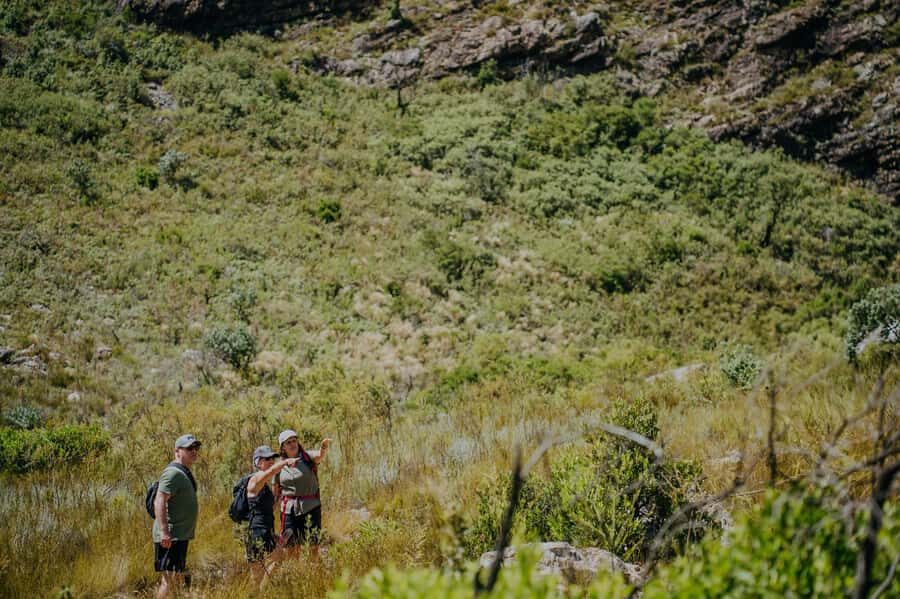
I think this experience is best for people who:
- Want a classic waterfall goal but still enjoy time outside without rushing
- Are comfortable walking a moderate route with elevation and uneven sections
- Appreciate a guide who focuses on safety and on the natural setting, not just directions
- Like optional extras like a photo stop and a cold-water plunge
It’s also a good fit if you like the idea of combining hiking with a safari-style ride through the reserve. That mix is part of the charm.
Who might consider another option:
- If you’re traveling with children under 8, it’s not suitable.
- If you dislike rocky footing or feel uneasy with some height exposure, you might still manage with extra caution, but you should honestly evaluate whether the trail type feels right for you.
- If you hate being outdoors in changing weather, bring the right layers or choose a different day.
One more thing: this is not a marathon. It’s a focused outing with clear goals. That makes it a smart choice if you have limited time in the Western Cape and want one well-planned nature block.
Should you book Jonkershoek: Waterfall Hike and 4×4 safari ride?
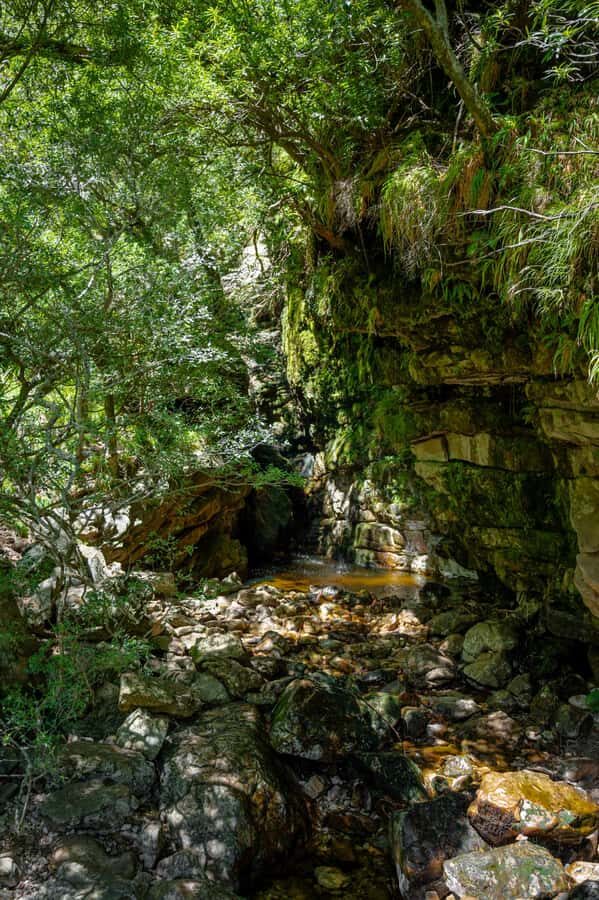
Book it if you want a guided day that lands you at a real waterfall pool, with enough structure to keep you safe and enough downtime to enjoy the setting. I’d especially recommend it if you’re the type who gets more out of a hike when someone points out local nature, keeps the pace friendly, and helps you reach the right waterfall based on conditions.
Skip or rethink it if your idea of hiking is flat, easy, and low-exposure. The route includes elevation gain around 340 m and can include some height exposure, plus you’ll need to pack for changing weather.
If you do book, come ready: closed shoes, a warm jacket, rain protection, and water plus snacks. And if the pool calls to you, pack swimwear. This is the kind of day where the effort pays off fast the moment the waterfall sound takes over.
FAQ
Where is the meeting point for the Jonkershoek tour?
The trail centre is opposite Lanzerac Hotel Deli. Turn left after entering at the main security gate and look out for the game vehicle.
How long does the tour take?
The experience runs for about 4 hours.
How far is the hike and how much elevation is involved?
The hike is described as approximately 10 km (6 miles) with an elevation gain of about 340 m. The total hiking time is usually 2 to 3 hours depending on fitness level.
Can I choose to hike only to the First Waterfall?
Yes. You may choose to hike to the First Waterfall only, described as an easy 3 km hike, with more time to relax in nature.
What happens if the weather does not allow reaching the Second Waterfall?
If weather does not permit reaching the Second Waterfall, you can hike to a lookout point instead.
What should I bring with me?
Bring swimwear (if you want to swim), a towel, snacks, water bottle, hiking shoes, comfortable clothes, a warm jacket, a rain jacket, and a daypack. Also pack a hat and sunscreen.
What kind of footwear and clothing is recommended?
Wear suitable clothes for walking and closed shoes.
Is the tour suitable for children?
It is not suitable for children under 8 years.
What language is the guide available in?
The live guide works in Afrikaans and English.
What is included in the price?
Included are the reserve entrance fee, transport in a safari vehicle from the reserve entrance to the trail head, transport back on the circular route to the entrance, and a registered mountain guide with Wilderness first aid qualification.