REVIEW · KHAYELITSHA
Khayelitsha: 3-Hour Township Walking Tour
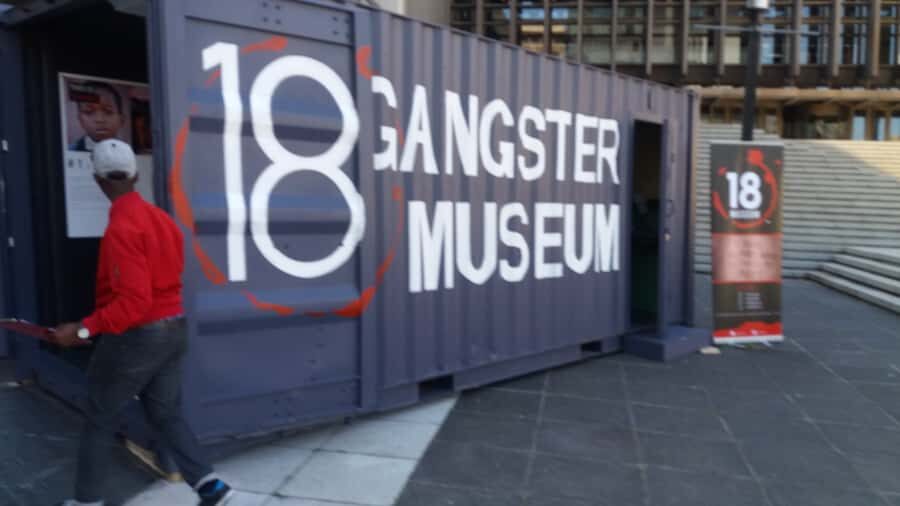
Book on GetYourGuide →Operated by 18 Gangster Museum · Bookable on GetYourGuide
Khayelitsha is not the kind of place you understand from a passing glance. This guided walk pairs big viewpoints with real, street-level meetings—so you leave with context and faces, not just photos. I especially like the way the guide frames what you’re seeing with clear history and community projects, and I love the relaxed stop at Sikis Coffee Shop where conversation feels natural. One thing to consider: the tour runs about 5 hours (even though the name says 3), and it includes walking plus bicycle and taxi time, so you’ll want comfortable stamina.
You also get structure without turning it into a classroom. You start on high ground, you work your way down into the township, and you’ll have chances to chat and ask questions in plain language. The group is kept small and private, with English-speaking guidance, and lunch is built in—so you’re not hunting for food while you’re trying to connect.
If you’re hoping for a purely scenic “sightseeing bus” day, this isn’t that. It’s more about people and projects, and it asks you to be respectful, present, and comfortable in an active community setting.
In This Review
- Key things you’ll notice on this Khayelitsha walking tour
- Why this Khayelitsha tour feels different from a typical half-day
- Starting at Lookout Hill: orientation and first views
- Practical tip
- Getting around: bicycle ride and township taxi (and why that’s smart)
- Walking the township with a guide who explains what you’re seeing
- A word of caution (the respectful kind)
- The new kindergarten stop: meeting locals and spending time with kids
- Bring the right mindset
- Sikis Coffee Shop: a story-led break that feels like more than caffeine
- Practical tip
- Khayelitsha Mall and an Our heritage site: everyday landmarks and identity
- What to watch for
- Leather craft market and the value of buying from makers
- Buying tip
- Lunch at Rands Cape Town Meat & Chakalaka, then a braai meat hotspot
- Why the timing works
- Price and logistics: is $29 good value?
- Who should find this price especially fair?
- Who this Khayelitsha walking tour suits best
- Should you book this Khayelitsha township walking tour?
- FAQ
- How long is the Khayelitsha 3-Hour Township Walking Tour?
- What does the tour cost?
- Where does the tour start?
- Where do you get dropped off?
- Is there an English-speaking guide?
- What activities and transportation are included?
- What stops are included during the tour?
- Is lunch included?
- Are large bags or luggage allowed?
- Is the tour wheelchair accessible?
Key things you’ll notice on this Khayelitsha walking tour
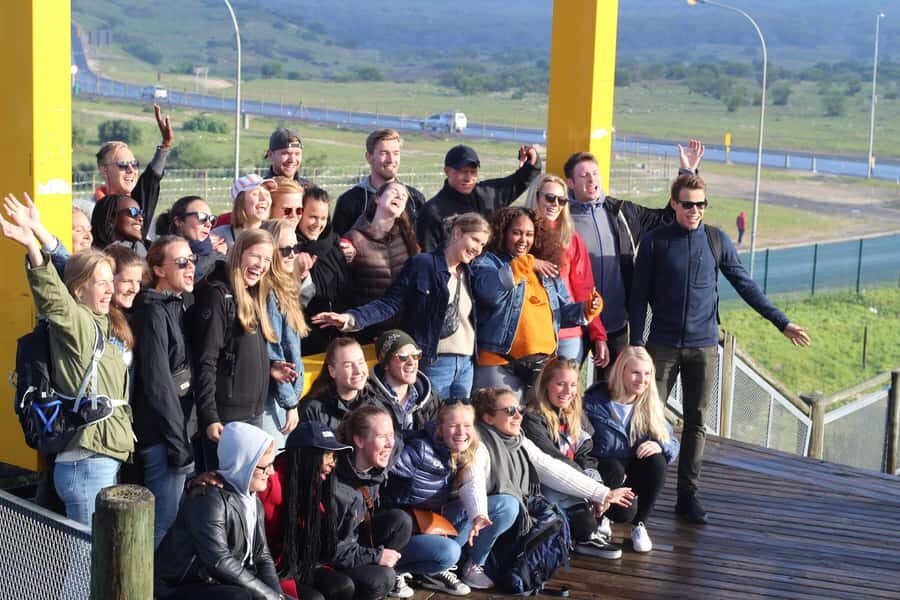
- Lookout Hill orientation first, so the whole township makes sense as you move through it
- Guided community history that helps you connect the dots instead of guessing
- Kindergarten visit where you can play and meet locals involved in the project
- Sikis Coffee Shop storytelling for a calmer, human pause
- Leather craft market stop that turns shopping into a conversation
- Lunch and a braai-style meat stop so you taste the day, not just see it
Why this Khayelitsha tour feels different from a typical half-day
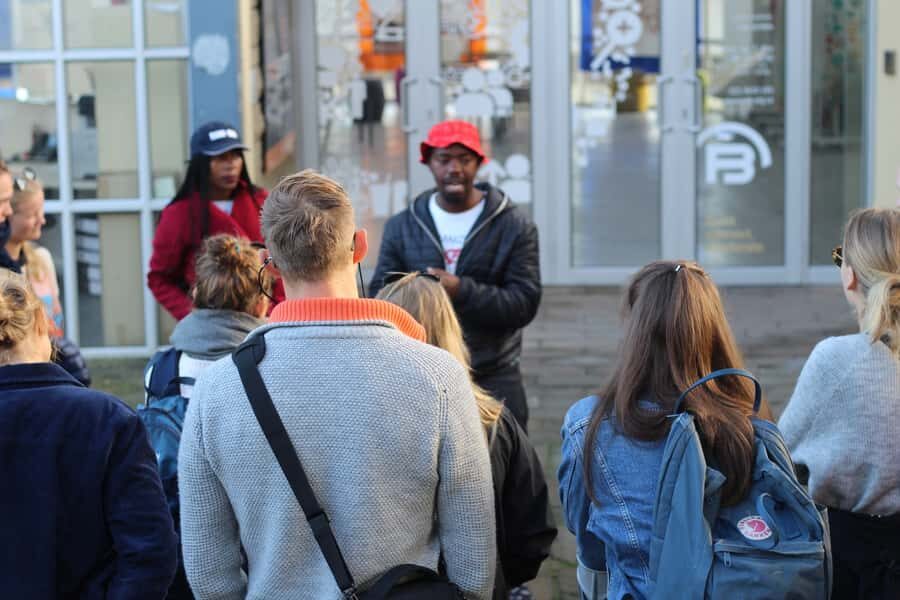
Khayelitsha can sound like a single story from afar. On this tour, you’re shown that it’s many stories at once—community work, local entrepreneurship, and the day-to-day reality of building a better future.
What makes the experience worth your time is the balance: you get a viewpoint early on (so you understand the geography), then you move through the township on foot and with local transport. That mix matters. Without the high-ground orientation, it’s easy to feel lost. Without the walking, it’s easy to feel like an observer. This tour tries to keep you in that middle space: learning and connecting.
I also like that it’s not just talk. You visit places tied to daily life—like a new kindergarten, a coffee shop, a craft market, and a local food stop—so you can see work in progress instead of relying on general statements.
Starting at Lookout Hill: orientation and first views

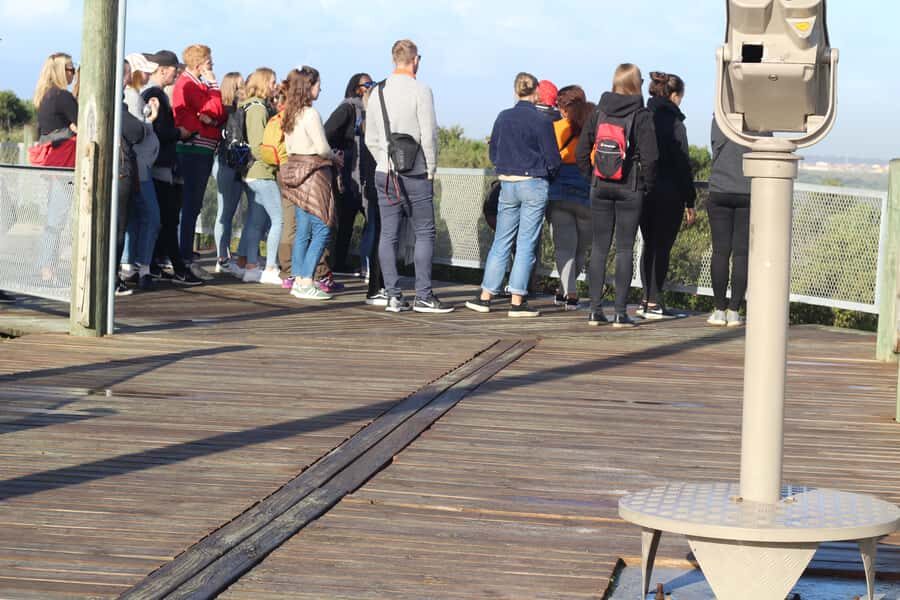
Your day begins on the summit of Lookout Hill in Khayelitsha, Cape Town. You may also see a second starting option listed at 18 Township Tours, but the meeting point centers on that hilltop. Either way, the vibe is the same: get your bearings fast.
Lookout Hill is the kind of start that helps you stop thinking in straight lines. From up there, you can take in the broad, panoramic layout of the area, and the guide’s explanation lands better because you can match words to what your eyes are seeing. It’s also a good moment to ask those early questions. Waiting until later is harder once the day is already moving.
Practical tip
Bring your eyes as much as your camera. You’ll understand more if you pause and look at how the township spreads across the view before you head down.
Getting around: bicycle ride and township taxi (and why that’s smart)
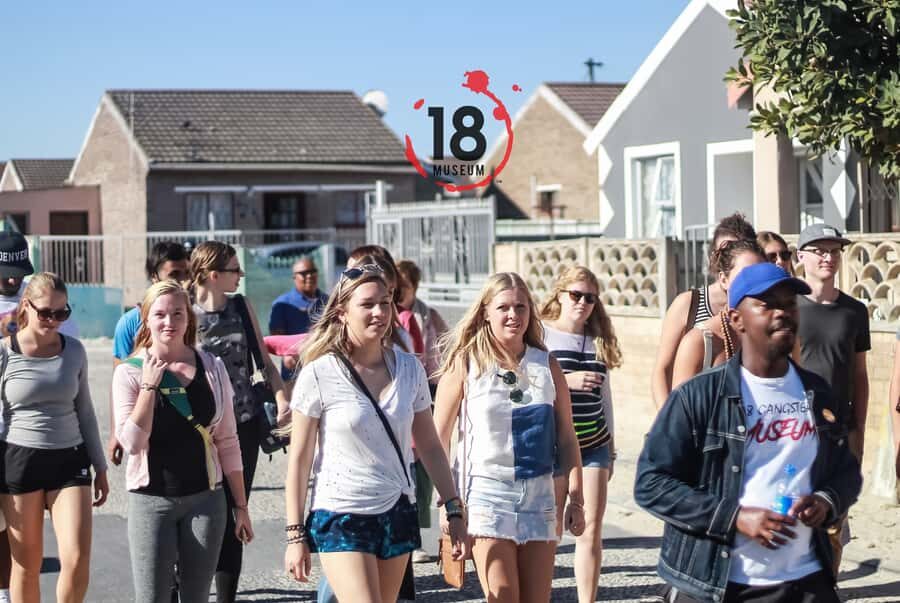
This tour includes both bicycle ride time and a township taxi ride. That’s not just for convenience—it affects how the day feels.
The bicycle portion helps you keep momentum without turning everything into long walking stretches. It also feels more “local movement” than a private car doing all the work. Then, when the route needs it, the taxi ride keeps the timing realistic and reduces the strain of covering every bit by foot.
If you’re someone who hates wasting time waiting around or zig-zagging between distant points, you’ll appreciate this setup. You still walk enough to feel connected, but you’re not punished for being a visitor.
Walking the township with a guide who explains what you’re seeing

Once you’re oriented, the tour turns into a guided walk around the informal settlement area. This is where the experience shifts from scenery to understanding.
You’ll have time to engage with locals and community projects and to connect one on one with people about change. That last part is important. “Change” can sound abstract until you’re hearing it in context: projects under way, skills being shared, and real efforts to create stability and opportunity.
You should also expect a pace that works for conversation. This isn’t a race through “the highlights.” The guide uses the route to teach—so you’re not just passing buildings and streets. You’re learning why places matter and how community efforts take shape.
A word of caution (the respectful kind)
You’ll be stepping into an active neighborhood, not a staged attraction. Keep your interactions considerate, follow the guide’s cues, and remember that the people around you are living their normal day—not performing for a photo.
The new kindergarten stop: meeting locals and spending time with kids
One of the most heart-forward parts of the day is the visit to the township’s new kindergarten. You’ll meet locals involved and have a chance to play with the kids.
This stop matters for two reasons. First, it connects you to future-focused work—education and early support. Second, it gives you a different kind of understanding than viewpoints and market stops can provide. You’re seeing the human engine of the community project, not just hearing about it.
It’s also a moment that changes the tone of the tour. The day becomes less about observing and more about sharing attention. If you can stay calm and genuinely present, you’ll get a far better experience than if you treat it like a quick stop.
Bring the right mindset
You don’t need to be an expert with kids. You just need to be kind, patient, and ready to be guided on how to interact appropriately.
Sikis Coffee Shop: a story-led break that feels like more than caffeine

After the kindergarten visit, you’ll stop at Sikis Coffee Shop. This is described as a nice coffee stop with story telling, and that’s exactly what makes it valuable.
Food and drink breaks on tours can feel like a tourist pause. Here, the goal is different: coffee becomes a way to slow down, ask questions, and hear stories in a setting that feels local and calm.
If you’ve ever done a packed tour where you’re too busy to reflect, this kind of stop helps. It gives your brain time to process the history and the conversations, and it helps you ask follow-up questions while your understanding is fresh.
Practical tip
Use the coffee break to check your assumptions. If something you saw earlier didn’t make sense, this is the moment to ask the guide what you missed.
Khayelitsha Mall and an Our heritage site: everyday landmarks and identity
Later, the tour includes a stop at Khayelitsha Mall and an Our heritage site. This combo is interesting because it shifts the day from “projects” to “places people use.”
A mall sounds like a generic stop on paper, but in practice it can help you understand modern rhythms—where people shop, connect, and move through daily life. Pair that with a heritage stop, and you get a stronger sense of identity and continuity.
What to watch for
Pay attention to what feels familiar versus what feels different. You’re not looking for a checklist of attractions. You’re looking for how people blend current life with cultural memory, all in the same neighborhood.
Leather craft market and the value of buying from makers

The tour includes a stop at a leather craft market. This is one of those stops where you can do more than browse.
Handmade goods aren’t just souvenirs. When you buy directly from craft sellers, you support skills and small businesses, and you also get the chance to talk about materials, design, and the work behind each piece.
If you’re interested in ethical travel habits, this is the kind of stop that makes them practical. It’s also a good way to bring home something with a story attached, not just something stamped with a location name.
Buying tip
Go in with curiosity, not pressure. Ask what the item is made from and how long it takes to make. That simple conversation often becomes the best part of shopping here.
Lunch at Rands Cape Town Meat & Chakalaka, then a braai meat hotspot
You’ll have lunch at Rands Cape Town Meat & Chakalaka. Food on a township tour isn’t a side quest—it’s part of local social life and a solid way to experience flavors you might not try otherwise.
After lunch, there’s also a final stop at a highly recommended braai meat shop. It’s described as a local hotspot known as the best in Rands Cape Town. Even without chasing the superlative label, it’s a smart way to end the day: braai-style food is communal, relaxed, and easy to enjoy after hours of walking and conversation.
Why the timing works
Eating later in the tour means you’ve already built enough context that the meal doesn’t feel like an interruption. It becomes the payoff.
Price and logistics: is $29 good value?
At $29 per person, this tour can feel like a bargain—mainly because so much is folded in.
You’re getting:
- sightseeing tour with a live English guide
- bicycle ride time and a township taxi ride
- lunch
- entry fees
And it’s a private group, which often means you get more interaction and less crowd-management stress than big-group tours.
The main “logistics reality check” is that the tour is listed as 5 hours. If you were budgeting your day thinking it’s only a short 3-hour block, plan for a longer half-day.
Also note what you should bring: comfortable shoes, and you should be comfortable riding bicycles since that’s included. No luggage or large bags are allowed, so travel light.
Who should find this price especially fair?
If you want a guided experience that includes local transport, lunch, and entry fees (instead of piecing it together yourself), this is designed to be easy and cost-effective.
Who this Khayelitsha walking tour suits best
This works best if you:
- want real interaction and community projects, not just a photo safari
- like guided explanations and prefer to ask questions as you go
- enjoy a structured route that starts with viewpoints and ends with food
- want an English-speaking guide and a private-group feel
It may not be the best fit if you need a quiet, low-interaction tour with minimal walking. You’ll be meeting locals and spending meaningful time at community-focused stops like the kindergarten and coffee shop.
That said, the experience is described as wheelchair accessible, so it can be a good option to consider if mobility is part of your planning. As always, you’ll want to wear shoes that work well on uneven ground.
Should you book this Khayelitsha township walking tour?
I’d book it if you want more than surface-level sightseeing. The best part of the day is the combination: Lookout Hill for orientation, then community stops that connect history to real life—kindergarten time, Sikis coffee stories, craft market conversations, and then lunch plus a braai ending.
Skip it only if you’re looking for a short, mostly scenic outing with minimal engagement. This is a human tour with context. Done well, it changes how you look at Khayelitsha in your head—and in your photos.
FAQ
How long is the Khayelitsha 3-Hour Township Walking Tour?
The duration is listed as 5 hours.
What does the tour cost?
It costs $29 per person.
Where does the tour start?
It starts on the summit of Lookout Hill, Khayelitsha, Cape Town. A second starting option is listed at 18 Township Tours.
Where do you get dropped off?
Drop-off locations are listed as 18 Township Tours and Lookout Hill.
Is there an English-speaking guide?
Yes, the live tour guide is English-speaking.
What activities and transportation are included?
The tour includes a sightseeing tour, a bicycle ride, and a township taxi ride.
What stops are included during the tour?
The tour includes Lookout Hill, a kindergarten visit, Sikis Coffee Shop, Khayelitsha Mall, an Our heritage site, a leather craft market, lunch at Rands Cape Town Meat & Chakalaka, and a recommended braai meat shop.
Is lunch included?
Yes, lunch is included at Rands Cape Town Meat & Chakalaka.
Are large bags or luggage allowed?
No, luggage or large bags are not allowed.
Is the tour wheelchair accessible?
Yes, it is listed as wheelchair accessible.