REVIEW · MKHOMAZI WILDERNESS AREA
Lesotho: Sani Pass Scenic Day Trip w/ Village Visit & Lunch
Book on GetYourGuide →Operated by Drakensberg Adventures · Bookable on GetYourGuide
Sani Pass is all switchbacks and sky. This full-day 4×4 trip up the Drakensberg with a crossing into Lesotho is interesting because it mixes serious mountain scenery with real, everyday Basotho life. You’ll spend the day on Sani Pass and then climb higher for panoramic viewpoints.
I love that the tour is built around more than just driving: you get a Basotho village visit plus a traditional lunch that fits the rhythm of shepherding life at altitude. I also really like how hands-on the shearing stop can be when it’s in season, with a view into how people work with sheep and angora goats.
One drawback to keep in mind: this is an adventure-focused 4×4 day. The ride is mainly about the route (and the grades), so you should expect basic comfort rather than a cushy cruise.
In This Review
- Key things you’ll remember
- Why the Sani Pass route is a big deal in the Drakensberg
- The Landrover ride and how to handle 8 hours of mountain time
- Crossing into Lesotho: Basotho village household time
- Traditional lunch and shearing shed: sheep and angora goats
- Black Mountain Pass panoramas and the Thabana Ntlenyana viewpoint
- Price, value, and the community tourism piece
- What can make this day feel better (or not)
- Should you book this Sani Pass day trip?
- FAQ
- How long is the Sani Pass day trip?
- Where does the tour start?
- How much does it cost?
- What’s included in the tour price?
- What should I bring?
- Do I need a visa to enter Lesotho?
- What’s not included?
Key things you’ll remember
- Sani Pass switchbacks on the only vehicle route over the Drakensberg escarpment into Lesotho
- Basotho village household visit focused on respectful learning about daily mountain life
- Traditional lunch included, timed into the day so it feels like part of the visit
- Shearing shed viewing with sheep or angora goats when seasonal conditions line up
- Black Mountain Pass viewpoints and a short walk toward Thabana Ntlenyana on clear days
- Community tourism contribution built into the price for the Sani Top Basotho community
Why the Sani Pass route is a big deal in the Drakensberg
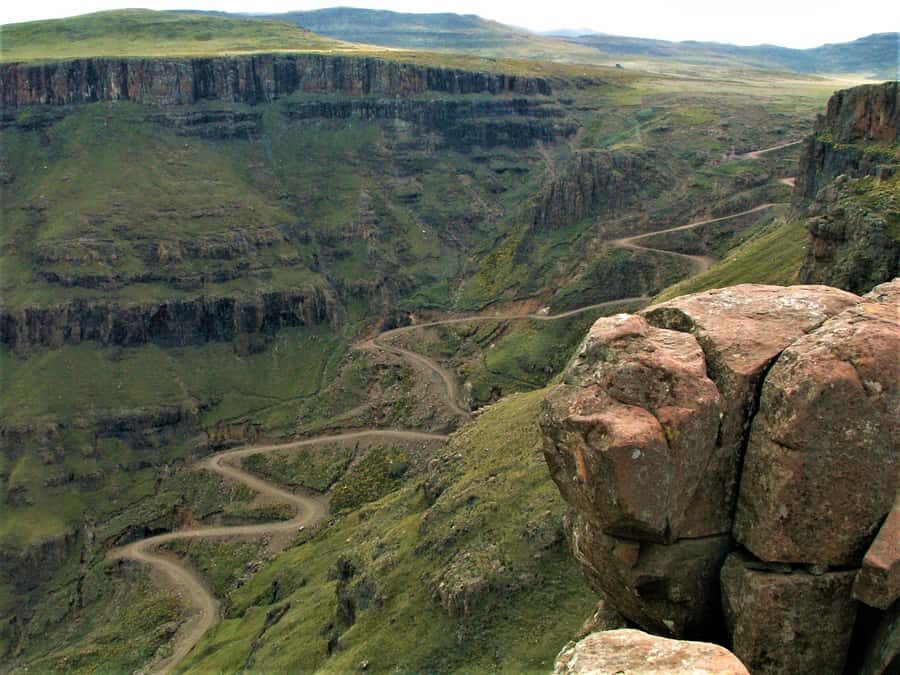
Sani Pass is the only vehicle route over the Drakensberg escarpment that continues into Lesotho. You’re not just going uphill for a pretty view. You’re traveling a route with a purpose that shaped the region: before the 1950s, it was a pack-animal trail used to move goods to the isolated town of Mokhotlong in eastern Lesotho.
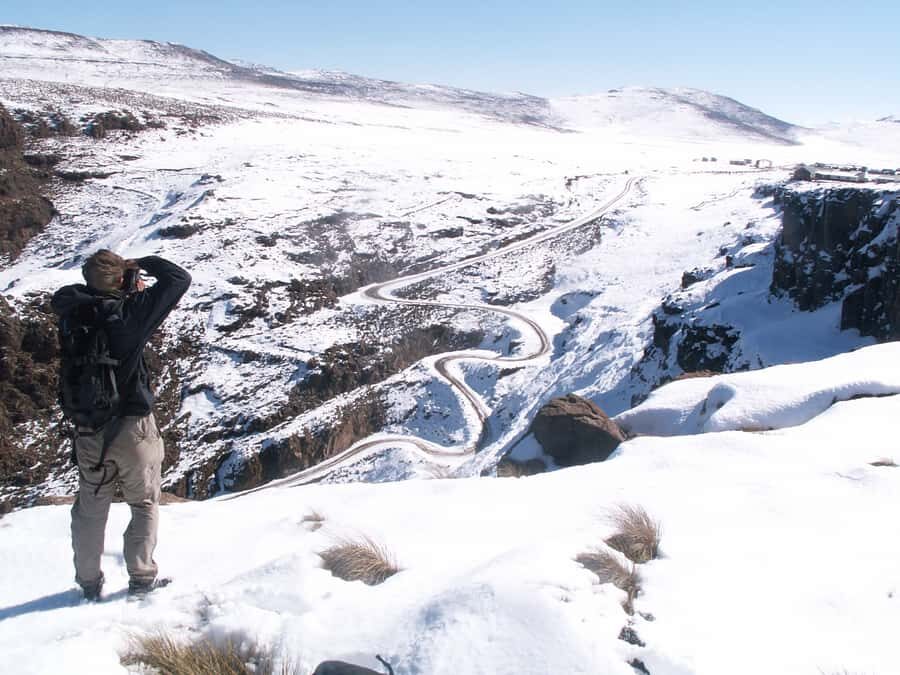
On today’s trip, you’ll follow the same reality, just with Landrovers instead of mules. The road climbs to about 2874m on Sani Pass and then keeps rising as the route works its way toward even higher points. The track itself is dramatic: rocky cliffs, sharp turns, and a gradient described as 1:5 with 180-degree switchback bends. That’s steep enough that you’ll feel like the day is really about the mountain, not a quick scenic stop.
And you might see the old world living alongside the new. Even now, you can still spot donkeys and horses moving slowly up the pass, like they’re doing their daily job while engines do theirs.
The Landrover ride and how to handle 8 hours of mountain time
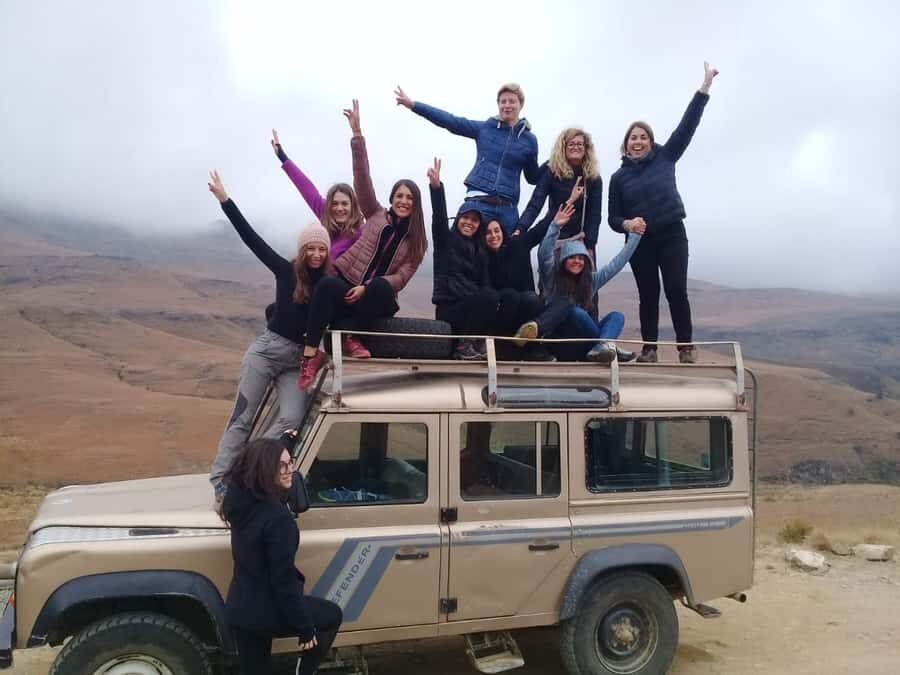
This is an 8-hour day trip with live English guiding, mostly aboard closed 9-seater Landrovers. The emphasis is on getting you there and sharing what you’re looking at, not on luxury. If you’re the type who cares most about comfort and you hate rough-road days, this may not be your favorite format.
But if you like active travel, you’ll probably enjoy how direct it feels. The vehicle is the right choice for the job, since Sani Pass is basically built for 4×4 travel through rocky terrain. A closed Landrover also helps when weather shifts fast, which is part of mountain travel in general.
I’d pack for changeable conditions even if the forecast looks friendly. Bring warm clothing because you’re climbing to high elevations during the day. Add rain gear too, because clouds can roll in, and the road environment is exposed. The trip also asks you to bring your passport since you’ll cross a border into Lesotho.
One other practical note: you’re visiting at different elevations, and the top-of-pass feel can be cooler and sharper than you expect. You don’t need a technical explanation to take this seriously; just dress like the temperature can drop and you’ll stay comfortable.
Crossing into Lesotho: Basotho village household time
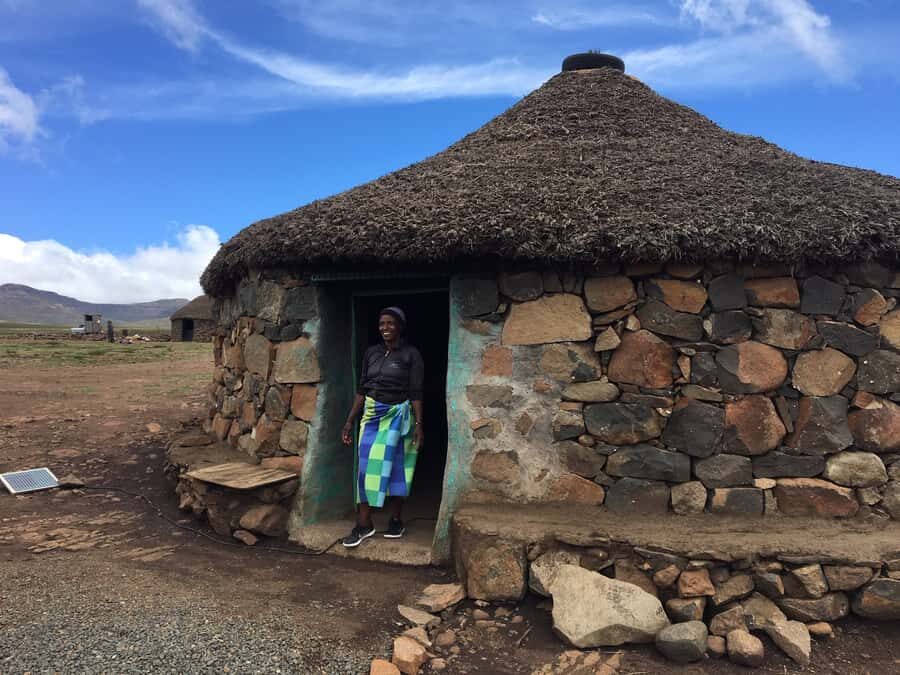
The moment you cross the border at the top of the pass, the tone of the day changes. You’re not only entering another country; you’re entering the mountain Kingdom of Lesotho where shepherd life shapes the landscape and the schedule.
Your stop is a household visit in a small shepherd’s village. The focus is on respectful engagement with the Basotho people, so it’s less about shopping and more about meeting real families and understanding how altitude and weather influence daily routines. You’ll learn through conversation and observation rather than through a lecture-only approach.
This part is valuable for a simple reason: you get context. After hours of switchbacks and dramatic views, it helps to see the human side of why people live and work where they do. Shepherding isn’t a theme. It’s the job that keeps communities steady during the seasons, especially in the highlands.
If you’re the type who likes travel that feels grounded, this household visit does that. It’s also where your guide’s communication matters most, since cultural sensitivity isn’t something you can fake.
Traditional lunch and shearing shed: sheep and angora goats
Lunch is included, and it’s timed right after the village visit so the day stays coherent. When a meal is built into the flow like this, it doesn’t feel like an “add-on” between sights. It feels like part of the visit itself.
Then comes the shearing shed visit, which is especially interesting because it’s seasonal. When it’s in season, you can watch hand-shearing of sheep and angora goats. Even if you’ve seen animals before, a shearing shed is different: you’re seeing a working process that connects farming to daily survival and livelihood.
Hand-shearing also makes the experience feel real because it’s not a staged demo detached from the year. It’s tied to timing, weather, and readiness. That means you should go in with a flexible mindset: if it’s not the right season for every activity, the stop still centers on the local practice and the people behind it.
This is one of those moments where the scenery stops being the main event. The focus shifts to craft, labor, and know-how. That shift is why this tour works well as a day-trip experience instead of just a scenic drive.
Black Mountain Pass panoramas and the Thabana Ntlenyana viewpoint
After lunch and the shearing shed, you continue with an ascent of Black Mountain Pass, reaching around 3240m. This is the second highest road pass in Lesotho, and the big payoff is the views. The route is described as offering 360-degree panoramic perspectives, so you’re likely to get that open, wide-angle mountain feeling that’s hard to replicate elsewhere.
At this altitude, you may see shepherds dressed traditionally in blankets. It’s a reminder that highland travel isn’t about empty wilderness. People are there, moving with the seasons, and their clothing reflects what keeps them comfortable while they work.
Next is a short walk to a viewpoint. On a clear day, it’s possible to see Thabana Ntlenyana, listed as the highest point in Southern Africa at 3482m. Because it’s a visibility-dependent view, treat it like a bonus you’re trying for, not a guarantee. Cloud cover can spoil sightlines, but clear days make the effort worth it.
When the day has been full of switchbacks, the walk at the end feels like the payoff. You stop moving for a moment and let the scale sink in: cliffs below, ridges stretching out, and a sense that you’ve climbed into the heart of the region.
Price, value, and the community tourism piece
The price is $92 per person for an 8-hour tour, and I think the best way to judge value here is by what’s actually included. You’re paying for transportation up and over one of the signature 4×4 routes, a guided experience in English, a traditional lunch, and community-linked access that goes beyond just watching from a distance.
What sets this tour apart is the community tourism contribution. Your tour price includes an amount that supports the Sani Top Basotho community. The idea is grass-roots tourism where the community gets fair remuneration for services, and cultural dignity stays central. In practical terms, that can mean more direct benefit to local people rather than everything being captured by outside costs.
There’s also a credibility marker tied to the provider’s broader approach: Sani Lodge is described as the Silver Award Winner of the African Responsible Tourism Award for Poverty Reduction (2018). That doesn’t automatically make a single tour perfect, but it helps explain why the experience is structured around household visits and local participation instead of just scenery stops.
Pricing also has a group-size logic. The tour cost can be cheaper when group size is 3 or more, and it makes sense for individuals to join existing tours if possible. That matters for value because you’ll get the same core route and activities, just with pricing that can be adjusted by the number of seats.
What can make this day feel better (or not)
A good day on Sani Pass isn’t just about the road. It’s about how you show up. Start with the basics:
- Bring your passport for the Lesotho border crossing.
- Wear warm layers; the altitude climb can surprise you.
- Add rain gear; weather shifts in mountain regions.
- Bring some cash since South African rands are accepted in Lesotho and there may be craft items you can buy.
- Don’t rely on included drinks at the Highest Pub in Africa, since drinks there are listed as not included.
It also helps to manage expectations about comfort. The Landrover format is chosen for the track, not for luxury. If you’re hoping for a smooth, cushy ride, you may feel the road’s reality. If you can handle a rugged vehicle day, you’ll likely feel more engaged with the route.
Guide quality can also shape your experience. The guiding team is described as experienced and passionate about Sani Pass and Lesotho, and that matches what you want on steep, high-elevation roads where stories, safety awareness, and timing matter. Names you might hear include Dean as a warm, excellent guide, and on some days you may travel with a team like Uli and Gabi.
Finally, give yourself a mental buffer for the timing of visibility at the viewpoint. Clear skies help with seeing Thabana Ntlenyana. If clouds move in, the viewpoints still matter, but the specific sightline may change.
Should you book this Sani Pass day trip?
I’d book this if you want a day that blends serious mountain driving with real cultural contact. It’s not just a photo stop: the village household visit, lunch, and shearing shed make the day feel like more than a road trip. The community contribution built into the price is also a reason to feel good about where your money goes.
I wouldn’t book it if you strongly prefer comfort over adventure, or if you’re looking for a purely relaxed sightseeing schedule with minimal driving time. The route is the point here, and it’s a steep, high-elevation track.
If you’re traveling through KwaZulu-Natal and you want a signature experience that’s both scenic and human-scale, this is a solid pick. You’ll come away with mountain views at high altitude and a clearer picture of Basotho shepherd life that you can’t get from looking at a map alone.
FAQ
How long is the Sani Pass day trip?
The tour duration is 8 hours.
Where does the tour start?
You should park in the Lodge carpark and then go to the Reception office for the meeting point.
How much does it cost?
The price is $92 per person.
What’s included in the tour price?
The tour includes a traditional Basotho lunch and a community contribution in Lesotho.
What should I bring?
Bring your passport, warm clothing, rain gear, and cash.
Do I need a visa to enter Lesotho?
Some nationalities require visas for Lesotho, so you should check before you book. The data provided says North America, Western Europe, South Africa, Israel, Australia, and New Zealand do not need visas.
What’s not included?
A drink at the Highest Pub in Africa is not included. Craft items you might find for sale are also not included, and you should bring some cash for those purchases.