REVIEW · MALELANE
Malelane & Komatipoort: Kruger National Park Half-Day Safari
Book on GetYourGuide →Operated by Legend Safaris · Bookable on GetYourGuide
Kruger before sunrise hits different. You’re heading out early in a luxury open safari vehicle with guides who genuinely work hard to find animals, including standouts like Tracy and Bradley. If you want a super-quiet vibe, think about timing, because weekends can feel more family-heavy.
What I like most is the combination of a spacious open vehicle (so you can see and shoot without fighting for position) and the guide’s focus on wildlife you actually want to see. The trade-off is simple: you’ll be up early, so sleep matters more than you expect.
You’ll drive into Kruger via the Malelane or Crocodile Bridge area, with a breakfast stop along the way and plenty of time looking for Big Five moments plus predators like cheetah and African wild dog. And yes, this is built around comfort—bottled water is included, and pickup/drop-off is part of the deal.
In This Review
- Key highlights that matter
- Malelane vs Crocodile Bridge: how the entry area shapes your morning
- Pickup at 5:00 or 5:30: what the 7 hours actually feels like
- Luxury open safari vehicle: comfort that still keeps the view wide
- The flow of the day: gate entry, breakfast timing, and rest stops
- Big Five chances, plus cheetah and African wild dog hunting
- How to actually get more from the drive (without stressing)
- Price and value: is $80 worth it?
- Who this Kruger half-day safari suits best
- Should you book the Malelane & Komatipoort half-day Kruger safari?
- FAQ
- What time does the safari pick up in Malelane and Komatipoort?
- How long is the safari experience?
- Is breakfast included?
- What’s included in the price?
- Will I have a live guide, and what language do they speak?
- Can I be picked up or meet the group at the park entrance gate?
- Is the tour wheelchair accessible?
Key highlights that matter
- Early departures timed for animal movement (5:00 a.m. Oct–Mar, 5:30 a.m. Apr–Sep)
- Open vehicle comfort with big viewing windows and room to spread out
- Two entry options: Malelane or Crocodile Bridge to match road access and sightings
- Big Five focus, plus extra predator searching like cheetah and African wild dog
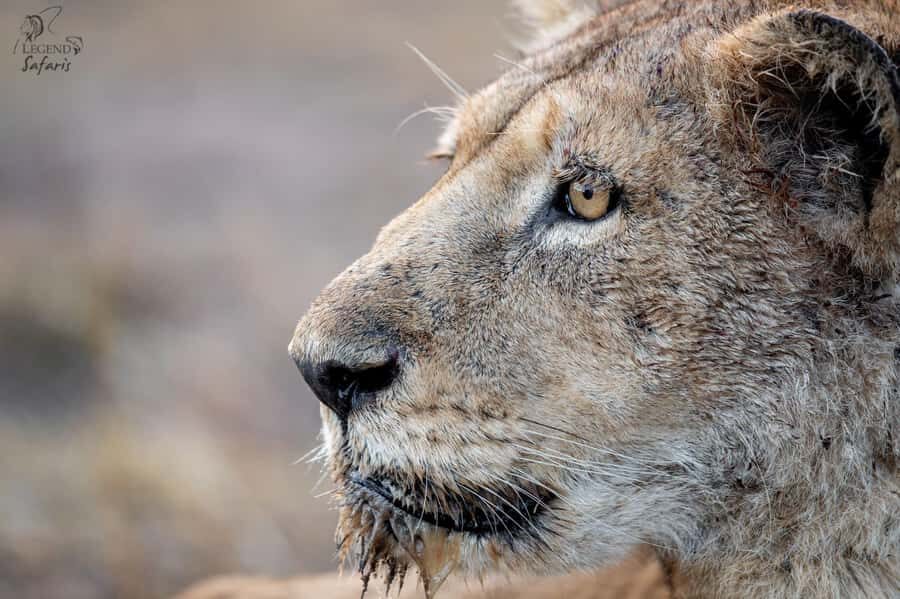
- Real guide energy (examples include Tracy spotting leopards, Bradley’s strong fauna and flora knowledge)
Malelane vs Crocodile Bridge: how the entry area shapes your morning
This half-day safari is designed around getting you into Kruger at the right time and from the right side of the park. From Malelane and Komatipoort, you’ll typically route toward either the Malelane entry area or the Crocodile Bridge area, and that choice can influence what you’re likely to encounter simply because of where the roads and animal activity tend to cluster.
Here’s how I think about it when you’re choosing plans: you’re not doing a multi-day circuit where you can “cover everything.” You’re doing a focused push for sightings. That means the entry area matters because it determines the driving path you’ll follow for those key first hours in the park.
You also have an option to be met at the entry gate. If you’re already in the right area (or you’re coordinating with another plan), this can save time and reduce backtracking. Either way, you’ll be exiting the park at the end of the drive and returning to accommodation or the gate.
A few more Malelane tours and experiences worth a look
Pickup at 5:00 or 5:30: what the 7 hours actually feels like
The official duration is listed as 7 hours, but the safari driving time inside the park is described as about 6 hours. In real life, that difference usually shows up as transfer time, entry/exit pacing, and that about-1-hour breakfast stop.
Start times depend on the season:
- 5:00 a.m. for October through March
- 5:30 a.m. for April through September
Why that matters: dawn is when a lot of animals are most active, and you also want to beat the day’s heat. You’ll spend your first big viewing chunk when wildlife is more likely to move between feeding and resting areas.
If you’re the kind of person who does best when plans are clear, you’ll probably enjoy this format. It’s structured: pickup, park entry, steady drive and stops, then you’re back out. No confusing changes mid-day.
And one more practical note: bottled water is included. Kruger can get dry and bright, so it’s worth drinking throughout rather than chugging only when you feel thirsty.
Luxury open safari vehicle: comfort that still keeps the view wide
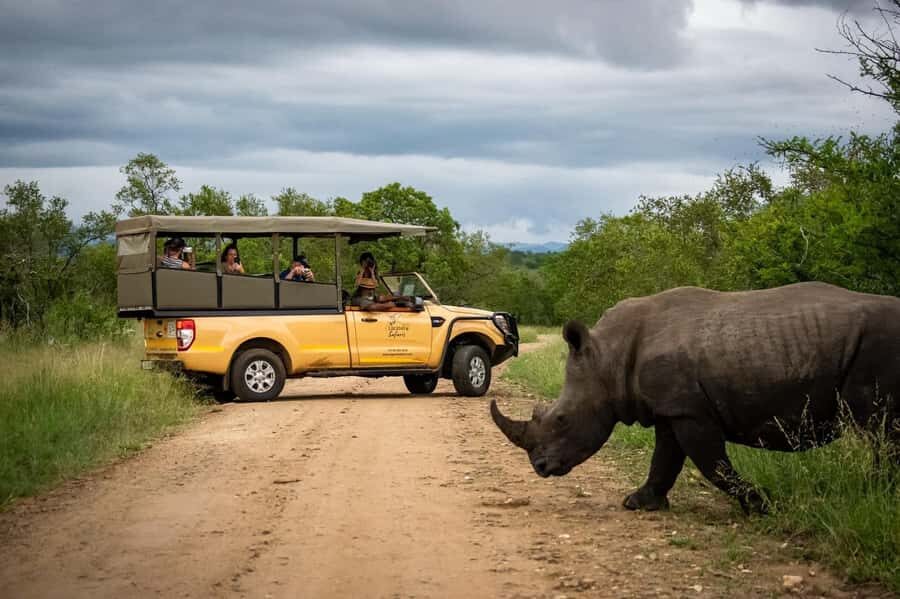
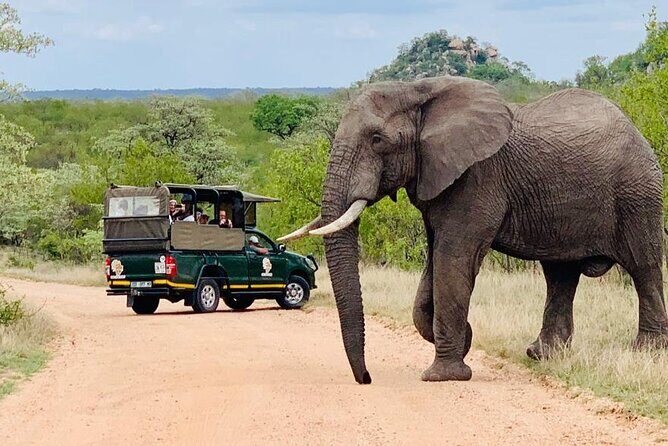
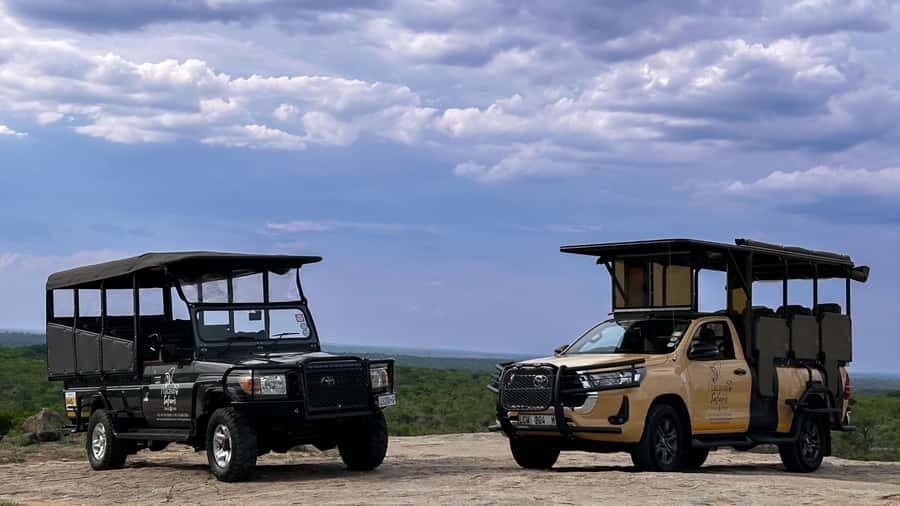
This is one of the strongest selling points. You’re not riding in a cramped vehicle where you spend half your attention fighting for a seat. The safari is on a luxury and spacious open safari vehicle, which gives you better sightlines for scanning trees, grass edges, and open plains.
Open-vehicle riding is also where photos can go either way. When you’ve got room and stable positioning, you can track animals as they move without constantly losing your framing. If you’re traveling with camera gear, that comfort helps.
Look at it like this: you’re paying for time in the park, and the vehicle is part of how that time works. A good guide and a good ride don’t just feel nicer. They change what you’re able to see and how quickly you can respond when the action starts.
The flow of the day: gate entry, breakfast timing, and rest stops
After pickup in Malelane, Komatipoort, and nearby areas, the plan is to drive to the Kruger entry gate (Malelane or Crocodile Bridge). Then you’re out searching for animals as the morning unfolds.
There’s a breakfast stop for about 1 hour. Meals during that stop are for your account unless you’ve arranged something else ahead of time. For me, this is a fair setup: breakfast is part of the rhythm, but you can choose what you want to eat rather than being locked into a set menu.
During the drive, you’ll also have chances to pause at picnic spots. These stops serve two purposes:
1) a quick reset for legs and attention
2) a chance to top up on supplies you might want later (like water snacks)
You may also be able to purchase curios and mementos at these rest stops. It’s a nice option if you want a small, local memory without turning the safari into a shopping trip.
Big Five chances, plus cheetah and African wild dog hunting
Most Kruger safaris talk Big Five. The difference here is that you’re not just chasing one label. You’re actively looking for Big Five animals, and the hunt also includes other wildlife you’ll be excited about—specifically cheetah and African wild dog.
That matters because cheetah and wild dog sightings tend to be more unpredictable. When a guide is paying close attention, they’re constantly weighing cues: where animals were seen, what the tracks suggest, and what habitat looks promising at that exact time of day. You may not see everything, but good guidance increases your odds of at least landing a couple of memorable surprises.
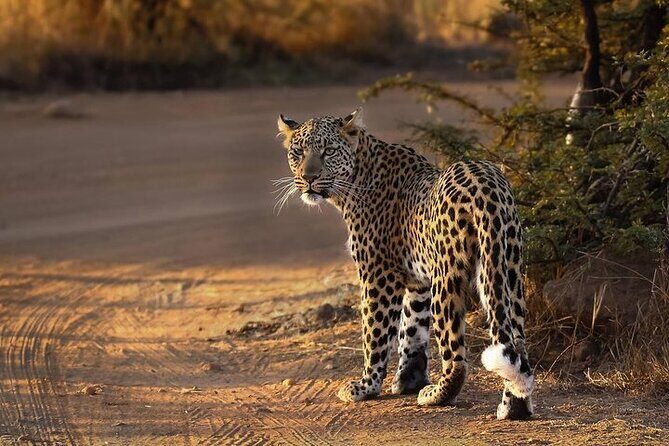
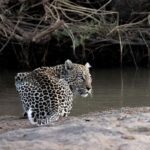
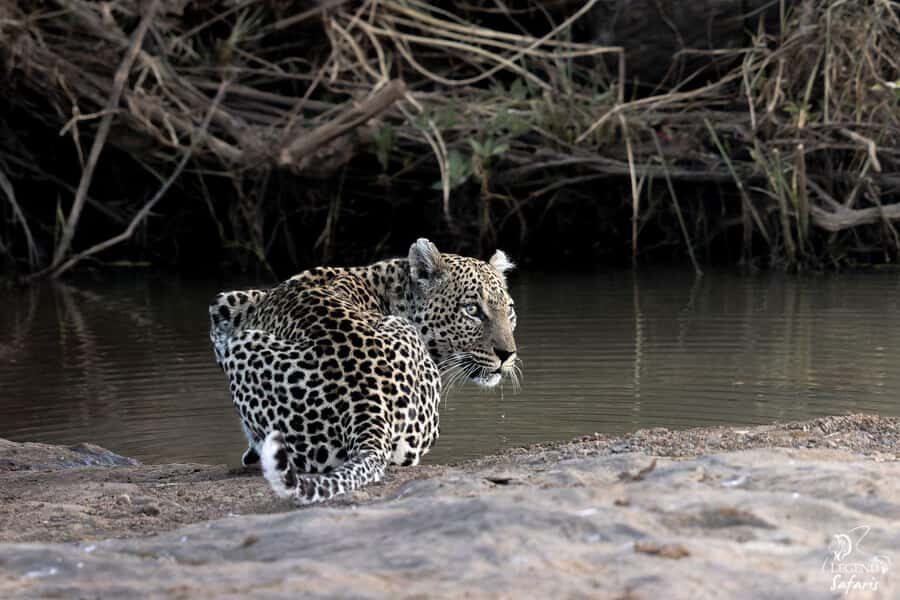
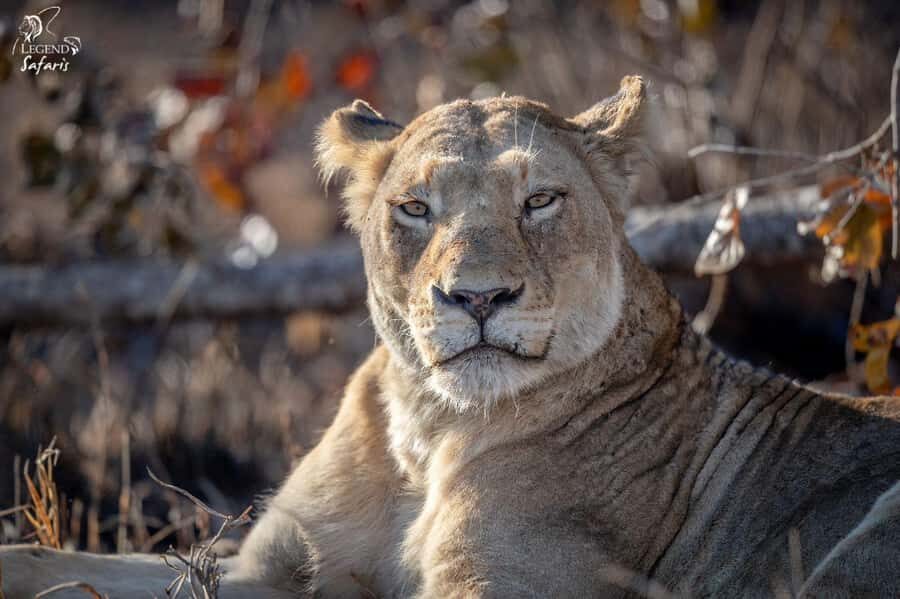
In past experiences with this operator, guides have been credited with strong spotting. Names that came up include Tracy, who was praised for finding leopards, and Bradley, noted for great knowledge of fauna and flora. Another guide mentioned was Valencia.
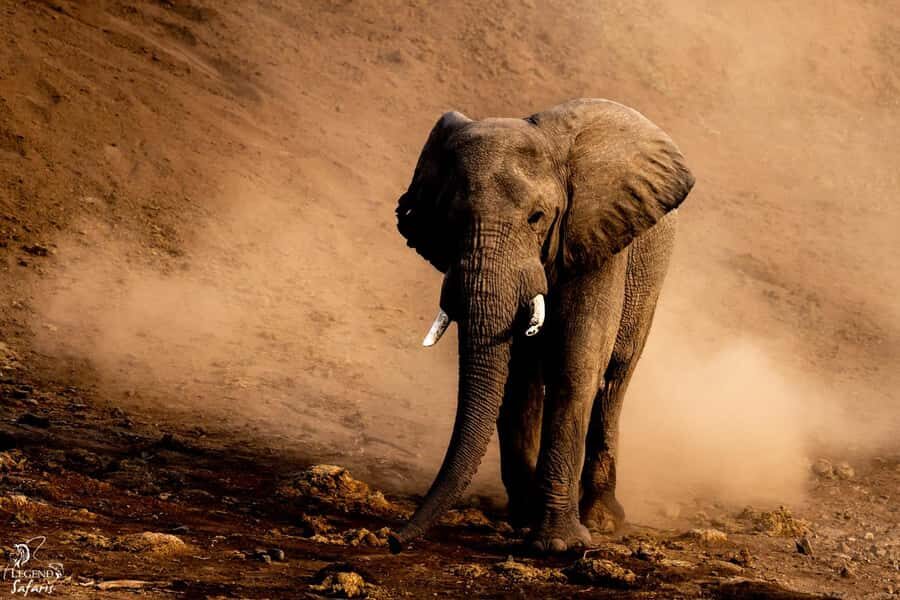
Also, if elephants are on your wish list, you’re in the right place. One guide-led highlight was seeing lots of elephants, which is exactly the kind of “extra” moment you want when you’re only doing a half-day.
How to actually get more from the drive (without stressing)
A safari isn’t just about being in the right park. It’s about how you watch. Here’s what I’d do to make your half-day count:
- Scan in layers: horizon first, then mid-ground, then the edges of brush. Many animals choose cover until they feel safe.
- Watch for stillness: when the vehicle slows, don’t immediately look only where the guide points. Look around that point too. Animals rarely announce themselves neatly.
- Be ready to change focus fast: predators can appear suddenly, and a good guide will shift attention quickly.
- Drink water and keep your senses sharp: the day can feel long when you start before sunrise.
One reason I like this tour style is that it stays flexible. You’re not stuck in a rigid “drive to X spot then back” pattern. You’re out searching, and the guide’s job is to connect sightings to real movement in the bush.
Price and value: is $80 worth it?
At about $80 per person, this is not a premium luxury package, but it is priced as a guided, transport-included wildlife outing with early gate access and a professional English guide. The value comes from three practical things:
1) You’re getting pickup and drop-off from Malelane, Komatipoort, and surrounding areas, plus options connected to the entry gates. That saves time and hassle.
2) You’re buying time in the park rather than just a quick drive. Half-day means fewer hours than a full-day safari, but it’s still a real wildlife search window.
3) You’re paying for a guide whose job is spotting and interpreting. When guides like Tracy or Bradley do their work well, the payoff is animals you might not notice on your own.
Where cost can matter for your planning: meals aren’t included at the breakfast stop. So budget a bit extra for food, snacks, or anything you want to add while you’re out. If you’re traveling as a group, planning who brings what can keep the total trip cost from creeping upward.
Who this Kruger half-day safari suits best
This tour fits best if you want:
- a short, high-energy safari rather than a full-day plan
- a comfortable vehicle and guided animal-spotting focus
- a morning schedule that gets you back to your accommodation by the afternoon
It’s also a good option if you’re staying in Malelane or Komatipoort and want a structured route into Kruger without arranging your own transport.
Accessibility note: the activity is listed as wheelchair accessible, and pickup is included from your lobby or chalet. If you or someone in your group uses a wheelchair, I’d treat it as a question worth confirming directly with the operator before you go, but it is stated as accessible in the offering.
One more timing thought: the safari is popular, and some people prefer quieter conditions. If you’re traveling on a weekend and you’re sensitive to noise or a busier atmosphere, consider that when choosing your day.
Should you book the Malelane & Komatipoort half-day Kruger safari?
I’d book it if you want a guided, comfortable Kruger outing that prioritizes real animal searching, not just scenic driving. The combination of early start, open-vehicle viewing, and an English-speaking guide who actively looks for sightings is exactly what makes a half-day feel worthwhile.
You might skip it (or adjust expectations) if your priority is a slow, unstructured day or if you strongly dislike early mornings and busier weekend energy. In that case, you may prefer a quieter day or a longer safari so you’re not “rushing the clock.”
If you do book: bring a light layer for the early hours, wear sun protection, and be ready to scan far and fast. When the guide calls something out, you’ll get more from that moment—because you’re already watching the whole scene.
FAQ
What time does the safari pick up in Malelane and Komatipoort?
Pickup is at 5:00 a.m. from October to March, and at 5:30 a.m. from April to September.
How long is the safari experience?
The duration is listed as 7 hours, with about 6 hours described as driving into the park, plus time for stops.
Is breakfast included?
There is a breakfast stop of about 1 hour, but meals are for your account unless pre-arrangements have been made.
What’s included in the price?
Included items are bottled water, a professional guide, hotel pickup and drop-off in Malelane and Komatipoort (and surrounding areas), plus pickup/drop-off at Malelane and Crocodile Bridge entry gates and from designated meeting points.
Will I have a live guide, and what language do they speak?
Yes, there is a live tour guide, and the tour is in English.
Can I be picked up or meet the group at the park entrance gate?
Yes. You can be met at either the Malelane or Crocodile Bridge entry gate, and pickup/drop-off at those gates is offered.
Is the tour wheelchair accessible?
The activity is listed as wheelchair accessible, and pickup is included from your lobby or chalet.