REVIEW · CAPE TOWN
Path to Freedom: Apartheid & Township Tour with Private Transfers
Book on Viator →Operated by Hotspots2c Tours · Bookable on Viator
Apartheid history hits harder with real local guides. This is a private half-day built around District Six and Gugulethu, where you’ll hear how segregation shaped homes, streets, and daily life. I like that it pairs classroom history with on-the-ground context, not just photo stops.
I also love the guide-led format—your route is private, yet the stops that matter most still have structure. When the guide is as strong as Liezel or Gerard (both praised for making the day feel essential), the facts land with weight without turning the day into a lecture.
One thing to consider: this tour tackles painful, emotional subject matter. If you prefer lighter sightseeing, you may find the morning heavy, even with a respectful, professional guide.
In This Review
- Key things to know before you go
- Why District Six and Gugulethu matter in Cape Town
- Private transfers and timing: what a half-day actually looks like
- Stop 1: District Six Museum with a former resident’s perspective
- Stop 2: Gugulethu (or Langa) township streets and everyday life
- V&A Waterfront as a reset, not the main event
- Robben Island optional add-on: powerful, but plan for conditions
- Guide quality and how the day stays respectful
- What’s included, what isn’t, and why that affects value
- Logistics and comfort tips that actually help
- Who this tour suits best (and who may want a different plan)
- Should you book Path to Freedom?
- FAQ
- How long is the Path to Freedom tour?
- Does the tour include pickup from my accommodation?
- What is included at the District Six Museum?
- Is the township visit guided?
- Do I have to pay for Robben Island?
- Is Robben Island guaranteed on the day?
- Can the itinerary be changed?
- Is this tour refundable if plans change?
Key things to know before you go
- Private transport, flexible pacing: Pickup and air-conditioned minivan for your group, with room to slow down at highlights that matter to you.
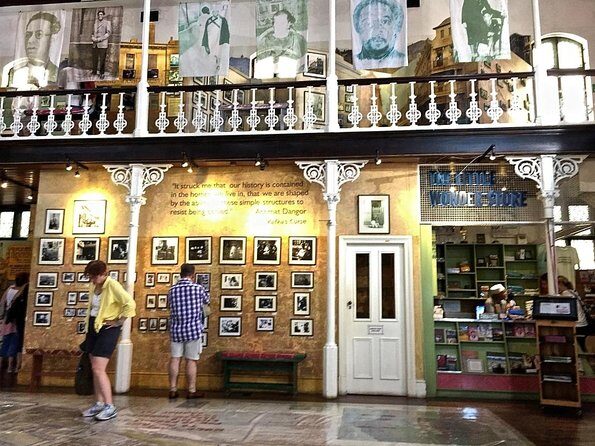
- District Six Museum with lived-memory focus: You’ll tour the museum with a former resident perspective, not just general interpretation.
- Township walk-through with a local guide: Gugulethu (or Langa) streets, shebeens, everyday shops, and community projects when time allows.
- V&A Waterfront included as a reset: Free time after reflection, followed by a return to central Cape Town.
- Optional Robben Island add-on depends on weather: The ferry and prison visit can’t be guaranteed, so plan for an alternate outcome.
Why District Six and Gugulethu matter in Cape Town
Cape Town looks pretty from a distance. But once you understand how apartheid carved the city into “for some” and “not for you,” the whole place reads differently. This tour is built to connect the dots between forced removals, the idea of racial zoning, and what daily life looks like on the other side of those policies.
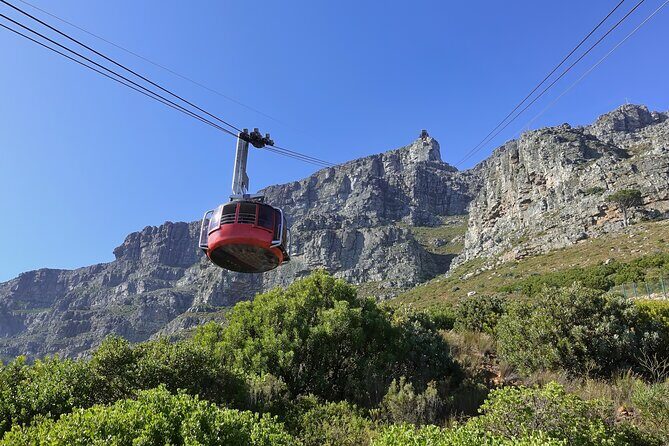
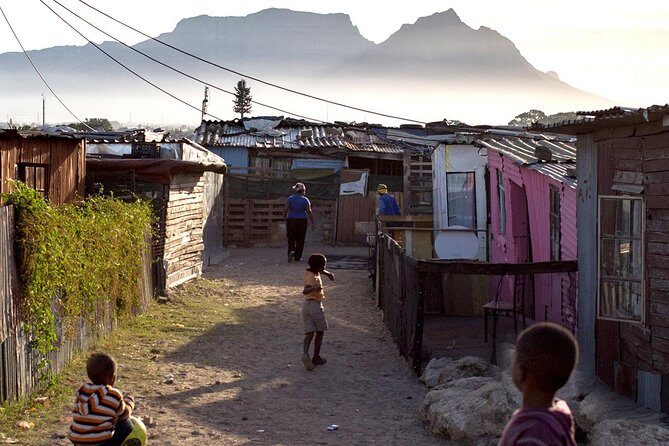
At District Six, the story is personal and specific: homes were leveled to make way for “whites-only” suburbs. The tour also uses the geography you can still see today—Table Mountain is described as a natural boundary between black and white settlements back then—so you can picture how segregation was enforced, not just legislated.
Then comes Gugulethu (and sometimes Langa). You don’t just get history as an abstract timeline. You’re guided through streets where you’ll likely notice music, gatherings, and the normal rhythm of community life, alongside the memories of how people were pushed to the margins. That contrast is the point. It’s one thing to learn about apartheid. It’s another to see how its aftermath still shapes the map and the lived experience.
You can also read our reviews of more private tours in Cape Town


Private transfers and timing: what a half-day actually looks like
This tour runs about 6 to 8 hours, which is long enough to feel meaningful but short enough for most half-day plans. You get hotel pickup (the pickup window is listed as starting around 7:00–7:30 AM), then you’re in an air-conditioned minivan with your group.
A key detail: your transfers and private guide experience are exclusive to your group, but some scheduled activities can join groups on site. So you’re not getting a fully isolated tour museum-by-museum, but you are getting a private “spine” to the day—your transport, your guide, and your ability to ask questions and adjust time at the stops.
The order can also shift. The itinerary may run in reverse or change order, which is normal for Cape Town routing and scheduling. If you’re hoping to align the day with another plan (like dinner reservations), give yourself buffer time.
Stop 1: District Six Museum with a former resident’s perspective
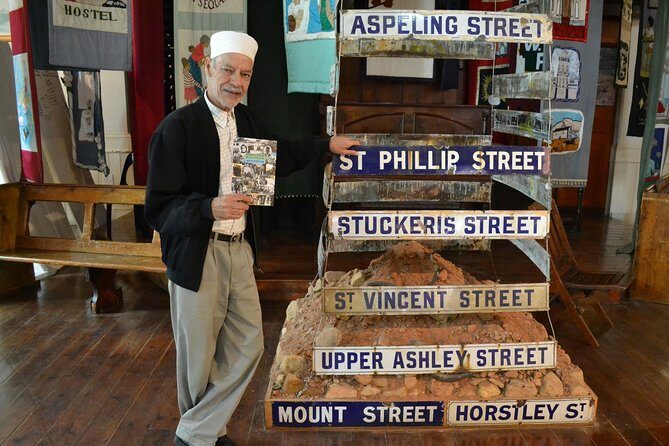
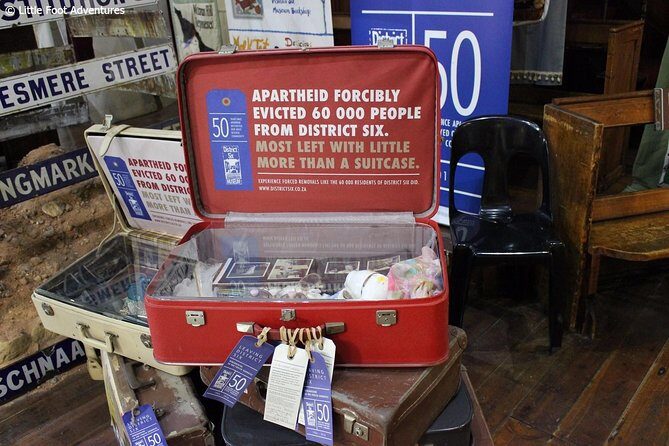
Your day begins at the District Six Museum, and the value here is the human scale. You’re not only learning that people were removed. You’re hearing how it felt and what changed when communities were broken apart.
The museum visit is designed around the story of enforced removals—when homes were leveled to make room for segregationist planning. That might sound like a cold bureaucratic process, but the tour frames it as the loss of neighborhoods, routines, and a sense of belonging. The admission ticket is included, and the stop runs about 1 hour.
You’ll also get the visual geography behind the separation. The tour explains how Table Mountain functioned like a boundary between settlements during apartheid, even though there’s no physical border today. Standing in Cape Town’s present, it becomes easier to understand why the scars remain visible in social and spatial patterns.
Practical tip: if you’re sensitive to emotional history, consider bringing a notebook or headphones for quiet moments during transit. A hard subject doesn’t ruin the day—it just means you should manage your energy.
Stop 2: Gugulethu (or Langa) township streets and everyday life

Next you head to the Cape Flats and into the township environment of Gugulethu (with Langa sometimes substituted or prioritized). This is where the tour becomes more than history. It becomes a guided walk through how people live now, with context for how apartheid created today’s conditions.
You’ll spend about 2 hours on the township visit, and admission is included for the guided portion. The tour’s description is vivid: backstreets with corrugated-roof housing, colorful clotheslines, and a layout far removed from the city’s wide streets and restored historic buildings.
What I think you’ll appreciate is the walk-through style. Your local guide helps you navigate along small streets past everyday places like shebeens (informal taverns) and convenience stores. If there’s time, you might even see an inspiring community garden project, which adds a grounded, forward-looking note to the day.
One small consideration: the tour notes that sometimes the step-on local guide may decide to visit Langa predominantly and only drive past Gugulethu. That doesn’t mean the tour changes its mission; it’s more about local scheduling and what’s practical that day. If Gugulethu is the must-see for you, ask in advance and be prepared for a slight shift.
V&A Waterfront as a reset, not the main event
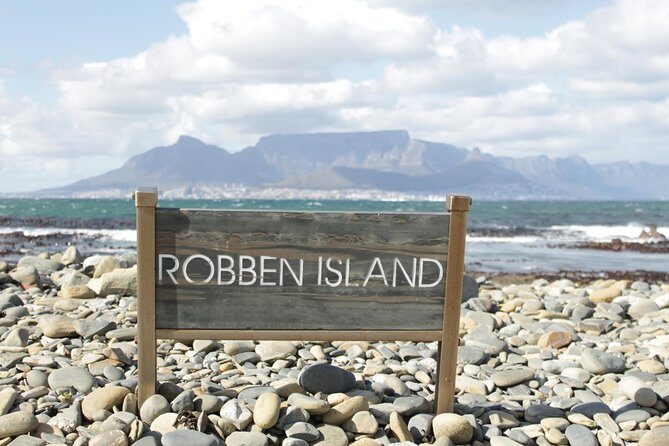
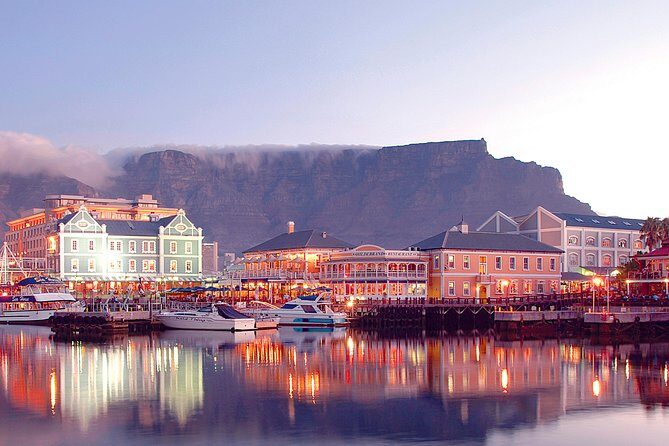
After the heavier part of the morning, you’ll head to the V&A Waterfront for about 1 hour of free time. This isn’t a full museum day. It’s a chance to catch your breath, stretch your legs, and reorient in a lively, tourist-friendly zone.
The good news: having a decompression stop matters on a day like this. If your morning is intense, you don’t want the entire itinerary to keep asking you to process tragedy. The Waterfront gives you an easy way to do something simple—walk, grab a drink if you want, look around—before you decide what comes next.
Also note: your guide may say farewell around 4:00 PM if you didn’t book the Robben Island add-on, or you can be dropped at your accommodation later in the afternoon.


Robben Island optional add-on: powerful, but plan for conditions
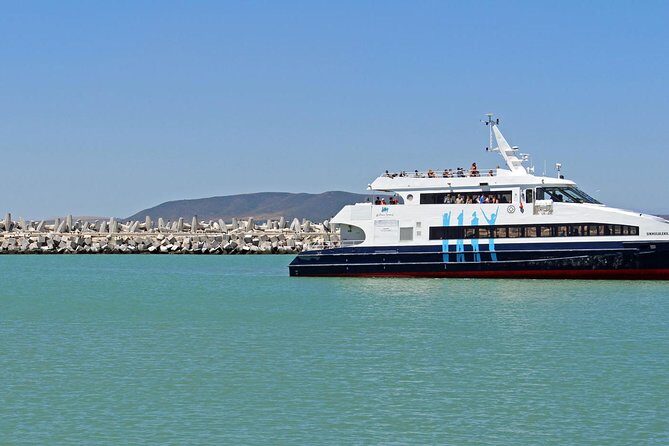
If you choose the optional Robben Island excursion, you’ll add time and cost, and you’ll need to be flexible. The ferry and prison visit are subject to weather conditions and availability, and the museum/ferry add-on is listed at about ±R700 per adult (paid separately).
Robben Island is described as World Heritage-listed and notably isolated, used first as a prison for rebel sailors and later for political prisoners. The last political prisoners were released in 1991. Today, the site employs former inmates who share their time behind bars and the hard labor associated with the limestone quarry.
What makes this stop feel meaningful is the way the tour frames reconciliation and leadership, including the role of Nelson Mandela and the spirit of Ubuntu. If your goal is to understand apartheid’s machinery and its resistance, this is the part that many people remember most.
Should you add it? If you’re already emotionally ready for the theme, Robben Island tends to make the day feel complete. If you’re short on time, or you can’t handle uncertainty tied to weather, you might skip it and spend the afternoon resting instead.
Guide quality and how the day stays respectful
In a topic like apartheid, a good guide isn’t optional. You’re dealing with real harm, real inequality, and the risk of turning people’s lives into a “show.” This tour tries to avoid that by keeping your day guided and structured.
You’ll have a local English-speaking professional tour guide, plus a former resident museum approach and township guiding by locals. That combination matters because it keeps the focus where it belongs: on people, place, and cause-and-effect.
The private nature of the tour also helps you pace your own learning. You can ask questions, spend a little more time where you feel engaged, or swap time around within the tour’s structure. That’s a better deal than squeezing the stops into a tight group schedule where you feel rushed.
If you want a real value check: you’re not only paying for “transport.” You’re paying for interpretation, context, and guided movement through neighborhoods that require a respectful approach.
What’s included, what isn’t, and why that affects value
Let’s talk value in plain terms. The price is listed at $267.72 per person, and included items are meaningful:
- Private tour setup for your group
- Local English-speaking professional guide
- Hotel pickup
- Air-conditioned minivan transport
- District Six Museum tour (with admission ticket included)
- Township visit in Gugulethu or Langa with guided time (admission included)
Not included:
- Food and drinks
- The Robben Island add-on (optional), including ferry/museum time, at about ±R700 per adult
So the cost isn’t just “getting you there.” It covers guided learning in two key settings plus museum entry. If you were to DIY those stops, you’d still need the right context and local guiding—especially for township navigation and for interpreting District Six properly.
Practical budgeting tip: plan on buying snacks or water on your own. Since food isn’t included, bring a little flexibility so you’re not hungry when the story gets heavy.
Logistics and comfort tips that actually help
A day like this works best when you show up ready to walk and listen. Wear comfortable shoes because you’ll be moving through street environments. Dress for Cape Town weather changes—mornings can feel cooler, even when afternoons warm up.
Photography can be sensitive in any community setting. The guide will steer you on what feels respectful, but it’s still smart to keep your camera put away until you know the moment is appropriate.
If you’re traveling with children, the tour states that children must be accompanied by an adult. Also, most travelers can participate, but if anyone in your group has mobility limits, you should confirm details with the provider before booking. The day involves active street time, not just sitting in a vehicle.
And yes, you’ll want travel insurance. The tour information notes that personal comprehensive travel insurance is excluded and recommended.
Who this tour suits best (and who may want a different plan)
This is a strong fit if you:
- Want an apartheid-focused Cape Town day, not a generic city highlights loop
- Prefer learning with local guidance and real place-based context
- Are okay with a day that includes tough history and emotional moments
- Want a private experience with a guide who can tailor pacing
It may be less ideal if you:
- Want only light, scenic stops
- Have limited time and can’t handle possible shifts in order
- Are not comfortable with optional components that depend on weather (Robben Island)
If you’re the type who likes to understand the “why” behind what you see—why neighborhoods look the way they do, why cities feel split—this tour is built for you.
Should you book Path to Freedom?
I’d book it if you want Cape Town history that doesn’t stay on postcards. The mix of District Six Museum plus Gugulethu/Langa gives you both the documented mechanism of apartheid and the human reality of its aftermath. The Waterfront stop is a smart reset, and Robben Island is a meaningful optional add-on if you want closure on the prison chapter.
The main reason not to book is simple: if emotional heaviness would ruin your day, choose a different kind of tour. But if you can handle serious topics with a respectful guide, this is a solid, high-value way to understand South Africa’s struggle for freedom.
FAQ
How long is the Path to Freedom tour?
The tour runs about 6 to 8 hours, depending on routing and timing.
Does the tour include pickup from my accommodation?
Yes. Hotel pickup is included, with pickup starting around 7:00–7:30 AM.
What is included at the District Six Museum?
You get a guided tour at the District Six Museum, and the admission ticket is included. The stop runs about 1 hour.
Is the township visit guided?
Yes. You’ll have a guided visit in Gugulethu or Langa, and the admission for that stop is listed as included. The township portion is about 2 hours.
Do I have to pay for Robben Island?
Robben Island is optional. The add-on is not included and is listed at about ±R700 per adult (ferry and museum time).
Is Robben Island guaranteed on the day?
No. The Robben Island add-on is subject to weather conditions and availability. Booking the add-on directly is recommended to avoid disappointment.
Can the itinerary be changed?
Yes. It’s described as flexible and can be tailored to spend more time on highlights you care about, or swap to alternative options (with possible updated charges if applicable).
Is this tour refundable if plans change?
No. The experience is non-refundable and cannot be changed for any reason.