REVIEW · ST LUCIA
Private Advanced Horseback Beach Ride with Sandy Hoofs St. Lucia
Book on Viator →Operated by Sandy Hoofs St. Lucia Riding Stables · Bookable on Viator
One horse ride can change how you see a place. This private advanced trek in St Lucia trades the usual tour buses for coastal trails, multiple beaches, and big Atlantic views from the saddle.
I especially like how the ride is built around scenery you can actually feel. Expect sweeping coastline perspectives and photo-worthy stops as you head toward Lapin Bay for beach riding. One thing to consider: this isn’t a relaxed beginner experience, and the advanced rider rules are strict for good reason.
In This Review
- Key Things to Know Before You Ride
- Private Advanced Horseback at Sandy Hoofs: Why It’s Such a Good Value
- Advanced Rider Rules: This Ride Will Expect Real Control
- Where You Meet and How the Session Starts (It’s Not a “Just Show Up” Thing)
- The 3-Hour Flow: From Trails Toward Lapin Bay
- Practical note on riding breaks
- Four Beaches, Atlantic Views, and Why Lapin Bay Matters
- Canter/Gallop on the Beach: Fun, But Only If Conditions Behave
- The Swim With Your Horse: When It Happens and When It Doesn’t
- Who’s the Best Match? (And Who Should Skip It)
- Safety and Horse Care: What I’d Watch Closely
- Guide Style and the Small Details That Make It Feel Personal
- Price, Timing, and Booking Smart (How to Get the Slot You Want)
- Should You Book the Sandy Hoofs Advanced Beach Ride?
- FAQ
- How long is the private horseback beach ride?
- Is this ride only for experienced riders?
- What is the weight limit?
- Where does the tour start and end?
- Do you swim with the horses?
- Does the tour run in bad weather?
- What’s the cancellation refund policy?
Key Things to Know Before You Ride
- Advanced rider requirements: you’re expected to control your horse at all gaits without the guide taking over.
- Weight limit is real: 220 lbs / 99 kgs / 15st, and weights must be shared at booking.
- Four beaches during the ride: plan for sand, salt air, and changing footing.
- Canter/gallop on beaches: if your riding level and conditions allow it.
- Swim with the horse is conditional: seaweed and sea state can change the plan.
- Private means just your group: less waiting, more personal attention and pacing.
Private Advanced Horseback at Sandy Hoofs: Why It’s Such a Good Value
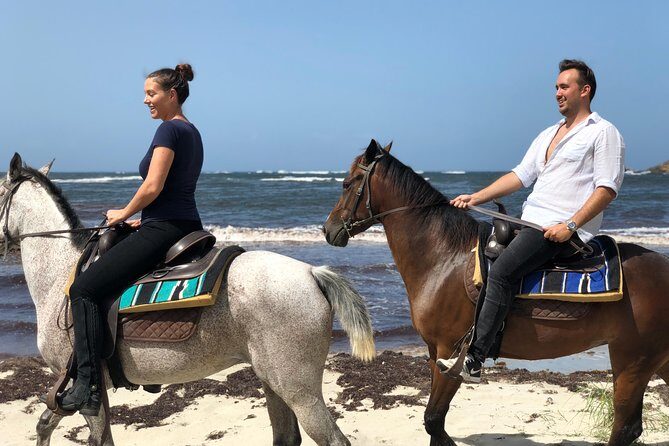
For $119 per person, you’re buying a rare mix: private time plus a real challenge level. A lot of tours in St Lucia are either scenic but not very active, or active but not truly private. This one is both—around three hours on horseback with the guide focused on your group and your ride needs.
Value also comes from the structure. You’re not just dropped at a stable and sent out. There’s a quick questionnaire on arrival, then an equipment and tack check with your horse before you move out. That kind of up-front screening matters when you’re riding at speed and on uneven coastal terrain.
The other value play: horses, gear, and basic “ride logistics” are handled. Your job is to ride your horse well, and their job is to match you to a suitable mount and keep the outing smooth.
You can also read our reviews of more private tours in St Lucia

Advanced Rider Rules: This Ride Will Expect Real Control
This is listed as an advanced ride, and the expectations aren’t vague. You’ll be asked to meet requirements that include being able to control your horse correctly and confidently at all gaits and paces, staying balanced, and handling horses without direct help from the guide.
You’re also expected to be comfortable riding any horse and to handle strong behaviors. The standards include being able to sit a buck or bolt in both English or western tack. If you’re the kind of rider who can relax and let the horse do the work, this won’t feel like that. If you can ride with focus, it’ll make more sense fast.
There’s also a hard weight limit: 220 lbs / 99 kgs / 15st. If your weight is over the limit, you won’t be allowed to participate, and you must advise passenger weights at booking. You can think of this as part safety, part logistics—both affect the horse and the ride.
Finally, they ask for strong physical fitness. You’ll be in the saddle for about three hours, and the terrain includes trails and beach sections.
Where You Meet and How the Session Starts (It’s Not a “Just Show Up” Thing)
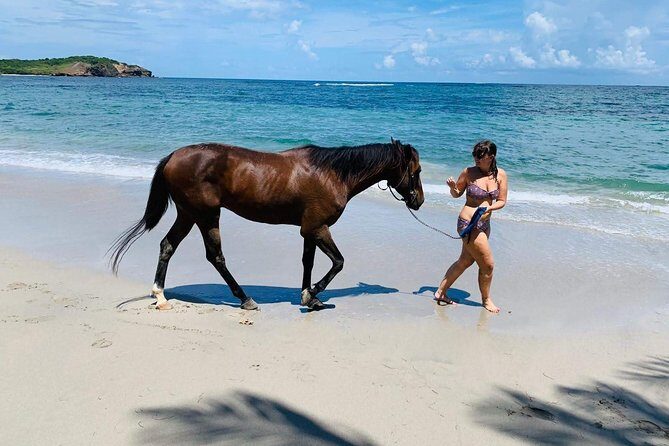
You meet at Sandy Hoofs St. Lucia on Beach Drive in Beausejour, Gros Islet. It’s a dedicated stable location, and the ride ends back there, so you aren’t juggling a drop-off and pickup later.
When you arrive, you’ll complete a short questionnaire to confirm you match the advanced rider requirements. Then there’s a brief orientation: meet your horse, go over equipment, and make sure everything is set before you leave the stable.
From the ride feel described by people who were comfortable at this level, that orientation is part of why the experience lands as safe and organized. If your tack and horse setup is right, you spend less time fighting small problems and more time enjoying the coast.
The 3-Hour Flow: From Trails Toward Lapin Bay
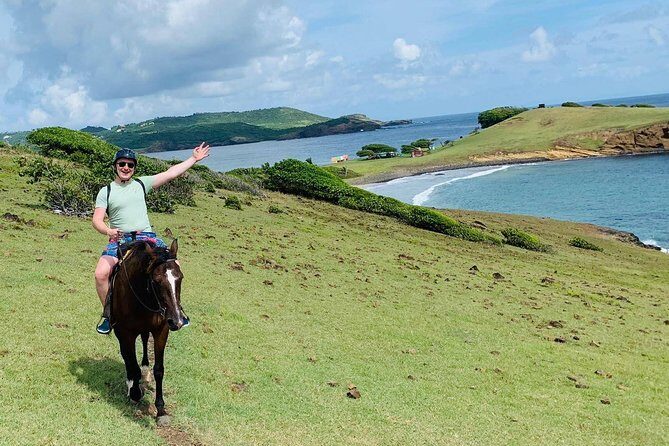
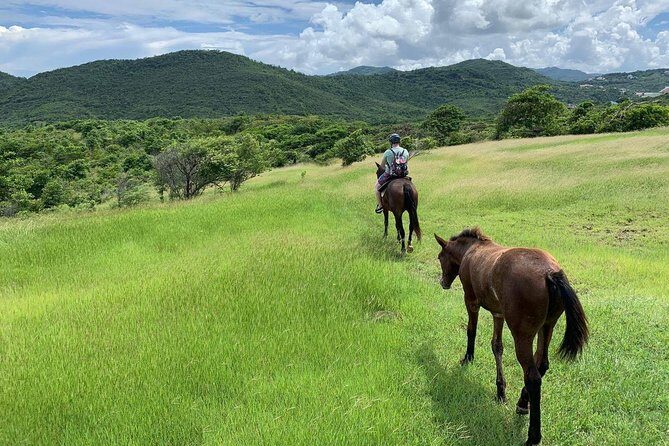
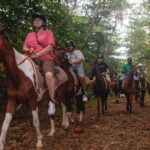
Once you’re cleared and geared up, you ride out along the trail toward the coastline and the beach. The coastal route is where you start getting those big-view moments, because you’re looking out over St Lucia from a moving height—horse gait to horse gait.
Along the way, there are scenic photo stops. The ride is planned so you’re not constantly “in transit” with no chance to enjoy the view. You get moments to slow your breathing, reset your posture, and capture the coastline from different angles.
As for pace: this is not a slow walking-only hack. If you’re riding at the expected level, you’ll get chances for speed along beach sections—canter and, depending on conditions and your control, possibly gallop. The point isn’t thrill for thrill’s sake. Faster riding on sand and coastline needs rider balance and communication, so the advanced requirements help keep the whole day on solid ground.
Practical note on riding breaks
People describe the ride as having deliberate stop points. There are breaks to stretch legs and drink water, so you’re not dealing with three hours as one continuous push. Those short pauses can make the difference between an exhausting session and a fun one.
A few more St Lucia tours and experiences worth a look

Four Beaches, Atlantic Views, and Why Lapin Bay Matters
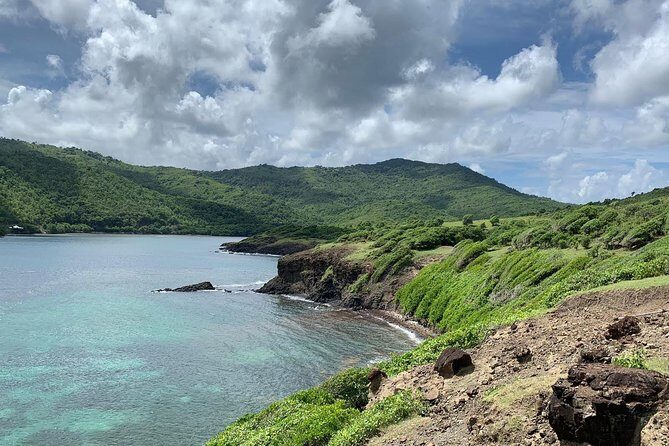
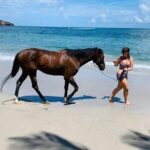
This ride takes you out to four different beaches. That variety matters. You’re not just repeating the same strip of sand. You’re moving between coves and shoreline stretches, and each one gives a slightly different coastline view.
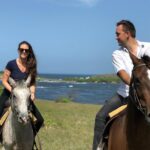
The route is especially noted for the northeast Atlantic side, which tends to offer the kind of dramatic, open-water look that feels different from the calmer side of the island. Expect sweeping scenery, open horizon views, and lots of spots where you can take photos without it feeling rushed.
Lapin Bay is the star in the planning. You head there for beach riding, with the chance to canter as conditions allow. If you love watching how the landscape changes with perspective, it helps to think of this as a moving viewpoint tour—just with hooves and tack instead of a van.
Canter/Gallop on the Beach: Fun, But Only If Conditions Behave
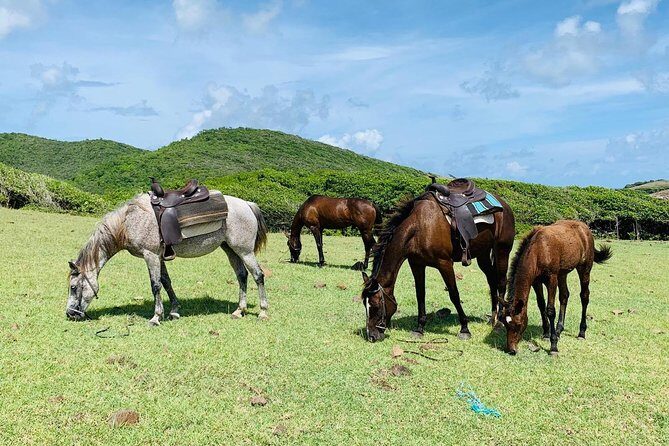
Beach riding is where this tour becomes more than scenic horseback time. Sand can be forgiving in some ways, but it also changes how a horse moves and how you balance—especially if there’s uneven footing or surf movement nearby.
The tour can include canter/gallop along the beaches. Whether you get the faster work depends on your control level and what the day’s conditions allow. That’s exactly why the advanced rules exist. If you can sit your horse and keep your body aligned, you’ll likely feel more confident as the pace changes.
Also keep in mind: this ride is outdoors rain or sun. If weather forecasts suggest danger, you’ll be contacted to reschedule. That’s a key detail for anyone who’s worried about being stuck in bad weather—this provider plans for safety.
The Swim With Your Horse: When It Happens and When It Doesn’t
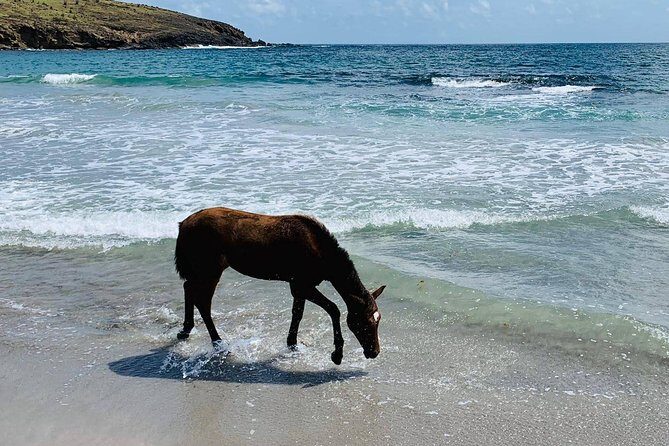
One of the most memorable parts—when it works—is taking the horse onto the water. Some riders describe a last stage where the horse is taken into the ocean, and there’s even the possibility of swimming.
But this is explicitly conditional. Seaweed and sea conditions can prevent a swim. That means you shouldn’t treat it as a guaranteed ocean adventure every time. The good news is that even without swimming, the water part can still add a whole new dimension to the ride.
How to think about it: build your expectations around the ride first—beaches, coastline, and pace changes. If you also get water time, that’s the bonus.
Who’s the Best Match? (And Who Should Skip It)
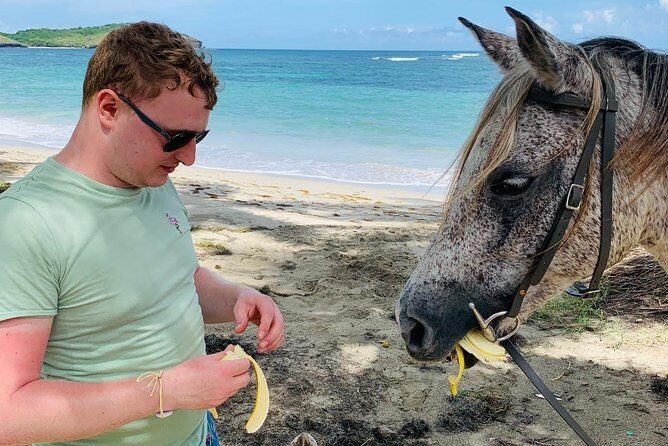
This is best for riders who are truly comfortable at speed and comfortable riding different horses without constant intervention. If you can control a horse at all gaits, stay balanced, and handle buck or bolt behavior in either English or western tack, you’re probably a good fit.
It’s also a good match if you want a private experience rather than a group ride where you’re stuck behind someone else’s pace. People have described the setup as well organized and professional, with guides who keep things moving while still checking in.
If you’re a beginner, or if you’re not sure you can confidently manage your horse at different gaits, I’d steer clear. Not because you’ll be judged, but because this ride is designed around rider responsibility. The “advanced only” requirement is meant to protect both you and the horse.
Safety and Horse Care: What I’d Watch Closely
Most of the positive feedback points to safety, organization, and well-kept horses. People describe feeling safe with the host and chaperone throughout the ride, and they also describe horses as being in good shape for the terrain. There’s also a strong theme that the staff treats horses with care.
You should also know there is one critical review alleging neglected horses and calling for avoidance. The provider response says they were surprised, reject the claim, and point to posted photos showing only the horse’s head rather than the body. That disagreement means it’s worth taking the extra minute to ask questions if horse welfare is your top priority.
If you book, here are practical steps that don’t require you to be a vet:
- When you arrive, pay attention to how the horses look and act during the gear check.
- Ask what they do to ensure the horses are fit for beach conditions and longer rides.
- If something feels off in the moment, it’s fair to speak up before the ride starts.
This tour can be a great experience, but you shouldn’t ignore welfare concerns. You’re paying for an animal-based adventure, and that requires trust.
Guide Style and the Small Details That Make It Feel Personal
This is a private tour, so the guide can work at your group’s pace. A rider named Jordan has been mentioned as a great guide, and a trail boss named Mathew also came up in feedback for being friendly and attentive.
There’s also mention of the owner helping with pickup from the resort for at least one group, and that kind of extra care can reduce friction on vacation days. Not every trip may include pickup in the same way, but the pattern tells you the people running this stable tend to care about guests having a smooth start.
Another detail: photo help. Some riders describe the team taking photos for them, which matters because you may not have two hands free while riding and still get good shots. If you like memories beyond phone selfies, that’s a real plus.
Price, Timing, and Booking Smart (How to Get the Slot You Want)
At $119 per person for about three hours, you’re paying for a private advanced riding session with equipment provided and a guide who screens rider ability first.
On average, this gets booked about 35 days in advance. That’s not an emergency booking window, but it is a sign you should plan ahead—especially if you want a specific date or you’re traveling in busier seasons.
Also consider the time of day and weather. Since the ride runs in rain or sun, you should be comfortable riding outdoors. If you’re the type who hates being uncomfortable, bring a change of clothes for after.
Should You Book the Sandy Hoofs Advanced Beach Ride?
I think you should book if you meet the advanced riding requirements and you want St Lucia from the saddle—true coastline views, multiple beaches, and the chance for canter and water time. It’s also a strong choice if you prefer private experiences and you want the day paced around an actual riding plan, not just “go look pretty and walk.”
Skip it if you’re not confident controlling a horse at speed, if you’re over the weight limit, or if you’re unsure about handling buck/bolt-type behaviors in an advanced setting. And if horse welfare is a major concern for you, ask direct questions when you arrive and watch the horses during the pre-ride check.
If you’re a confident advanced rider, this one can be a standout St Lucia day—Atlantic views, beach riding, and the kind of motion that makes the island feel bigger and more real.
FAQ
How long is the private horseback beach ride?
It’s about 3 hours.
Is this ride only for experienced riders?
Yes. It’s an advanced rider trail, and you’ll complete a questionnaire on arrival to confirm you meet the advanced requirements.
What is the weight limit?
The weight limit is 220 lbs / 99 kg / 15st. Passenger weights must be advised at booking, and people over the limit won’t be allowed to participate.
Where does the tour start and end?
It starts and ends at Sandy Hoofs St. Lucia on Beach Drive in Beausejour, Gros Islet, St Lucia.
Do you swim with the horses?
Sometimes, depending on sea conditions. Seaweed and the ocean conditions may prevent swimming.
Does the tour run in bad weather?
It runs in rain or sun, but if dangerous weather is forecasted, you’ll be contacted to reschedule.
What’s the cancellation refund policy?
You can cancel for a full refund up to 24 hours before the experience starts. If you cancel less than 24 hours before, the amount paid isn’t refunded.