REVIEW · NORTH WEST SOUTH AFRICA
South Africa from Joburg: Elephant Sanctuary Half Day Tour
Book on GetYourGuide →Operated by Kharivhone SA Exclusive Historical and Cultural Tours · Bookable on GetYourGuide
Elephants close up can make your brain go quiet. This half-day tour to the Elephant Sanctuary in Hartbeespoort is all about gentle, guided contact—feeding, trunk-in-hand walking, and hands-on anatomy learning—so you don’t just watch, you understand. I also love the small group size (max 10), which keeps the experience personal. One drawback to plan for: the tour price does not include sanctuary entry tickets, so you’ll need to pay that on-site.
You’ll start with hotel pickup from Gauteng, Mpumalanga, or North West, then settle in for about an hour by coach to the sanctuary. Once there, the schedule keeps moving with guided viewing, interactive elephant time, and a break before the return trip. It’s a simple format that works well when you want meaningful animal encounters without losing the entire day.
In This Review
- Key Things You’ll Love About This Elephant Sanctuary Visit
- Getting From Your Pickup to Hartbeespoort Without Stress
- Arriving at the Sanctuary: What That First Walk Feels Like
- Feeding and Trunk-in-Hand Walking With Handlers
- Anatomy Lessons and the Optional Self-Walk Path
- Night Shelter Walk: Watching Elephants Gather to Sleep
- Swimming Moments on Hot or Rainy Days
- The Pace and Itinerary That Fits a Half Day
- Price and Ticket Math: Is It Good Value?
- Group Size, Guide Languages, and What That Means for You
- What to Bring (And What Not to Bring) So You Stay Comfortable
- Who This Tour Is Best For
- Should You Book This Elephant Sanctuary From Joburg?
- FAQ
- How long is the Elephant Sanctuary half-day tour from Joburg?
- What’s included in the price?
- Are sanctuary entry tickets included?
- Where do you get picked up from?
- How big is the group?
- What activities are part of the sanctuary experience?
Key Things You’ll Love About This Elephant Sanctuary Visit
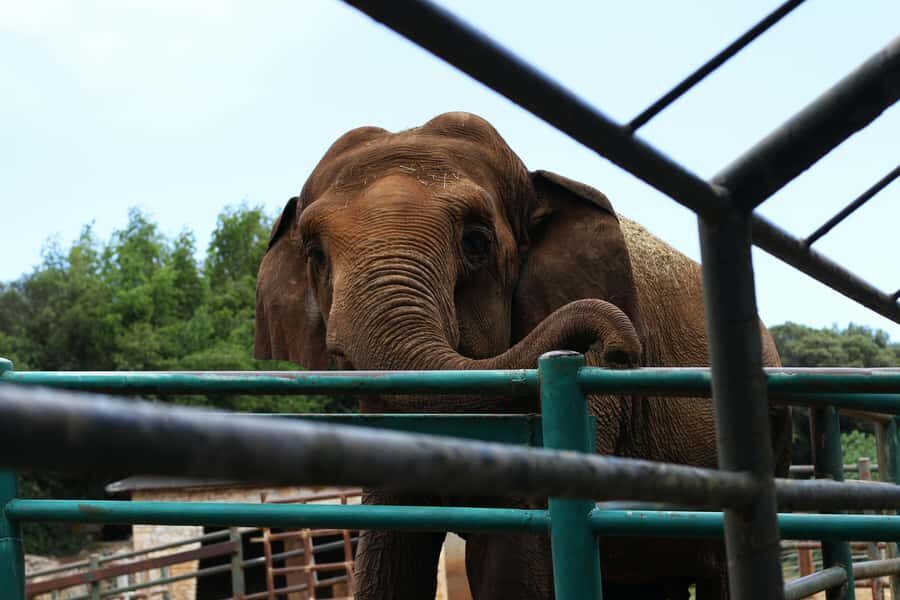
- Close elephant time with professional handlers (feeding and walking experiences)
- Hands-on learning about elephant behaviour and anatomy
- Multiple ways to observe elephants including night shelter viewing and swimming on hot or rainy days
- A laid-out self-walk path option for those who want to do a portion independently
- Family-friendly activities built into the sanctuary experience
- A small group of up to 10 people, which makes it easier to ask questions and stay engaged
Getting From Your Pickup to Hartbeespoort Without Stress
This tour is designed around one big idea: get you from your hotel to the sanctuary with minimal hassle, then give you a tight, well-paced experience. You’ll be picked up from any hotel in Gauteng, Mpumalanga, or North West, which is a big plus if you don’t want to figure out driving or parking on your own.
The drive is about one hour by bus/coach. That travel time matters because it helps you keep the day feeling light. You’re not spending hours in transit before anything interesting happens. Once you arrive, you jump straight into the sanctuary visit rather than wasting time on long orientation sessions.
The tour also has a live guide/driver and is offered in multiple languages (English, Xhosa, Zulu, Setswana, Sesotho). Even if you’re an English speaker, the multilingual setup is useful. It can mean more people feel comfortable asking questions, and you’ll likely hear explanations in a way that sticks.
Arriving at the Sanctuary: What That First Walk Feels Like
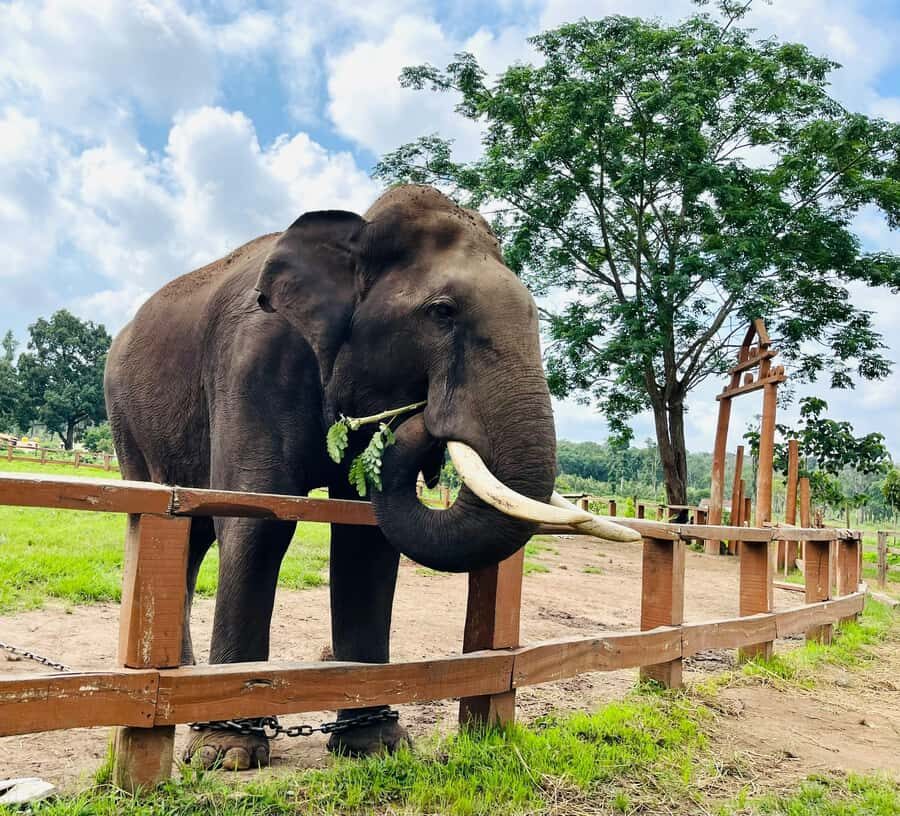
When you step into the Elephant Sanctuary, the vibe changes fast. Elephants are huge in real life, and the sanctuary setting is intentionally calm and natural-feeling, so you’re not stuck behind a fence watching shapes move.
In the early part of the visit, you’ll get guided wildlife viewing and exploration. Expect to see elephants roaming freely in what feels like a protective habitat rather than a loud attraction. You’re also likely to notice that your guide focuses on how elephants behave—not just that they’re there. That’s the difference between a basic animal stop and a real understanding moment.
This is also where you’ll start hearing elephant behavior and anatomy explanations. The best tours make you curious and then answer that curiosity in real time. This one keeps that loop going: you watch, then you learn what you’re seeing.
Feeding and Trunk-in-Hand Walking With Handlers
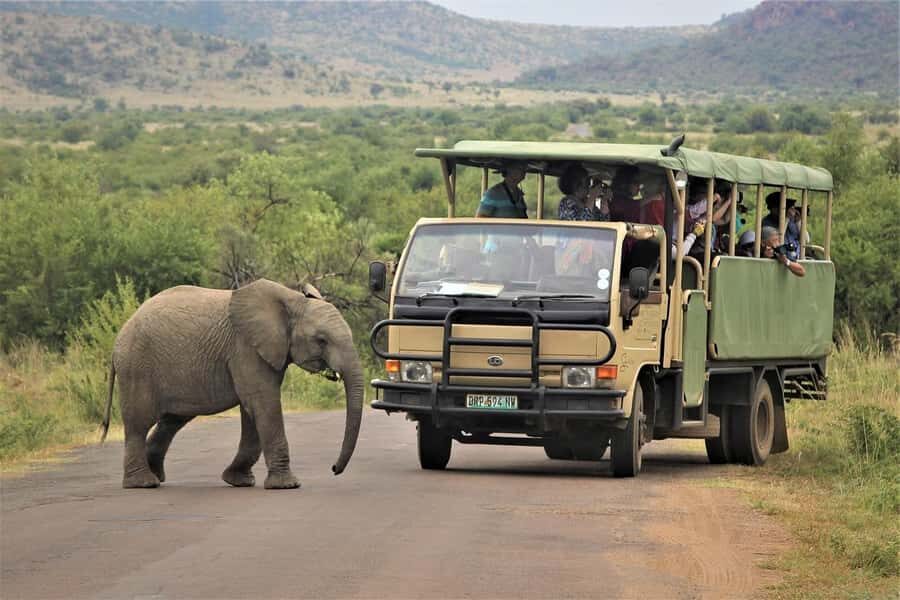
The heart of the experience is the interactive time. This is not just a “look but don’t touch” situation. You’ll have the chance to feed the elephants under the guidance of professional handlers, which gives you a sense of how interactions are managed safely and respectfully.
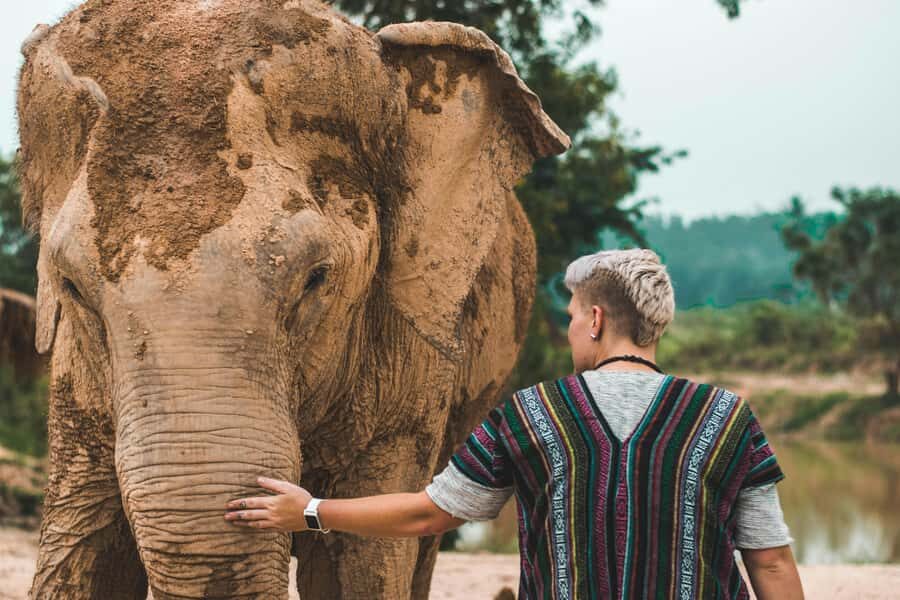
One of the standout activities is the walk with elephants trunk-in-hand. The guide-led approach matters here. A trunk is expressive and powerful, and handlers know how to keep everything steady. During the walk, you’re not just standing nearby taking photos; you’re sharing space long enough to understand how elephants move and communicate.
The interaction level is what earned the top marks. In the feedback I saw, people highlighted very close contact—touching ears and even interacting with parts like the stomach and feet—plus an elephant kiss moment. Whether you’ll get a kiss depends on the individual elephant and the moment, but it’s a good sign that the experience is genuinely hands-on and personal.
Small-group limits (up to 10) also help. With fewer people, you’re more likely to get time that feels un-rushed. You can ask questions, and the guide can correct course quickly if you need a reminder about posture or how to hold your attention.
Anatomy Lessons and the Optional Self-Walk Path
After the close viewing and feeding moments, the tour shifts into learning mode. You’ll learn about elephants’ behavior and anatomy, which is the kind of “why” that turns the whole day from cute to memorable.
What makes anatomy lessons valuable is that they connect your observations to actual structure. You start looking differently: not only at the size, but at how ears, trunk, and movement fit into elephant behavior. Even if you only remember a couple of key points, it changes your whole perspective when you’re watching them roam.
There’s also an option that I like for people who want a balance between guidance and freedom: you may have the chance to walk an area by yourself along a laid-out path. That means you’re not fully on your own, but you’re not constantly marching in a group either.
A practical note: if you want to benefit from the anatomy explanations, stay present during the teaching moments. Don’t treat them like waiting for the next activity. This is where you’ll get the context that makes the rest of the encounter click.
Night Shelter Walk: Watching Elephants Gather to Sleep
One of the more distinctive parts of this sanctuary experience is the visit to the elephants’ night shelter area. You’ll take a walk with the group where the elephants gather to sleep. Even though this is a “half-day” format, it’s not only daytime viewing.
Why this matters: elephant behavior changes over the day, and watching them settle has a different emotional impact than seeing them march through open space. It can also help you understand the sanctuary’s care focus—providing safe spaces for resting, not just keeping elephants busy for people.
If you’re the type who likes observing routines, this is a strong segment. It turns the elephants from spectacle into something closer to how they actually live.
Swimming Moments on Hot or Rainy Days
Another activity included here is witnessing elephants swimming on hot or rainy days. That detail is more than trivia. Swimming shows how elephants adapt their bodies and behave comfortably across conditions.
When an animal does something like swimming, you often learn more about body mechanics than from any talk. If the weather lines up, this is one of the easiest ways for your brain to go, Oh, I get it. It also adds variety so the visit isn’t only feeding and walking.
You can’t control weather, but the sanctuary’s schedule accounts for conditions. That’s a smart way to keep the experience flexible and more natural.
The Pace and Itinerary That Fits a Half Day
Here’s the shape of the day and why it works:
- Pickup and coach drive (about 1 hour): get you to Hartbeespoort without complicated logistics.
- Sanctuary guided tour and wildlife viewing (about 2.5 hours): this is where the structured learning and interactions happen.
- Break time (30 minutes): helps you reset so the rest of the visit doesn’t feel like a sprint.
- Return coach drive (about 1 hour): you’re back on schedule without losing your evening.
The half-day timing is a big value point if you’re staying in Johannesburg or nearby regions and don’t want a full-day outing. It also helps if you want to pair the sanctuary with other plans that evening.
Price and Ticket Math: Is It Good Value?
The listed price is $265 per person, and the tour duration is about 5 hours. Hotel pickup and drop-off, airport transfers, and a tour guide/driver are included. That part matters because it removes friction: you’re paying for door-to-door service plus guided time.
But here’s the key cost detail: entry tickets to the sanctuary are not included in the tour price. You pay those at the sanctuary upfront. Ticket prices listed in South African currency (ZAR) are:
- Adult (12–64): R1250
- Child (0–11): R495
- Senior (65–99): R850
So the real “value” of the trip is the combination of your tour fee plus the entry ticket. The good news is that the interaction level is high for a short visit—feeding, trunk-in-hand walking with handlers, anatomy explanations, night shelter viewing, and potential swimming.
If your main goal is a close, guided encounter (not just a distant viewing), you’re paying for access and supervision. If you want a cheaper day with only viewing from far away, then it may feel expensive. But for what’s included, it’s aiming at one of the more interactive sanctuary formats.
Group Size, Guide Languages, and What That Means for You
This is a small group experience limited to 10 participants. In practice, that usually means:
- less crowding around the elephants,
- more chance to hear the guide’s explanations clearly,
- fewer awkward waits while people re-group.
The guide/driver speaks English, Xhosa, Zulu, Setswana, and Sesotho. Even if you only need English, this multilingual setup can improve the overall flow. The guide can tailor explanations and answer questions in a way that reaches more people comfortably.
Wheelchair access is listed as available, which is a major practical benefit if mobility is a concern. You’ll still want to check what parts of walking paths feel comfortable for your specific needs, but at least the activity is designed with accessibility in mind.
What to Bring (And What Not to Bring) So You Stay Comfortable
The tour is straightforward about your packing needs: bring comfortable clothes. That’s it, and I like that. You’re walking, you’re spending time on-site, and you’ll want clothing that you can move in.
Also note what’s not allowed: alcohol and drugs. That’s a clear policy and it supports a safer, calmer environment for the elephants.
If you’re the type who likes extra comfort, wear shoes you can walk in confidently, especially if you’ll be on paths around shelters and viewing zones. Keep water and snacks optional based on what you prefer, but remember food and drinks aren’t included.
Who This Tour Is Best For
This is a strong fit for people who want:
- a meaningful elephant encounter with guided interaction,
- learning moments about elephant behavior and anatomy,
- a half-day schedule that doesn’t eat your entire itinerary.
It also works well for families because there are family-friendly activities at the sanctuary. Younger visitors usually enjoy the novelty and closeness, while adults get the added value of the explanations and routines like the night shelter gathering.
If you’re hoping for a purely passive safari-style viewing experience, you might find this more interactive than you expected. And if you’re on a super tight budget, the entry ticket add-on is something you’ll want to plan for from the start.
Should You Book This Elephant Sanctuary From Joburg?
I’d book it if you want your time to count. The combination of close elephant contact (feeding and trunk-in-hand walking), hands-on anatomy learning, and additional moments like the night shelter area makes this feel like more than a quick stop.
Before you say yes, do the simple math in your head: add the sanctuary entry tickets to the tour price, and confirm you’re comfortable with the fact that the ticket payment happens on-site. If you like interactive animal experiences and you’re okay with a short, focused schedule, this is a solid choice.
If you want more time on the ground or only distant viewing, you’ll probably prefer a different type of wildlife outing.
FAQ
How long is the Elephant Sanctuary half-day tour from Joburg?
The total duration is about 5 hours, including pickup, travel, the guided sanctuary time, a break, and the return drive.
What’s included in the price?
Included are hotel pickup and drop-off, airport transfers, and a tour guide/driver.
Are sanctuary entry tickets included?
No. Entry tickets to the sanctuary are not included and must be paid upfront at the sanctuary. Ticket prices listed are Adult R1250 (12–64), Child R495 (0–11), and Senior R850 (65–99).
Where do you get picked up from?
Pickup is available from hotels in Gauteng, Mpumalanga, and North West.
How big is the group?
The group is limited to a small size, with up to 10 participants.
What activities are part of the sanctuary experience?
You can expect guided wildlife viewing and interactive elephant time such as feeding, walking with elephants trunk-in-hand with professional handlers, a walk to the night shelter area, and possibly watching elephants swim on hot or rainy days. You’ll also learn about elephants’ behaviour and anatomy, with an option to walk yourself along a laid-out path. Alcohol and drugs are not allowed.