REVIEW · CAPE TOWN
South African Cultural Biltong-Making Experience in Cape Town
Book on Viator →Operated by Soutie's Biltong Making Experience · Bookable on Viator
Biltong is better when you make it. In Greg and Lindi’s Sea Point voorkamer, you learn the steps for choosing meat, seasoning, and curing, and you leave with samples to eat or take home. I love the hands-on format that actually teaches you how to do it, and I love the culture-heavy storytelling that turns biltong into a window on South Africa.
One thing to consider: this is taught as a basics workshop in a cozy home lounge. If you want a big, factory-style production tour or you’d rather avoid handling raw meat at all, this may feel too personal and too hands-on for your taste.
In This Review
- Key things you’ll notice fast
- Inside Greg and Lindi’s Sea Point voorkamer
- Biltong vs jerky: what makes it different
- Choosing meat and cutting for better results
- Seasoning and marinating: getting the South African flavor profile
- Curing, storage, and what you should do after the workshop
- Vegan biltong option: what’s actually offered
- Afrikaans language, South African origins, and the stories behind it
- Moerkoffie, karringmelkbeskuit, and small touches that add up
- Price, group size, and value for your 90 minutes
- Who this suits best (and who should think twice)
- Should you book Soutie’s Biltong-Making Experience?
- FAQ
- Where does the biltong-making experience start?
- How long is the experience?
- What does the price include?
- Is there a vegan option?
- How large is the group?
- Do I get to learn about culture and language too?
- Can I cancel for a full refund?
- Do I need a printed ticket?
Key things you’ll notice fast
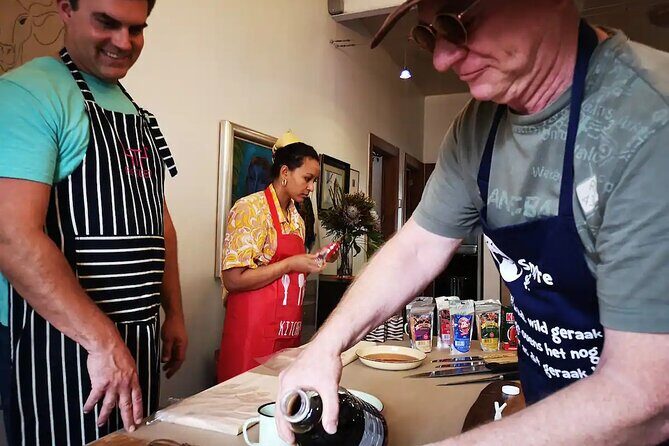
- Small-group setup (max 6) means you can ask questions and get real attention
- Voorkamer atmosphere keeps it relaxed, like a friendly visit where you learn a craft
- Biltong basics, from meat to storage so you understand the why, not just the steps
- Vegan biltong option that’s positioned as a serious alternative, not an afterthought
- Afrikaans language and South African origins framed through stories, songs, and expressions
Inside Greg and Lindi’s Sea Point voorkamer
This is the kind of class that starts by making you feel like you’ve been invited, not herded. You meet at 165 High Level Rd, Sea Point, and the workshop takes about 1 hour 30 minutes with a maximum of 6 people, which makes the pace easy to keep up with.
Once you’re in, the room is the whole point. The workshop happens in their home lounge (the voorkamer), so it feels warm and informal. Greg and Lindi lean into conversation, and you quickly realize this isn’t just about eating dried meat. It’s about understanding why people in South Africa make it, share it, and talk about it like it’s part of everyday life.
The best practical part for you: with a small group, questions don’t get lost. If you’re trying to figure out what spice flavor you like or how curing works, there’s room to slow down and get clarity.
You can also read our reviews of more tours and experiences in Cape Town.


Biltong vs jerky: what makes it different
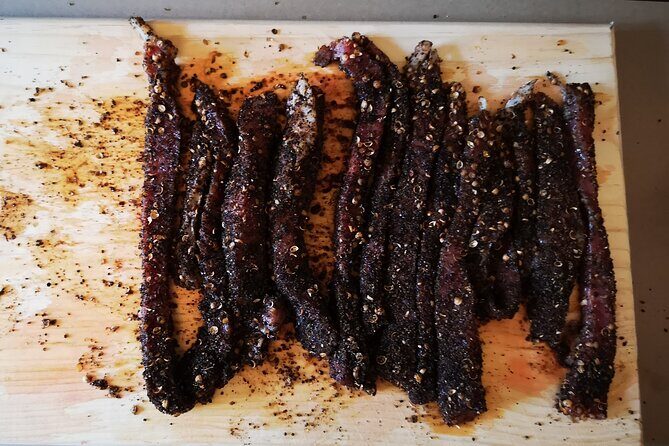
Before hands get busy, you get the key framing: biltong is South African dried meat snack, and it’s different from American jerky. You’ll learn that it can use beef, game meat, or ostrich, and that its seasoning mix is where the character really comes from.
That matters because it changes your expectations. If you’ve only ever had jerky, biltong can taste more spice-forward and less like a sweet-salty snack bomb. The workshop’s tastings help you connect the flavor to the process you’re learning, so it doesn’t stay abstract.
You also get a culture lesson right beside the food lesson. The origin stories connect biltong to hunter-gatherer traditions linked with the Khoisan, and then forward through the Great Trek era where pioneers added spice. Even the guide’s personal framing—an English Soutie marrying an Afrikaans Boeremeisie—gives you a human way to understand how traditions blend.
Choosing meat and cutting for better results
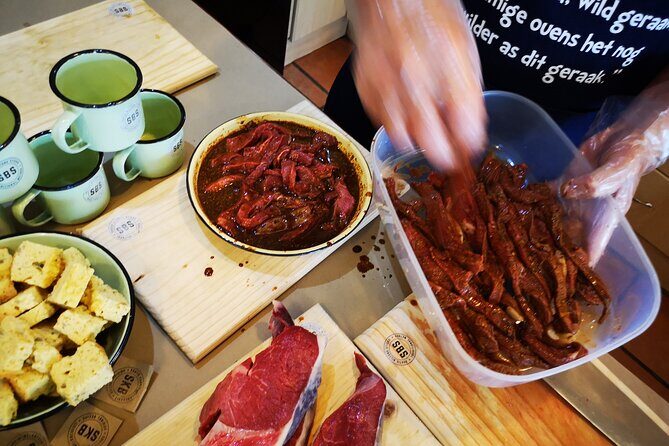
The workshop teaches you how to select meat and how to cut it, because those early choices affect everything that comes after. The goal is simple: you want pieces sized and shaped in a way that supports drying and helps the seasoning do its job.
In practice, this is where you’ll learn the difference between guessing and knowing. You’re not just watching; you’re being walked through the logic of selection and preparation. And because it’s small-group teaching, you can ask what to look for without feeling rushed.
If you’re planning to make biltong later, this is the section you’ll remember. Many first-timers get stuck on spice, then wonder why the final texture doesn’t match what they expected. Here, you get taught that the foundation is the meat choice and cut, not only the seasoning.
Seasoning and marinating: getting the South African flavor profile
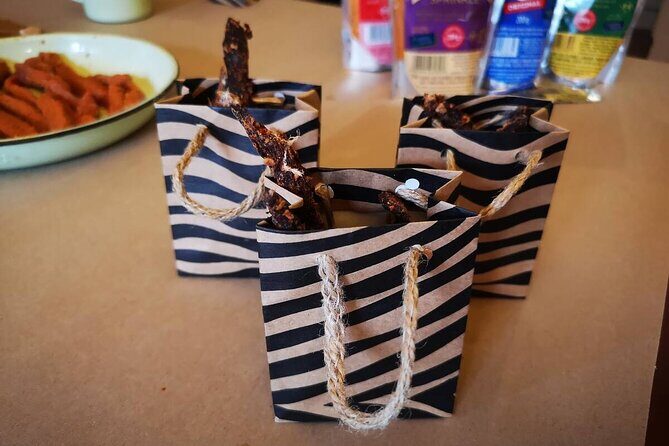
Once your meat is prepped, the focus turns to marinade and seasonings. You’ll be taught the basics of seasoning blends that are typical for biltong, and you’ll learn how to work the spices in so the flavor shows up in every bite.
This is also where the workshop gives you a mindset shift. The guides explain how seasoning isn’t just for taste—it’s part of the curing approach and a big part of why biltong has a distinct identity. So even if you tweak spices later, you’ll know what you’re changing and what you might be sacrificing.
They also make it social. You’ll be tasting and chatting as they explain steps, so you’re not stuck in a classroom mode. And since they’re playing Boeremusiek (folk music) and sharing local song moments, it stays light even when the subject gets specific.
Curing, storage, and what you should do after the workshop
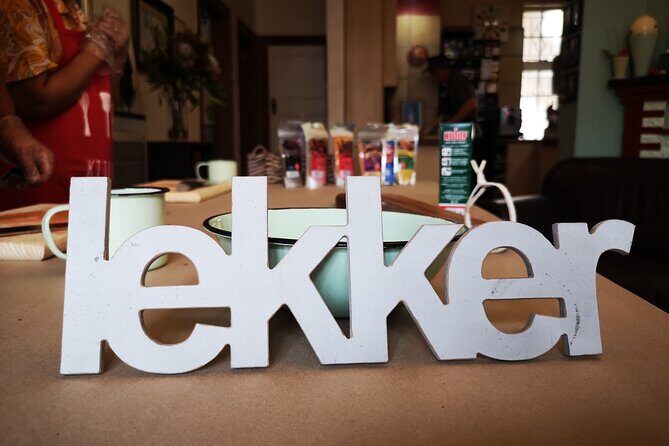
The biltong-making process doesn’t end at the first bite. You’re taught how to cure and store your biltong, which is the part that usually trips people up when they try at home.
The key value for you here is understanding that curing is a process, not a magic moment. The workshop walks you through how storage is part of protecting what you’ve done and keeping it enjoyable later. That advice matters if you’re making food for travel lunches or for sharing.
You’ll also get tasting during the session, and you’ll receive samples of biltong sticks to eat or to take home. That means you don’t have to wait to judge the outcome; you can taste the style you’re learning as you go.



Vegan biltong option: what’s actually offered
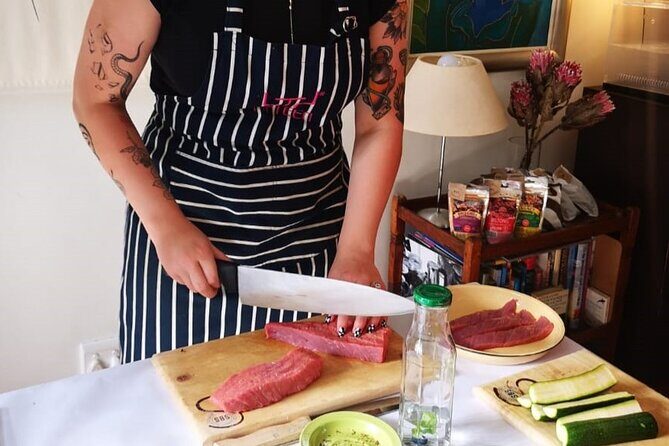
If you eat vegan, this workshop is built for you. The experience includes a vegan option that the guides present as surprisingly good, not as a compromise.
I like the way they frame this: they treat it as part of the workshop rather than a separate side activity. That makes it easier for you to join fully and still connect the process to what you’ll taste.
One practical note: since the workshop data doesn’t specify exactly what plant-based form the vegan option uses, you should go in expecting a taught alternative rather than assuming it mirrors beef biltong perfectly. The payoff is that you’ll learn the general biltong idea and seasoning logic in a way you can actually use.
Afrikaans language, South African origins, and the stories behind it
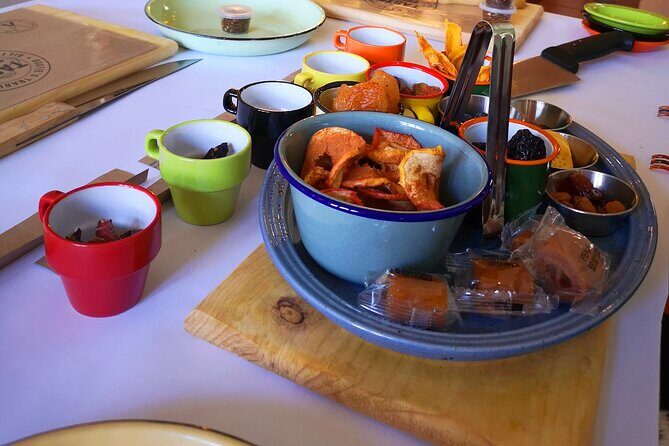
This workshop has a strong cultural backbone. You’ll hear stories that connect biltong to Khoisan hunter-gatherers, then to spice additions tied to the pioneers of the Great Trek. You also learn about the Afrikaans language and its origins, including the claim that Afrikaans is the only European language born in Africa.
You’re not getting a textbook. You’ll also get expressions in Afrikaans, plus classic Afrikaans sayings that show up in everyday speech. The guides play with humor and tall tales, and they serve this through conversation rather than lecturing.
That matters for your experience because it changes how you think about what you’re eating. Biltong becomes more than a snack you buy. It becomes something you can explain, which makes it a better souvenir than just a bag in your luggage.
Moerkoffie, karringmelkbeskuit, and small touches that add up
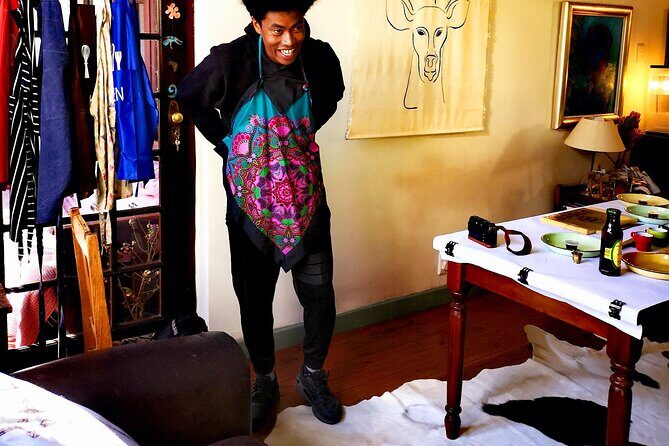
Food culture in South Africa isn’t only meat, and this workshop reflects that. You’ll be offered moerkoffie brewed in a tin mug, along with karringmelkbeskuit, a sweet snack.
These small touches are more than comfort. They give you time to slow down and absorb what you’re learning. While you sip and snack, the guides keep the stories and explanations coming, and the music keeps it from turning into a lecture.
If you care about value, this is part of why the session feels worth it. You get tastings and snacks on top of the teaching, and you get to be in a relaxed home setting where you can ask questions without worrying about a rigid schedule.
Price, group size, and value for your 90 minutes
At $37.58 per person, this is priced like a specialty workshop, not a casual tasting. For your money, you’re paying for three things that matter: small-group attention (max 6), a hands-on process explanation (meat, cut, marinade, seasoning, curing, storage), and samples you can eat or take away.
The duration—about 1 hour 30 minutes—also helps value. It’s long enough to teach the real steps without swallowing your whole day. And because biltong is portable, you can turn what you learn into something practical after you return home.
One more smart planning detail: it’s typically booked about 25 days in advance. That’s a sign it doesn’t stay open long once people discover it, especially with a max group size. If you’re traveling during peak months, book early so you don’t get stuck with whatever time slots remain.
Who this suits best (and who should think twice)
This workshop is ideal if you want an up-close Cape Town experience that mixes food craft with local stories. If you like hands-on classes, small group settings, and learning how people actually live and speak, you’ll probably have a great time.
It’s also a solid fit if you’re traveling with a partner or friends and want something different from the usual history or view-based tours. You’ll be busy, but in a relaxed way, and the music plus conversation keeps it from feeling stiff.
If you’re only interested in eating and you don’t want to participate much in the process, you might find the hands-on portion too involved. Also, if you’re not comfortable around raw meat handling, you’ll want to consider that before booking.
Should you book Soutie’s Biltong-Making Experience?
Yes, if you want a compact, friendly workshop where you learn the real fundamentals of biltong-making and you also get the Afrikaans and South African cultural context that explains why the food matters. The best part is that you don’t just leave with an idea—you leave with samples, tastings, and a clearer path to making biltong at home.
Skip it only if you want a large-group, sightseeing-style tour or you’re uncomfortable with the hands-on nature of making cured meat.
FAQ
Where does the biltong-making experience start?
It starts at 165 High Level Rd, Sea Point, Cape Town 8060, South Africa, and the activity ends back at the meeting point.
How long is the experience?
The workshop runs for about 1 hour 30 minutes.
What does the price include?
You learn the basics of biltong-making (meat selection, cutting, marinade, seasoning, curing, and storage) and you receive samples of biltong sticks to eat or take home. There’s also an opportunity to buy more.
Is there a vegan option?
Yes. The experience includes a vegan biltong alternative that’s described as surprisingly good.
How large is the group?
The experience has a maximum group size of 6 travelers.
Do I get to learn about culture and language too?
Yes. You’ll hear stories tied to biltong’s origin, the Afrikaans language, and you’ll learn a few local expressions, along with music and songs during the session.
Can I cancel for a full refund?
You can cancel for a full refund if you cancel at least 24 hours in advance of the start time. If you cancel less than 24 hours before, the amount paid is not refunded.
Do I need a printed ticket?
No. The experience uses a mobile ticket, and you’ll receive confirmation at the time of booking.