REVIEW · CAPE TOWN
Three Day Private tour: Table Mountain, City, Cape Peninsula and Winelands
Book on Viator →Operated by Zion Escape Tours and Travels · Bookable on Viator
Cape Town in three days, with no guesswork. I love the Table Mountain cable car for the instant big-view payoff, and you also get great wine tastings in Stellenbosch and Franschhoek without spending your time routing buses. The one thing to plan for is a packed schedule, plus meals (including lunch) and the optional funicular at Cape Point are not included.
This is a private tour in a luxury vehicle (minimum 3 people), with hotel pickup and drop-off, and a qualified South African guide. I especially like that guides here earn praise for making the day feel personal; one name that comes up is Armando from Zion Escape Tours.
In This Review
- Key highlights worth planning for
- Day 1: Bo-Kaap, Table Mountain cable car, Signal Hill, and the Robben Island choice
- Bo-Kaap: the Malay Quarter above the city
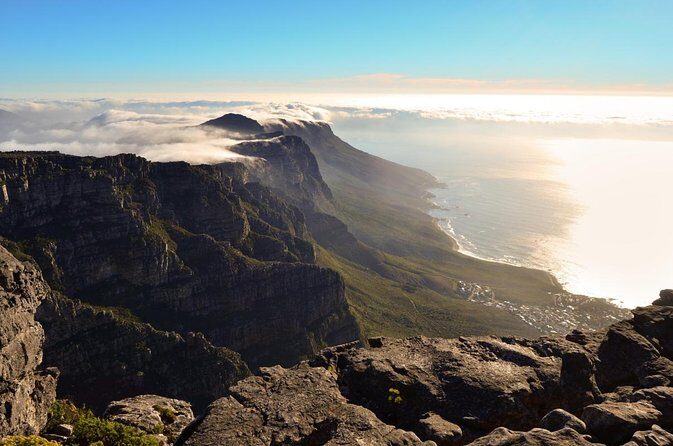
- Table Mountain: the big-view payoff, done the easy way
- Signal Hill: the Noon Gun views (and the why behind it)
- Robben Island: strong option, but you control it
- A balanced Day 1 rhythm
- Day 2: Stellenbosch and Franschhoek wine estates with real tastings
- Babylonstoren: a garden-first start and an easy tasting
- La Motte: Franschhoek Valley setting, art, and a classic estate feel
- Franschhoek lunch: the town that makes you want to linger
- Delaire Graff: Helshoogte Pass views with a premium reputation
- Stellenbosch: a quick taste of the town
- Day 3: Cape Peninsula highlights from Hout Bay to Boulders Beach penguins
- Hout Bay and the optional Seal Island boat trip
- Chapman’s Peak Drive: one of the world’s best-feeling scenic drives
- Long Beach and the approach to Cape Point
- Cape Point Ostrich Farm: a playful break
- Cape Point: Cape of Storms, lighthouse, and the funicular note
- Simon’s Town for lunch: fish by the marina
- Boulders Beach penguin colony: the close-up moment
- Muizenberg Beach: the colorful huts on the way back
- End time
- Price and value: what you’re paying for in $1,054.70 per person
- Best fit: who this 3-day private tour suits
- Practical tips to make this tour smoother
- Should you book this 3-day private tour?
- FAQ
- What is the tour duration?
- What time does the tour start?
- Where do I meet the tour?
- Is hotel pickup and drop-off included?
- What major activities are optional?
- What does the price include?
- What is not included in the tour?
Key highlights worth planning for
- Table Mountain by cable car: one-hour ascent with admission included
- Bo-Kaap color and context: Malay Quarter stories and viewpoints above the CBD
- Robben Island optional: ferry and museum time included when you choose it
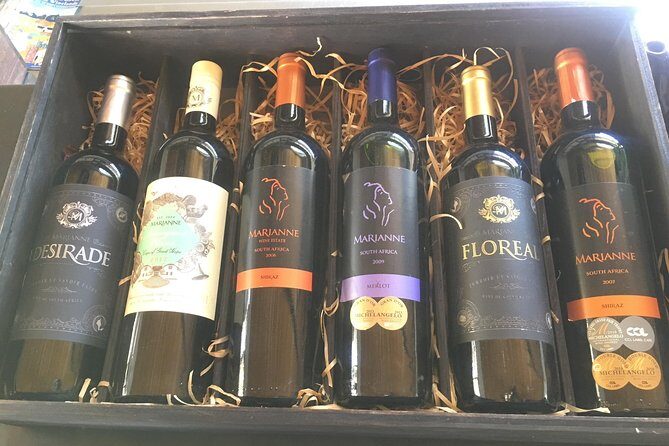
- Stellenbosch and Franschhoek wine estates: tastings at top properties built around scenery and craft
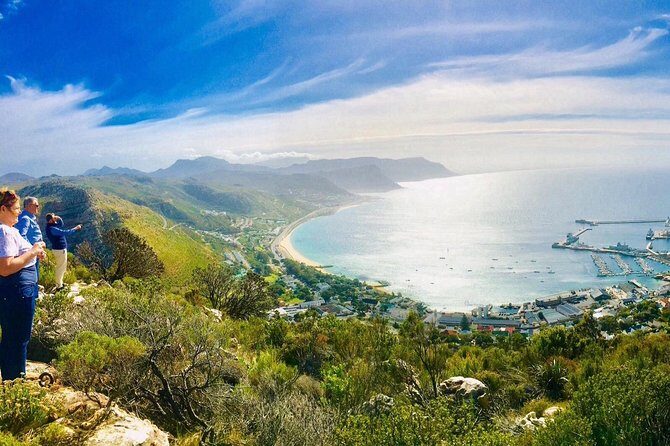
- Cape Peninsula wildlife loop: Chapman’s Peak, Cape Point, penguins at Boulders Beach
- Optional Seal Island boat trip from Hout Bay: choose it if you want extra wildlife time
Day 1: Bo-Kaap, Table Mountain cable car, Signal Hill, and the Robben Island choice

Your first morning is built around two Cape Town icons and one neighborhood you’ll remember long after the photos. You meet at the Zeitz Museum of Contemporary Art Africa at the V&A Waterfront area and start at 8:00am, with hotel pickup offered if you’re staying in Cape Town. From there, the day moves fast, but it never feels random.
You can also read our reviews of more city tours in Cape Town
Bo-Kaap: the Malay Quarter above the city
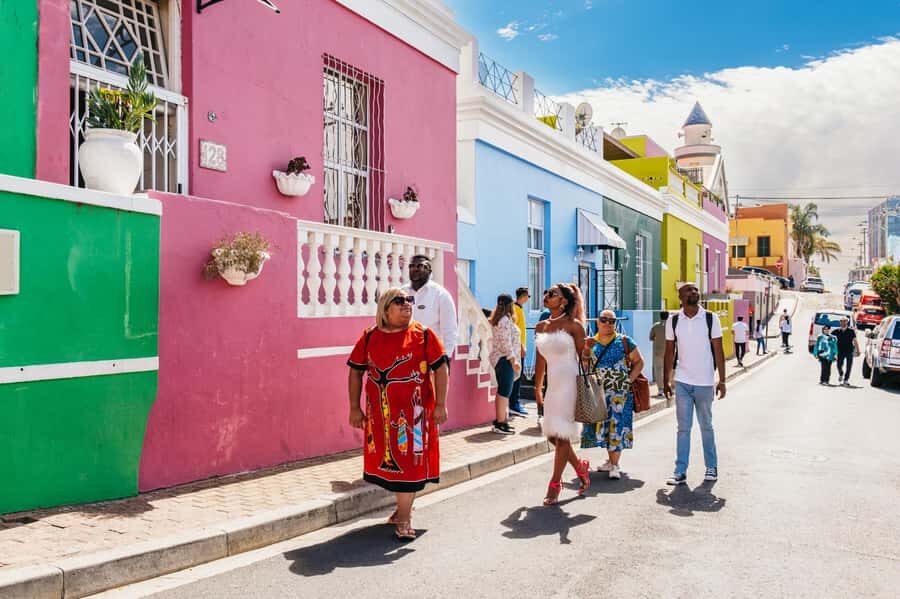
Bo-Kaap sits above the central business district and is small—easy to explore on foot with your guide once you’re there. The brightly painted houses are the headline, but what makes the stop worthwhile is the story behind them: after slavery was abolished in 1834, people were relocated to the Cape by Dutch authorities from Sri Lanka, Malaysia, and the Indonesian Archipelago. Over time, many descendants became known locally as Cape Malays, and Bo-Kaap became a core settlement area.
If you care about “why a place looks like this,” Bo-Kaap delivers. It also sets the tone for Cape Town as a city of layered cultures, not just scenery.
Table Mountain: the big-view payoff, done the easy way
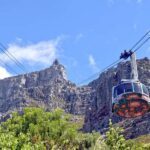
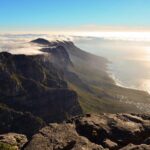
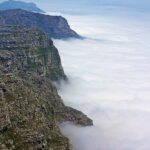
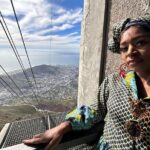
Next is Table Mountain Cableway Station, and then you ride up by cable car. You’ll spend about an hour at the top area exploring the mountain views, and Table Mountain tickets are included. This is a top value moment of the trip because you’re not just driving past the attraction—you’re actually up there, where the viewpoints make the city and coastline make sense.
Practical tip: Table Mountain can change quickly with weather. You don’t need to overthink it, but do bring a light layer even if it’s warm at sea level. Your guide will help you decide where to aim your time on top.
Signal Hill: the Noon Gun views (and the why behind it)
After Table Mountain, you’ll drive to Signal Hill via Lion’s Head for the kind of view that makes Cape Town feel like it’s been built around mountains on purpose. Signal Hill is known for the Noon Gun, first fired in 1806 as a daily signal to ships in Table Bay. Your guide’s commentary makes this feel less like trivia and more like a glimpse into how coastal life once worked.
This stop is shorter—about 30 minutes—but it’s a good “reset.” It also gives you a different angle on the city than Table Mountain.
Robben Island: strong option, but you control it
Lunch happens at the V&A Waterfront, where you’ll have plenty of restaurant choices. After lunch, you can take the ferry to Robben Island; the ferry departs at 13:00 and the island visit is about four hours. Robben Island ferry and admission are included, but it’s marked as optional—so you’re not forced into it if your energy is better spent elsewhere.
Robben Island’s meaning is the point. During apartheid, many Black people were held there as political prisoners, including Nelson Mandela. When you treat this as an important stop rather than a checkbox, it hits differently. Even if you already know the basics, being there adds weight to the story.
You can also read our reviews of more private tours in Cape Town

A balanced Day 1 rhythm
Day 1 is the “structure” day: neighborhood culture (Bo-Kaap), viewpoint wow (Table Mountain and Signal Hill), and a major historical choice (Robben Island). The main drawback to be aware of isn’t the stops—it’s the day’s momentum. If you prefer a slow pace, you’ll still be fine, but you should go in expecting a full schedule and plan your lunch time thoughtfully.
Day 2: Stellenbosch and Franschhoek wine estates with real tastings
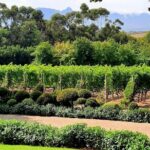
Day 2 is where the trip earns its reputation as a best-of Cape Town route. You head into the Cape Winelands and spend most of the day at wine estates known for setting and tasting experiences—not just for selling bottles.
This is also the day you’ll appreciate traveling in a private luxury vehicle. Wine regions are spread out. Without a guide and transport, it’s easy to waste time. Here, your time is built around tastings and scenic drives.
Babylonstoren: a garden-first start and an easy tasting
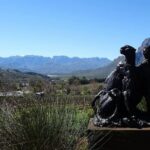
You begin at Babylonstoren in Stellenbosch—an older Cape Dutch farm with standout gardens. The experience isn’t only about wine; you walk through the property’s fruit and vegetable garden and then do your first wine tasting of the day.
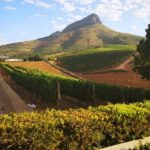
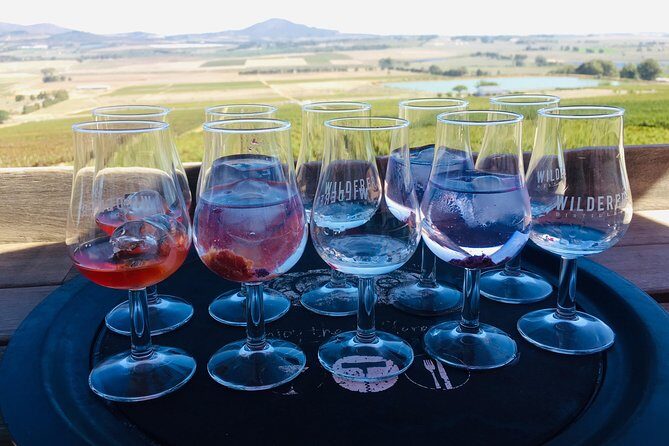
Wines are produced in a modern setup designed to reflect soils and climate where grapes are grown. The tasting room sits next to the wine cellar with views of the conical Babylonstoren hill, Simonsberg, and the Banghoek Mountains. That matters because it ties the tasting to place, not just glassware.
If you like estates that feel like a full property experience—food, gardens, and wine working together—this stop will land well.
La Motte: Franschhoek Valley setting, art, and a classic estate feel
Next is La Motte in the Franschhoek Valley. This is a more classic “estate afternoon” style stop, with award-winning wines and tastings at a comfortable venue that looks into working and maturation cellars through large glass panels.
La Motte is also described as having a stylish, relaxing atmosphere and includes original works of art around tasting spaces. Even if you’re not a deep wine nerd, you’ll enjoy it because it’s calm and scenic.
Franschhoek lunch: the town that makes you want to linger
You stop for lunch in Franschhoek and have about two hours. The region is often called South Africa’s food and wine capital, and the name means French Corner, reflecting the area’s French connections. Practically, this free time is a chance to recharge and enjoy the town rather than only moving from estate to estate.
Expect cobbled charm and good meal options. The trip doesn’t include lunch, so decide early if you want something simple or something special—two hours goes quickly.
Delaire Graff: Helshoogte Pass views with a premium reputation
After lunch, you drive via Helshoogte Pass towards Stellenbosch. En route, you visit Delaire Graff, described as the Jewel of the Cape Winelands, and you do your last wine tasting of the day.
This stop sits on the crest of the Helshoogte Mountain Pass. The winemaking approach is framed around terroir and long ripening seasons, aiming for structure and elegance in the wines. Even if you don’t remember every varietal after tasting three estates, you’ll remember the setting.
Stellenbosch: a quick taste of the town
You finish with a drive through Stellenbosch, known as South Africa’s second oldest town and home to the University of Stellenbosch. It’s a shorter stop (about 20 minutes) and is more about orientation than deep exploration. If you want more time here, consider adding a separate day on your own later.
Day 3: Cape Peninsula highlights from Hout Bay to Boulders Beach penguins
Day 3 is all about the Cape Peninsula’s drama—coastlines, lookouts, and wildlife moments. This is the part of the trip where you’ll feel like Cape Town isn’t just a city. It’s a launch point for an ocean edge that keeps surprising you.
Hout Bay and the optional Seal Island boat trip
The day starts with a drive via Camps Bay to Hout Bay. From there, you can do a 45-minute boat trip to Seal Island if you want. That’s optional, and it’s a nice way to add a different angle: you see coastline from the water, not just from the road.
Even if you skip the boat trip, you still get the scenic driving and the big wildlife stops later.
Chapman’s Peak Drive: one of the world’s best-feeling scenic drives
Next is Chapman’s Peak Drive, named after the captain’s mate of an English ship called the Consent in 1607. The road was ordered in the early 1920s by Sir Nicolas Frederick de Waal, and many people call it one of the most scenic drives in the world—so your job is simply to stop at the lookout point and soak it in.
There’s a 20-minute stop for photo time. This isn’t a long excursion, but it’s timed perfectly for peak views without dragging the day out.
Long Beach and the approach to Cape Point
You drive past Long Beach in Noordhoek, where the stretch is wide and backed by wetlands and flora and fauna. From the road, it gives you a sense of the peninsula’s scale—this land isn’t just rocks and cliffs. It includes quieter, softer stretches too.
Cape Point Ostrich Farm: a playful break
You then head to Cape Point Ostrich Farm, near the Cape of Good Hope Nature Reserve. The fun part here is simple: you can feed the ostriches. It’s a short stop (about 15 minutes), but it adds energy to a day that can otherwise feel like nonstop sightseeing.
This is also a good moment to check how you feel physically. The peninsula route is scenic, but you’re in and out of vehicles and stops all day.
Cape Point: Cape of Storms, lighthouse, and the funicular note
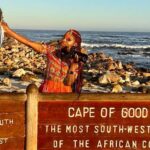
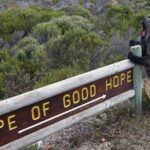
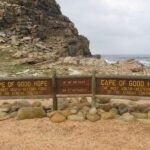
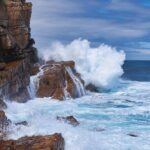
At Cape Point Nature Reserve, the story gets bigger. The point was called the Cape of Storms by Bartolomeu Dias in 1488. For centuries, sailors treated it with respect, both as a navigational landmark and as a dangerous area known for violent storms and shipwrecks.
The lighthouse story is part of the appeal too: in 1859, a first lighthouse was completed and it still stands at about 238 meters above sea level. Access to the lighthouse building is via a “Flying Dutchman” funicular ride described as wheelchair-accessible in the information you have.
Your guide includes the Cape Point fees, and you’ll have about 1.5 hours here. The funicular ride itself is listed as not included—so if you plan to go up by funicular, budget extra.
Simon’s Town for lunch: fish by the marina
You stop in Simon’s Town for lunch. You’ll have many restaurant choices known for fresh fish, and the vibe is right by the marina. It’s about an hour, so it’s enough time for a proper meal and a short reset before the penguin stop.
Again: lunch isn’t included, so this is your chance to choose something you’ll remember.
Boulders Beach penguin colony: the close-up moment
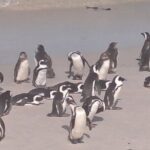
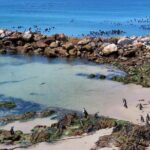
Then comes one of the trip’s most crowd-pleasing stops: Boulders Beach Penguin Colony. This is the only place in the world where you can see African penguins up close, and it’s described as one of Cape Town’s most visited beaches.
In 1982, a couple of penguins settled between granite boulders that protect the beach from wind and strong waves. Current estimates put the population around 2,000 to 3,000 birds. The information also notes that African penguins are endangered due to factors like overfishing, habitat destruction, pollution, and irresponsible tourism activities.
This stop is included with admission, and you’ll have about 45 minutes. It’s short enough to keep it exciting, long enough to watch behavior—waddles, huddles, and the ocean routine.
Muizenberg Beach: the colorful huts on the way back
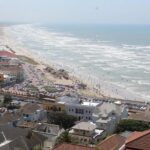
On the return route, you pass Muizenberg Beach, famous for its colored beach huts used as changing rooms—reminders of the bathing machine era of the 1800s, when carts were wheeled down to the water’s edge.
This is a brief look (about 15 minutes), but it makes the return feel like you’re still sightseeing, not just driving home.
End time
Drop-off is back at your accommodation around 18:00. That’s late enough for a full day, but early enough that you still have evening energy.
Price and value: what you’re paying for in $1,054.70 per person
At $1,054.70 per person, this tour isn’t cheap. The question is: what does the price actually buy you?
Here’s the value case, point by point:
- Private, luxury transport for three days: you’re not sharing a bus with strangers who may wander off at stops. You also get smoother routing across Table Mountain, wine regions, and the Cape Peninsula.
- Professional guide: the tour emphasizes guided interpretation, and the reviews you have include praise for a guide (Armando) being warm, generous, and knowledgeable about South Africa and the places visited.
- A lot of admission is already covered: Table Mountain ticket, Robben Island ferry, penguin colony admission, and fees tied to Cape of Good Hope are included. Wine tasting fees are included too.
- Bottled water and hotel pickup/drop-off: these small comforts add up on long days.
Where you should expect extra costs:
- Food and drinks are not included, so lunch (and any snacks you want) are on you.
- The funicular ride at Cape Point is also not included, even though access via the funicular is part of the visit setup.
My practical take: this price makes sense if you want a smooth “one booking, three days” solution with key ticketed experiences handled and interpreted. If you’d rather drive yourself and pay only for tickets, then it may feel pricey.
Best fit: who this 3-day private tour suits
This tour is especially well matched if you:
- want to hit Cape Town + Winelands + Cape Peninsula in a short window
- prefer a guide to handle route decisions and explain what you’re seeing
- like the combination of major viewpoints and structured wine tastings
- don’t want to piece together separate tours for Table Mountain, Robben Island, and the peninsula
It may be less ideal if you:
- want deep town time every day (the schedule includes multiple stops, and lunch time is the main free pocket)
- dislike optional choices like Robben Island or Seal Island boat trips
- have a strict budget for meals, since food isn’t covered
Practical tips to make this tour smoother
A few things will help you enjoy it more, with less stress.
- Plan for meals: bring spending comfort for lunch and any drinks. Lunch appears at V&A Waterfront (Day 1) and Simon’s Town or nearby (Day 3).
- Dress for hills and wind: you’ll go from city and mountain heights to coastal areas. A light layer is smart.
- Use the optional stops wisely: Robben Island is powerful but emotionally heavy; Seal Island is fun and active. Choose based on your energy, not on FOMO.
- Remember the included tickets: Table Mountain, penguin colony, Robben Island ferry, and wine tastings are already included in the fee list. That’s a big part of the cost value.
Should you book this 3-day private tour?
Book this if you want a tightly planned route that still feels personal: private luxury transport, guide-led interpretation, and key admissions handled. It’s a strong choice for first-time Cape Town visitors who want the headline sights—Table Mountain, Bo-Kaap, the Cape Peninsula’s lighthouse and penguins—and a proper day in the Winelands.
Skip or rethink it if you want lots of free roaming time, you hate packed schedules, or you’re trying to keep total costs low by self-planning meals and extras like the Cape Point funicular.
If you like your vacations structured but not sterile, this is the kind of tour that can make three days feel like a full Cape Town story.
FAQ
What is the tour duration?
It runs for about 3 days.
What time does the tour start?
The start time is 8:00am.
Where do I meet the tour?
The meeting point is the Zeitz Museum of Contemporary Art Africa on S Arm Road at the V&A Waterfront area in Cape Town.
Is hotel pickup and drop-off included?
Yes, hotel pickup and drop-off are included.
What major activities are optional?
Robben Island is optional on Day 1, and the Seal Island boat trip from Hout Bay is optional on Day 3.
What does the price include?
The tour includes private transportation, bottled water, a professional guide, hotel pickup and drop-off, and listed fees such as Cape of Good Hope, Table Mountain tickets, penguin colony admission, wine tastings, and the Robben Island ferry.
What is not included in the tour?
Food and drinks are not included, lunch is not included, and the funicular at Cape Point is not included.