REVIEW · PORT ELIZABETH
Whale, Dolphin & Penguin Island Cruise
Book on Viator →Operated by Raggy Charters · Bookable on Viator
Whales, penguins, and dolphins in one calm cruise. I love the small-group format and the time you get with the guide and skipper, including a team lead named Jake. I also like the slow, photo-friendly pace on the water while you scan Algoa Bay for marine life. One possible drawback: this is wildlife spotting, so sightings depend on the day—and it’s not guaranteed.
You’ll meet at 8:00am and be back about 4 hours later, and the cruise runs just once daily. I also appreciate the eco angle: the operator uses a tree-planting campaign to help balance the carbon footprint.
This is a practical, easygoing outing with a mobile ticket and life jackets available for all ages. The boat can handle different needs with assistance, but you’ll still want to join at your own comfort level if you’re managing health or mobility.
In This Review
- Key things to know before you go
- Arriving in Port Elizabeth for an 8:00am start
- The water hunt in Algoa Bay: whales and dolphins when timing matters
- St. Croix Island and the African penguin colony up close
- What the boat experience feels like on Raggy Charters
- Conservation-minded guiding: why the explanations are part of the value
- Price and value: is $185.19 a fair deal?
- Who should book this cruise?
- Should you book Raggy Charters’ Whale, Dolphin & Penguin Island Cruise?
- FAQ
- Where does the cruise start?
- What time does the tour begin?
- How long is the cruise?
- How many people are on the boat?
- What wildlife might I see?
- When is the best time to see penguin chicks?
- Is the cruise eco-sustainable?
- Do I need good weather?
- Is there an age limit or accessibility limits?
Key things to know before you go
- Small boat, slower pace: more time to ask questions and track animals instead of racing between sightings.
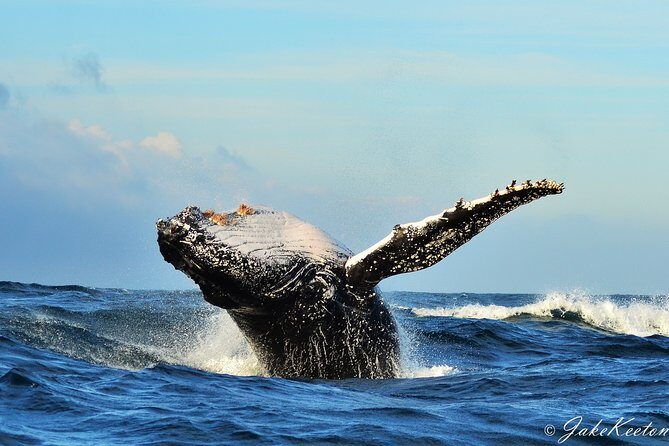
- Seasonal whale chances: humpbacks show from June to early December; southern right whales are seen close to shore from July to September.
- St. Croix Island scale: one of the largest African penguin colonies, with breeding peak between March and May.
- Penguins plus more birds and marine life: cormorants, gannets, fur seals, sharks, and seabirds may appear depending on the route.
- Eco-sustainable effort: a tree-planting campaign is used to balance the carbon footprint.
- Limited group size: capped at 20 travelers, which usually means fewer crowds on the water.
Arriving in Port Elizabeth for an 8:00am start
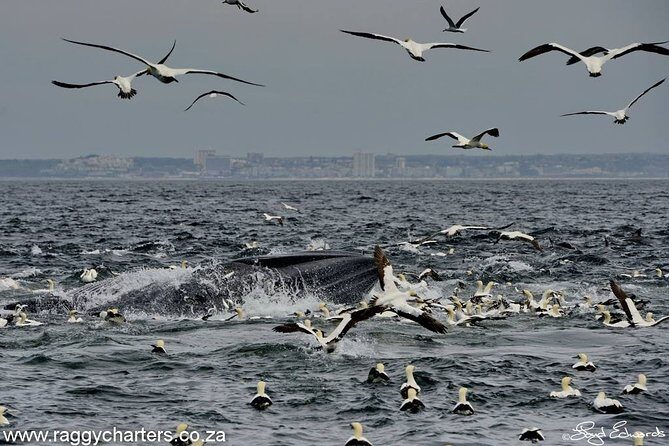
Port Elizabeth’s morning is the whole game here. You’ll meet at the Nelson Mandela Bay Yacht Club at Dom Pedro Jetty in the harbor area of Gqeberha Central, and the departure time is 8:00am. Since this cruise runs once a day, don’t plan on swapping it for an “extra” later—build your day around it.
The schedule is built for a relaxed hunt. After a short briefing, you’ll board a twin-engine catamaran and head out into Algoa Bay on a slow-moving route designed for viewing. Expect the day to feel more like guided wildlife watching than like a quick check-the-box excursion.
If you’re trying to time other Port Elizabeth activities, think in blocks: this outing is about 4 hours, including the time you spend on and around the island areas. It’s long enough to cover serious wildlife time, short enough to still have daylight afterward.
You can also read our reviews of more boat tours in Port Elizabeth

The water hunt in Algoa Bay: whales and dolphins when timing matters
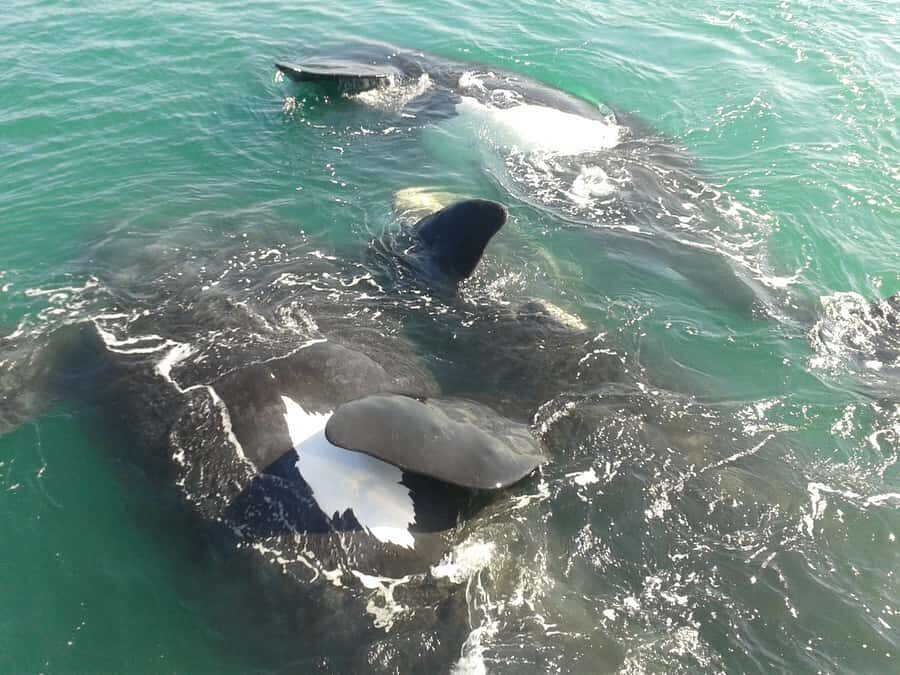
Algoa Bay is a strong place to look because the species show up in seasonal patterns. The big whales here are humpback whales, which can be seen from June to early December as they move along the coast toward breeding grounds. There’s also a return migration starting around October, often with females traveling with calves.
If you’re traveling in the southern right whale window, you have another shot. Southern right whales can be seen close in shore from July to September, which is great news if you’re hoping for easier viewing from the boat.
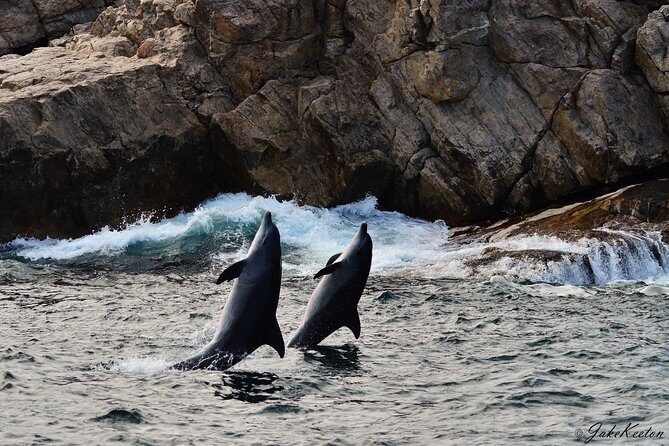
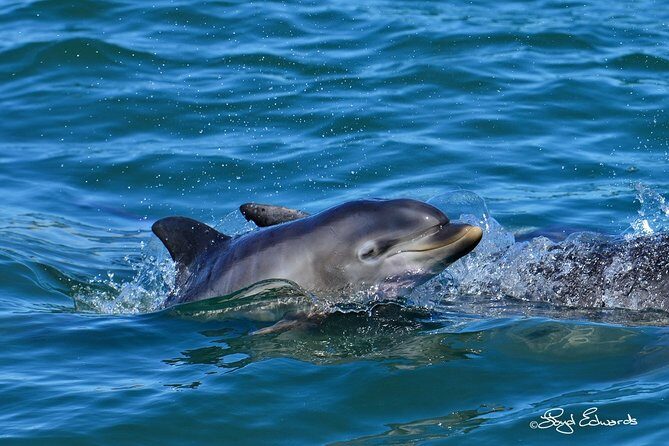
Dolphins are a more reliable bet. The cruise focuses on Indian Ocean bottlenose dolphins (spelled as Indo-Pacific bottlenose dolphins in the tour details), seen all year round. They often hang around shallow waters near beaches and around St. Croix Island, and they can come close enough to ride along in the bow waves—so yes, you may get that classic “the boat is part of the scene” experience.
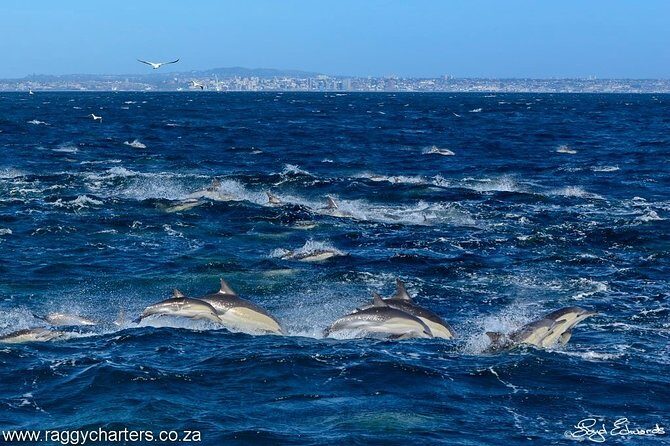
There’s also a chance for common dolphins, which can show up in large groups out in the bay. When they’re there, they can move fast and look like they’re drawing quick lines across the water. Your guide and skipper are key in moments like this, because they know how to position the boat for viewing while still keeping things safe and calm.
A practical note: the cruise is described as slow-paced. That’s not just comfort. It’s also smart viewing. It gives the crew time to track animal behavior—like where dolphins are feeding and where whales are surfacing—without turning the day into a sprint.
St. Croix Island and the African penguin colony up close
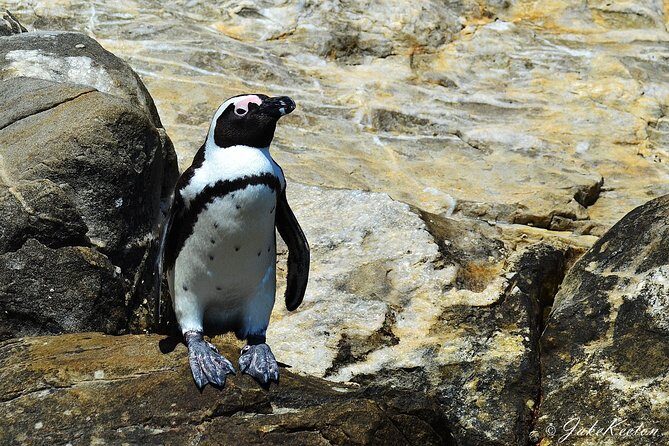
St. Croix Island is the cruise’s anchor. It’s home to about 12,000 endangered African penguins, and it’s described as the largest breeding colony in Africa. The details come with a sobering reality check too: the colony has lost about 70% over the last decade, linked to pressures like overfishing.
When you get there, the encounter is about close viewing from the boat. The cruise info says you’ll be looking for penguins in the breeding season, with the peak between March and May. If your trip lands in those months, you might see chicks from the boat, which adds a whole second layer of meaning to the visit.
And penguins aren’t the only wildlife here. The island group supports African black oystercatchers and multiple cormorant species, including white-breasted cormorants and Cape cormorants. That matters because it changes the feel of the visit: even if penguins are quiet at a given moment, the island ecosystem is still active.
One more reason this stop works: it’s tied to a conservation setting. The island group (St. Croix plus the bird island area) is part of Addo Elephant National Park, which means rangers patrol and protect the area. For you, that’s reassurance that the “up close” element comes with stewardship behind it, not just access.
Reality check to keep expectations grounded: penguins can be more or less visible depending on timing and conditions. The upside is that the cruise is designed so that you’re not stuck with only penguins as the attraction—you also have whales and dolphins from the sea.
What the boat experience feels like on Raggy Charters
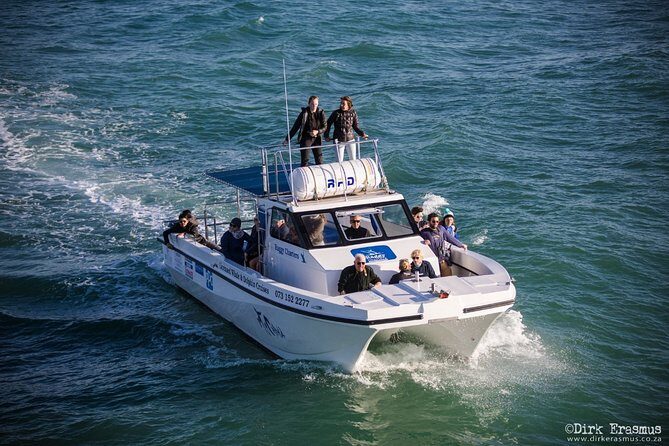
This is a twin-engine catamaran setup with a small max group size—20 people. On a larger boat, you often end up stuck at the edges, waiting for the captain to turn. Here, the crew’s job is easier because they can keep everyone oriented while looking for animals.
The pace is intentionally slower and more relaxed. That’s a big deal if you care about photos. When the boat swings quickly between far-off sightings, you lose the chance to frame well. A slower rhythm gives you more time to watch behavior, not just catch a single moment.
Safety is taken seriously in how the crew runs the day. You’ll have life jackets available for all ages, and the tour notes that people with disabilities can join if they can board with assistance from family and crew. There’s no stated age limit.
If you’re worried about physical comfort, use the tour’s own caution: join at your own discretion regarding health and fitness. You’re on open water, and conditions can vary. The good news is that the crew has handled different conditions well, including days that are choppy or rainy, so don’t let weather fear you out of it.
Also keep in mind: this kind of outing works best if you dress for sea air and sun. Even when the boat is calm, you’ll likely feel the breeze and want to be comfortable for the full viewing window.
Conservation-minded guiding: why the explanations are part of the value
This cruise isn’t only about the animals you see. It’s also about what you learn while you’re looking. The tour is described as guided by conservationist staff and skippers with in-depth knowledge of the ecosystem.
That shows up in two ways. First, the guide helps you understand the behaviors you’re witnessing—like how dolphins move in groups, why whales surface where they do, and what penguin breeding timing means. Second, the conservation message frames the whole day, including the reality that the penguin population has dropped sharply.
And there’s a practical “why it matters” side too. When you understand what you’re seeing, you spend less time guessing and more time noticing. That turns your photos from random snapshots into images with context—like showing the kind of group behavior you learned to look for.
The eco-sustainability effort is also part of the story. The operator says they use a tree-planting campaign to balance the carbon footprint. It doesn’t replace conservation work on the water, but it signals that the operator is thinking about impact, not just entertainment.






Price and value: is $185.19 a fair deal?
At $185.19 per person, this cruise isn’t cheap. But you’re paying for a few specific things that add up in practice.
You get:
- A limited group size (max 20), which usually means more personal attention and easier viewing.
- A full 4-hour outing, not a rushed “quick spin and goodbye.”
- Multiple wildlife categories: whales, dolphins, penguins, plus possible seals, sharks, and seabirds.
- A team focused on conservation education, not just steering the boat.
It’s also priced like an activity that competes with cruise excursions. One clear piece of practical advice from the pattern of experiences here: if you’re deciding between booking directly versus via a cruise ship, compare the boat and operator. Sometimes direct booking can be cheaper while using the same kind of service.
The biggest thing to understand about the price is this: you’re not buying guaranteed whales and guaranteed penguins. You’re buying access to the right waters, the right timing windows, and the right crew tactics to maximize your odds. If you’re flexible and you enjoy slow wildlife viewing, the value tends to feel stronger.
Who should book this cruise?
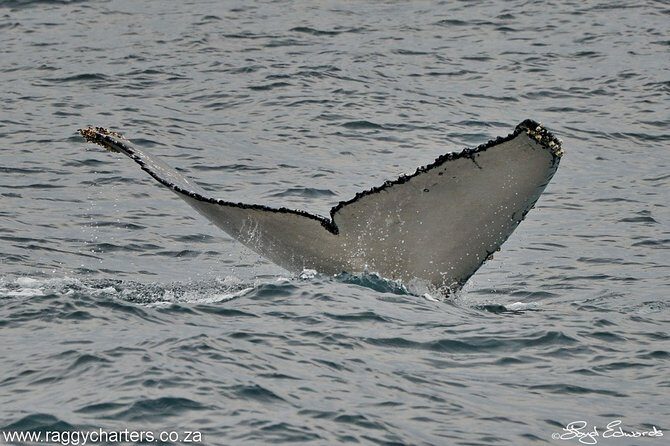
This is a good fit if you want nature time with structure. It works well for people who enjoy learning something while they watch—especially if you care about how animals live and why their habitats matter.
It also suits:
- Families of mixed ages (no age restriction is stated, and life jackets are available).
- Photo-minded travelers who prefer a slower pace and fewer people.
- Anyone visiting Port Elizabeth who wants an outdoors activity that’s active, but not exhausting.
You might want to think twice if:
- You get motion sick easily and can’t manage open-water conditions.
- You need guaranteed sightings. This is wildlife spotting, so the day’s luck matters.
Should you book Raggy Charters’ Whale, Dolphin & Penguin Island Cruise?
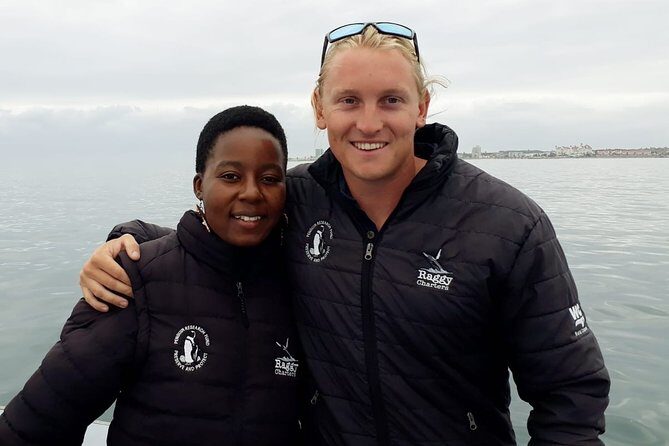
If your ideal Port Elizabeth day includes real marine life and a calm, guided search, I’d book it. The small-group size, the dedicated focus on whales and dolphins in Algoa Bay, and the St. Croix penguin encounter are a strong three-part combo for a short time on the calendar.
The only “pause” I’d give is timing and expectations. Choose your travel dates with the whale seasons in mind if whales are your top goal, and understand that penguins are the highlight but visibility varies.
If you can handle a few hours outdoors and you like nature with explanations, this cruise looks like a smart use of time—and a good way to see why conservation in this region matters.
FAQ
Where does the cruise start?
It starts at the Nelson Mandela Bay Yacht Club, Dom Pedro Jetty, Port Elizabeth Harbour, in Gqeberha Central.
What time does the tour begin?
The meeting time is 8:00am.
How long is the cruise?
The duration is about 4 hours (approx.).
How many people are on the boat?
The tour has a maximum of 20 travelers.
What wildlife might I see?
You may spot humpback whales (June to early December), southern right whales (July to September close in shore), bottlenose dolphins all year, and African penguins on St. Croix Island. The details also mention possible sightings of other marine and bird species.
When is the best time to see penguin chicks?
The penguin breeding season peaks between March and May, when chicks may be visible from the boat.
Is the cruise eco-sustainable?
Yes. The operator uses a tree-planting campaign to help balance the carbon footprint.
Do I need good weather?
Yes. The experience requires good weather. If it’s canceled due to poor weather, you’ll be offered a different date or a full refund.
Is there an age limit or accessibility limits?
There is no age restriction. Disabled guests are welcome if they can board with assistance from family and crew, and life jackets are available for all ages.