REVIEW · SKUKUZA
5 Day Wildlife Photographic Safari – Kruger National Park – B1 Photo Safaris
Book on Viator →Operated by B1 Photo Safaris · Bookable on Viator
Kruger wildlife is a moving target. This photo-first safari in and around Skukuza is built to help you spot better and shoot cleaner. You’ll get coaching in the vehicle while the driver focuses on getting you into the right places at the right times.
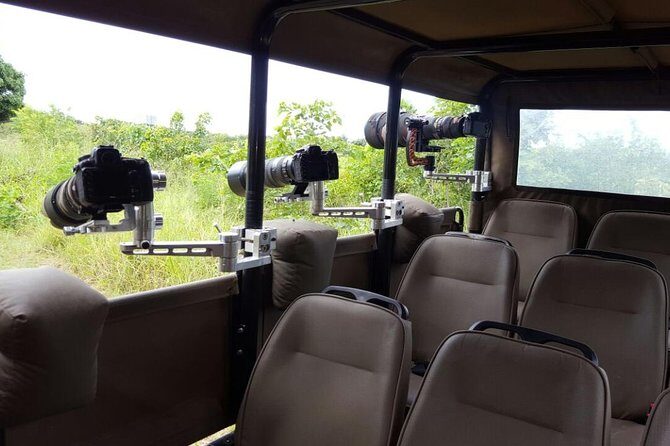
What I like most is the two-guide setup. One guide helps with camera settings and technique, while the other guides your vehicle and helps you with sightings and positioning. I also like the practical gear: the jeep has 220-volt sine-wave charging power plus built-in support for stabilizing shots.
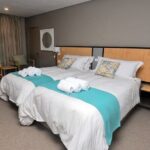
The main drawback to plan for is that you’ll be staying in basic 3-star bungalows. They’re clean, comfortable, and have air-con and a small kitchenette, but this is not a luxury lodge experience.
In This Review
- Key highlights to know before you go
- Skukuza and two-camp stays: how you cover more ground
- Your photo team: two guides onboard (and why it’s a big deal)
- Day 1: airport transfers, setup time, then your first long drive
- Days 2 through 5: multiple drives, two camps, and repeat chances that matter
- Small reality check
- The vehicle setup: stabilization and power that keeps batteries alive
- Accommodation: clean, cool, and practical (not fancy)
- Included vs not included: what you’re paying for (and what to budget)
- Value take
- Lens rentals and extra gear: how to handle it without stress
- Optional add-ons: bush walks and night drives are tempting
- Is this safari for you? Who should book it
- Should you book B1 Photo Safaris in Kruger?
- FAQ
- What time does the safari start, and is pickup included?
- Is this tour private, and how many people are in the group?
- How long is the trip, and how many nights do I stay in Kruger?
- What photography and comfort features are included on the vehicle?
- Are meals and dinner included in the price?
- Can I rent a lens or other camera equipment through B1?
- Are bush walks and night drives included?
- What happens if I cancel the booking?
Key highlights to know before you go
- Two guides in one vehicle: one focuses on settings and shooting, the other runs the drive and spotting.
- In-vehicle power for real shooting: 220-volt sine wave inverter, USB, and South African plug mounts.
- Stabilization built in: gimbal lens stabilization gear and bean bags fitted to the vehicle.
- 4 nights, two different camps: it changes your viewing angles and helps you cover more territory.
- Photo coaching is part of the game drive: you’re not just watching wildlife—you’re learning how to capture it.
- Optional add-ons cost extra: bush walks and night drives are available, but not included.
Skukuza and two-camp stays: how you cover more ground
Skukuza is one of Kruger’s most useful bases. You’re positioned for day-after-day game driving, and the tour is set up so you don’t spend your whole trip stuck in one single pocket of the park. Instead, you sleep in two different camps, which usually means different starting points for your drives and more chances to find fresh sightings.
That matters for photography. Wildlife patterns shift by the day, by temperature, and by where water and food pull animals in. When your camp changes, your “first hour” of each drive can be different, and that often affects what you catch early—when animals are most active and light is still working in your favor.
You’ll also feel the change in pace at night. Most of your time is out on the roads chasing sightings, but the camp switch helps keep the trip from feeling repetitive, even if the day structure stays similar.
A few more Skukuza tours and experiences worth a look
Your photo team: two guides onboard (and why it’s a big deal)
This safari is private, and it runs with two guides in the vehicle. The setup is simple: one guide helps you spot wildlife and stay ready, while the other guide focuses on helping you with camera settings and shooting technique. In practice, that’s a huge advantage because wildlife doesn’t give you a long lesson.
In past trips, guide pairings have included Bernhard and Hennie, and other camera-instruction specialists like Arno. You might get a similar mix, but either way the key is the same: you’re not left alone to figure out exposure and focus while also trying to track a moving subject.
If you’re learning wildlife photography, this kind of coaching is gold. You can adjust in real time—lens choice, shutter speed, autofocus mode, and how to steady your setup for different distances. If you already shoot wildlife, you still benefit, because the guide can help you translate what you’re seeing into camera choices that match the conditions.
Day 1: airport transfers, setup time, then your first long drive
Day 1 is built around getting you settled and ready to shoot. Airport transfers are handled, daily photographic safaris are arranged for you, and you’re not tasked with figuring logistics on the fly. You start at 10:00 am, so even if you’re jet-lagged, there’s at least a clear structure to begin your first day.
Once you’re in the vehicle, the coaching starts fast. One guide supports your camera and shooting decisions, and the other guides the drive. You’ll also be supported by practical vehicle features, like stabilization options and power outlets, which means you can stay focused on getting the shot instead of fighting your gear.
The first day is also your chance to calibrate expectations. Kruger wildlife is often about timing: keeping your camera ready, watching movement, and not overthinking settings when a moment arrives. A good start sets you up for the rest of the trip.
Days 2 through 5: multiple drives, two camps, and repeat chances that matter
The itinerary information emphasizes ongoing daily photographic safari time, plus a camp rhythm that improves your coverage of the park. You’ll be in two different camps over the course of the stay, with 4 nights included. The exact schedule of camp change isn’t spelled out day-by-day in the details you provided, but the logic is consistent: changing camps adds variety to where you start each day and where you’re positioned during different light and animal activity windows.
This is where photography-focused safari planning pays off. The more driving time you get, the more you can react to wildlife behavior without losing the whole day. And the more “entry points” you have into the park, the more likely you are to cross paths with species that don’t show up in the same places every day.
If you’re chasing specific animals, treat every drive as a chance to re-check patterns. Even when you’ve seen something once, you can often return to a similar area later and catch a different angle, a different distance, or a different behavior. That’s especially true for cats and other “sit-and-wait” animals.
Small reality check
This kind of safari still can’t guarantee specific sightings. The value is that you’re maximizing your chances with dedicated photo coaching, strong drive planning, and enough time on safari to keep searching when the bush is quiet.
The vehicle setup: stabilization and power that keeps batteries alive
The jeep is designed for photographers, not just tourists. It includes gimbal lens stabilizing equipment and bean bags fitted to the vehicle. That’s not a throwaway detail. Wildlife shots often hinge on stability, especially when you’re working with heavier lenses, longer focal lengths, or lower light.
On top of that, the vehicle has 220-volt sine wave inverters with USB and South African plug mounts. Translation: you can charge batteries, phones, and other gear when you need to, instead of rationing power like it’s rare oxygen. If you shoot seriously, this one feature can make or break your ability to keep shooting through the day and into the next morning.
Bottled water is included too. It’s simple, but it helps keep the focus on driving and shooting, not hunting for supplies mid-day.
Accommodation: clean, cool, and practical (not fancy)
You’ll sleep in basic 3-star bungalows. They’re described as clean and comfortable, with air conditioning and a small kitchenette that includes a fridge. For a wildlife photography trip, this is a good match. You need a place to cool down, review photos, recharge your devices, and pack for the next drive.
The kitchenette helps more than you’d think. Even if you mostly eat out, having a fridge can keep snacks and drinks from becoming an expensive daily habit. The AC is also a real win in warmer conditions, especially after long hours out in the field.
The trade-off is style and ambiance. This is functional lodging inside the park ecosystem, not a resort experience. If you’re the type who cares more about creature comforts than camera time, you’ll want to know that up front.
Included vs not included: what you’re paying for (and what to budget)
This safari includes 4 nights accommodation, selected airport transfers, and all game drives that are part of the photo safari plan. Bottled water and the vehicle photography support are included too.
Meals are not included. Dinner is listed as not included, and daily meals are excluded with an average meal price described as about $4 to $15 per person at restaurants and shops. That’s a useful budgeting range, and it also means you can choose meals based on timing with drives. If you want to keep mornings efficient for early light, having control over meals helps.
Gratuities are optional. That’s common, but it matters for planning: if you want to recognize your guides for the extra photo coaching and long hours, you’ll need to factor that into your personal budget.
Value take
The price is $2,819.95 per group (up to 1), so you’re paying for a private, photo-guided experience rather than splitting costs in a big group. What you get for that price is clear: more one-on-one coaching, more flexibility in how the vehicle is used, and a gear-focused setup that supports your shooting.
Lens rentals and extra gear: how to handle it without stress
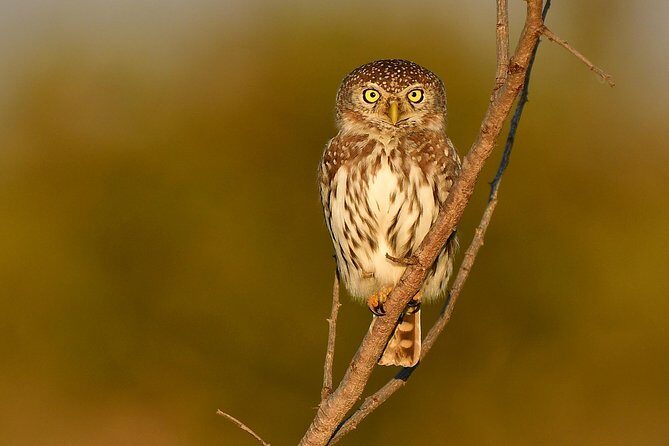
You get stabilization support in the vehicle, plus gimbal and bean bag setup. But if you need a lens rental beyond what you bring, the tour offers equipment rental via a third party.
Lens rental is not included by default—you have to contact the operator to arrange it. The good news is that there’s also a process that sounds designed to reduce hassle: after you pay the third-party rental, they offer free collection and delivery.
If you’re traveling with only a basic kit, this matters. Wildlife photography often pushes you toward specific focal lengths. Planning your rental ahead is the safer move, because you don’t want to discover too late that your setup isn’t right for your subject distance.
Optional add-ons: bush walks and night drives are tempting
Bush walks and night drives are described as optional extras. They’re not included in the baseline package, but they can be booked from any camp.
This is one of those trade-offs. If you add them, you’ll probably get more variety in what you photograph, and you’ll add more time on safari. But it also means more cost and more schedule pressure. If you want to keep your trip simple and focused on game drives and photography coaching, you can skip the add-ons and still get a strong safari experience.
Is this safari for you? Who should book it
You’ll likely enjoy this most if you:
- care about wildlife photography and want help with camera settings, not just sightseeing
- want a private experience with two guides working together
- appreciate practical comfort details like charging power and in-vehicle stabilization
- want a multi-day Kruger stay with 4 nights across two camps
If your main priority is a high-end lodge experience, you may find the bungalow setup more basic than you want. But if your real goal is more keeper photos and better technique in the field, this trip is built to support that.
Should you book B1 Photo Safaris in Kruger?
I’d book this if you want Kruger with a clear photography focus and you’re serious enough to benefit from coaching. The strongest reasons are the vehicle’s charging and stabilization, plus the dedicated two-guide system that helps you shoot while also tracking wildlife.
I’d think twice if you dislike basic lodging or if you want your trip to include every meal and activity without thinking about add-ons. Dinner and meals aren’t included, and optional night drives and bush walks come with extra cost.
If you’re comfortable planning your gear and keeping your expectations realistic about sightings, this is a strong value style of safari: more time on the road, better support for your camera, and lodging that’s meant to help you keep shooting.
FAQ
What time does the safari start, and is pickup included?
The start time is 10:00 am. Pickup is offered, and selected airport transfers are included as part of the arrangements.
Is this tour private, and how many people are in the group?
Yes. It’s a private tour/activity, and only your group participates. The price is listed per group (up to 1).
How long is the trip, and how many nights do I stay in Kruger?
The tour is described as a 5-day wildlife photographic safari, and it includes 4 nights of accommodation in two different camps.
What photography and comfort features are included on the vehicle?
The vehicle includes gimbal lens stabilizing equipment and bean bags, plus bottled water. It’s also fitted with 220 volt sine wave inverters for charging, with USB and South African plug mounts.
Are meals and dinner included in the price?
Dinner and all meals are listed as not included. The average meal price is described as about $4 to $15 per person in restaurants and shops.
Can I rent a lens or other camera equipment through B1?
Lens rental isn’t included, but B1 offers a professional equipment rental service via a third party. You need to contact them to make arrangements, and they mention free collection and delivery after the equipment is paid.
Are bush walks and night drives included?
No. Bush walks and night drives are optional extras and can be booked from any camp.
What happens if I cancel the booking?
The experience is non-refundable and cannot be changed for any reason. If you cancel or ask for an amendment, the amount you paid won’t be refunded.