REVIEW · SUNDAY S RIVER VALLEY
Addo Elephant National Park Full Day Safari with Braai Lunch
Book on GetYourGuide →Operated by African Sightings Adventure Tours · Bookable on GetYourGuide
Addo Elephant National Park has a way of turning one day into a story. I especially like the experienced nature guide and the no-fuss way you get out on the trail for real animal viewing. The traditional South African braai lunch is a highlight, with proper open-fire cooking and plenty to drink. One consideration: it’s a long day with an early start, and big-cat sightings like lions are never guaranteed.
You’ll be in a closed safari vehicle with clear windows that can open for better photos. With small groups (either a 17-seater bus capped at 10, or a 7-seater SUV capped at 4), you get enough eyes on the road without the chaos.
In This Review
- Key things I’d circle on your plan
- Addo’s early timing: why the morning drive matters
- Getting from Port Elizabeth to the park: your first real checkpoints
- South section safari: how your guide turns spotting into a lesson
- The coastline tea and coffee break at the marine viewpoint
- Braai lunch in Addo: what makes it feel like the real South Africa
- Main North waterholes: the best elephant drama is often quiet
- Sunset drive and the cooler south return: the photo window you’ll feel
- Group size, vehicles, and guide energy: what this tour does well
- Price and value at $208 per person: where the money actually goes
- Who should book this safari, and who might not
- Should you book Addo with a braai lunch?
- FAQ
- What’s the duration of the safari?
- Where does the tour operate?
- Is pickup and drop-off included?
- What vehicle types are used?
- Are entrance fees included?
- Is lunch included, and what’s it like?
- Are drinks included with lunch?
- Is water provided during the day?
- Can I bring a drone?
- Is this tour suitable for wheelchair users?
- What should I bring?
Key things I’d circle on your plan
- Early departure for predator odds: morning timing and the later cool-weather push both help when lions are more likely to be around.
- Small-group vehicles: 2–10 per vehicle keeps the driver/guide focused on spotting and positioning.
- Your guide does the food too: watching an African meal come together is part of the fun, not a side note.
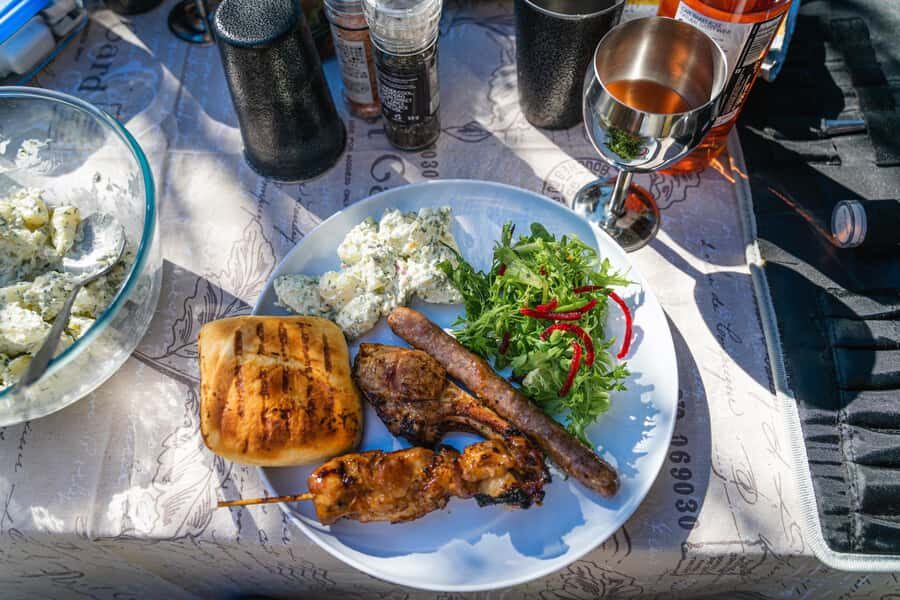
- Open-fire braai lunch inside the park: three meats, bread, salads, and a starch option, plus vegetarian/vegan choices.
- Waterhole viewing in changing weather: elephants may be seen showering or swimming depending on conditions.
- Golden-hour photography window: the light near sunset makes even repeat sightings look new.
Addo’s early timing: why the morning drive matters
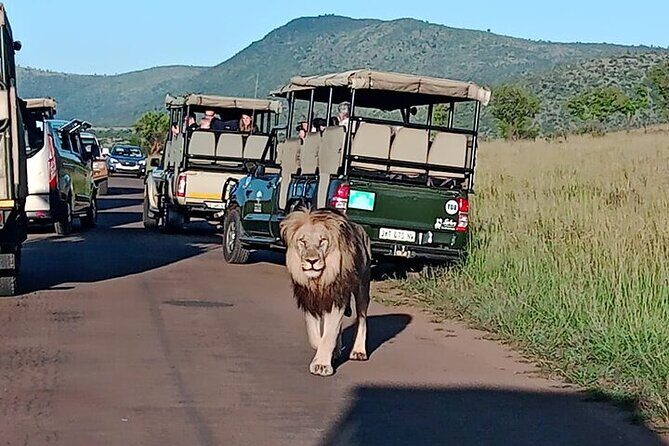
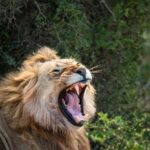
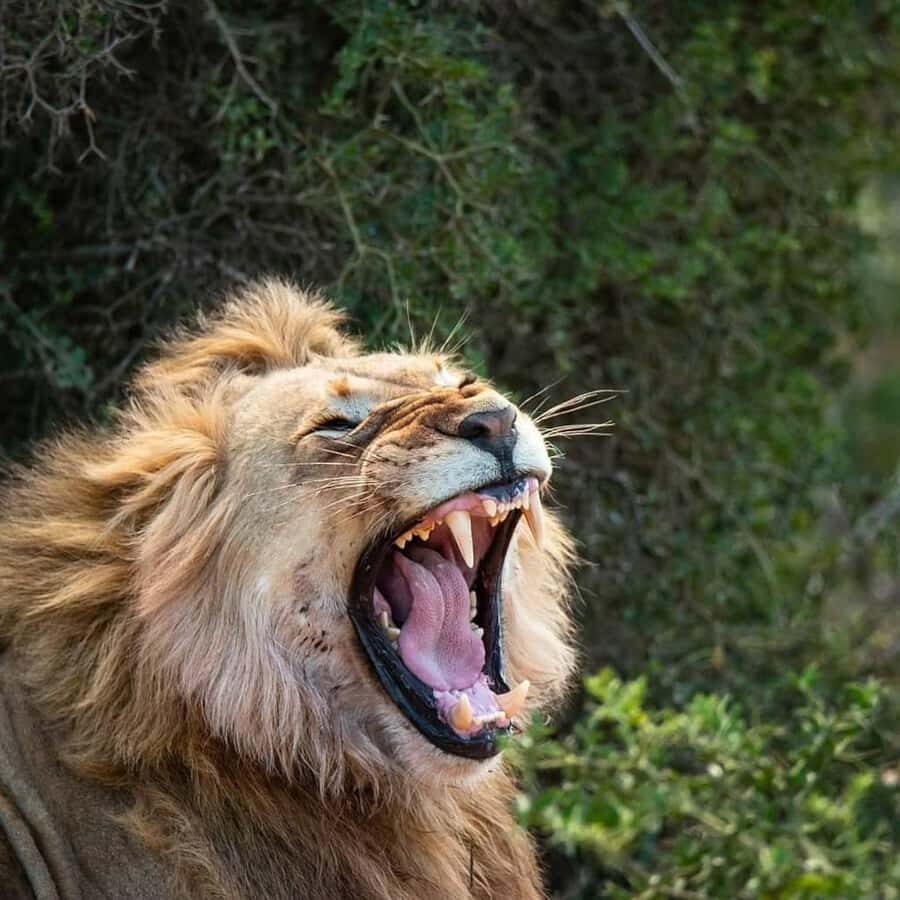
If you’ve only ever done safaris where you roll out at your own pace, this one feels different. You start early so the driver can work the cooler hours, when many animals are more active and visible. It’s not about promises. It’s about stacking the odds—especially for predators like lions, which are often more findable when the day isn’t scorching yet.
Then there’s the second chance built into the schedule: as the day cools again near sunset, you’ll backtrack toward the south section for animals that prefer those temperatures. That late-day rhythm is where Addo often gives you those slow, dramatic sightings—long looks at elephants at the edge of cover, or a lion lounging where the shade looks just right.
You can also read our reviews of more tours and experiences in Sunday S River Valley.
Getting from Port Elizabeth to the park: your first real checkpoints
Most days begin with pickup from Port Elizabeth-area addresses along the route toward Addo’s South Gate. If you’re arriving by cruise ship, pick-up is arranged from Port Elizabeth Harbour, and if your ship is late, the team waits.
Either way, your first stop is Matyholweni Reception. It’s practical: you handle entrance tickets and you can use the restroom before the game drives. From a travel-writer point of view, that small buffer matters. It keeps the day from feeling like a scramble once you’re in the park.
When you arrive at Addo Elephant National Park South Gate, you’re entering a place associated with the Big 7—including the southern right whale and the great white shark in the marine section. You probably won’t be hunting whales and sharks from inside a land safari vehicle, but the point is this: Addo isn’t only about elephants. It’s a whole ecosystem with a coastline component too.
South section safari: how your guide turns spotting into a lesson
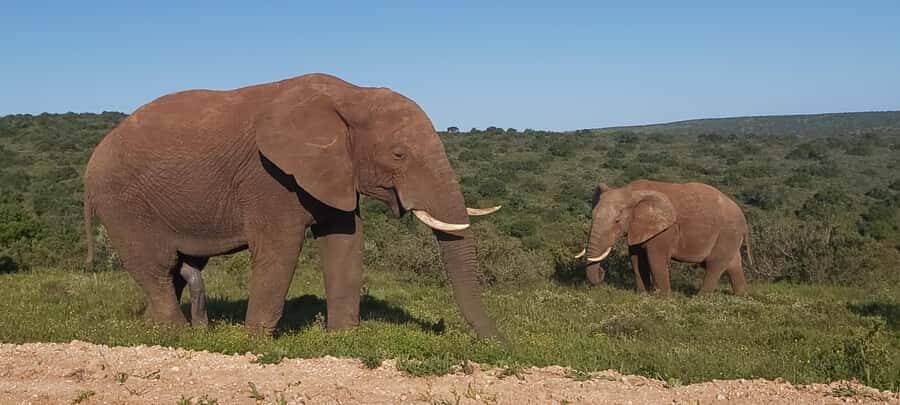
Once you’re rolling on the southern area of Addo, the day becomes about searching smart, not just driving fast. You’ll have wildlife viewing time in focused blocks, with your nature guide steering you toward places where sightings often cluster.
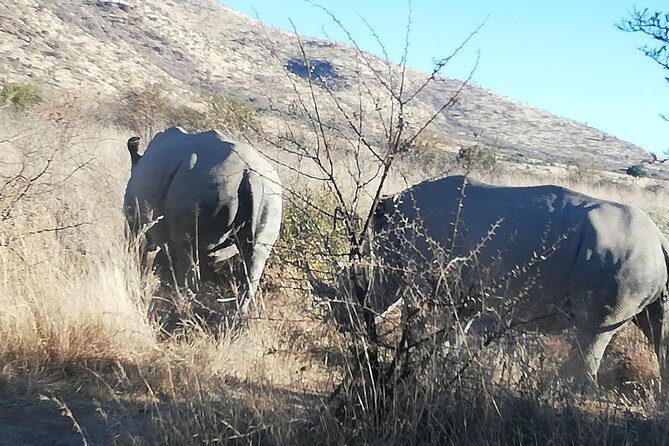
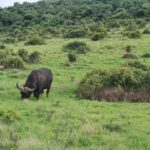
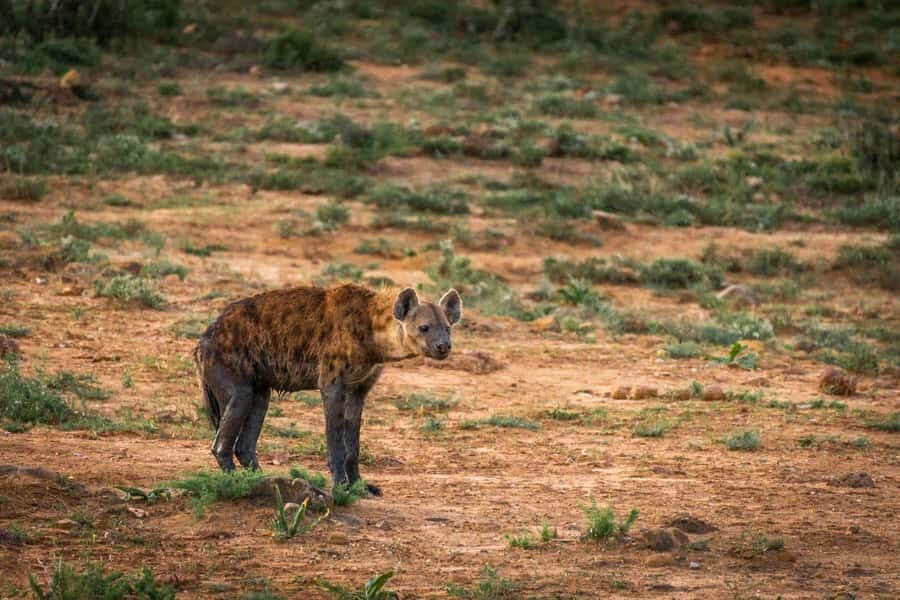
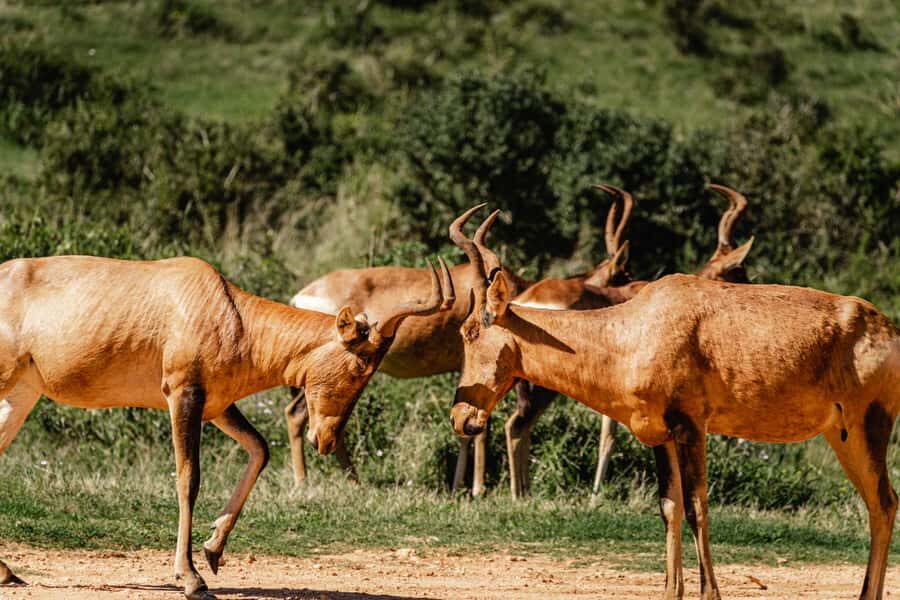
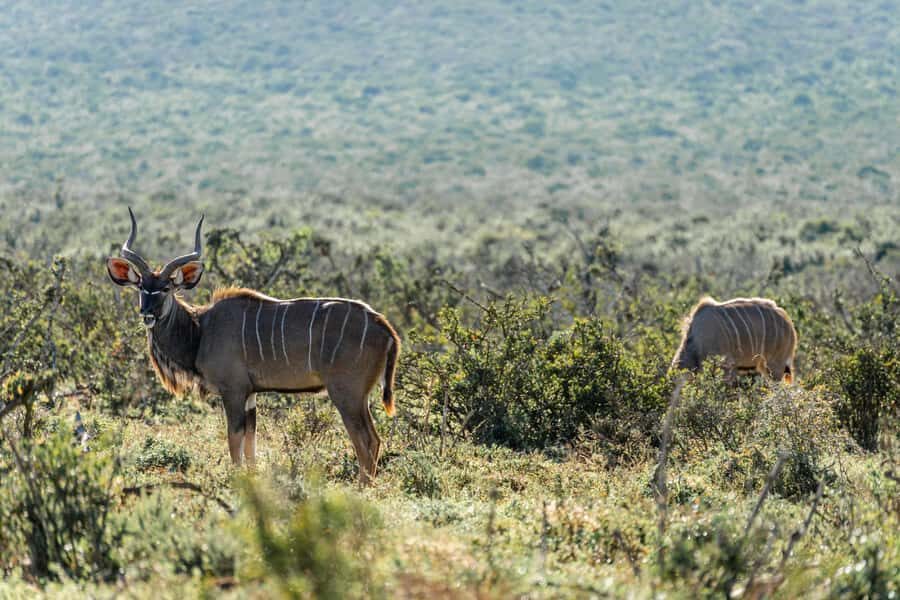
What I like about this format is how it blends excitement with information. You’re not just handed a list of animals. The guide points out what you’re looking at—antelope species, birds of prey, warthogs, zebras, and of course elephants. And because the group is small, your guide can spend real time explaining behavior rather than rushing to the next “checklist moment.”
A quick note on comfort and photography: the safari vehicles are closed, but windows can open for clear photos. Bring your camera plan—strap it so you’re quick when the guide signals a good angle, and keep a steady grip when windows open.
The coastline tea and coffee break at the marine viewpoint
After some prime viewing time, you stop for tea or coffee at a scenic viewpoint overlooking the coastline tied to Addo’s Marine Section. This is a short reset—about 25 minutes—so you can stretch, sip something hot, and let the day breathe.
Why this matters: it gives your brain a mental switch from “hunt mode” to “observe mode.” You’ll come back to the vehicle calmer, and you’ll notice more on the second drive. Also, Addo’s geography is part of the experience. Seeing the coastal context helps you understand why the park feels so varied.
Braai lunch in Addo: what makes it feel like the real South Africa
Lunch is not treated like a rushed roadside stop. It’s a proper in-park break, and it’s one of the most praised parts of the day.
You’ll get a sit-down Traditional South African braai/BBQ lunch with open-fire cooking. Expect three different meats, traditional bread, salads, and a traditional starch option. There are also vegetarian or vegan alternatives—just tell the team about dietary requirements when booking.
I also like the idea that your guide brings food preparation into the experience. Watching your guide prep African traditional cuisine adds texture. It turns lunch into a pause with personality, not just a refill.
Drinks are built in too: there’s a cold beverages bar, and it includes wine and beer. And you’ll have unlimited bottled mineral water through the day, plus hot beverages and traditional rusks earlier on.
Real talk: you don’t need to be a “food person” to enjoy this. The braai is simply a big part of why this tour feels different from a standard vehicle-only safari.
A few more Sunday S River Valley tours and experiences worth a look
Main North waterholes: the best elephant drama is often quiet
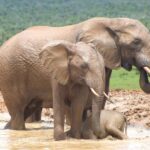
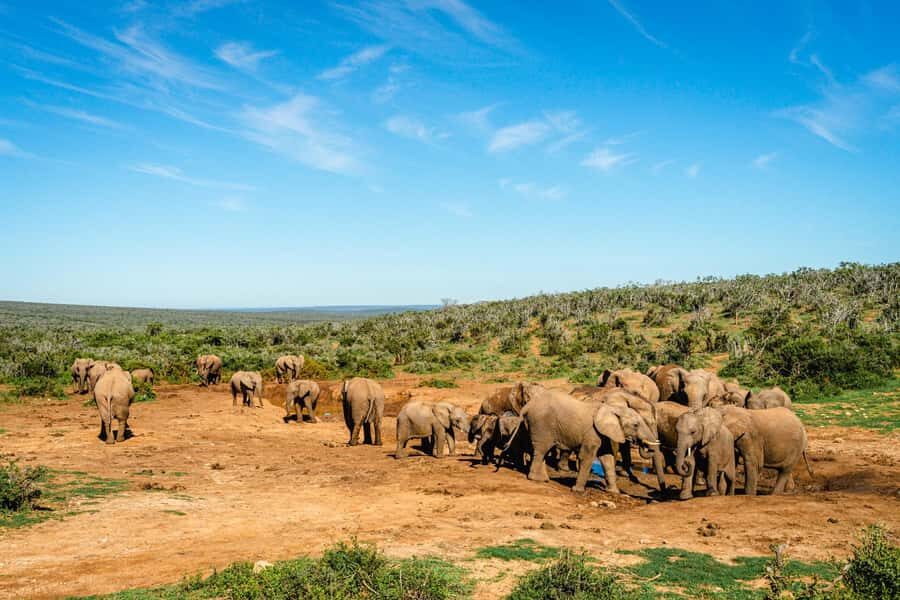
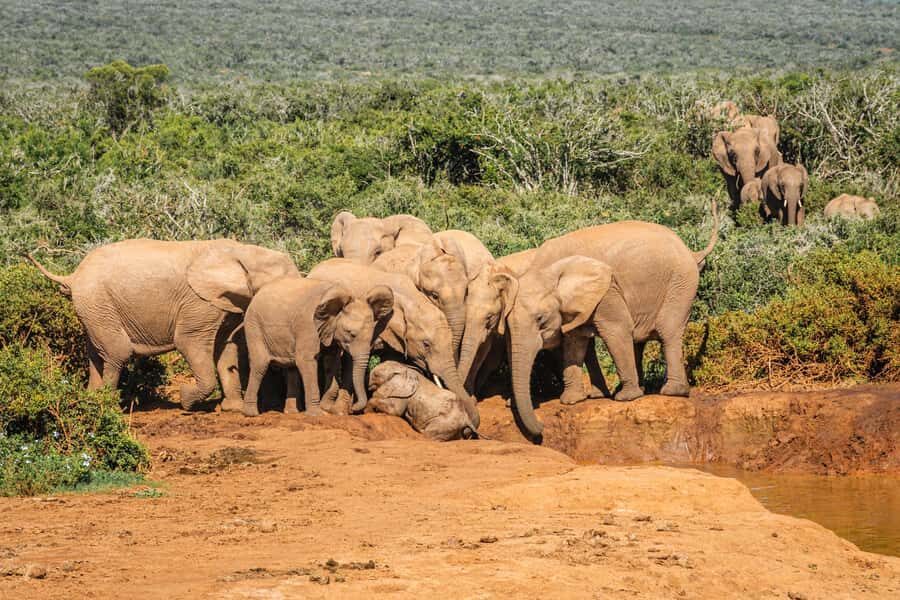
After lunch, the schedule shifts from broad searching to a more specific kind of wildlife watching—especially around major waterholes in the Main North section. This is where the park can deliver those classic elephant moments: herds gathered, babies learning the rhythm of moving water, and older adults choosing shade like they own it.
The key detail here is weather. Depending on conditions, elephants may be seen swimming or showering. That doesn’t mean you’ll always get the splash show, but it does mean your guide will time and position you with that in mind.
This is also where patience pays off. Waterholes can be slow. If you only look for “fast action,” you’ll miss the subtle stuff: how animals approach, how they decide to pause, and how the rest of the herd reacts when one individual changes its angle.
Sunset drive and the cooler south return: the photo window you’ll feel

Toward sunset, you start backtracking toward the south section. This timing is designed for animals that prefer the cooler temperatures—and it’s often where the light turns magical.
That golden hour period is genuinely the sweet spot for photos. Even if you’re not chasing perfect shots, you’ll feel the difference: the animals look more dimensional, the shadows lengthen, and your brain slows down just enough to appreciate the whole scene.
You’ll do a long wildlife viewing block in the later part of the day (about 3.5 hours). It’s the kind of timing that can turn a day that started with hope into a day that ends with a grin—even if a lion is elusive.
Group size, vehicles, and guide energy: what this tour does well

This safari is designed around small groups per vehicle. The 7-seater SUV holds a maximum of 4 guests, and the 17-seater tour bus holds a maximum of 10 guests. That keeps your experience from feeling like mass transportation in search of animals.
Guide quality seems to be a core strength. In particular, Joel comes up as a passionate guide who can keep a day fun and focused, and Brian is noted for taking care of both guiding and preparing a great meal. What you should take from that: your time in the vehicle isn’t just “ride along.” It’s “ride with someone who knows how to find and explain.”
One more nice bonus from the on-the-ground reality: some guides may share professional photos afterward via a link or WhatsApp. It’s not something to plan around like a guaranteed perk, but it’s worth asking about if that matters to you.
Price and value at $208 per person: where the money actually goes
At $208 per person for about 9 hours, you’re paying for a full day that covers far more than a driving service. Entrance fees are included, plus binoculars, unlimited bottled water, and hot beverages with rusks.
Lunch is a big value piece. A full sit-down braai with three meats, sides, and vegetarian/vegan options isn’t the typical “sandwich in the park” scenario. Add in the cold beverages bar with wine and beer, and you’re already getting a sizable meal package within the price.
Then there’s the guide time. With multiple game-drive blocks, a coffee/tea stop, and the late-day push for better sightings and photos, the pricing reflects an all-day operation—pickup, park access, guide expertise, and the full structure that protects your chances of seeing a range of wildlife.
If you want the simplest math: you’re paying for a guided day with entrance fees and a real included meal. That’s usually where “cheaper” options start to fall short, because food and entry costs quietly stack up.
Who should book this safari, and who might not
This tour is a strong match if you:
- Want a guided safari day focused on high-quality wildlife viewing time
- Appreciate South African food culture, especially open-fire braai lunch
- Like small-group experiences where the guide can keep explaining what you’re seeing
- Are staying in or near Port Elizabeth, including cruise-ship schedules
It’s not a good match if you use a wheelchair, since it’s not suitable for wheelchair users.
If you’re the type who hates early mornings and long days, you’ll want to be honest with yourself about your tolerance. The start is early on purpose, and the day runs long enough to feel like an event.
Should you book Addo with a braai lunch?
Yes, if you want one organized day that gives you structure, food, and real guiding attention. The best argument for booking is the combination: early timing for predator odds, multiple wildlife viewing windows across different areas, and a braai lunch that’s treated like the main event rather than an afterthought.
Book it especially if you value small-group guidance and you’d rather get a plan executed smoothly than DIY your own park day with uncertainty. If your top priority is guaranteed lions, keep expectations flexible. But if your goal is a full, satisfying Addo day with excellent guiding and a proper South African lunch, this is a solid choice.
FAQ
What’s the duration of the safari?
The tour runs for 9 hours.
Where does the tour operate?
It’s based in Eastern Cape, South Africa, around Addo Elephant National Park.
Is pickup and drop-off included?
Yes. Complimentary pick-up and drop-off is included for selected areas between Port Elizabeth and Addo Elephant National Park South Gate (Matyholweni Reception), and cruise ship guests are picked up from Port Elizabeth Harbour. Guests outside the route can meet the guide at Matyholweni Reception from 09:15–09:30.
What vehicle types are used?
You may travel in a 7-seater SUV (maximum 4 guests) or a 17-seater tour bus (maximum 10 guests).
Are entrance fees included?
Yes, park entrance fees are included.
Is lunch included, and what’s it like?
Yes. You’ll have a full sit-down traditional braai/BBQ lunch with three different meats, traditional bread, salads, a traditional starch option, and vegetarian or vegan alternatives.
Are drinks included with lunch?
Yes. Cold beverages are included, and wine and beer are part of the bar.
Is water provided during the day?
Yes. Unlimited bottled mineral water is included.
Can I bring a drone?
No, drones are not allowed.
Is this tour suitable for wheelchair users?
No, it is not suitable for wheelchair users.
What should I bring?
Wear comfortable shoes and bring a hat, camera, sunscreen, and weather-appropriate clothing.