REVIEW · CAPE TOWN
Kirstenbosch National Botanical Gardens: A Self-guided Audio Tour
Book on Viator →Operated by VoiceMap Audio Tours · Bookable on Viator
Kirstenbosch sounds like a whole other planet. This self-guided VoiceMap walk takes you across the lower slopes at your pace, with offline GPS playback and a tight set of garden highlights you can actually finish. I especially liked the built-in wayfinding that gets you moving without fuss, and the chance to linger around quieter spots like Birds Pool. One thing to keep in mind: this is not an entry ticket, so you still need to buy Kirstenbosch admission separately.
You start just outside the Kirstenbosch Tearoom Restaurant at Gate 2, then follow the audio through about 2 km of walking. You can do it in roughly 45 minutes, or stretch it toward an hour with pauses, benches, and shady lawn breaks. VoiceMap also gives you lifetime access, plus offline audio and maps after you download once.
In This Review
- Key things to know before you go
- Price and logistics: a cheap audio guide with one big catch
- How VoiceMap works on-site (so you don’t waste time)
- Getting to the start: Gate 2 and the Tearoom landmark
- The walking route at a glance: pace, pauses, and picnic chances
- Garden of Extinction: a named highlight with built-in interpretation
- Fragrance garden: the kind of stop that feels different in person
- Useful plants collection: where your curiosity gets a little direction
- Erica beds: a plant-focused segment that rewards slow looking
- Birds Pool: where relaxation actually happens
- The audio voice: Jeanette Clarke and why it helps
- Reviews insight to keep you from stepping on rakes
- Timing and hours: plan around your own pace
- What’s included, what’s not, and what that means for your budget
- Who this self-guided audio tour fits best
- Should you book the Kirstenbosch VoiceMap audio walk?
- FAQ
- Is this a Kirstenbosch entry ticket?
- How long is the walk?
- How far do I walk?
- Where does the tour start?
- Where does the tour end?
- Do I need an internet connection?
- Does VoiceMap give turn-by-turn directions?
- Can I pause to rest or take my time?
- What audio stops are included?
- Is the tour private?
- Can I get a refund if I cancel?
Key things to know before you go

- It’s self-guided, not an admission ticket: you must purchase Kirstenbosch entry separately
- VoiceMap handles the directions: automatic GPS playback with turn-by-turn guidance
- About 2 km, ~1 hour: built for an unhurried walk but easy to finish
- Major named highlights on the route: Garden of Extinction, fragrance garden, Erica beds, Birds Pool
- You can pause anytime: benches and shady picnic spots make stopping feel normal
- Lifetime access + offline use: great value if you might revisit
Price and logistics: a cheap audio guide with one big catch
At $5.34 per person, this is one of the more affordable ways to add context to Kirstenbosch. The real value is that you’re not paying for a ticket you still need to buy—you’re paying for audio direction, interpretation, and offline maps so you can walk with confidence.
The catch is simple but important: this is not included entry to Kirstenbosch. You’ll need to get admission tickets either at the entrance gate or ahead of time on Webtickets. If you show up expecting this tour code to open the gates, you’ll be stuck until you sort the entry fee.
Also plan around phones and headphones. The experience doesn’t include a smartphone, so you’ll want to bring yours charged. Since VoiceMap can work offline, you can set yourself up for a smoother walk even if cell service is inconsistent.
You can also read our reviews of more guided tours in Cape Town



How VoiceMap works on-site (so you don’t waste time)
After booking, you receive instructions plus a unique redemption code listed under Before You Go. Your job is basically three steps:
- Install the VoiceMap app on your phone.
- Enter the code to download the audio tour.
- On the day, open the app at the start point and press start once you’re in the right spot.
VoiceMap uses automatic GPS playback, so you don’t have to keep pressing buttons. You’ll also get turn-by-turn directions to the starting area. And yes—this works offline, including audio, maps, and geodata, as long as you’ve downloaded before you arrive.
One practical move: download the tour while you’re still on decent internet, then switch your phone to airplane mode if you want to preserve battery. You’re relying on GPS, so you’ll still get the route, but you won’t burn power hunting for data.
Getting to the start: Gate 2 and the Tearoom landmark
The walk begins and ends just outside the gardens at Gate 2, near the Kirstenbosch Tearoom Restaurant. The meeting point address is listed as FynkosGate 2 Kirstenbosch Botanical Gardens, Rhodes Drive Newlands, Wynberg NU (2), Cape Town, 7700, South Africa.
Having a “real” landmark like the Tearoom area helps a lot because you can orient quickly before you start the audio. It’s also reassuring that the tour ends back at the same spot, so you’re not guessing where to exit or how to get back if your energy dips.
The total walking distance is approximately 2 km, and the tour takes about one hour without stopping. That lines up well with what the route style feels like: a steady stroll with enough stops to make it interesting, but not so much walking that you feel punished.
The walking route at a glance: pace, pauses, and picnic chances
This is designed for flexible pacing. The audio gives you a route, but you’re not locked into a strict timeline. You can do it in about 45 minutes, or linger at stops whenever something grabs your attention.
There are benches along the way, plus shady spots on the lawn where you’re welcome to picnic. That matters more than it sounds. Kirstenbosch can be a relaxed, outdoor “stay a while” place, and a tour that doesn’t make you rush lets you enjoy the garden atmosphere instead of sprinting between highlights.
If you’re visiting in heat or strong sun, plan to schedule your walk when you’ll have more comfortable conditions. The route includes shady breaks, but you’ll still want to manage sun and water like you would on any garden stroll.
Garden of Extinction: a named highlight with built-in interpretation
One of the first major stops is the Garden of Extinction. It’s listed as a key landmark on the route, which tells you this isn’t a random corner you wander past. Expect the audio to guide you through what to look for and why that area matters.
What I like about a guided-by-audio approach here is that it helps you slow down naturally. Instead of standing in front of a plant and guessing what’s special, the tour gives you a reason to focus. You don’t need to be a plant expert to get value from that.
A possible drawback: because the audio is tied to your GPS position, if you stop to wander off-route for a while, you might lose track of where the tour expects you to be. When you want to explore beyond the audio’s line, just do it briefly, then return to where the phone says you are.
A few more Cape Town tours and experiences worth a look

Fragrance garden: the kind of stop that feels different in person
You’ll also hit the fragrance garden. This is the sort of feature that’s hard to experience secondhand. Even if you don’t catch every scent, the concept changes how you walk—your senses start working differently than they do in a standard sightseeing circuit.
In practical terms, this kind of stop is also a nice reset. It gives you a sensory break from just looking. If you’re walking with companions who want variety (not just more plants), fragrance gardens tend to feel like a shared moment.
The tour structure helps you here because it doesn’t force you to race ahead. You can pause at the fragrance area, then decide whether you want to spend a full moment or a quick pass before you continue.
Useful plants collection: where your curiosity gets a little direction
Another named highlight on the route is the useful plants collection. This kind of area usually works best when you have a guide that tells you what categories or themes to notice. The audio guide is the point—without it, a collection like this can turn into “lots of greenery, not sure why.”
I like that the tour keeps the route grounded in recognizable sections. That makes the walk feel purposeful. Instead of reading plaques for every single item, you can let the audio focus your attention, then use your eyes to confirm what you’re learning.
If you enjoy learning in short bursts, this is a good fit. If you prefer long, museum-style explanations, you may wish the audio went further—but for a one-hour walk, this is a sensible pace.
Erica beds: a plant-focused segment that rewards slow looking
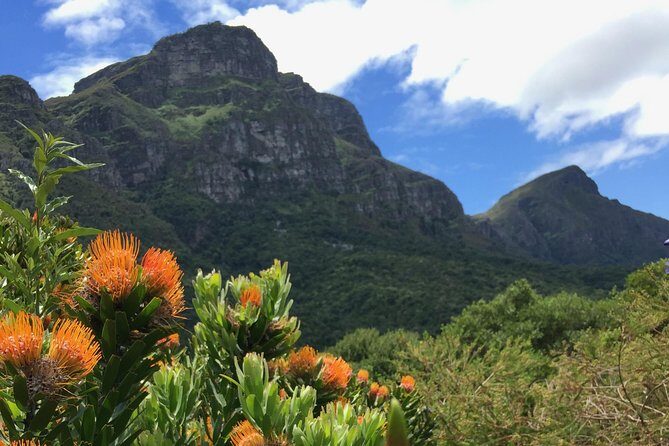
The Erica beds are another stop called out on the route. Beds like this are great because they turn “plant identification” into something visual—color, texture, and structure jump out when you’re close.
I find these moments easiest with audio because it nudges you toward details you might miss while thinking about the next stop. The tour format also helps you avoid the common mistake of drifting through beds quickly because they look similar at a distance.
Drawback to note: plant beds can tempt you to stop photo-hunting in a way that stretches time. That’s fine—just know the walk is flexible. If you’re trying to meet another plan later, you’ll want to manage your pause time at the beds.
Birds Pool: where relaxation actually happens
The route includes Birds Pool, and this is one of the more emotionally effective stops. The audio adds context, but the main reward is that birds-and-water areas tend to calm you down fast.
You’re not just looking at scenery—you’re listening. Even when birds aren’t active every minute, the setting encourages a slower pace. If you’re the kind of person who likes a “stand and watch” moment, this is where your walk starts to feel like a break, not a checklist.
There’s also a practical benefit: Birds Pool is a good place to take a longer rest. If you need a breather, benches and shaded areas along the route make it easier to stop without feeling like you’re messing up the experience.
The audio voice: Jeanette Clarke and why it helps
The tour includes audio from producer Jeanette Clarke, a researcher. That matters because it gives you a more grounded, informational tone than a purely entertainment-style audio guide.
A big part of Kirstenbosch is understanding that it’s not only pretty—it’s organized. Having audio that’s connected to research and production tends to make the named locations feel more intentional. You get to walk through sections with purpose, not just enjoy views and hope you’re noticing the right things.
Reviews insight to keep you from stepping on rakes
The overall rating is 3.8 out of 5 from 12 reviews, which is a healthy mix of praise and a few clear issues.
The highly praised parts line up with what you’d expect from this format: people like the promenade-style walking, the views, and the calming soundscape around water and birds. If you’re coming for scenery plus a guided structure, you’re likely to enjoy it.
One negative report stands out for a specific reason: someone had confusion at the site when they provided a booking number, were asked for an additional amount, and later saw a charge taken via the app. I can’t tell you the exact cause from the info given, but the takeaway is clear: don’t assume any audio tour code covers entry fees. Confirm what you’ve paid for before you reach staff at the gate.
Timing and hours: plan around your own pace
The tour duration is listed as 1 hour (approx.), with a note that it can be done in 45 minutes if you don’t linger. That means you should treat this as a flexible walking block rather than a strict schedule.
Opening hours are given as 12:00 AM – 11:59 PM for the date range shown. That’s unusual to see for gardens, so I’d treat it as an availability window for starting the activity rather than a guarantee that every garden area is equally usable all day. If you’re visiting for the garden itself, check normal garden access timing when you arrive.
For planning: if you want sunrise light or cooler temperatures, the walk’s 2 km length makes it easy to fit into a broader Cape Town day. If you’re already spending time at Kirstenbosch, this audio walk works as a low-effort way to add meaning without booking a full guided tour.
What’s included, what’s not, and what that means for your budget
Included:
- Lifetime access to the Kirstenbosch Walking Tour on VoiceMap
- VoiceMap app
- Offline access to audio, maps, and geodata
Not included:
- Smartphone
- Transportation
- Food and drinks
- Tickets or entrance fees to any attractions en route
Budget-wise, your total cost is basically the audio tour plus Kirstenbosch entry. That’s why I like this for value: if you’re already going to the gardens anyway, you’re adding a guide experience for a small sum. If you’re only in Cape Town briefly and you’re unsure you’ll revisit, lifetime access is still nice, but your decision will mainly depend on whether you’re committed to paying the entry fee.
Also remember: you can picnic. Since food isn’t included, plan to bring water and a snack if you want one. Benches and shaded lawns can make a picnic break feel like part of the experience rather than an add-on.
Who this self-guided audio tour fits best
This tour fits best if you:
- Want a guided walk but hate rigid group schedules
- Like pacing yourself, pausing for benches, and taking photos without guilt
- Prefer an affordable audio guide that works offline
- Are visiting Kirstenbosch mainly for the plants and scenery, and you want a bit of context along the way
It’s less ideal if you want a full live docent experience, or if you need staff to troubleshoot on-site. Self-guided means you control your phone, your download, and your start time.
Should you book the Kirstenbosch VoiceMap audio walk?
I’d book it if you’re already planning to enter Kirstenbosch and you want a simple way to turn your walk into something you actually remember. For the price, GPS-guided audio plus offline support is a practical win, and the named stops (Garden of Extinction, fragrance garden, Erica beds, Birds Pool) make the time feel structured.
Skip it if you’re hoping the tour will replace garden admission or if you dislike phone-based navigation. This is a phone-first experience. Do a quick prep check—download the audio before you go, bring headphones, and make sure you’ve sorted Kirstenbosch entry separately—and you’ll have a smooth, low-stress walk through one of Cape Town’s most rewarding garden settings.
FAQ
Is this a Kirstenbosch entry ticket?
No. This is a self-guided audio tour. You must purchase Kirstenbosch admission tickets separately at the entrance gate or ahead of time on Webtickets.
How long is the walk?
The tour is listed as about 1 hour (approx.). Without stopping it’s about an hour, but it can be done in about 45 minutes if you move steadily.
How far do I walk?
The walking distance is approximately 2 km.
Where does the tour start?
The tour begins just outside the Kirstenbosch Tearoom Restaurant at Gate 2, at the meeting point listed as FynkosGate 2 Kirstenbosch Botanical Gardens.
Where does the tour end?
The activity ends back at the meeting point (the start area at Gate 2).
Do I need an internet connection?
No. The tour includes offline access to audio, maps, and geodata, and VoiceMap can play automatically using GPS.
Does VoiceMap give turn-by-turn directions?
Yes. VoiceMap uses automatic GPS playback and provides turn-by-turn directions to the starting point.
Can I pause to rest or take my time?
Yes. You can pause anytime, and there are benches along the route as well as shady lawn areas where you can picnic.
What audio stops are included?
Key landmarks listed include the Garden of Extinction, fragrance garden, useful plants collection, Erica beds, and Birds Pool.
Is the tour private?
Yes. It’s described as private, meaning only your group participates.
Can I get a refund if I cancel?
No. The experience is non-refundable and cannot be changed, so the amount paid is not refunded if you cancel.