REVIEW · CAPE TOWN
South African Cooking in Cape Town with Local Chef Richard
Book on Viator →Operated by Traveling Spoon · Bookable on Viator
Dinner starts before the first sizzle. In a Wynberg home kitchen, chefs Richard and Gillian show you how traditional South African food comes together, then you sit down to eat it with wine and bottled water. I love the home-table feel and the chance to learn the why behind the flavors, not just copy a recipe.
What really makes this work is the menu set to your preferences and the social braai energy. You can do as much or as little in the kitchen as you want, and the conversation comes naturally around the food.
One note for your planning: there’s no hotel pickup, and Cape Town traffic can make the ride longer than you expect, especially if you’re coming from the waterfront during rush hour.
Key highlights at a glance
- Private chefs in their own home with a warm, local rhythm to the evening
- 2–3 authentic dishes (with examples like bredie, curry, braai roasts, and malva pudding)
- Wine knowledge from Richard plus bottled water at the table
- Braai (grill) focused meals when the menu includes rump steak or other grilled favorites
- Tailored menu planning after you share likes and dislikes
- Vegetarian option available, plus help with other dietary needs if you ask
In This Review
- South African Home Cooking in Cape Town, Hosted by Richard and Gillian
- What You’ll Actually Eat: The 2–3 Dishes Plan (Plus Braai Chances)
- Dessert is not an afterthought
- How the Evening Runs: From Cooking Demo to a Long, Unhurried Meal
- Wine, Conversation, and Local Tips That Don’t Feel Like a Script
- Braai and South African Culture: Why This Matters Beyond the Menu
- Price and Value: Is $76 Worth It?
- Getting There: Wynberg Meeting Point and the Traffic Reality
- Dietary Needs and Participation: What’s Flexible, What Isn’t
- The Pet Dog Detail (And How It’s Handled)
- Who This Experience Fits Best
- Should You Book This Cape Town Home-Cooking Evening?
- FAQ
- How long is the South African cooking experience in Cape Town?
- What food will I eat during the experience?
- Is this experience hands-on or mainly a demonstration?
- Are alcoholic beverages included?
- Is hotel pickup and drop-off included?
- Is there a vegetarian option?
- Is the tour private?
- What about the hosts’ pet dog?
- Can I get a refund if I cancel?
South African Home Cooking in Cape Town, Hosted by Richard and Gillian
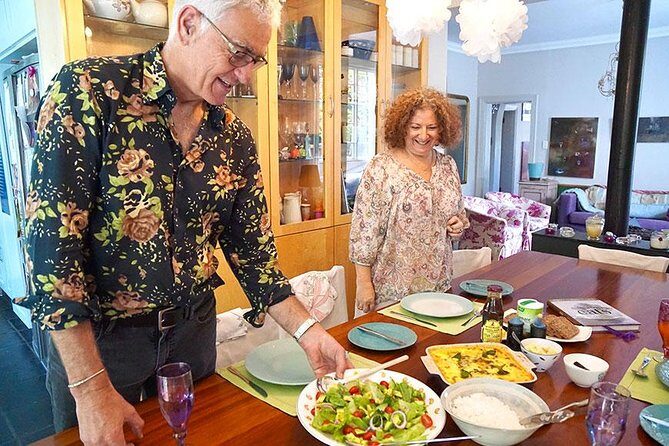
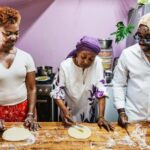
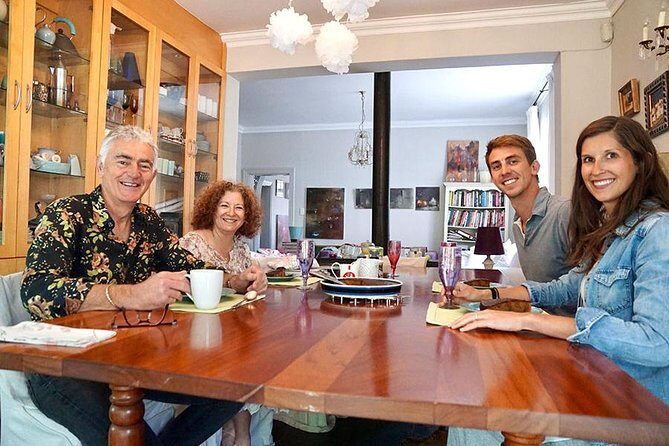
This is the kind of meal that turns your trip a notch more personal. Instead of lining up for a restaurant table, you’re invited into a real home set up for cooking, dining, and a proper social hang. Richard and Gillian are both chefs and restaurant owners, and they treat food like the center of daily life.
The structure is simple. You get a cooking demonstration for about 1.5 hours, then you feast on the 2–3 dishes you watched them make. Wine and bottled water are part of the experience, and the hosts also share how South African cooking reflects multiple cultural roots, including Cape Malay, Afrikaans, English, and African influences.
What You’ll Actually Eat: The 2–3 Dishes Plan (Plus Braai Chances)
Your meal will be built around your interests. Richard and Gillian ask about what you like, so the menu can be adjusted to match your tastes. That means you’re less likely to feel like you got handed a set menu that doesn’t fit your appetite.
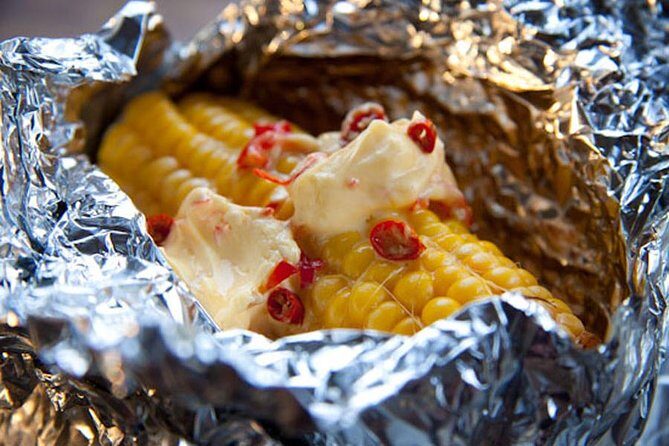
The experience is designed to show a mix of classics. You might learn how they braai rump steak, or how they stuff and braise chicken in a fresh tomato sauce. Dessert is often malva pudding, a traditional South African sweet that’s both comforting and very specific in flavor and texture.
Depending on what they decide for your group, you may also see elements like bredie (a hearty stew), curry dishes, or braai roasts. Even if you know some of these names, the value here is seeing how they’re put together in a home kitchen, not watching a TV version.
You can also read our reviews of more cooking classes in Cape Town
Dessert is not an afterthought
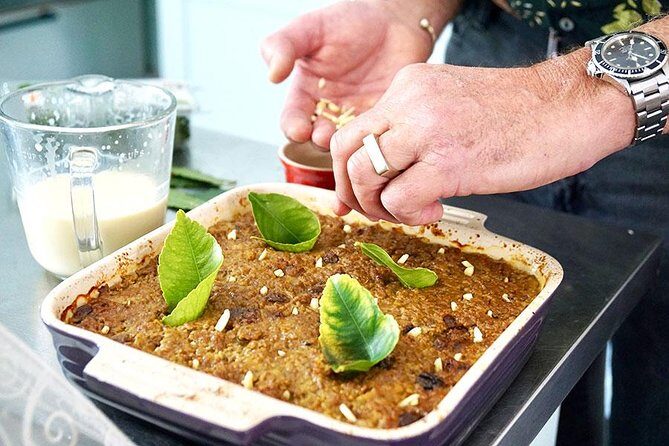
Malva pudding is a good example of what to expect: a dessert that’s treated as part of the meal’s identity. When a host explains why they serve it and how it’s made, it lands more than just a sweet finish.
How the Evening Runs: From Cooking Demo to a Long, Unhurried Meal
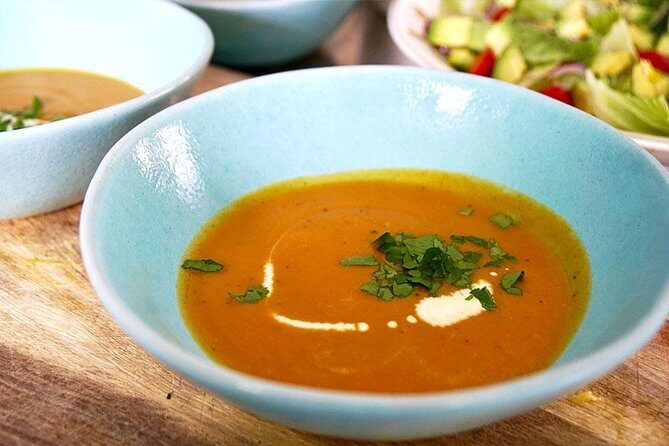
Plan for about 3 hours total. The cooking portion takes about 1.5 hours, which gives enough time for questions, watching the process, and understanding the ingredients. After that, you sit down for lunch or dinner and eat what you saw them prepare.
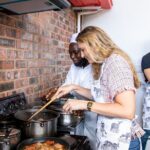
A nice detail: this is not framed as a strict classroom where you’re being tested on technique. It’s an interactive demonstration with room to participate. If you want hands-on time, tell them. If you’d rather watch and ask questions, that’s also fine.
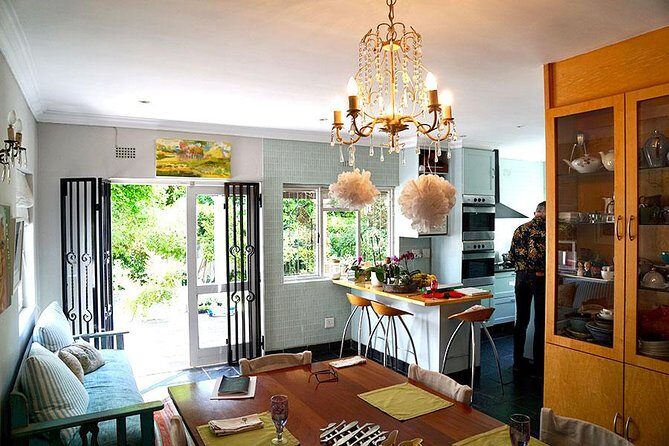
You’ll usually spend time around a kitchen that supports cooking plus dining. The home setup includes large indoor and outdoor dining tables, and there’s a braai area. That matters because South African cooking often isn’t just food. It’s the whole social setup—what’s cooking, what’s grilling, and who’s talking.
Wine, Conversation, and Local Tips That Don’t Feel Like a Script

This isn’t just about eating. Richard is also a winemaker, and that gives the wine portion extra meaning. You’re not only handed a glass—you’re in the hands of someone who understands what local bottles pair well with home-style dishes.
You can expect lively conversation. The hosts are friendly and talk through the food and the culture behind it. One of the strongest themes from the experience is the feeling of being welcomed as part of the evening’s flow, not processed as a paying participant.
And because Richard and Gillian are local chefs and restaurant owners, you get practical Cape Town advice from people who live it. You’ll hear tips that fit the kind of food day you’re having—what to look for, how locals think about meals, and what to prioritize if your schedule is tight.
Braai and South African Culture: Why This Matters Beyond the Menu
South African cuisine is shaped by mixing and adapting. You’ll hear about how different groups influenced what people cook and how flavors are built—Cape Malay, Afrikaans, English, and African traditions. That’s not just trivia. It explains why certain dishes feel familiar and also why they taste distinct.
Braai is a big thread in the story. It’s seasonal, social, and central to how many South Africans gather around food. If your menu includes grilling—like braai rump steak—you’ll see why this is more than a cooking method. It’s an event.
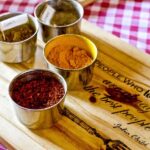
Also, Richard and Gillian focus on high-quality ingredients. That focus shows in how the food tastes, but it also affects the experience: better ingredients make the explanation of flavors easier, and the meal feels more like a craft than a chore.






Price and Value: Is $76 Worth It?
At $76 per person, this can feel like a “splurge” compared with cheaper meals in town. But the value math shifts when you break down what’s included.
You get:
- A private cooking demonstration in the hosts’ home
- A full lunch or dinner based on 2–3 dishes
- Alcoholic beverages plus bottled water
- Local hosts who stay engaged and talk through food and culture
- Gratuities included
The biggest value is the setting. A typical restaurant meal can be delicious, but it’s still a public performance with limited conversation. Here, you’re in a home kitchen with the people who cook the food. That’s why the evening often feels like friends joined in for dinner—even if you only meet that day.
The “cost” side is logistics and time. There’s no pickup and the drive can take longer with traffic. If you want a stress-free evening, build in extra buffer from central Cape Town.
Getting There: Wynberg Meeting Point and the Traffic Reality
The meeting point is in Wynberg, Cape Town (7824), and the activity ends back at the same location. There’s no hotel pickup or drop-off, so you’ll need your own way there and back.
From central areas, this can be straightforward, but Cape Town rush hour can slow things down. If you’re staying near the waterfront and you’re leaving during peak traffic, expect the ride to take longer than it looks on paper. Cheap taxi or ride-share can work, but give yourself time so you’re not rushing through the pre-dinner mood.
A good strategy: plan to arrive with a bit of slack, then you’ll actually enjoy the first moments instead of thinking about your schedule.
Dietary Needs and Participation: What’s Flexible, What Isn’t
Vegetarian option is available. If you need it, tell them at booking. The hosts can also accommodate other dietary restrictions, so it’s worth sharing anything specific ahead of time.
Participation is also flexible. It’s more of an interactive demonstration than a strict hands-on class. But since they’ll guide you through cooking steps, you can still ask to do certain tasks—like mixing, preparing components, or helping with simple prep—if that’s what you want.
If you’re sensitive to the idea of being “on display” while you cook, this setup is still comfortable. You can do as much or as little as you like.
The Pet Dog Detail (And How It’s Handled)
There is a pet dog in the home. The good news: their dog can be placed in a different room during your experience. If you have allergies or you’re cautious around pets, mention it so the hosts can manage the space in a way that keeps things comfortable.
Who This Experience Fits Best
This is ideal if you want a real food evening with culture, not just a meal. It’s a strong match for:
- People who love South African food and want to learn how it’s built
- Travelers who enjoy conversation and local stories around the table
- Small groups who want something more personal than a restaurant
- Anyone who likes braai culture and wants to see it tied to an actual menu
It’s less ideal if you want a textbook cooking class with lots of structured technique. This is not a professional class. It’s a home-hosted experience where you learn by watching, tasting, and asking.
Should You Book This Cape Town Home-Cooking Evening?
If your idea of a great day includes a real meal, wine, and a friendly family-style vibe, I’d book it. The price makes more sense once you factor in that you’re getting a private kitchen demonstration, a proper sit-down feast, and thoughtful hosts who tailor the menu around your preferences.
Skip it only if logistics stress you out. No pickup plus the Wynberg location means you’ll want to plan your transportation time carefully, especially around busy hours.
If you do book, I’d send your preferences early and be clear about how hands-on you want to be. Then show up hungry, relaxed, and ready to talk food.
FAQ
How long is the South African cooking experience in Cape Town?
It runs about 3 hours total. The cooking demonstration part is about 1.5 hours.
What food will I eat during the experience?
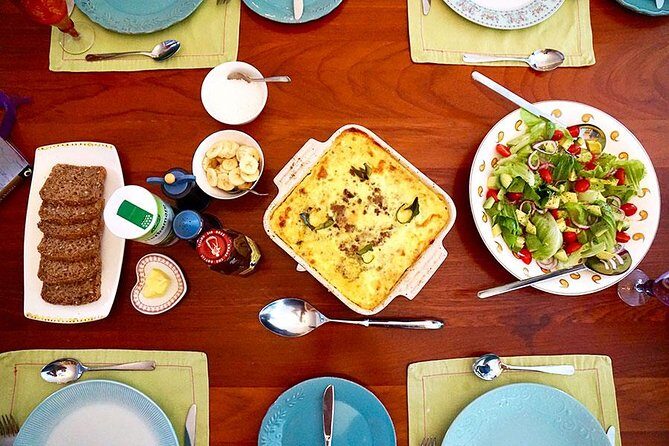
You’ll feast on 2–3 South African dishes that you watch the hosts prepare. Examples mentioned include rump steak braai, stuffed and braised chicken in fresh tomato sauce, and malva pudding for dessert.
Is this experience hands-on or mainly a demonstration?
It’s more of an interactive cooking demonstration than a professional cooking class. That said, you can let the hosts know if you want more hands-on participation, and you can do as much or as little in the kitchen as you prefer.
Are alcoholic beverages included?
Yes. Alcoholic beverages are included with your meal, along with bottled water.
Is hotel pickup and drop-off included?
No. The meeting point is Wynberg, Cape Town (7824), and the experience ends back at the meeting point.
Is there a vegetarian option?
Yes. Vegetarian options are available—please advise at booking. The hosts can also accommodate other dietary restrictions.
Is the tour private?
Yes. It’s a private tour/activity, and only your group will participate.
What about the hosts’ pet dog?
There is a pet dog in the home, but it can be placed in a different room during your experience.
Can I get a refund if I cancel?
You can cancel up to 2 days in advance for a full refund. If you cancel within 2 days of the experience start time, the amount paid will not be refunded.