REVIEW · CAPE TOWN
Cape Town: Malay Cooking Class and Lunch in Bo-Kaap
Book on GetYourGuide →Operated by Cooking with love · Bookable on GetYourGuide
Cape Town’s tastiest shortcut is through a home kitchen. This Bo-Kaap Malay cooking class is a real-feel cultural experience, with hands-on cooking and an included lunch you helped make. I love the focus on spices and technique (not just recipes), and I love the warm, funny way the host teaches. The main drawback to plan for: you’re in someone’s home, so you’ll want to be comfortable with a more intimate, no-frills setting than a big hotel kitchen.
Bo-Kaap is the setting, and it matters. You’ll be in a neighborhood of hot pink and burnt-orange houses rising up toward Signal Hill and Table Mountain, and you’ll get time to explore and take photos before the cooking starts. Even the food story is place-based, with Cape Malay cuisine shaped by African influences and the Malay/Indonesian traditions brought by Dutch-linked slave trade in the 17th and 18th centuries.
You can also go in with zero cooking experience. The class is built so you participate, learn the why behind the steps, then sit down and eat what you made with soft drinks. Just note: alcohol isn’t included, and the rules are clear—no smoking, no pets, and no alcohol/drugs.
In This Review
- Key things I’d plan around
- Bo-Kaap Color, Corners, and the Signal Hill Views
- Starting at 109 Wale St: How the Format Works in Real Life
- Cape Malay Cooking in a Real Home: Meet Faldela and the Teaching Style
- Spice Work You’ll Keep Using: Turmeric, Tamarind, Star Anise
- What You’ll Actually Cook: Curries, Roasts, and Hands-On Basics
- Lunch You Make: Soft Drinks, Group Tables, and the Recipe Take-Home
- Price and Value: Why $49 for 150 Minutes Often Feels Like a Bargain
- Practical Tips Before You Go to Bo-Kaap
- Who This Cooking Class Best Suits
- Should You Book This Cape Town Malay Cooking Class?
- FAQ
- Where is the meeting point?
- How long is the cooking class and lunch?
- What is included in the price?
- Is alcohol included?
- Is the class wheelchair accessible?
- Can I cancel?
Key things I’d plan around
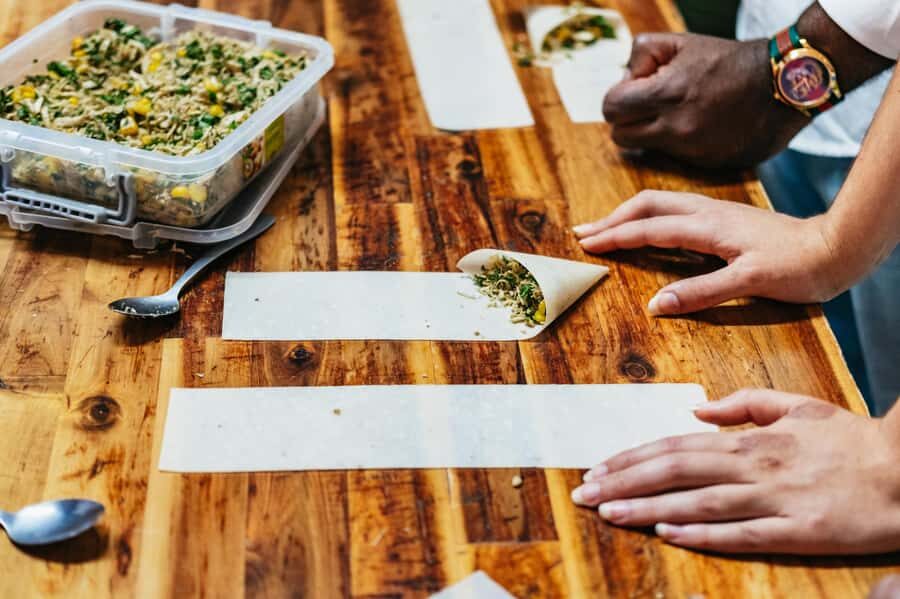
- A home-kitchen class in Bo-Kaap (not a demo in a classroom), run by Faldela
- Spice-led cooking with turmeric plus ginger, fennel, star anise, and tamarind
- Interactive format where you help make dishes and learn each step
- Lunch is included and you eat as part of the group experience
- Recipes are shared so you can try it again at home
- Plan for no alcohol included, just soft drinks with the meal
Bo-Kaap Color, Corners, and the Signal Hill Views
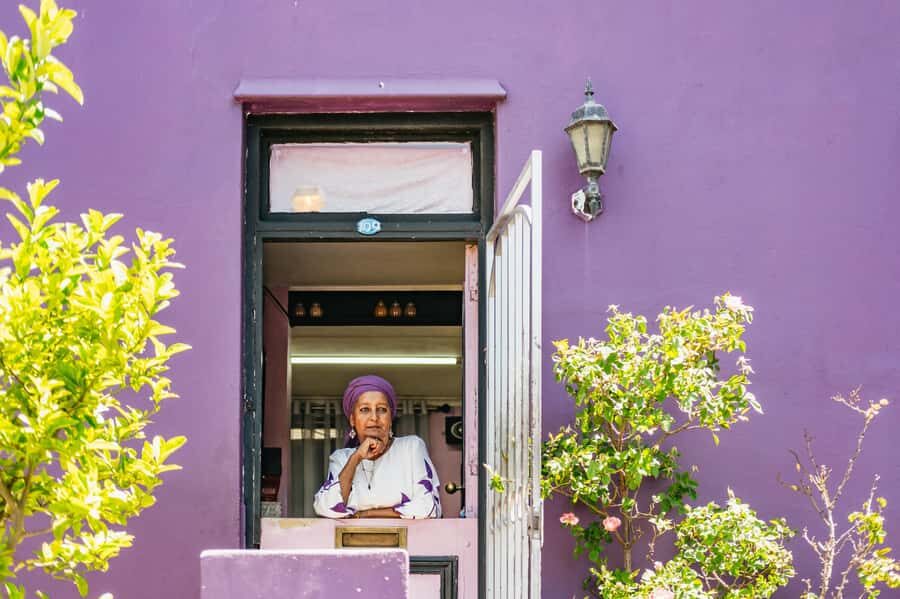
Bo-Kaap is the kind of neighborhood you remember. The painted houses—hot pink and burnt orange especially—climb the lower slopes near Signal Hill, with Table Mountain often looming in the background. That’s not just a nice backdrop. It sets the tone for why Cape Malay food feels so personal: it’s tied to community, family kitchens, and everyday pride.
In your time in the area, you’ll get a chance to walk around and spot the details up close. Think doorways, street textures, and those perfect photo angles where the colors stack up. The best part is you’re not doing this on a rushed photo sprint—you’re moving from neighborhood to kitchen as part of the same experience.
You can also read our reviews of more cooking classes in Cape Town
Starting at 109 Wale St: How the Format Works in Real Life
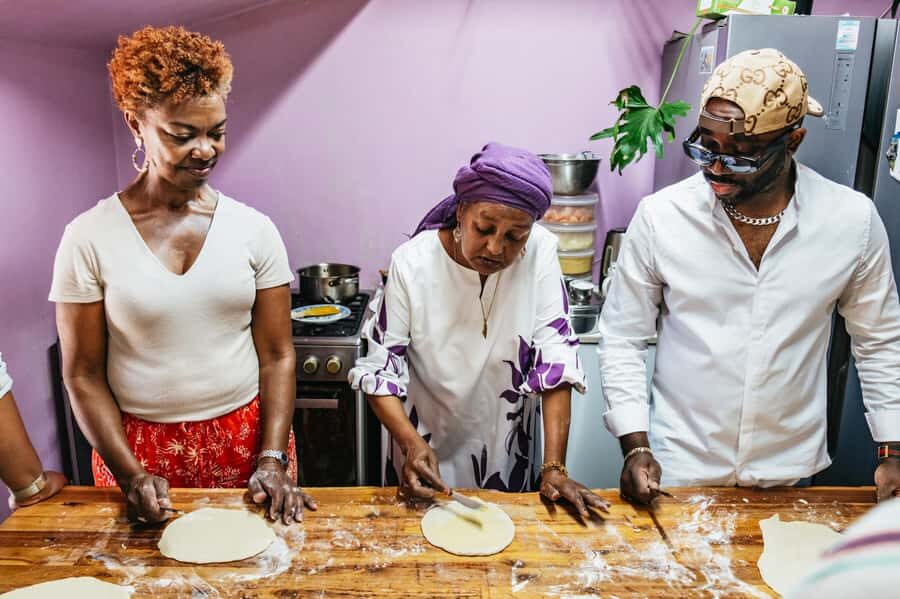
Your meetup point is 109 Wale St, Schotsche Kloof, Cape Town. From there, the experience centers on a cooking class in a local home in Bo-Kaap. That matters because you’ll see the real rhythm of how ingredients are handled and how meals are put together—where you’re not just watching someone else work.
This class runs about 150 minutes, so the pacing is “learn, cook, eat” without turning into a day-long event. You’ll also have a light exploration moment before you start cooking, which helps you get your bearings fast and makes the cooking feel like it’s part of a broader neighborhood visit.
Language is English, and the teaching style is built for participation. Even if your skills are limited to assembling a sandwich, you’ll still be guided through steps and techniques in a way that keeps you involved.
Cape Malay Cooking in a Real Home: Meet Faldela and the Teaching Style
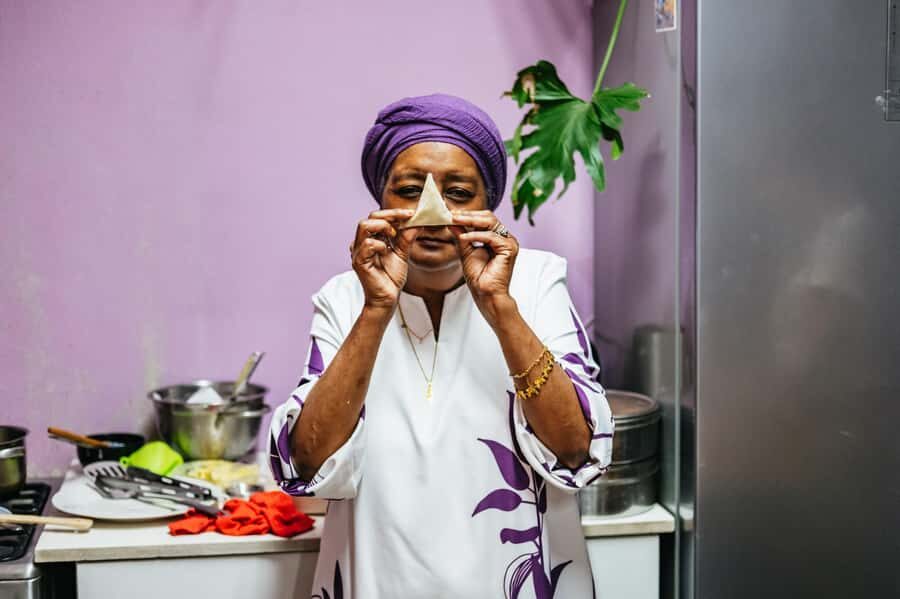
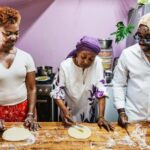
The chef host you learn from is Faldela. The vibe is warm and relaxed, with a teaching style that mixes humor with clear instructions. You’ll often find that the group dynamic is friendly—people cook together, talk, laugh, and share the meal at the end.
This is one of those experiences where the host remembers who you are and what you’re interested in, which changes the feel. Instead of “tour guide voice,” you get conversation. That’s one reason the class tends to feel more like being invited in than being processed through an attraction.
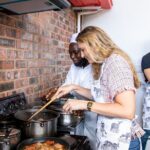
You’ll also notice something else: the group often gets involved in a practical way. It’s not the kind of class where you stand back while everyone else handles the pans. The teaching approach is built for shared work—mixing, assembling, and learning the steps with your hands in the action.
One practical thing: the home-kitchen setup means you should expect a normal household environment. It’s not meant to feel sterile or overly staged, and it’s better if you’re comfortable in that kind of space.
Spice Work You’ll Keep Using: Turmeric, Tamarind, Star Anise
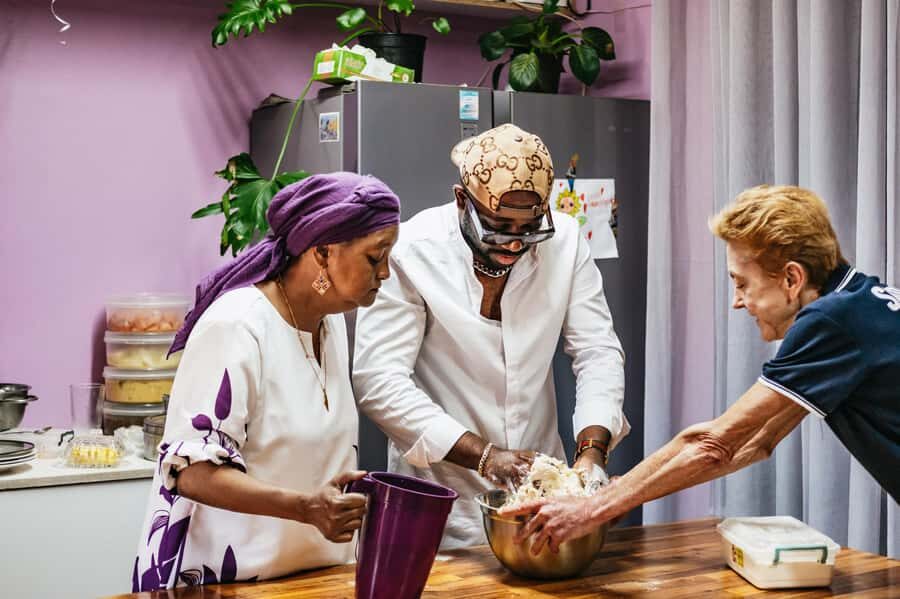
If you take this class seriously, you’ll leave with more than flavor. You’ll learn how Cape Malay cooking builds depth using spice blends and specific ingredients that do particular jobs.
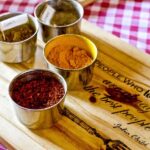
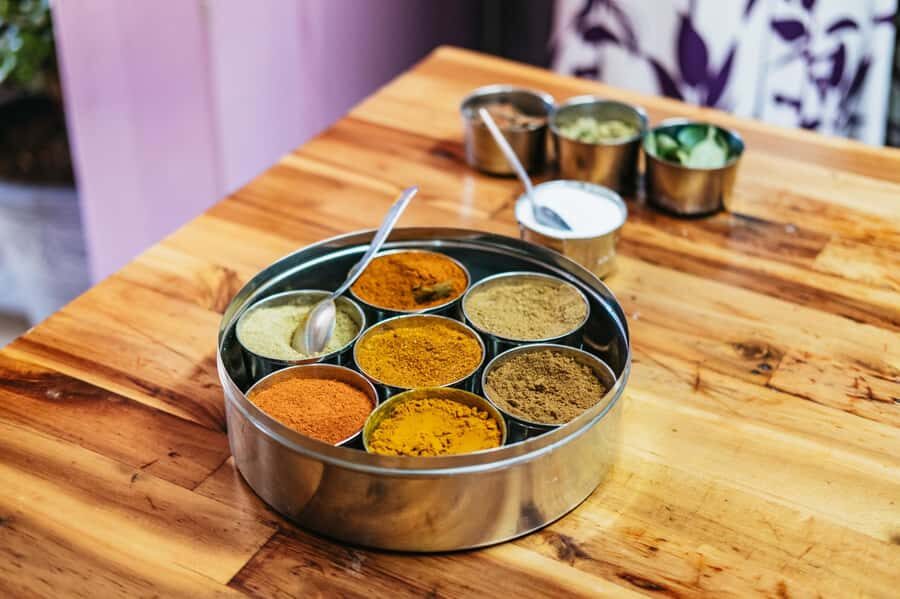
The spice list you’ll hear again and again includes turmeric (the “must-know” for aroma), plus ginger, fennel, and star anise. You’ll also use tamarind, which adds that tang that helps stews and curries feel balanced instead of one-note. The key technique is learning how to combine these flavors so they taste layered, not random.
I like that the class doesn’t treat spices like magic powder. It frames them like tools. For example, you’ll get guidance on how turmeric affects both aroma and color, and how tamarind brings brightness to heavier sauce dishes. That’s the sort of information that helps you cook later, when you’re not standing next to the chef.
From the tone of the teaching, you also pick up extra practical tips about how spices can be used beyond just taste. The host’s approach includes those “why this matters” explanations, which is a big part of why people love the class as a cultural-and-cooking combo.
What You’ll Actually Cook: Curries, Roasts, and Hands-On Basics
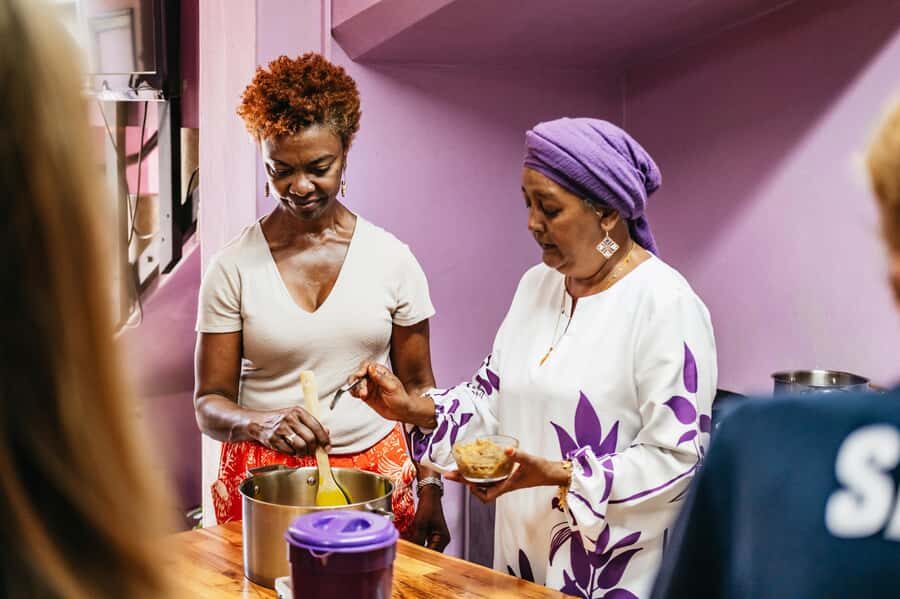
Cape Malay cooking often means sauce-heavy meals. During the class, you may work on dishes that fit that style—like stews, roasts, and curry-based plates. The exact menu can vary, but the focus stays consistent: you’ll learn the building blocks that create that comforting, spice-forward flavor.
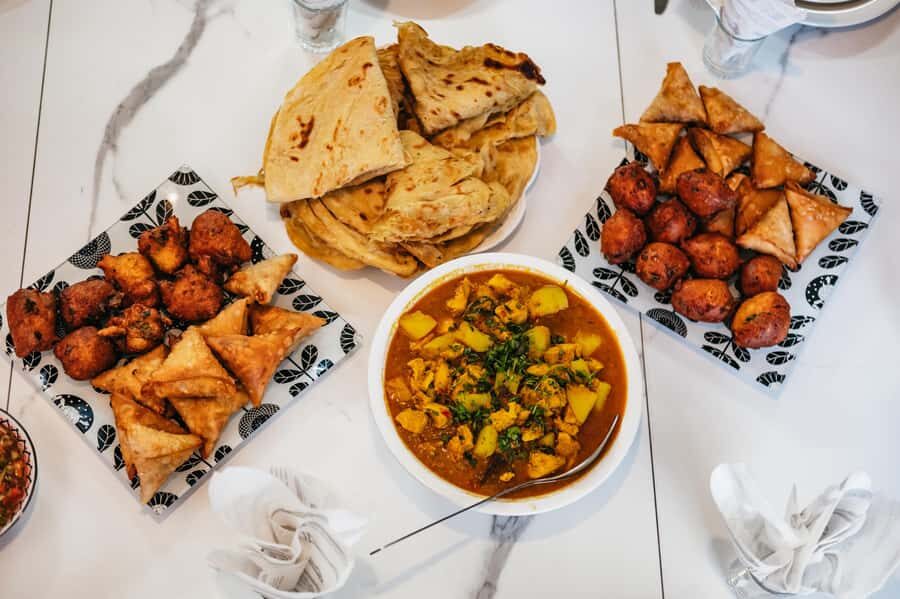
In many runs of this class, you might see dishes such as a Cape Malay curry, and you may also make items that go alongside it—like rotis and samosas. Even if you only get hands-on with some components, the pattern is useful: build, season, cook, and then taste as you go.
The best part of the technique section is that you’re guided through steps you can repeat. You’ll practice combining ingredients and timing them as part of a sauce or roast process, not just dumping spices in at the end. That’s how you get deeper flavor instead of “spice on top.”
Also, the class format is designed for different comfort levels. If you’re new to cooking classes, you won’t feel singled out. The host keeps it interactive and steady, and group energy does the rest—people help each other and laugh through mistakes.
A few more Cape Town tours and experiences worth a look




Lunch You Make: Soft Drinks, Group Tables, and the Recipe Take-Home
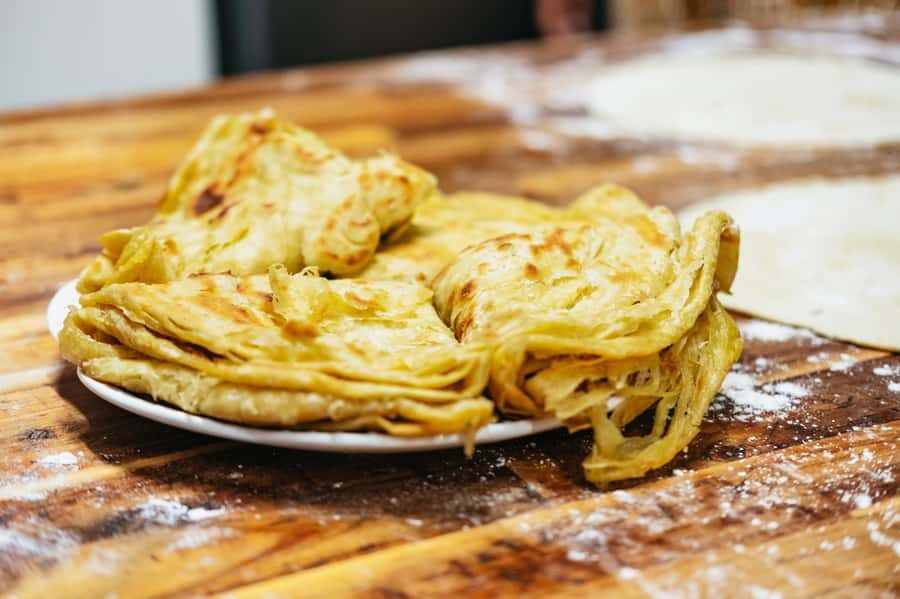
After the cooking work, you’ll sit down to lunch and eat what you prepared. You’ll have soft drinks included, but no alcohol is part of the package. That keeps things simple and family-style, and it also fits the “cook together, eat together” structure.
The portions are typically enough for the group, and the shared meal is more than a finishing touch. It’s when all the technique lessons snap into place. When you taste the result right after cooking it, you understand what you did that made the flavor work.
Another big value point: recipes are shared afterward. Multiple participants mention receiving recipes to take home, which turns this from a one-time meal into something you can recreate. If you’ve ever cooked from memory and wondered why it didn’t taste the same, this is the fix.
And yes, you’ll likely feel full in the good way. The class is built around feeding people, not just “snacking while you learn.”
Price and Value: Why $49 for 150 Minutes Often Feels Like a Bargain
At $49 per person for about 150 minutes, this isn’t priced like a quick “try something and leave” stop. What you’re paying for is a lot of built-in value:
- Cooking instruction and chef time
- Ingredients and equipment
- Lunch (what you made)
- Soft drinks
- A local-home experience in Bo-Kaap, with neighborhood time included
The cost also makes sense if you look at it like this: you’re getting both the meal and the learning. A regular restaurant lunch can be pricey in Cape Town, and it won’t teach you how to reproduce the flavor at home. Here, your money goes toward ingredients and instruction, and you walk away with enough knowledge to cook the core idea later.
What’s not included matters too: transportation is on you. If you’re staying far from Bo-Kaap, you’ll want to plan your way to 109 Wale St so you don’t turn the experience into a stress test.
Practical Tips Before You Go to Bo-Kaap
A few simple things make this smoother:
- Arrive at the meeting point on time so you can start the cooking section without rushing.
- Come ready to participate. This is hands-on, and the best results come when you’re willing to jump in.
- Skip the plans for alcohol during the class; soft drinks are included, and alcohol isn’t part of it.
- Avoid smoking and pets. The rules are straightforward: no smoking, no pets, and no alcohol/drugs.
- If you have dietary needs, mention them when you book. The class is described as accommodating dietary requirements with ease.
What to wear is simple: comfortable clothes and shoes you don’t mind getting a little used. A home-kitchen can be warm during active cooking, and you’ll likely spend time working at counters and tables rather than standing behind glass.
Who This Cooking Class Best Suits
This is a strong pick if you want a Cape Town experience that’s not just sightseeing. It’s ideal for:
- Food-first travelers who want real technique, not only flavor descriptions
- Curious cooks who want spices explained and used correctly
- Solo travelers who still want a social, friendly group table
- People who like learning from a local in their own community setting
- Beginners. The class is designed so you can take part even without cooking experience
It also fits mixed groups. The class has a welcoming feel, with participants of different ages and backgrounds mentioned in the experience.
If you’re the kind of traveler who likes markets and museums but also wants a hands-on cultural activity, this checks that box too.
Should You Book This Cape Town Malay Cooking Class?
I’d book it if you want an experience that combines Bo-Kaap neighborhood color with real cooking instruction and an included lunch. At $49 for a 150-minute home-kitchen class, you’re not just paying for food—you’re paying to learn how to make Cape Malay flavors with turmeric, tamarind, and the rest of the spice backbone.
Skip it (or consider something else) if you prefer a large, hotel-style setup or you don’t want to spend time in a home environment. Also, if you’re hoping for an alcohol-inclusive meal, this isn’t that kind of class.
FAQ
Where is the meeting point?
Meet at 109 Wale St, Schotsche Kloof, Cape Town.
How long is the cooking class and lunch?
The experience lasts about 150 minutes.
What is included in the price?
The class includes the cooking session, ingredients, equipment, a chef instructor, lunch, and soft drinks.
Is alcohol included?
No. Alcoholic drinks are not included.
Is the class wheelchair accessible?
Yes, it is listed as wheelchair accessible.
Can I cancel?
Free cancellation is available up to 24 hours in advance for a full refund.