REVIEW · CAPE TOWN
Cape Town: Cape Malay Cooking Class in Bo-Kaap
Book on GetYourGuide →Operated by Cape Malay Cook Up · Bookable on GetYourGuide
Bo-Kaap smells like spice and home cooking. This Cape Malay cooking class turns you from spectator into cook, as you make a 3-course meal in a historic neighborhood home and learn what makes the food different. It’s hands-on, chatty, and grounded in everyday family life.
I love the way the class pushes participation. You’re not just watching someone else work. You’ll handle ingredients, learn techniques, and then sit down to eat what you cooked.
One thing to consider: the home setup can include steep stairs or steep paths when it’s time to eat. If you have back or mobility concerns, it’s worth asking ahead so you can plan your comfort level.
In This Review
- Key moments I’d highlight before you book
- Bo-Kaap Cooking: a kitchen lesson with real neighborhood context
- The 2-hour rhythm: cooking, then sitting down together
- Cape Malay cooking differences: spices, technique, and the logic of flavor
- Your host and the Bo-Kaap stories you actually care about
- What you’ll cook: starter, main, and dessert basics
- Getting the most from the class (even if you’re not a confident cook)
- Price and value: $52 for a full meal + a local perspective
- Logistics that can affect your comfort: stairs, alcohol rules, and language
- Movement and stairs
- Alcohol and drugs not allowed
- Language
- Who should book this Cape Malay class?
- Should you book Cape Town: Cape Malay Cooking Class in Bo-Kaap?
- FAQ
- How long is the Cape Malay cooking class in Bo-Kaap?
- What’s included in the price?
- Does the tour include transportation?
- What language will the host or greeter use?
- Is alcohol allowed during the experience?
- How much does it cost?
- Can I cancel if my plans change?
Key moments I’d highlight before you book
- Cook a full 3-course Cape Malay menu from scratch, then eat your own results
- A local host’s stories in plain talk about Bo-Kaap family life and traditions
- You’ll practice real techniques like spice layering and shaping items such as samosas
- Everyone has a role in the kitchen with encouragement to join in
- Breakfast-style warmth, family-home feel rather than a detached demo setup
- Stairs may be involved on the route to where you eat
Bo-Kaap Cooking: a kitchen lesson with real neighborhood context
Bo-Kaap isn’t just a backdrop. It’s the point of the experience. You’re walking into a home in one of Cape Town’s most recognizable neighborhoods, where Cape Malay food is more than a recipe card. It’s a food culture shaped by migration, trade, and generations of family cooking.
The most satisfying part for me is that this isn’t a studio performance. You’re with an English- or Afrikaans-speaking host/greeter, and the vibe is practical: you get tools, you get instructions, and you get plenty of time to work with the ingredients. Then you get the best reward, eating the meal you made, not a plate you watched someone else plate.
The class is built around Cape Malay flavors, which tend to be spicier and more aromatic than many people expect from “traditional” South African dishes. And you’ll get the why, not just the what. Your host explains how ingredients behave, how spices work together, and how the dishes hang together as a menu.
You can also read our reviews of more cooking classes in Cape Town
The 2-hour rhythm: cooking, then sitting down together
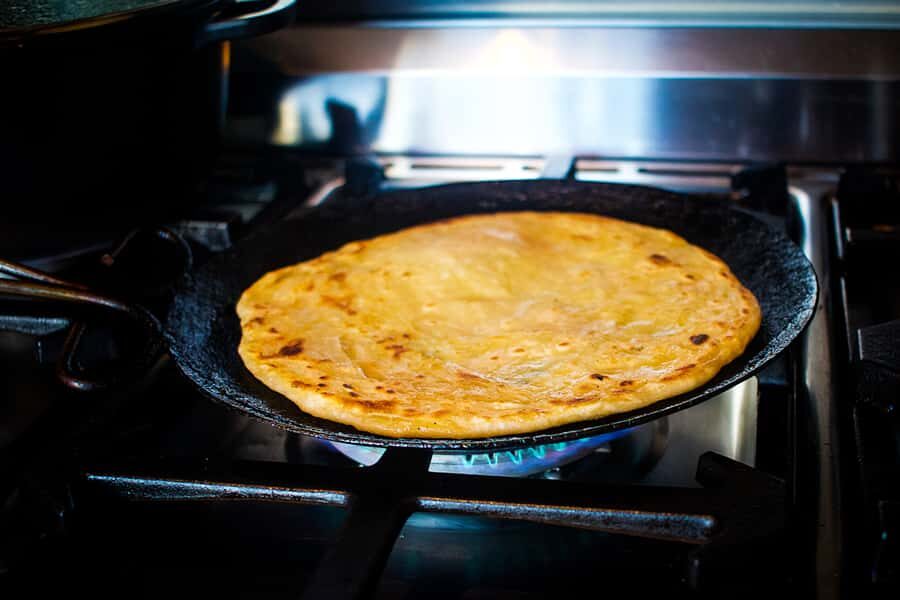
This runs for about 2 hours, and the pacing is tight enough to feel energetic, but relaxed enough that you’re not rushed out the door. Expect a cycle that looks like this:
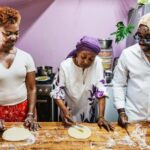
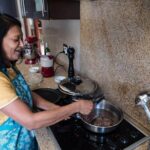
You start in the kitchen and get your bearings. Then you move through the meal course by course: starter first, then the main, and finally the dessert. In many versions of the class, the group works together on key dishes rather than everyone gets their own workstation. That’s part of the charm because you can jump in wherever help is needed.
When the cooking is done, you sit to eat. This is where the “home” part shows up. One review noted a steep walk down when it was time to eat, so the space may require some extra effort depending on where the dining area is. If that’s a concern for you, it’s a good idea to mention it when you book and ask what the movement involves.
And yes, you’ll also have conversation time. It’s not a silent meal. You’ll talk about family, local traditions, and community life while you eat your lunch and soft drinks.
Cape Malay cooking differences: spices, technique, and the logic of flavor
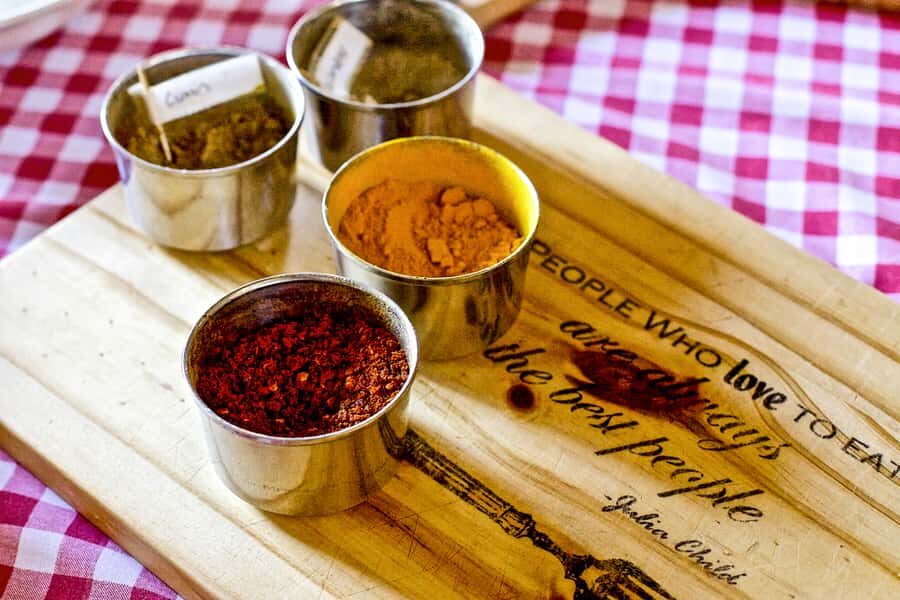
Cape Malay food often gets simplified into one “signature” taste, but the reality is more interesting. What you’re learning here is how the cuisine builds flavor.
The class centers on authentic spices and fresh ingredients. That means you’re not just measuring spices blindly. You’re learning how they’re used: when they’re toasted, when they’re added, and how they show up across multiple dishes. Once you see how the same spice profile can appear in a starter, then shift slightly in a main, and still make sense in dessert, the whole menu feels like one connected idea instead of separate recipes.
A great example from the class experience: one participant mentioned an ah hah moment with how to fold a samoosa so it holds its filling during cooking. That’s exactly the kind of practical skill this class aims for. Not theory. Technique you can repeat later.
Even if you’re not a confident cook, you’ll likely enjoy the structure. You’ll get steps you can follow, plus guidance when something needs adjusting. The class is friendly about mistakes as long as you keep moving and listening.
Your host and the Bo-Kaap stories you actually care about
In a lot of food tours, the “story” feels like a narration track. Here, the stories come from a local resident host in the middle of actual cooking.
You may be guided by hosts with names like Shafeeqah, Fuad, Jacinda, or Jasmina (based on previous class experiences). Sometimes a family member helps too, which is part of why it feels authentic instead of staged. Expect English and Afrikaans guidance, and enough back-and-forth conversation to make the evening feel personal.
What I like about this format is that the history isn’t delivered like a lecture. It comes up through everyday topics: family traditions, community life, and what certain dishes mean in Bo-Kaap households. That kind of context helps you taste with more attention. Suddenly you’re not just eating spice; you’re tasting a cultural pattern that has lived in kitchens for a long time.
What you’ll cook: starter, main, and dessert basics
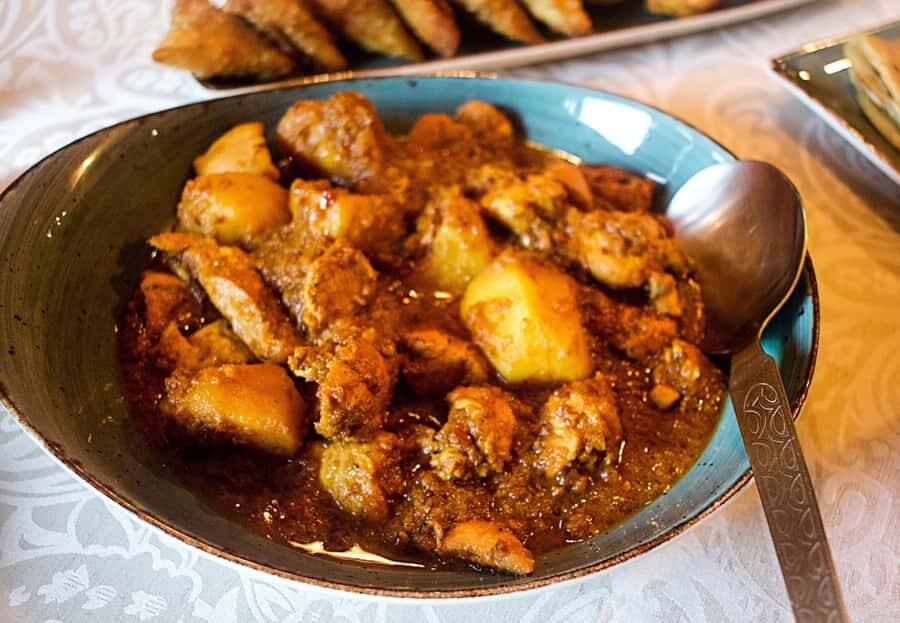
The menu is a three-course Cape Malay meal, prepared from scratch. While exact dishes can vary by class, you can expect the process to include items commonly associated with Cape Malay cooking—think spiced starters like chilli bites and pastries, a main such as curry, and a dessert component.
From the experiences shared, here’s the kind of hands-on work you should be ready for:
- Starter work: chopping and seasoning, shaping and preparing items such as samosas and related finger foods
- Main dish cooking: building flavor for a curry, including spice blending and simmering until it tastes right
- Bread or roti-style elements: learning dough handling and rolling basics when the menu includes it
- Dessert handling: in at least one version, the dessert part is prepared before the class time, while the group focuses on cooking and assembling earlier courses
A key detail: some participants noted that this isn’t a “everyone gets their own station” style class. Instead, the whole group assists with making starters and the main, with a different approach to dessert. That means you should be comfortable being part of the kitchen rhythm, stepping in where needed.
And the payoff is real: multiple reviews call out that the food is delicious and that the portion is satisfying. One person even described it as the best meal they had in Cape Town. Whether you share that exact rating or not, you can reasonably expect a full meal, not a few bites.
A few more Cape Town tours and experiences worth a look


Getting the most from the class (even if you’re not a confident cook)
If you want value from a cooking class, you need to pay attention during the “small” moments. Here’s how I’d do it:
First, watch how your host handles spice. Pay attention to what happens before heat and after heat. Toasting versus simmering changes everything. Ask about timing when you can. Even one or two targeted questions can turn the lesson into something you can repeat later.
Second, go hands-on quickly. If you wait for the “perfect moment,” you might miss your chance to shape something or mix something. The class tends to encourage participation, and reviews mention that hosts make space for people to join in.
Third, learn the practical tricks. Folding a samoosa so it holds filling, or understanding how roti/flatbread dough should behave—those are repeatable skills. That’s what makes the class useful beyond the meal.
Finally, don’t rush the conversation at the table. This is when you’ll hear the cultural context clearly. People often remember the food, but the story helps it stick.
Price and value: $52 for a full meal + a local perspective
At $52 per person for a 2-hour class with lunch and soft drinks, the value depends on what you want from your Cape Town time.
If you’re only looking for food tasting, you might wonder whether a meal elsewhere costs less. But you’re paying for a different experience: learning techniques, cooking your own three-course menu, and getting a local resident’s explanation of what Cape Malay cooking means in Bo-Kaap.
This is also a social activity. The kitchen work naturally creates teamwork and conversation, and multiple past participants described the class as welcoming and friendly, with a home-family feel. If you like meeting people through shared tasks, you’ll likely feel the value more quickly.
Also, you don’t have to figure out meal planning that day. You show up, cook, and eat. For a short trip where time is tight, that matters.
One practical note: transportation isn’t included. So your real cost is partly about how you’re getting there and how long it takes. Factor that into your schedule.
Logistics that can affect your comfort: stairs, alcohol rules, and language
A few practical points can help you avoid surprises:
Movement and stairs
One participant flagged that the route to the eating area involved steep paths, which became difficult with a severe back injury. Since your comfort matters, ask before you go if there are stairs or steep steps involved and what the route looks like.
Alcohol and drugs not allowed
This class doesn’t allow alcohol or drugs. If you were planning to turn the meal into a night out with drinks, you’ll need a different plan for that part of the evening.
Language
The host/greeter is English and Afrikaans. If you speak one of those, you’ll have an easier time with the in-kitchen explanations and the stories over lunch.
Who should book this Cape Malay class?
This is a strong match if you want a hands-on cultural meal experience in a real home setting. You’ll probably enjoy it most if:
- you like cooking activities where you can participate, not just watch
- you’re curious about how Cape Malay food differs from other South African cooking styles
- you enjoy learning through conversation with a local resident
- you want a complete lunch included in a short window
It may be less ideal if you have mobility challenges related to stairs or steep paths. It can still be worth contacting the provider for details, because sometimes you can plan around the route—but the risk is real enough that you shouldn’t ignore it.
If you already eat out every meal and never want kitchen instruction, you might want a different food tour format. But if you want skills you can reuse, this class has that advantage built in.
Should you book Cape Town: Cape Malay Cooking Class in Bo-Kaap?
I’d book it if you like learning by doing, and you want your Cape Town meal to come with context you can taste. The class structure—cook a three-course meal, then eat it, plus a local host’s stories—adds up to more than dinner.
Skip it only if the logistics around stairs or movement are a dealbreaker for you, or if you prefer purely observational experiences. Otherwise, this is the kind of activity that turns an ordinary lunch into a memory with skills attached.
If you do book, my best advice is simple: ask ahead about the route to the eating area, show up ready to get your hands involved, and treat the table talk as part of the lesson—not a pause between cooking steps.
FAQ
How long is the Cape Malay cooking class in Bo-Kaap?
The class lasts about 2 hours.
What’s included in the price?
You get the cooking class, plus lunch and soft drinks.
Does the tour include transportation?
No. Transportation is not included.
What language will the host or greeter use?
The host/greeter speaks English and Afrikaans.
Is alcohol allowed during the experience?
No. Alcohol and drugs are not allowed.
How much does it cost?
The price is $52 per person.
Can I cancel if my plans change?
There is free cancellation up to 24 hours in advance for a full refund.