REVIEW · CAPE TOWN
Cape Town: Authentic African Cuisine Cooking Experience
Book on GetYourGuide →Operated by Pahari African Restaurant · Bookable on GetYourGuide
Cooking African comfort food in Cape Town hits different. In this hands-on class at Pahari African Restaurant, you learn to make a full traditional meal while Florence and Caleb explain how ingredients and recipes evolved and were passed down through generations.
I especially like the step-by-step cooking pace and the chance to contribute to real dishes, not just watch. I also like the finish: you eat the food you helped make, together at a communal table, with African drinks and a hot tea or coffee to wrap up.
One possible drawback: it’s active and hands-on, so if you hate getting messy in the kitchen, this may feel like more work than you expected.
In This Review
- Key highlights worth planning around
- Cooking at Pahari: Where the Class Starts and Why It Feels Personal
- Florence and Caleb Run the Kitchen Lesson Like a Family Job
- What You’ll Cook: Sadza, Stews, Chakalaka, and Sugar Beans
- Sadza (ground mealie meal) — the staple base
- Meaty beef bones with green veggies — hearty and comforting
- Chicken stew — familiar flavors, grounded in tradition
- Chakalaka — the spoonable flavor maker
- Sugar beans — steady, filling, and balanced
- Before You Cook: Starters and African Drinks That Set the Tone
- The History Lesson: How Recipes Evolve and Why That Matters
- Hands-On Cooking: What You Actually Do in the Kitchen
- Eating Together Communally: The Meal Becomes Part of the Lesson
- Vegan and Vegetarian Options: Plan for Your Plate
- Price and Value: Is $71 Worth It?
- Logistics That Matter: Timing, Group Size, and Getting There
- Who This Experience Is Best For
- Quick Checklist Before You Go
- Should You Book This Cooking Class in Cape Town?
- FAQ
- How long is the Cape Town authentic African cuisine cooking experience?
- Where do I meet the hosts?
- What dishes will we learn to cook?
- What drinks are included?
- Is hotel pickup or drop-off included?
- What group size should I expect?
Key highlights worth planning around
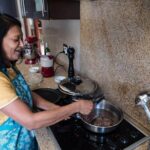
- Meet Florence (co-owner of Pahari African Restaurant) and cook with her team in a separate room next to the restaurant
- Cook a full set meal including sadza, chakalaka, chicken stew, and sugar beans
- Learn the food story, from ingredients and how recipes evolved over time
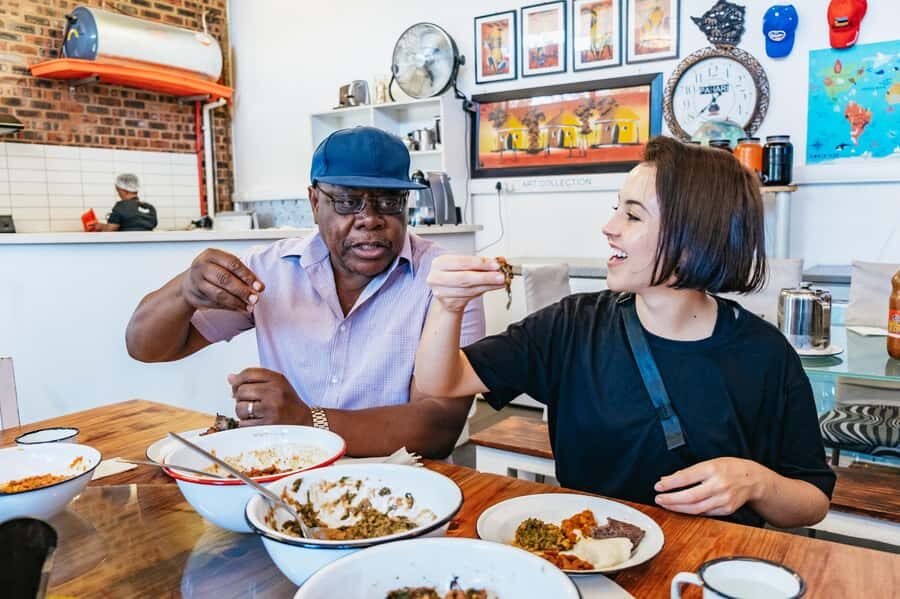
- Communal dining at the end means you’ll share the meal together in a home-style setting
- Small group size (up to 10) keeps the teaching personal
- Vegan and vegetarian options are available if you ask
Cooking at Pahari: Where the Class Starts and Why It Feels Personal
Pahari African Restaurant is the anchor for this experience, but the class itself happens in a separate room right next door. That setup matters: you still have the comfort of a real restaurant base, yet you’re not juggling the noise and bustle of a dining room while you’re learning.
You’ll meet the hosts on-site and get pointed to the cooking space. The key name to remember is Florence—the co-owner who learned these dishes from her mother and has spent decades working in food service. If you’re the type who likes knowing who you’re eating with, this is a big part of the appeal.
This isn’t a “taste and leave” stop. You build the meal from start to finish, so you leave with both food in your hands and skills you can repeat later.
You can also read our reviews of more cooking classes in Cape Town
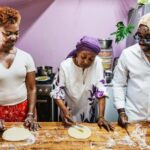
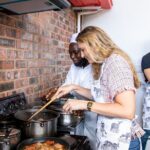
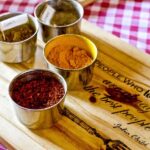
Florence and Caleb Run the Kitchen Lesson Like a Family Job
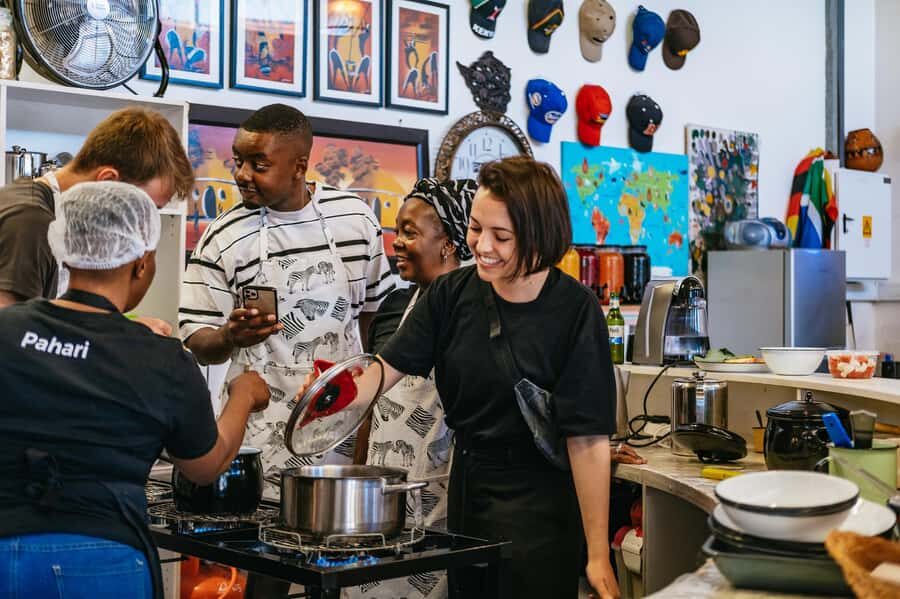
The teaching style is grounded and practical. Florence leads the experience, and Caleb is also part of the hosting team, handling history and food context alongside the cooking flow. You get explanations in English, and the vibe stays friendly and welcoming.
What I like about having both the cooking and the context covered is that you don’t just memorize recipes. You understand why the ingredients show up the way they do, and how generations shaped the methods you’ll use. Even if you cook at home already, it’s a useful reality check: African cuisine isn’t “one thing.” It’s a set of traditions, regional approaches, and adaptations.
Also, because the group is capped at 10 people, you’re not stuck in the back while someone else does the work. Each person gets a chance to contribute.
What You’ll Cook: Sadza, Stews, Chakalaka, and Sugar Beans
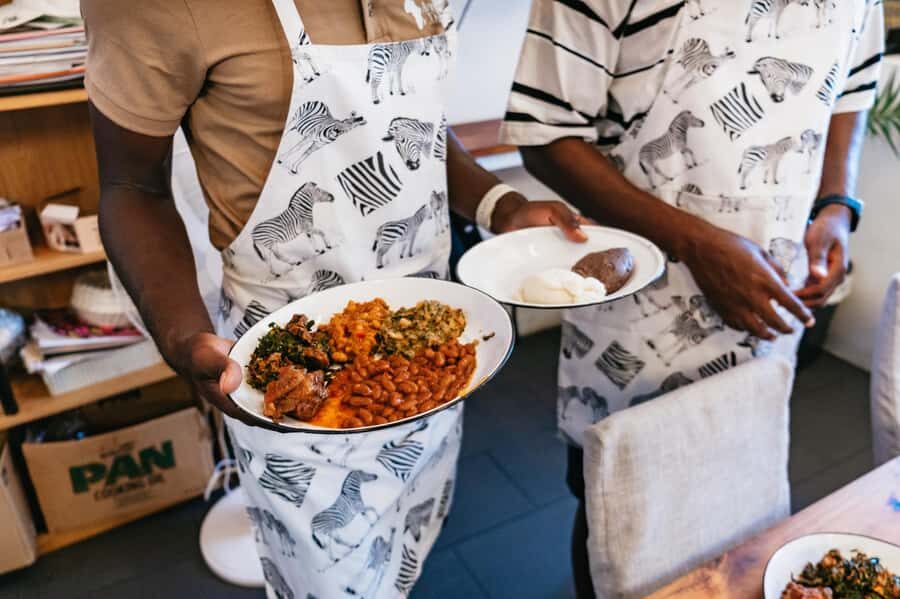
The heart of the class is a traditional meal built around a few recognizable favorites—and the skills to make them properly.
Sadza (ground mealie meal) — the staple base
Sadza is made from ground mealie meal, and it’s the kind of dish that anchors the rest of your plate. In practical terms, learning sadza is where you get the “foundation” knowledge. It also forces you to focus on technique, because it’s not a dish you can fake with shortcuts.
If you like learning foundational cooking, you’ll likely enjoy this part the most. It’s also a great conversation starter later when you’re trying to explain what you cooked and what it’s like to eat.
Meaty beef bones with green veggies — hearty and comforting
You’ll also learn a meaty option: beef bones mixed with green vegetables. It’s the kind of dish built for slow, steady flavor. Expect a warm, filling bowl that feels like a full meal, not a side.
If you’re trying to understand African home cooking, this dish helps. It shows how vegetables and rich meat flavors commonly pair for depth.






Chicken stew — familiar flavors, grounded in tradition
Chicken stew is on the menu too, and it gives you another angle on the same overall idea: slow-cooked comfort. It tends to be easier to picture if you cook at home, but you’ll still learn how the ingredients and approach shape the final taste.
Chakalaka — the spoonable flavor maker
Chakalaka is one of those dishes people talk about because it brings heat, tang, and spice-driven complexity. In a class like this, it’s also a turning point: it’s where your meal stops tasting “like ingredients” and starts tasting like a real plate you’d want to eat again.
Sugar beans — steady, filling, and balanced
Sugar beans round out the meal. They’re not just filler; they add a soft, satisfying texture and help balance the heavier flavors from the stews and sadza.
Together, these dishes create a full meal rhythm: foundation (sadza), bold flavor (chakalaka), main comfort (stew dishes), and steady balance (beans).
Before You Cook: Starters and African Drinks That Set the Tone
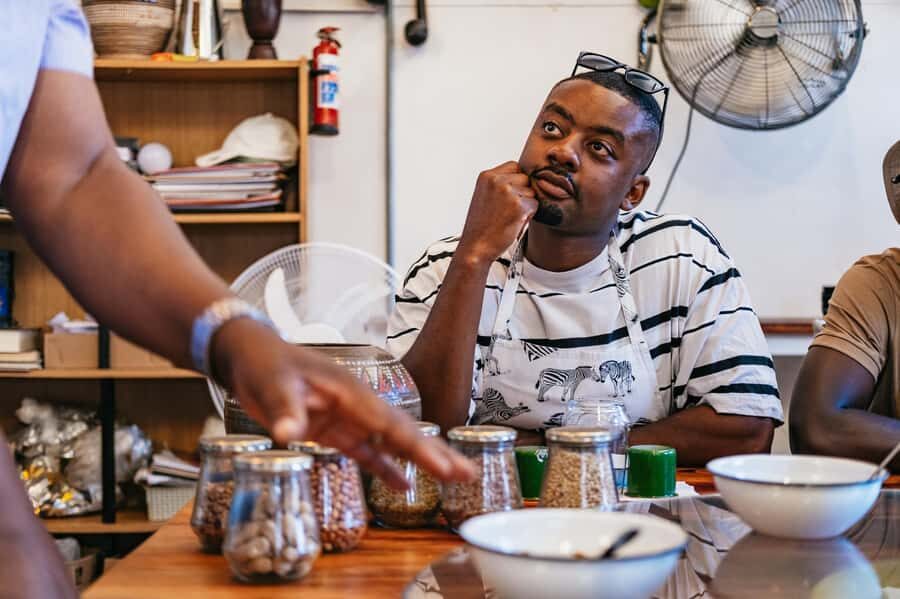
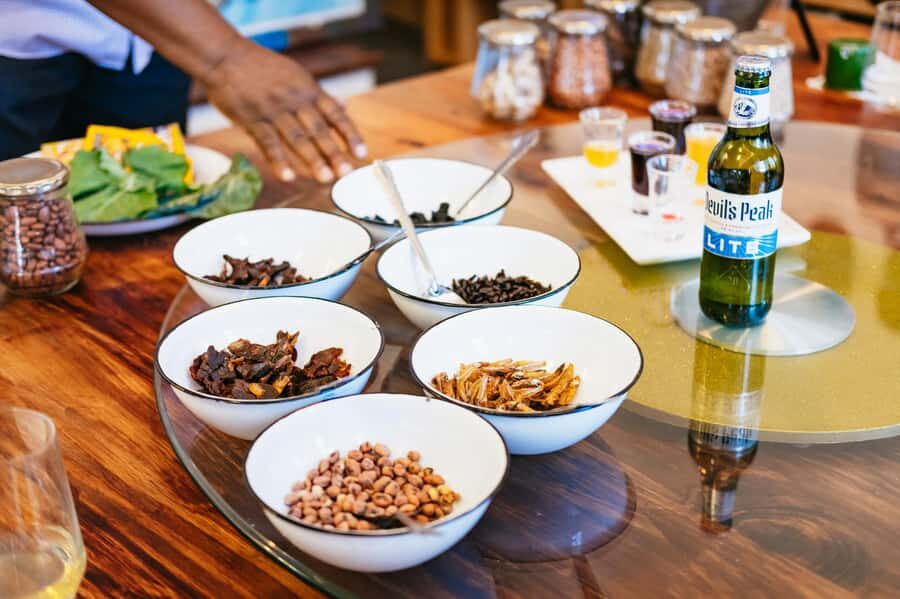
You’re welcomed with African drinks and starter snacks before you start cooking. Included drinks typically include African juice, African beer, and African tea or coffee.
This start matters more than you might think. It helps you settle into the evening and it also gives you a reference point for the meal you’re about to learn. If you’re sensitive to spice or unfamiliar flavors, you can use the starters as a quick gauge for the kitchen’s flavor style.
One detail I find especially useful for planning: the class has a variety of starter snacks, and some of the food presented can be surprising if you’ve never seen certain traditional items before. If that’s your worry, don’t be shy about asking what’s being served—at a small group size, you’ll usually get a clear explanation.
The History Lesson: How Recipes Evolve and Why That Matters
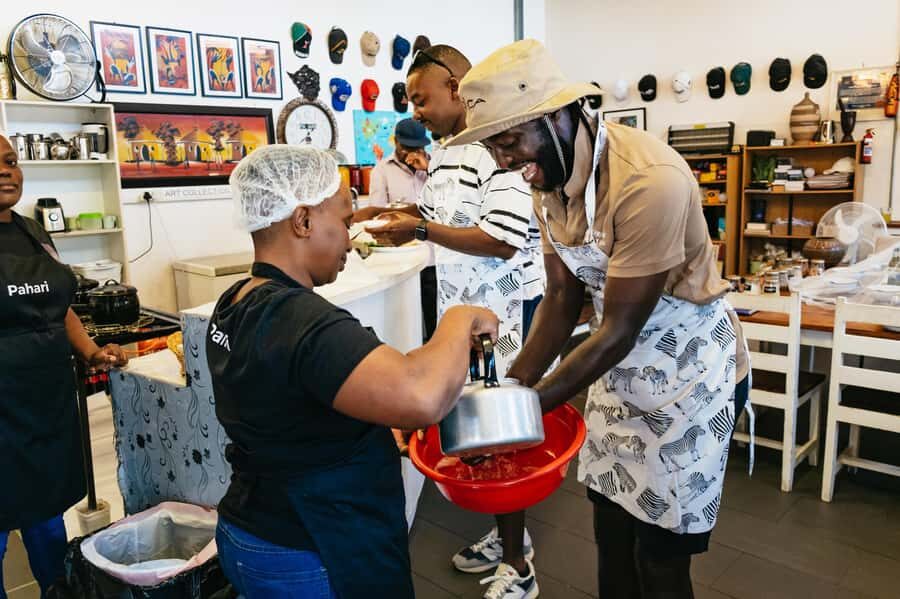
A big part of this experience is not only what you cook, but why it’s cooked. Your host explains the history of African cuisine, with a focus on ingredients and how recipes evolved and were passed down across generations.
This is valuable for two reasons:
First, it helps you avoid treating the dishes like fixed museum pieces. Food changes based on availability, migration, and family preference.
Second, it gives you context for the ingredients you’ll see in the kitchen—so when you get the recipe later, you’re more likely to recreate the results instead of just following steps.
When cooking instruction includes a bit of cultural and historical grounding, the class feels less like a performance and more like real learning.
Hands-On Cooking: What You Actually Do in the Kitchen
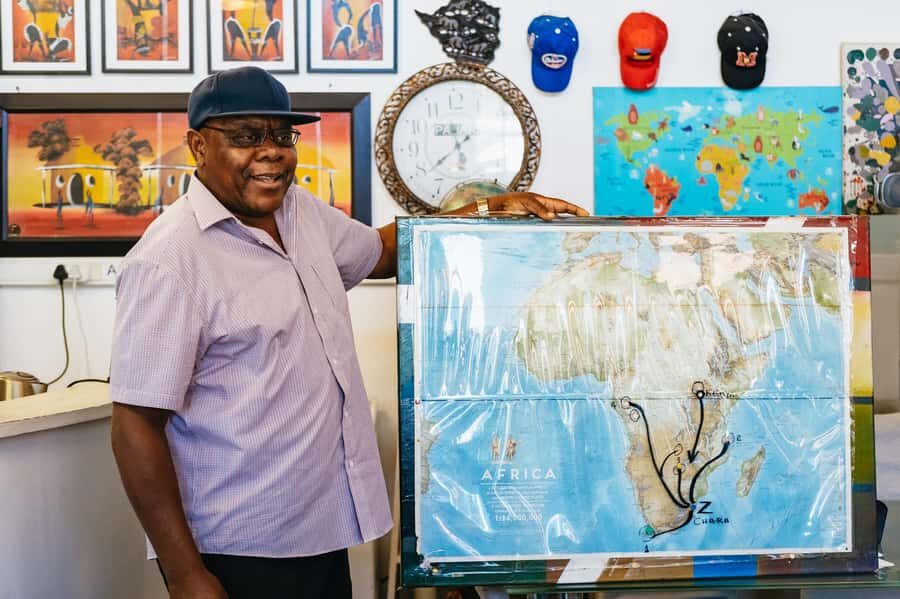
The format is step-by-step, and the expectation is that you’ll get your hands dirty. That means you’re not just watching someone else do the work while you take notes.
You’ll likely move through tasks that build the dishes one component at a time. Each person contributes, which helps a lot if you’re traveling solo and want to feel involved rather than like an observer.
Practical tip: wear clothes you don’t mind getting stained. You’ll be in a cooking setup, and even if it stays tidy, the “hands-on” part is real.
Eating Together Communally: The Meal Becomes Part of the Lesson
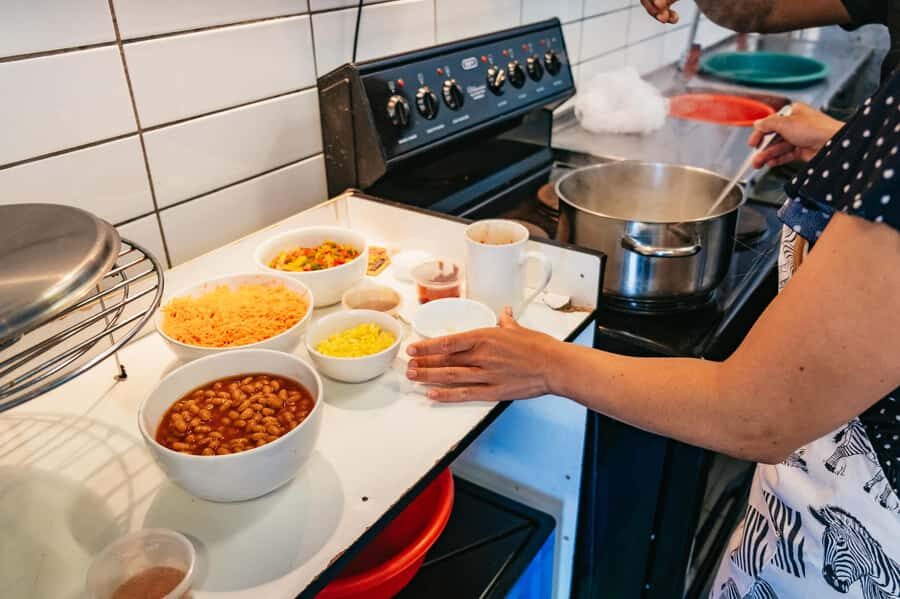
After cooking comes the shared meal. The experience is designed around communal eating, like you’d find in an African home. You’ll enjoy the dishes together at the table.
In many homes, eating is done with your hands, and that’s something you may experience during the communal meal portion. If you’re open to it, it’s part of the cultural feel—not a gimmick. If you’d rather not, you can often find a compromise, but the setup emphasizes shared, home-style dining.
Also note: there’s a concluding hot beverage—tea or coffee—so the end doesn’t feel rushed. It’s a calm finish, not a “class ends, you’re out the door” moment.
Vegan and Vegetarian Options: Plan for Your Plate
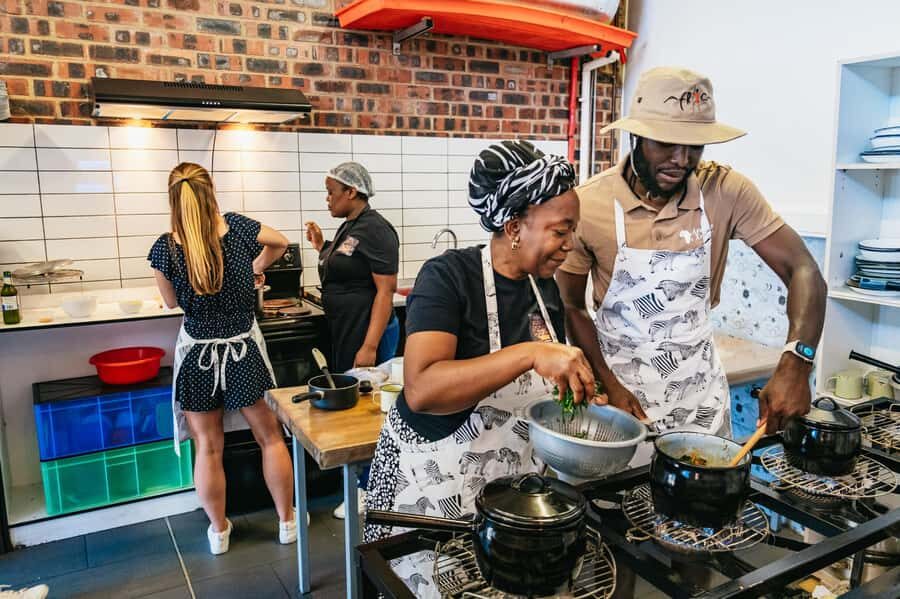
The class states that vegan and vegetarian options are available. That’s a big deal in a cooking class, because it means you’re not stuck sitting out while others cook.
What you should do: when you reserve, make sure your preference is clearly stated. Since the included dishes include specific meat and stew components, your best bet is to confirm how the kitchen handles substitutions so you don’t get surprised when you arrive.
Price and Value: Is $71 Worth It?
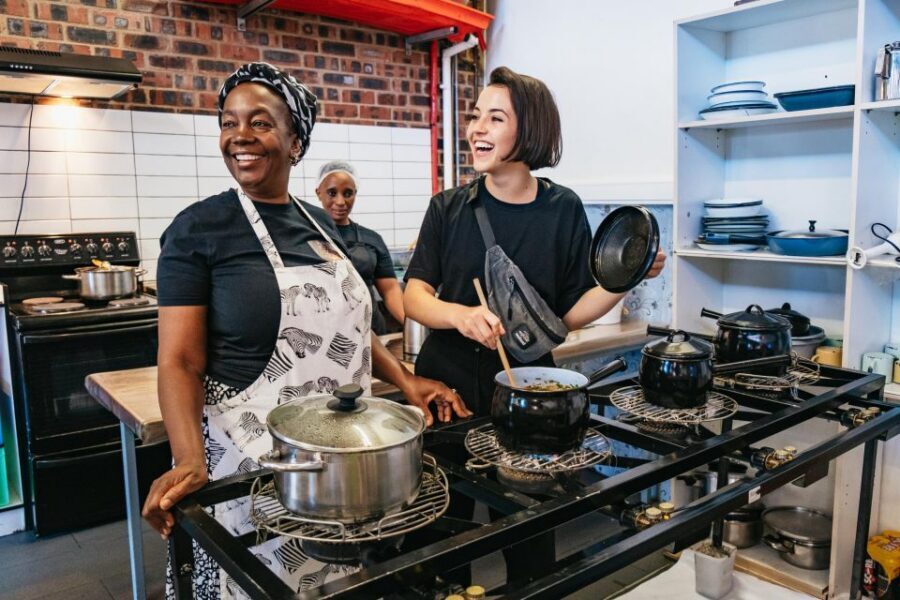
$71 per person for a 150-minute small-group cooking class is reasonable when you match it to what’s included:
- You cook multiple dishes as part of a full meal (not just one dish)
- Drinks are included: African juice, African beer, and tea or coffee
- You eat what you cook together in a communal setting
- You can request an easy-to-follow recipe to recreate the experience later
The value gets stronger if you like learning skills, not only sampling food. A guided meal is nice, but this is a “learn the method” experience. If you’re already the kind of traveler who buys cookware because you want to repeat what you tasted, you’ll probably feel like this price makes sense.
The only time it might feel overpriced is if you’re mainly looking for a quick food stop with no cooking involvement. This is a kitchen lesson first, dinner second.
Logistics That Matter: Timing, Group Size, and Getting There
Plan for 150 minutes. That’s enough time to cook, learn, eat, and ask questions without it feeling like a marathon.
The class is limited to 10 participants, so you’ll get more attention than you would in bigger group tours. That matters for cooking instruction because small corrections can help you get better results.
Also, there’s no hotel pickup or drop-off. You’ll want to factor in how you’ll reach Pahari African Restaurant and how you’ll get back. The meeting point is straightforward: arrive at Pahari African Restaurant and ask for Florence.
Who This Experience Is Best For
This cooking class is a great fit if you:
- Want hands-on learning, not just tasting
- Enjoy food history and how family traditions shape recipes
- Like small groups and a more personal, home-style dining setting
- Want to take away recipes you can actually use at home
It may not be the best fit if you:
- Dislike cooking tasks or getting messy
- Prefer passive experiences with minimal involvement
- Need a very fast, strictly scheduled sightseeing-style activity
Quick Checklist Before You Go
- Arrive at Pahari African Restaurant and ask for Florence
- Wear something you don’t mind getting dirty
- Expect cooking involvement and communal dining
- If you’re vegan or vegetarian, confirm your preference in advance
- Bring basic curiosity for spice and ingredients you may not recognize
Should You Book This Cooking Class in Cape Town?
I think you should book if you want more than a meal. This is one of those experiences where the real payoff is understanding the food’s roots while you make it with your own hands. With Florence and Caleb leading the process, you get both practical cooking instruction and the story behind the ingredients.
If you’re deciding between this and a simple dinner out, choose this when your travel style includes learning. If you just want a quiet night with no kitchen time, then you can skip it and go for a restaurant meal.
Otherwise, if you want a Cape Town experience that’s personal, hands-on, and genuinely tied to family and tradition, this class is a strong pick.
FAQ
How long is the Cape Town authentic African cuisine cooking experience?
The duration is 150 minutes.
Where do I meet the hosts?
Arrive at Pahari African Restaurant and ask for Florence.
What dishes will we learn to cook?
You’ll learn to cook sadza (ground mealie meal), meaty beef bones with green veggies, chicken stew, chakalaka, and sugar beans. Vegan and vegetarian options are available.
What drinks are included?
The experience includes African juice, African beer, and African tea or coffee.
Is hotel pickup or drop-off included?
No, hotel pickup and drop-off are not included.
What group size should I expect?
It’s a small group with a maximum of 10 participants.