REVIEW · CAPE TOWN
Cape Town: Table Mountain Kasteelspoort Hiking Trail
Book on GetYourGuide →Operated by OTC Adventures · Bookable on GetYourGuide
This hike climbs fast, then pays you back. The Kasteelspoort route from Camps Bay gives you a proper up-and-over feel with cliff faces and thick fynbos, and the stop at Woodhead Dam is the kind of engineering moment you don’t get on a typical viewpoint hike. One catch: if the cableway isn’t running, you’ll walk down too, which adds time and an extra R500 per person.
You’ll also move as a small group (up to 10) with pickup from your Cape Town City Bowl area, and you’ll get a guide who times the stops so you’re not just hauling uphill. The hike suits anyone reasonably fit, but if slippery ground worries you, pack for wet sections.
In This Review
- Key points before you go
- Camps Bay to Kasteelspoort: the climb starts with real Cape Town energy
- Fynbos, Protea, and cliff faces: why the plants matter here
- Reaching the top: Camps Bay views, Table Mountain to the cableway, and a guided photo moment
- Woodhead Dam: the engineering break you’ll remember later
- Valley of the Red Gods: the scenic link-up to the cable car
- The cable car down: a fun finish in a 360-degree rotating car
- What the guide actually does (and why small groups help): Amber, Mike, Lynette
- Price and value: what $112 really covers, and what can cost extra
- What to bring for a 4-hour Table Mountain hike (Camps Bay to cableway)
- Who should book Kasteelspoort, and who should skip it
- Should you book this Kasteelspoort hiking experience?
- FAQ
- How long is the Cape Town Table Mountain Kasteelspoort hike?
- Where does the hike start?
- Is the cable car ride down included?
- What if the cableway is not running due to weather or maintenance?
- What’s included in the tour price?
- What should I bring?
- How big is the group?
- What language is the tour guide?
- Is this hike suitable for all fitness levels?
- Is this tour refundable if I change my plans?
Key points before you go
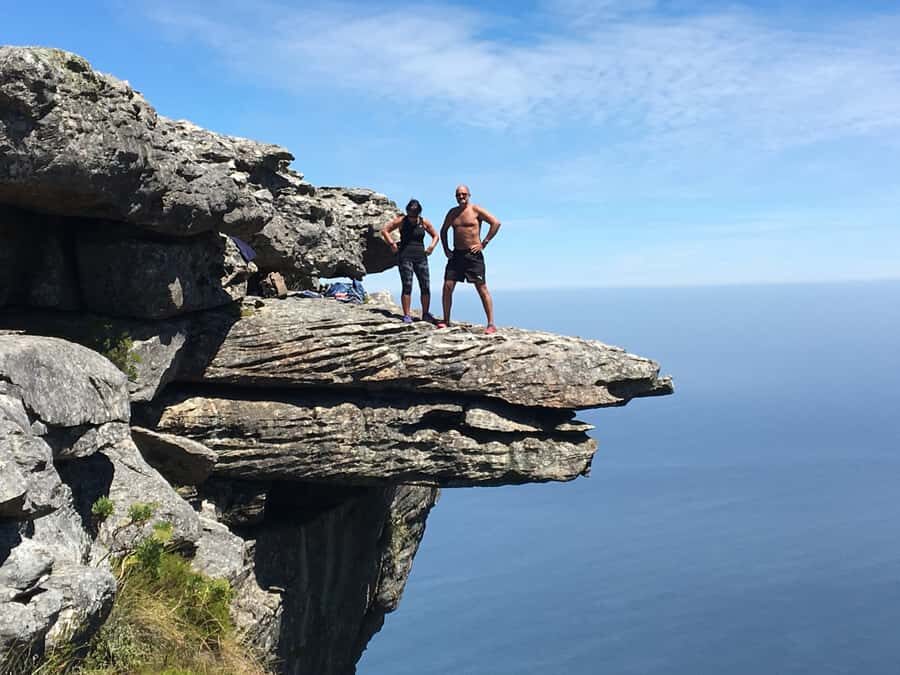
- Kasteelspoort ravine climb: a meandering path that keeps the scenery changing as you gain height
- Fynbos and Protea spotting: thick plant life with a standout protea you can actually see up close
- Woodhead Dam engineering stop: a built-structure break that makes the mountain feel real
- Best photo stop on Table Mountain: you’re guided to the angle that works
- Valley of the Red Gods route: a scenic link-up to the cableway station
- 360-degree rotating cable car down: a fun finish after all that uphill effort
Camps Bay to Kasteelspoort: the climb starts with real Cape Town energy
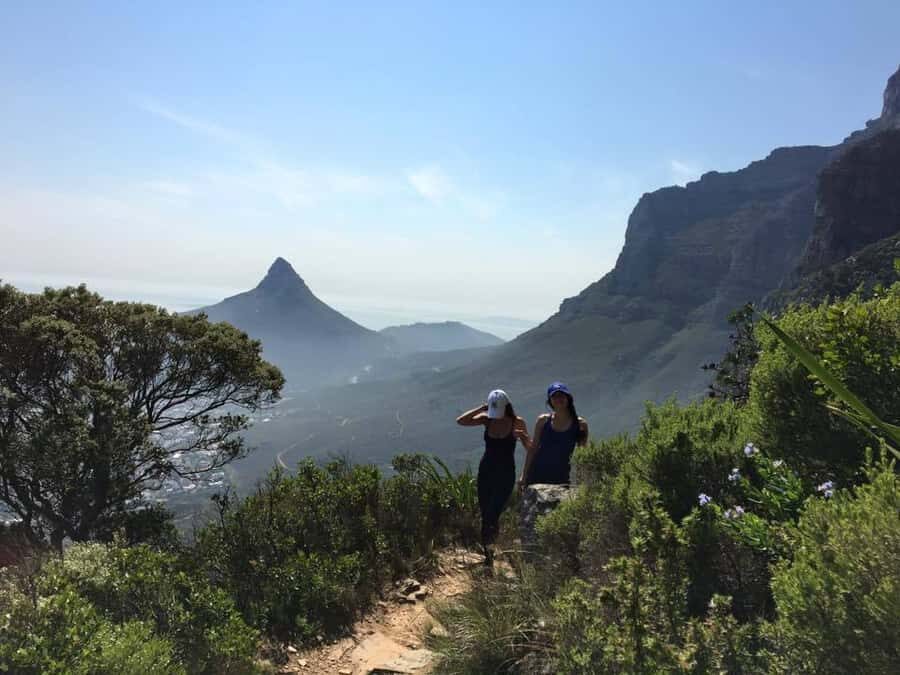
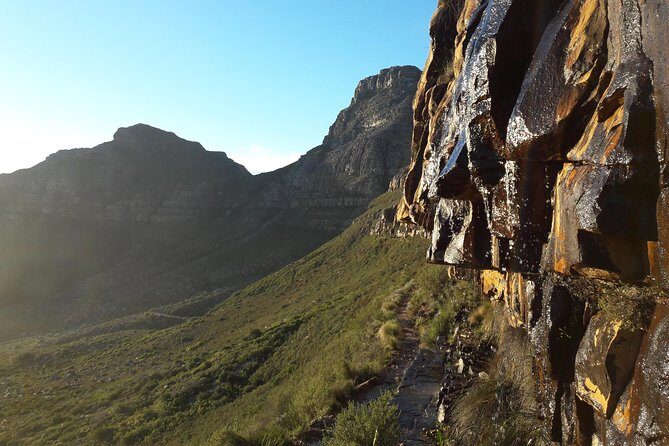
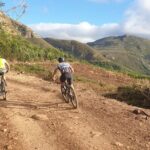
You begin in Camps Bay, where the vibe is instantly different from the highway-side city feel. From there, the hike follows the Kasteelspoort trail, a meandering line up the side of Table Mountain that gradually turns into a proper ravine climb. This is the kind of trail where you don’t just stare at a single distant view—you get the cliff faces around you, then the valley opens, then it tightens again.
What I like about this start is that it’s not “walk until you’re bored.” The trail keeps your head moving—watch your footing, look left for the rock, look right for the vegetation. You’re also told what to watch for, so you come away with more than a set of pictures.
If you’re the sort of person who only enjoys hikes that are either very easy or very dramatic, this one sits nicely in the middle. It’s not a technical scramble, but it’s also not a stroll.
You can also read our reviews of more hiking tours in Cape Town


Fynbos, Protea, and cliff faces: why the plants matter here
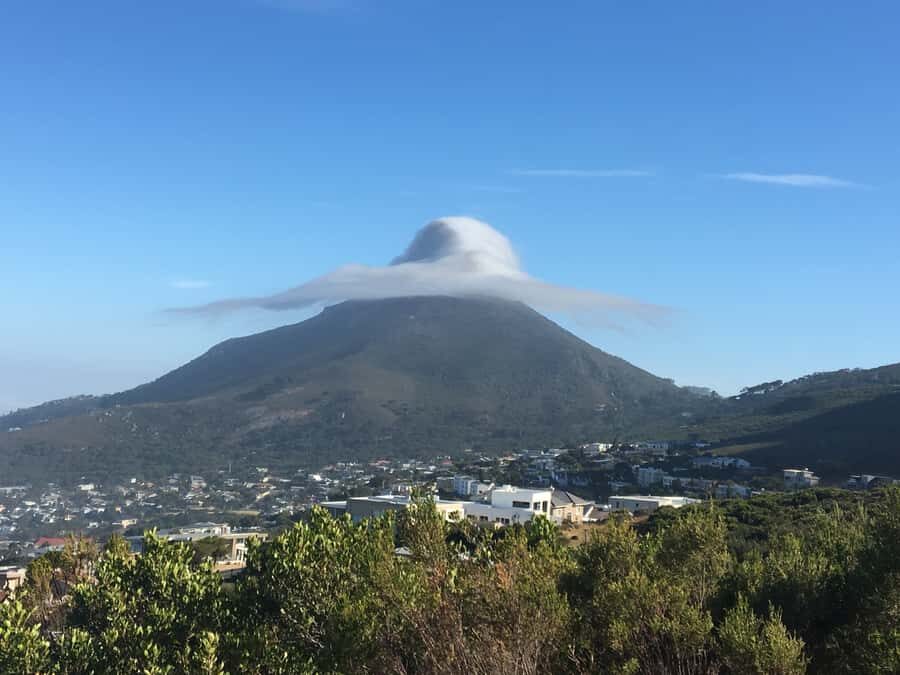
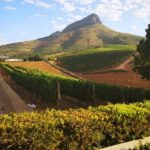
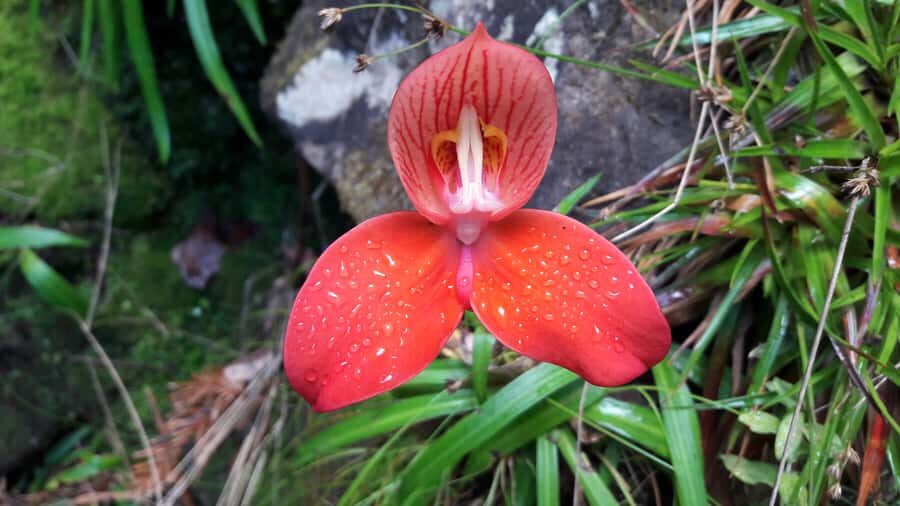
Table Mountain gets written about for views, but this hike is also about fynbos—the dense shrub life that makes the area feel specific and alive. Along the route you’ll see spectacular cliff faces and thick fynbos, including the stunning protea bushes.
This matters because fynbos isn’t just scenery dressing. It’s part of what makes this region look like nowhere else in the world—plants adapted to tough conditions, growing where you’d expect nothing to survive. When your guide points out what you’re looking at, those “random green” patches turn into something you can name and recognize.
One practical note: some sections can be wet and slippery. Even if you’re comfortable on hills, choose sturdy shoes over thin sneakers.
Reaching the top: Camps Bay views, Table Mountain to the cableway, and a guided photo moment
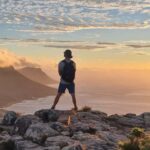
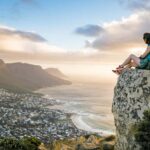
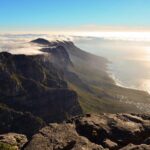
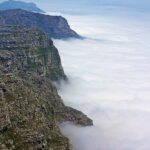
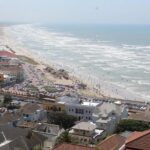
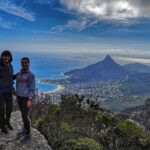
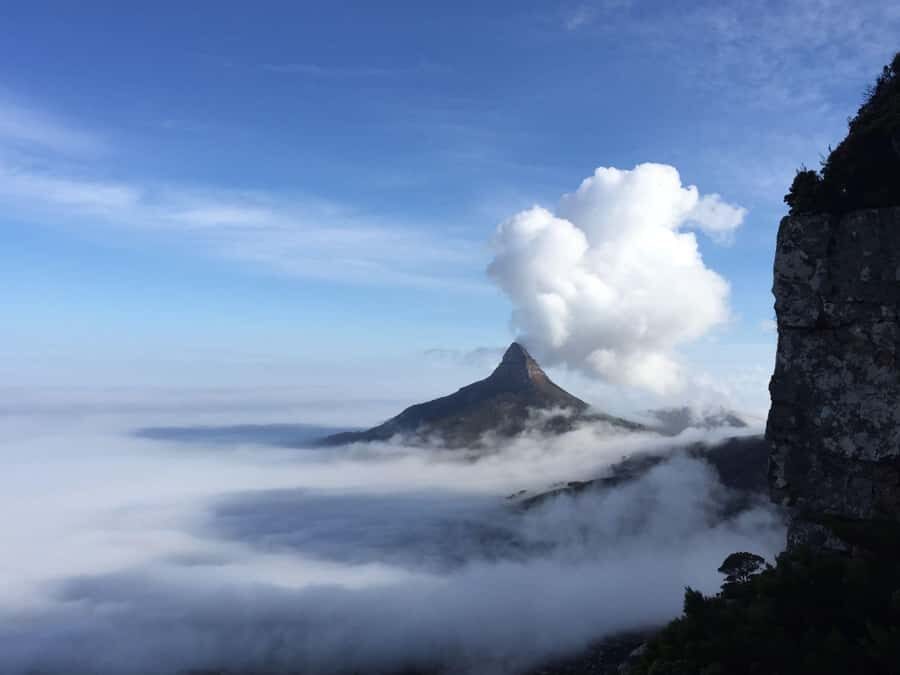
At the top of the Kasteelspoort route, the scenery snaps wide open. You’re rewarded with views over Camps Bay and across Table Mountain, all the way toward the cableway area and Signal Hill. That line-of-sight payoff is exactly what makes the climb worth it.
You’ll also stop at what’s described as the best photo stop on Table Mountain on this route. The value here isn’t the stop itself—it’s how your guide positions you so the view makes sense. If you’ve ever tried to take a great landscape shot and ended up with a muddy horizon and awkward angle, you’ll appreciate someone who knows where to stand.
If the weather is clear, this is when you’ll want your camera ready. If it’s misty, keep moving and keep your eyes up—Table Mountain can change its mood fast.
Woodhead Dam: the engineering break you’ll remember later
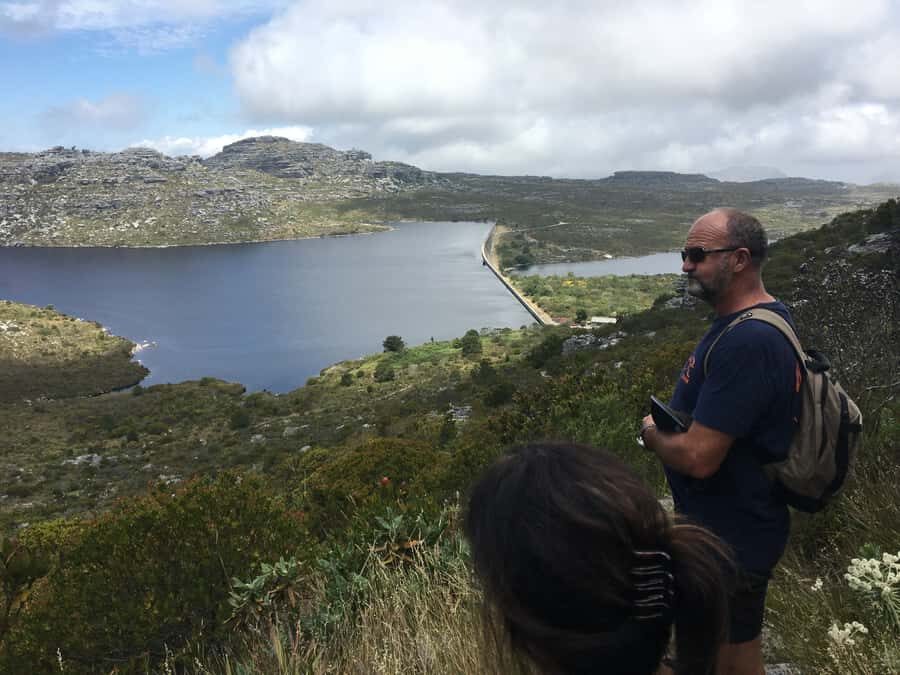
Next you head to the Woodhead Dam, a stop that’s easy to underestimate until you’re actually there. The dam is the kind of structure that makes you pause: it’s not just “pretty mountain.” It’s a real piece of infrastructure, proof of how Cape Town manages water and life at scale.
This detour adds variety to the hike. Instead of another uphill-and-view moment, you get a new subject: built geometry against mountain terrain. It’s also a smart pause. You’ll have a chance to reset your legs and refocus before the final approach to the cableway.
Even if you’re not a technical person, the wow-factor is simple: this is an incredible feat of engineering in a place people usually think about only as scenery.
Valley of the Red Gods: the scenic link-up to the cable car
From the dam area, the route continues along the Valley of the Red Gods toward the cableway. This segment helps connect the story of the mountain: ravine climb, plant life, big views, engineering, then back into a scenic natural corridor.
Why this part is worth paying attention to: it’s where your hike stops feeling like a single climb and starts feeling like a route with different chapters. You’re still on foot, but the “direction” becomes more obvious—toward the cable car station, toward the finish.
If you’re prone to rushing, resist it here. Slow down enough to look at the terrain around you. The red-toned valley setting gives the landscape a different character than the earlier ravine.


The cable car down: a fun finish in a 360-degree rotating car
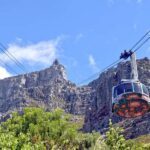
Once you reach the cableway, you’ll take the cable car down to the Lower Station in a 360-degree rotating car. Even if you’re the type who usually skips cable cars, this one is more than transport. It’s a moving viewpoint—time to relax while the mountain keeps showing you new angles.
One important detail: the one-way ticket down on the cableway is not included in the tour price. So build that cost into your planning.
If you’re comparing options, this is part of the value equation. The guide doesn’t just get you to the summit; they structure the finish so you still get a signature Table Mountain experience.
What the guide actually does (and why small groups help): Amber, Mike, Lynette
The biggest quality signal on this hike is the guide style. In the small-group format, you’re not lost in a crowd. You get time for the stops, and the guide can adjust pacing to keep the group together.
From examples you can learn from:
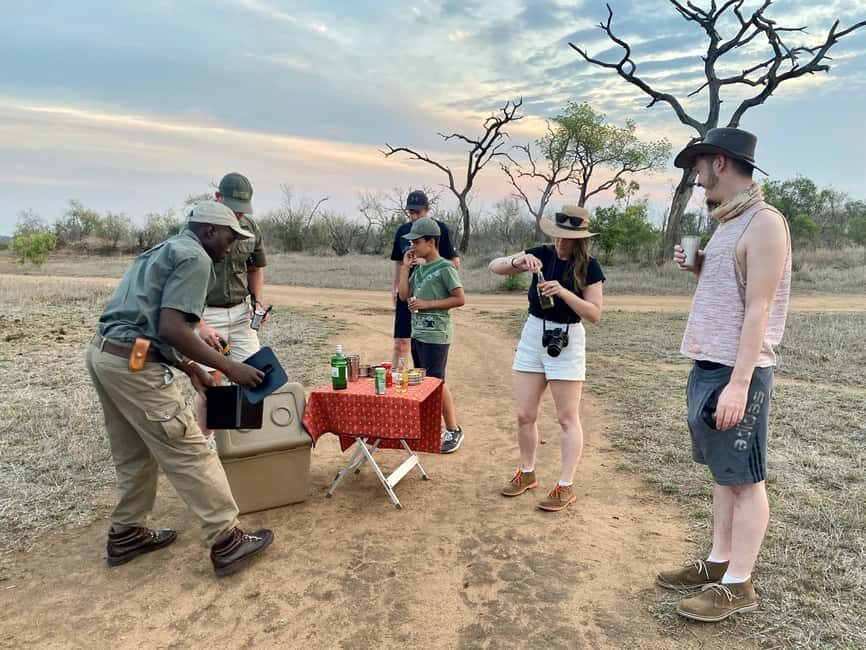
- Amber is described as fun and with lots of plant spotting, plus stories about Cape Town along the way. She also built in a treat stop with hot rooibos tea and snacks at a lookout. That’s the kind of detail that turns a hike into a trip.
- Mike is praised for sharing local knowledge and running the day smoothly, with good on-the-ground guidance.
- Lynette stands out for being friendly and informative, and for sending a long list of tips after the hike. That kind of follow-through helps you get more from the rest of your Cape Town days.
This also matters for safety and comfort. One review specifically pointed out that getting a guide for safety reasons felt worthwhile, even if they preferred another hike elsewhere aesthetically.
Bottom line: the guide isn’t just checking a box. They help you notice the right things, and they help you end up in the best photo positions without turning the hike into stress.
Price and value: what $112 really covers, and what can cost extra
At $112 per person for a 4-hour guided hike, the value comes from the whole package: transport to and from your accommodation (within the Cape Town City Bowl and immediate surroundings), an experienced mountain guide, water, and a small snack. Limited to 10 participants, that’s also a real constraint that keeps the experience from turning into a conveyor belt.
But let’s talk honestly about the parts that can change your total cost:
- The one-way cable car ticket down is not included.
- If the cableway isn’t running due to weather or maintenance, your guide will walk you down again. That adds about 2 hours, and the tour charges an additional R500 per person (paid in cash).
So the “best value” scenario is when the cable car is operating normally. If weather is unpredictable, you need a buffer in your schedule and budget.
One person felt the pricing was a bit high for a nice 4-hour hike, especially compared to other hike options. That reaction makes sense if you prefer self-guided hiking and you mainly want views. If you’d rather have a guide for plant life, timing, and photo positioning, the price starts to feel more fair.
What to bring for a 4-hour Table Mountain hike (Camps Bay to cableway)
This is a practical hike. Pack like the mountain might surprise you—because it does.
Bring:
- Comfortable shoes (and consider boots if conditions are damp)
- Sun hat and sunscreen
- Camera
- Sunscreen, plus a daypack
- Jacket (weather can shift)
- Snacks (even though a small snack is included)
- Personal medication
- Water (water is included, but extra can help if you sweat easily)
Also: if you’re carrying a camera or phone, keep it in a pocket you can access without fumbling during slippery sections. The trail is not long enough to be a gear test, but it’s long enough that one small slip can ruin your rhythm.
Who should book Kasteelspoort, and who should skip it
This hike can be done by anyone who is reasonably fit, but it’s not for everyone.
It’s not suitable for:
- People with back problems
- People with mobility impairments
- People with low level of fitness
That doesn’t mean you need to be a marathon runner. It means you should be comfortable with sustained uphill walking on a trail that may have wet, slippery areas. If you’re recovering from an injury or you’re still building your hiking routine, you may prefer a gentler Table Mountain day.
On the upside, you’ll finish with an easy, scenic cable car ride down. That blend—effort going up, comfort at the end—is a big part of why this experience works for many active visitors who don’t want an all-day trek.
Should you book this Kasteelspoort hiking experience?
Book it if you want a guided route that covers more than one “type” of Table Mountain moment: ravine trail, fynbos and protea spotting, a top photo stop, a Woodhead Dam engineering break, and then that 360-degree rotating cable car descent. The small group format and the guide-led photo positioning are the reason this doesn’t feel like generic hiking.
Consider a different option if you:
- hate the idea of extra costs if the cable car is shut down
- want a solo, low-effort walk
- are not comfortable with uneven, potentially slick trail surfaces
If you’re active enough for a moderate hike and you like learning while you move, this is a strong choice for your Cape Town week.
FAQ
How long is the Cape Town Table Mountain Kasteelspoort hike?
The hike lasts about 4 hours.
Where does the hike start?
It starts in Camps Bay, with pickup from your accommodation in the Cape Town City Bowl and immediate surroundings.
Is the cable car ride down included?
The one-way ticket down on the cableway is not included.
What if the cableway is not running due to weather or maintenance?
Your guide will walk you down again, which adds about 2 hours, and there is an additional charge of R500 per person paid in cash.
What’s included in the tour price?
Transport to and from your accommodation (within the stated area), an experienced mountain guide, water, and a small snack.
What should I bring?
Comfortable shoes, sun hat, camera, snacks, sunscreen, water, jacket, daypack, and personal medication.
How big is the group?
It’s limited to 10 participants.
What language is the tour guide?
The live guide speaks English.
Is this hike suitable for all fitness levels?
It can be done by anyone who is reasonably fit, but it is not suitable for people with low fitness.
Is this tour refundable if I change my plans?
Yes. Free cancellation is available up to 24 hours in advance for a full refund, and you can reserve now and pay later.