REVIEW · CAPE TOWN
Private Cape Malay Cooking Class in Cape Town with a Local Family
Book on Viator →Operated by Traveling Spoon · Bookable on Viator
Family cooking beats restaurant menus. This private Cape Malay cooking class in Grassy Park lets you learn family-style recipes in the kitchen of Lorette and Desmond, with a friendly welcome that keeps things comfortable and focused. I especially like that it is hands-on and not a show, so you can actually learn the steps and not just watch.
The second thing I love is how the menu stays flexible, usually around 2–3 dishes like mini rotis with chicken curry, bobotie, and malva pudding, with herbs pulled fresh from Lorette’s garden. One consideration: transportation is not included, so you’ll want a clear plan for getting to Grassy Park and back.
In This Review
- Key Highlights at a Glance
- Why This Class Feels Personal (Not Performative)
- Meeting Lorette and Desmond in Their Grassy Park Home
- What Happens in the Cooking Session (1–2 Hours of Real Work)
- How the lesson flows
- The role of garden herbs
- Dishes you can expect to make
- Cooking Tips That Matter Once You Are There
- The Meal: Food, Conversation, and That Post-Cooking Relief
- Recipes to Recreate at Home (The Best Souvenir)
- Price and Value: Is $100 Per Person Fair?
- Logistics That Can Trip You Up (and How to Plan)
- Who This Cooking Class Is Best For
- Should You Book This Private Cape Malay Cooking Class?
- FAQ
- Where does the cooking class take place?
- How long is the experience?
- Is this a private class or a group activity?
- What dishes will we make?
- What is included in the price?
- Is transportation included?
- Are there mobile tickets?
- When will I get confirmation after booking?
- Can I cancel and get a full refund?
Key Highlights at a Glance
- Private instruction in a real home kitchen instead of a crowded class
- Hands-on cooking that includes taking turns making components like roti
- Cape Malay dishes with full, practical guidance, from curry flavors to baked bobotie
- Dinner or lunch you eat together, paired with conversation and local household life
- Fresh herbs from the garden can make the flavors taste more alive
- Recipes provided, so you can recreate what you learned at home
Why This Class Feels Personal (Not Performative)
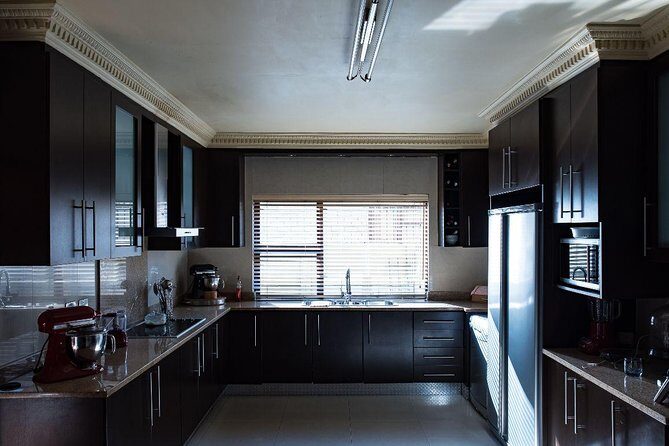
A cooking class can be fun and still feel impersonal. This one doesn’t. You’re in Lorette and Desmond’s home in Grassy Park, and the attention stays on your group the whole time.
That is the real value here: private pace. When someone can watch what you’re doing—how you portion, stir, roll, season—you improve faster. It also helps that the host uses her own kitchen and routines, not a staged demo setup.
Also, the meal part matters. You don’t just end with a photo of food. You finish by sitting down and eating what you helped make, with conversation from Lorette and Desmond as the food cools and flavors settle.
You can also read our reviews of more private tours in Cape Town


Meeting Lorette and Desmond in Their Grassy Park Home
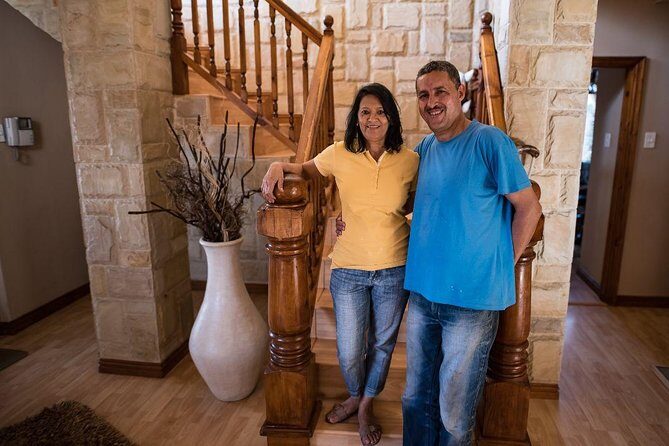
You meet in Grassy Park (Cape Town), and the class begins with a welcome drink. The setting is Lorette and Desmond’s home—built by Lorette’s dad about 44 years ago, then later renovated and redesigned by the couple after they bought it from Lorette’s parents.
That family-detail backdrop changes how you cook. When you’re learning a dish that comes from home life, you pay attention to things like texture, taste balance, and timing. It also makes the class feel less like a lesson and more like you’re being brought into the household rhythm for an afternoon.
Lorette’s family may also join in passing. Her mom and dad, Rachel and Kenneth, live on the property, and they sometimes pop in to say hello.
What Happens in the Cooking Session (1–2 Hours of Real Work)
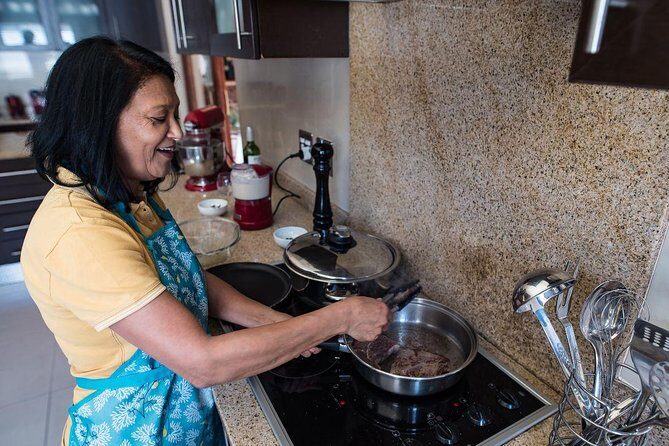
The cooking portion runs about 1–2 hours, usually followed by shared eating and chat. Expect instruction that goes step by step, plus hands-on time for your group.
How the lesson flows
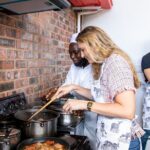
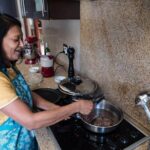
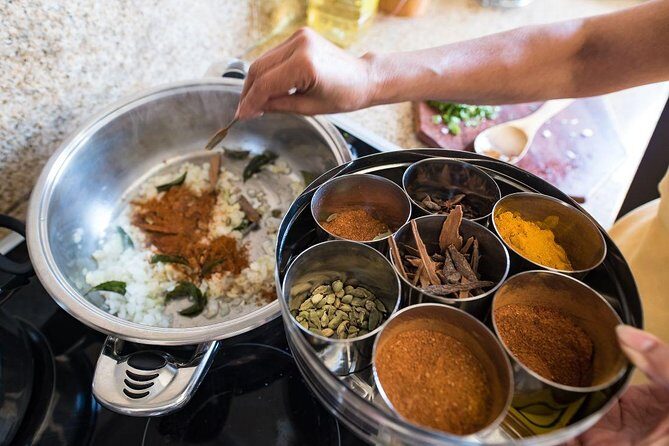
You start in Lorette’s spacious, modern kitchen, where she guides you through the process while keeping an eye on your pace. Many people love that it’s not just watch-and-wait. You learn by doing, and you can contribute to multiple parts of the meal.
The role of garden herbs
Lorette is also a keen gardener, and she likes using fresh herbs from her garden in her cooking. Even if you have cooked before, herbs fresh from the source change the smell and taste fast—so you start understanding why certain seasonings get added when they do.
You can also read our reviews of more cooking classes in Cape Town

Dishes you can expect to make
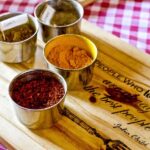
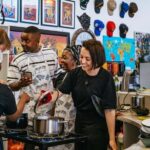
You will learn 2–3 traditional dishes, and the exact combination can vary. Common picks include:
Mini rotis with chicken curry
In Cape Malay cooking, the roti here is an unleavened flatbread served with chicken curry. You may help make mini rotis and then pair them with the curry.
Hands-on roti work is a big deal in this class. It is one thing to eat roti. It’s another to understand how the dough behaves and what you’re aiming for when you roll.
Bobotie
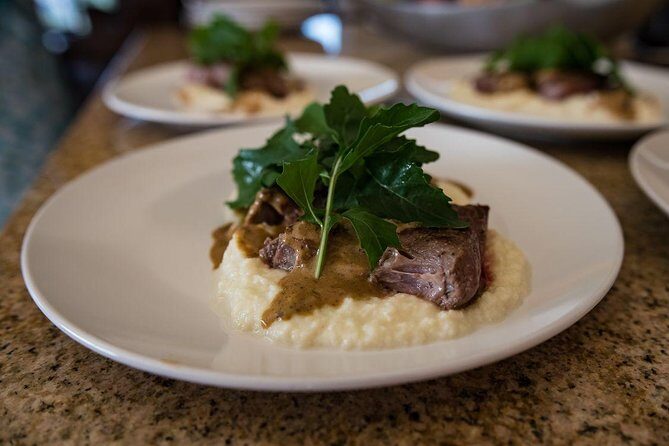
Bobotie is described as curried minced meat baked with a savory custard, served with aromatic yellow rice and roasted vegetables. In other words, you’re learning a meal that combines savory meat, a baked custard texture, and sides that carry flavor.
This is a great pick if you want something that feels a little more special than a basic curry-and-rice. The baked custard step also gives you a clear skill to practice at home.
Malva pudding
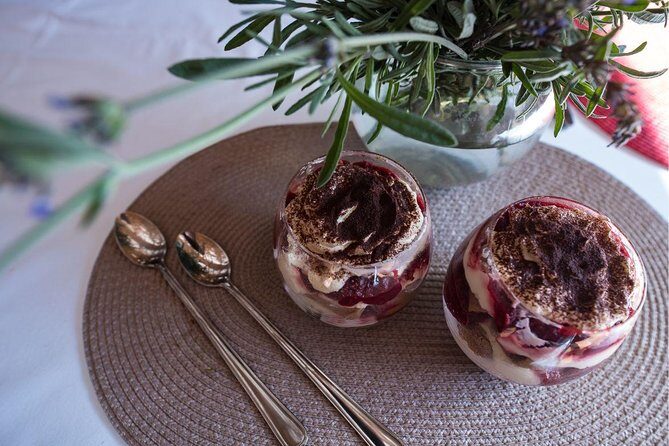
Malva pudding is the dessert you might learn to make. One nice detail: you may hear about the classic way to enjoy it, often with custard.
If you’ve ever wondered why dessert tastes different depending on how it’s served, this is where you’ll notice it. Food changes when you add the right companion.
Cooking Tips That Matter Once You Are There
You can learn technique from anyone. You learn better technique when the person teaching actually watches you.
A few practical things to keep in mind during the class:
- Taste as you go: curry and seasoning are not a one-and-done step. Lorette’s guidance typically helps you learn what adjustments matter.
- Roll with focus: roti improves with practice. Don’t aim for perfection on the first try; aim for consistency.
- Bake and timing: bobotie gives you a built-in lesson in watching texture, not just relying on a clock.
- Ask about substitutions: you’ll likely get recipes to try later, and it’s smart to ask how to replace ingredients you can’t find easily at home.
If you’re worried about skill level, don’t be. This class is set up for normal people learning real recipes. The private setup means you’re not being rushed or lost in a big group.
The Meal: Food, Conversation, and That Post-Cooking Relief
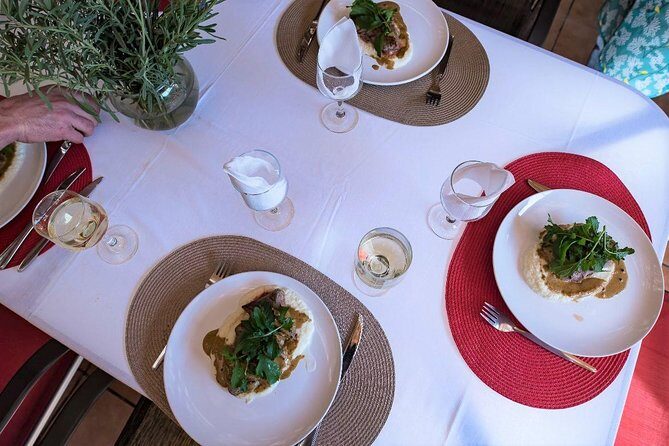
After the cooking work, you share the meal you helped prepare. This part is where the experience becomes more than cooking instructions—it becomes a cultural evening in a lived-in setting.
You sit down with Lorette and Desmond, and you chat as you eat. You might also get personal explanations about dishes and ingredients. It’s the kind of conversation where people answer questions directly, not in textbook language.
One of the best signs here is how the meal feels like a finish, not a separate event. The class is designed around eating what you made, so hunger pangs do not hijack the experience.
And yes, you’ll likely come away feeling like you ate well. The class includes lunch or dinner, plus bottled water and alcoholic beverages.
Recipes to Recreate at Home (The Best Souvenir)
A good cooking class gives you more than memory. This one is set up to give you recipes, so you can recreate the dishes later.
That matters for value. If you only learn how to cook one dish, you still eat it once. If you get the recipe and understanding to cook multiple dishes, you can turn that $100 into meals for friends and family back home.
My practical suggestion: pick one dish you’ll actually make within a week or two. Rotis and curry are a common choice for many people because they let you practice technique and seasoning fast.
Then, once you’ve made it once, try the next dish from the list—often bobotie if you want the oven-based skill, or malva pudding if you want the sweet payoff.
Price and Value: Is $100 Per Person Fair?

At $100 per person, you’re paying for private, local, hands-on instruction in someone’s home, plus the meal. That is a different equation than a group cooking tour.
Here’s why the value can feel strong:
- Private attention means you get more direct help while cooking.
- The price includes lunch or dinner, bottled water, and alcoholic beverages.
- It includes gratuities, so you’re not scrambling for another decision mid-experience.
- The class includes 2–3 dishes, so you leave with a mini skill set, not a single sample.
The main cost risk is simple: if you planned to rely on public transport and you end up paying for taxis, the total trip cost rises. Transportation is not included, so build that into your budget.
If you want a cooking experience where you leave with both food and repeatable recipes, this price lands in a reasonable zone.
Logistics That Can Trip You Up (and How to Plan)
This is a private activity, meaning only your group participates. That helps with comfort and also means your schedule stays steady during the class.
You should also note:
- The class lasts about 3 hours.
- Confirmation is received within 48 hours of booking (subject to availability).
- Tickets are mobile, which is handy if you travel light.
- Service animals are allowed.
- It is near public transportation, but the listing does not provide specific pickup details in your materials.
- Transportation is not included, and the class ends back at the meeting point.
My advice: arrive a little early. When you start with a welcome drink and then jump into cooking, being rushed can make the whole experience feel stressful. Give yourself room to settle in and get your bearings first.
Who This Cooking Class Is Best For
This is a smart choice if you want:
- A private experience instead of watching others cook
- Cape Malay dishes that include both savory meals and dessert
- Hands-on teaching, including roti-making steps
- A relaxed sit-down meal with local conversation
It is also good for couples. The class structure fits two people well, and the conversation naturally flows during dinner.
If you are traveling solo, private classes can feel especially worthwhile because you’re not competing for attention in a group.
Should You Book This Private Cape Malay Cooking Class?
Yes, if you value hands-on learning in a real home. This experience hits the sweet spot of instruction plus eating what you make, led by Lorette and Desmond in a kitchen that comes with real family context.
Book it especially if you want Cape Malay specialties beyond the basics and you care about recipes you can use later. The $100 cost makes more sense when you consider you’re not paying separately for the meal, drinks, and guided help.
Skip it only if you cannot handle the transportation planning. Since transportation isn’t included, you need to feel confident about getting to Grassy Park and back. If that’s sorted, you’ll likely leave with a full stomach and a practical skill set you can repeat.
FAQ
Where does the cooking class take place?
The class starts in Grassy Park, Cape Town, 7941, South Africa, and it ends back at the meeting point.
How long is the experience?
It runs about 3 hours in total. The cooking portion lasts between 1 and 2 hours, then you share the meal afterward.
Is this a private class or a group activity?
It is private. Only your group participates.
What dishes will we make?
You’ll learn 2–3 traditional dishes. Options might include mini rotis with chicken curry, bobotie, and malva pudding.
What is included in the price?
Included are the private cooking class with your host Lorette, alcoholic beverages, bottled water, lunch or dinner, and gratuities.
Is transportation included?
No. Transportation is not included.
Are there mobile tickets?
Yes, it has a mobile ticket.
When will I get confirmation after booking?
Confirmation is received within 48 hours of booking, subject to availability.
Can I cancel and get a full refund?
Yes. You can cancel for a full refund if you cancel at least 24 hours in advance of the experience start time. Free cancellation is available.