REVIEW · CAPE TOWN
Cape Town: Bo-Kapp Walking Tour and Malay Cooking Class
Book on GetYourGuide →Operated by Cooking with love · Bookable on GetYourGuide
Bo-Kaap colors you can taste. This 4-hour walk-and-cook combo takes you through cobblestone streets and painted houses, then you cook a Cape Malay meal with Faldela at a local home. Along the way, you’ll hear how the community’s traditions shaped everyday life.
I love how the Bo-Kaap walk connects the neighborhood to Cape Malay and Islamic traditions, including the first mosque in South Africa and a cultural museum stop. I also love the hands-on class where you fold samosas, cook chicken curry with roti, and make sambal-style salsa salad.
The only catch: the cooking area can feel tight, so you may work in turns while others prep.
In This Review
- Key things that make this tour worth your time
- Where the tour starts: that purple house with flower pots
- Bo-Kaap walking tour: more than colorful streets
- Spice shop stop: learn what to buy (and why)
- The cooking class setup: hands-on, at a local’s pace
- The full menu you’ll cook (and what each part teaches you)
- Samosas: folding is the real skill
- Chicken curry and roti: the flavor pairing
- Sambal-style salsa salad: heat meets freshness
- Koesisters and cardamom tea: dessert with character
- What you get at the end: recipes you can actually use
- Price and value: why this costs $68 and what you’re really buying
- Who should book this Bo-Kaap walking tour and Malay cooking class
- Short, practical tips so you enjoy it more
- Should you book this Cape Town experience?
- FAQ
- How long is the Cape Town Bo-Kaap walking tour and Malay cooking class?
- Where do I meet the host?
- Is the tour guide English-speaking?
- What’s included in the price?
- What food and drinks are provided?
- What should I bring?
Key things that make this tour worth your time
- Meet at a purple house with flower pots on top, then head out on foot
- Bo-Kaap walking tour focuses on old buildings, faith, and community life (not just photos)
- Spice shop stop gives practical lessons on what spices do and how to use them
- You cook the whole meal: samosas, chicken curry, roti, sambal-style salsa salad, plus koesisters
- Recipes come after via email, so you can recreate the dishes at home
Where the tour starts: that purple house with flower pots
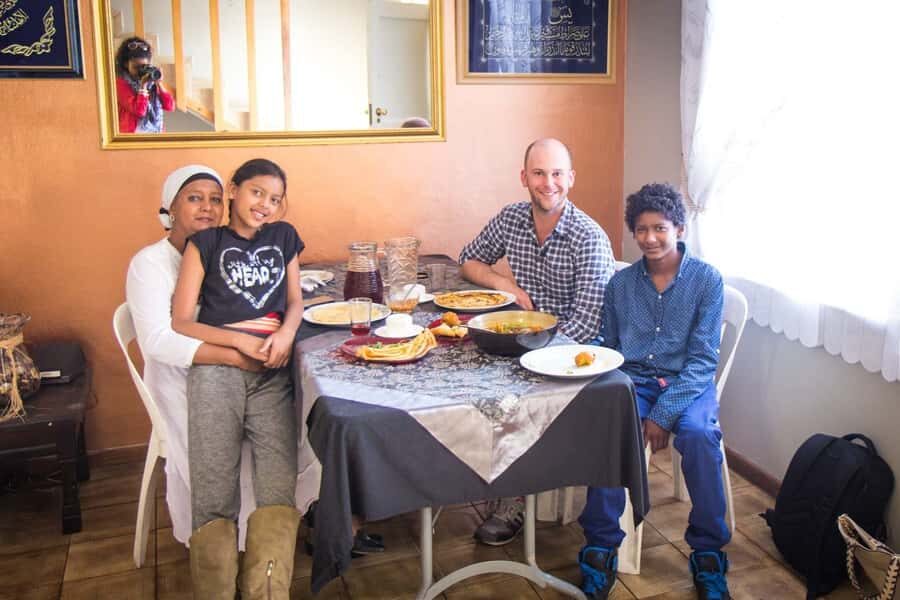
This experience begins at your host’s place, easy to spot if you know what to look for: a purple house with flower pots on top. Show up in time so you don’t feel rushed before the walking portion starts. Since the tour is only four hours, there’s no slow, meandering “just for fun” drift.
Comfort matters here. Bring comfortable shoes—Bo-Kaap’s streets are cobblestoned and you’ll be walking at a real pace. You’re also on a schedule: first the neighborhood walk and museum/spice stops, then the cooking in a home kitchen.
You can also read our reviews of more walking tours in Cape Town


Bo-Kaap walking tour: more than colorful streets
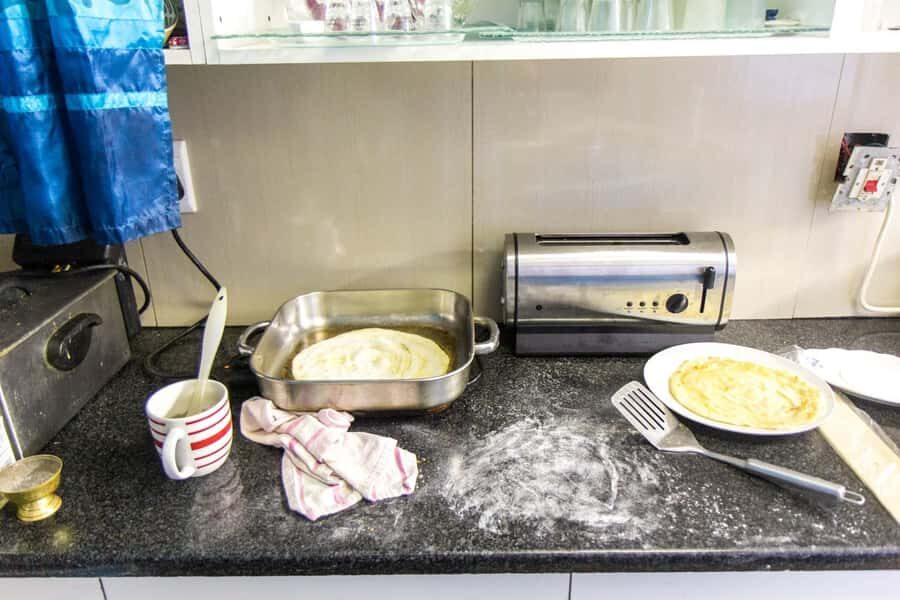
Bo-Kaap is famous for its painted houses, but the best part of this tour is how you learn what you’re looking at while you’re walking. You’ll cover older historical buildings and hear stories tied to Cape Malay culture and the community’s traditions.
A few highlights you can count on during the walk:
- A stop related to the first and oldest mosque in South Africa
- A cultural museum visit that helps put the neighborhood into context
- A spice-shop lead-in (because food talk starts long before you reach the cutting board)
This walking portion is also where the guide sets expectations. You’ll understand why the area looks the way it does—architectural details, the meaning behind colors, and how community identity shows up in daily life. In the neighborhood, you might also notice public messages painted on homes, which can make the place feel current, not frozen in postcards.
If you’re the type who likes to take photos, you’ll still get plenty of chances. Just don’t expect a photo-only outing. This is about understanding why Bo-Kaap matters, then using that context when you cook.
Spice shop stop: learn what to buy (and why)
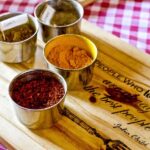
Before you get into the kitchen, you’ll head to a spice shop. This isn’t just a quick window-shopping moment. You’ll learn about the variety of spices and what they’re used for—plus some health-related benefits tied to different spices.
Why this matters: when you cook later, you’ll know what you’re smelling and sprinkling. Instead of copying a recipe blindly, you’ll understand how spices build flavor. And if you plan to recreate curry at home (you will), this stop helps you shop smarter.
One small practical tip: if you like capturing techniques, it helps to be ready to record during the spice talk. It’s the kind of moment where the guide’s explanations are the difference between getting “something spicy” and getting the real flavor profile.
The cooking class setup: hands-on, at a local’s pace
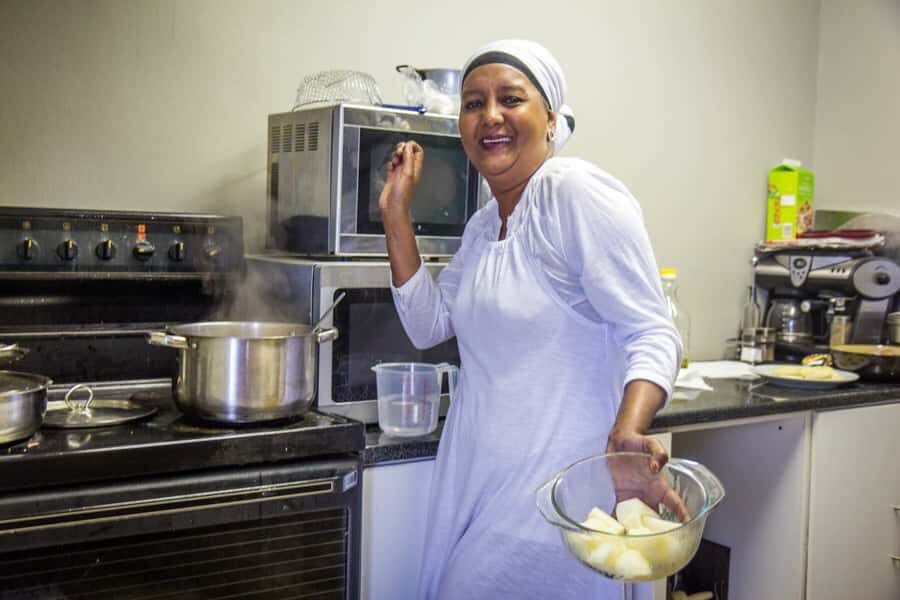
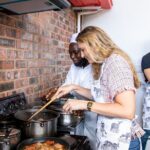
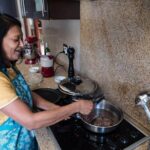
Next comes the best part: the cooking happens at your host’s home. You’ll return to the kitchen, roll up your sleeves, and cook a traditional Cape Malay meal with step-by-step guidance.
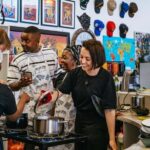
The class is interactive, and the goal is simple: everyone should be involved. In practice, that means you’ll rotate through tasks like folding and shaping, mixing, and prepping components as the meal comes together.
The menu work starts with an appetizer component:
- Samosas: you’ll help fold them (yes, you’re actually doing it)
- Chicken curry: you’ll prepare the main part of the meal
- Roti: you’ll work on the flatbread, which is where technique counts
- Sambal-style salsa salad: this is where you get the punch of heat and freshness
Then you eat what you made—followed by dessert:
- Koesisters: spicy, savory-style donuts served with cardamom tea
A key detail for your expectations: the cooking area can be small, and that’s why people often take turns. So if you imagine a wide-open restaurant line where everyone works simultaneously, adjust that mental picture. You’ll still get a solid hands-on experience. You just might share the workspace more than you’d expect.
The full menu you’ll cook (and what each part teaches you)
This experience is built around learning how a Cape Malay meal comes together. You’re not only tasting at the end; you’re building the components that create the final plate.
You can also read our reviews of more cooking classes in Cape Town

Samosas: folding is the real skill
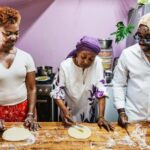
Samosas aren’t just a snack. They train your eye and hands for consistent portions and proper folding. You’ll help fold the first course, and you’ll likely get better as you go—because the guide corrects technique fast and keeps things moving.
Chicken curry and roti: the flavor pairing
Chicken curry gives you the main flavor foundation: spices, heat, and the slow comfort of a sauce that tastes deeper than the sum of its parts. Roti brings the balance—soft, flatbread comfort that’s meant to scoop and carry the curry.
If roti intimidates you in your home kitchen, don’t worry. You’re learning while someone guides you through the process, including timing and how the dough behaves. That’s the kind of lesson that actually sticks.
Sambal-style salsa salad: heat meets freshness
This part—called sambabal/sambal-style salsa salad in your experience—adds contrast. It’s not just spicy for spice’s sake. You’re getting an edge of tang and freshness that cuts through richness from curry and roti.
Koesisters and cardamom tea: dessert with character
Koesisters are spicy, savory-leaning donuts—something different from the sweet, heavy desserts you might expect. Pair them with cardamom tea, and the meal ends on a warm, aromatic note that feels very Cape Malay.
And yes, it’s a full meal. Not a single canapé and a pat on the back.
What you get at the end: recipes you can actually use
One of the best follow-through touches is that you leave with the recipes after the class—sent to you by email. That turns the experience from a good afternoon into something you can recreate.
So if you’re planning dinners at home, you’ll have a roadmap for:
- Curry flavors and spice balance
- Roti method and handling tips
- How to approach samosas at home without losing your mind
It’s also a nice souvenir that doesn’t take up suitcase space.
Price and value: why this costs $68 and what you’re really buying
At $68 per person for about four hours, this isn’t the cheapest way to spend your time in Cape Town. You’re paying for three things at once:
- A guided walk through a meaningful neighborhood
- Entrance tied to the museum element
- A hands-on cooking class inside a real home, with a full meal
The math works best if you’re hungry for more than sightseeing. This isn’t only about seeing Bo-Kaap; it’s about learning it through food and community context.
Also, water is included, and the class is family-friendly in the sense that alcohol isn’t part of it. If you want wine with dinner, you’ll need to plan that separately.
Who should book this Bo-Kaap walking tour and Malay cooking class
This fits you if:
- You want culture you can feel, not just history you read
- You like cooking classes where you actually touch the food
- You prefer small, personal guidance over big group tours
- You want a break from the usual checklist of attractions
You might think twice if:
- You hate cramped prep spaces or don’t like working in turns
- You only want a quick look at the neighborhood for photos
- You’d rather watch than participate (this one is built for participation)
Short, practical tips so you enjoy it more
A few small moves that pay off:
- Wear grippy shoes for cobblestones.
- Bring a little extra patience for the cooking rotation. The workspace can be tight.
- Come hungry. You’ll make and eat the meal you cook.
- If you’re learning spices for your own cooking, be ready to take notes during the spice shop stop.
Should you book this Cape Town experience?
I think it’s a strong choice if you want Bo-Kaap to mean something beyond the color of the houses. The combo of a guided walk (mosque context, museum stop, community stories) and a real Malay cooking session (samosas, curry, roti, sambal-style salad, koesisters) makes the time feel full in a good way.
If you’re flexible about kitchen space and happy to roll up your sleeves, you’ll walk away with a story you can repeat and recipes you can use.
FAQ
How long is the Cape Town Bo-Kaap walking tour and Malay cooking class?
The experience runs for 4 hours.
Where do I meet the host?
You meet your host at a purple house with flower pots on top.
Is the tour guide English-speaking?
Yes. The tour includes a live guide in English.
What’s included in the price?
The price includes the museum entrance fee and water.
What food and drinks are provided?
The activity includes the meal you cook, but food and drinks (no alcohol) are listed as not included. Water is included.
What should I bring?
Wear comfortable shoes for the walking portion. You’ll be on your feet for much of the tour.