REVIEW · CAPE TOWN
Cape Town: Street Art Walking Tour in Woodstock
Book on GetYourGuide →Operated by One Day Africa · Bookable on GetYourGuide
Woodstock murals talk back when you walk, and this tour is built for noticing what they mean. I love the way each stop turns into a story—history, artist intent, and why the walls matter to neighbors. I also love the mix of international names and very current local work, often carrying clear cultural or political messages. One thing to consider: the art can be confrontational, and you’ll cover about two hours on your feet in rain or shine.
This is a great way to see Cape Town’s creative side without treating it like a theme park. You start at Salt Circle Arcade, meet your guide inside Shop 5, then spend the next two hours moving through Woodstock and Salt River with plenty of photo moments. In recent tours, guides such as Mandy and Diego were praised for bringing strong context and an easy, friendly pace.
If you like street art as more than decoration, you’ll get a lot here. Your guide helps you read murals like a local—what inspired them, how they connect to community life, and why they keep changing. And yes, it’s practical: comfy shoes, a camera, and sunscreen help a lot.
In This Review
- Key Takeaways Before You Go
- Why Woodstock Street Art Feels More Personal Than a Museum
- Salt Circle Arcade Start: Tea, Shops, and a Quick Orientation
- Woodstock Exchange: The Murals That Teach You How to Read a Neighborhood
- Woodstock Brewery Stop: When Street Art Meets Everyday Life
- Salt Orchard (Unit B10) and Coffee: Slower Time for Art Details
- Old Biscuit Mill: Where Creative Momentum Has a Real Address
- Salt River Nature Park and the Final Walk Back
- Price and Logistics: Does $37 Actually Make Sense?
- Guides Make the Difference: Mandy, Diego, Chandy, Sipho, and More
- What to Bring (and How to Handle the Political Side of Mural Art)
- Who This Woodstock Tour Is Best For
- Should You Book This Woodstock Street Art Walking Tour?
- FAQ
- How long is the street art walking tour in Woodstock?
- Where do I meet the guide for the Woodstock tour?
- Is the tour in English?
- Does the tour run in bad weather?
- Is hotel pickup or drop-off included?
- What should I bring with me?
- What is the cancellation policy?
Key Takeaways Before You Go

- Murals are explained as community messages, not just pretty walls
- International street artists show up alongside fresh local voices
- A local guide helps you connect art to neighborhood history
- The route is paced for photos and short stops, not a fast sprint
- You’ll walk Woodstock and Salt River as lived-in places
- Bring camera, sunscreen, and cash for small on-the-way treats
Why Woodstock Street Art Feels More Personal Than a Museum
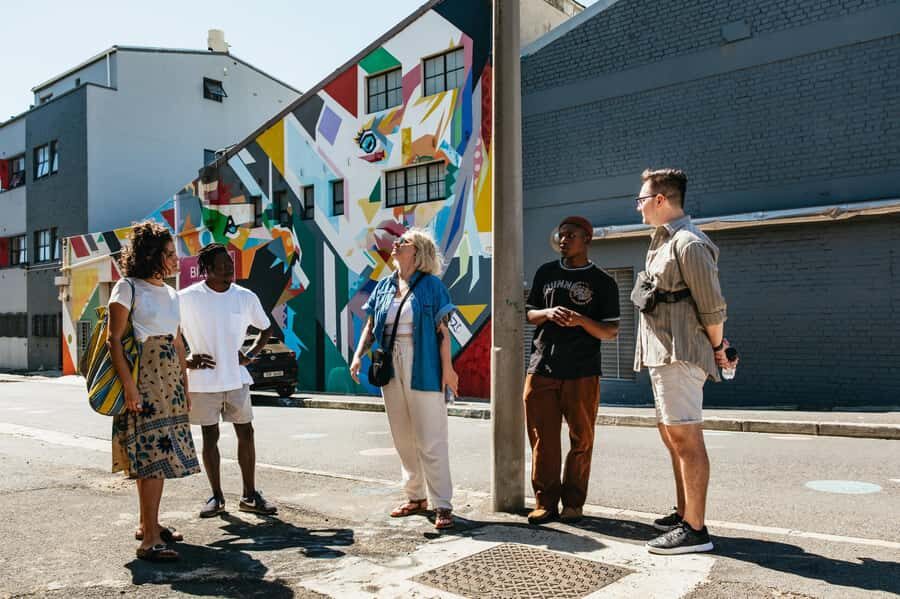
Woodstock has a reputation for creative walls, but the tour makes the difference clear fast: street art isn’t only about aesthetics. It’s also about identity—who gets heard, what people want to say, and what’s changing in the area over time. Your local guide frames murals as public conversation.
What makes this kind of walk valuable is the translation layer. On your own, you might spot color and style. With a guide, you learn the “so what.” You get context about the history of street art in Cape Town and why it became part of communal life, not something kept behind museum glass.
You’ll also notice how quickly the street art scene feels alive. Some walls reflect well-known international styles, while others carry messages that feel local and immediate. That mix is one of the reasons people love the tour length: it’s long enough to connect patterns across neighborhoods, but short enough to stay energized.
You can also read our reviews of more walking tours in Cape Town
Salt Circle Arcade Start: Tea, Shops, and a Quick Orientation
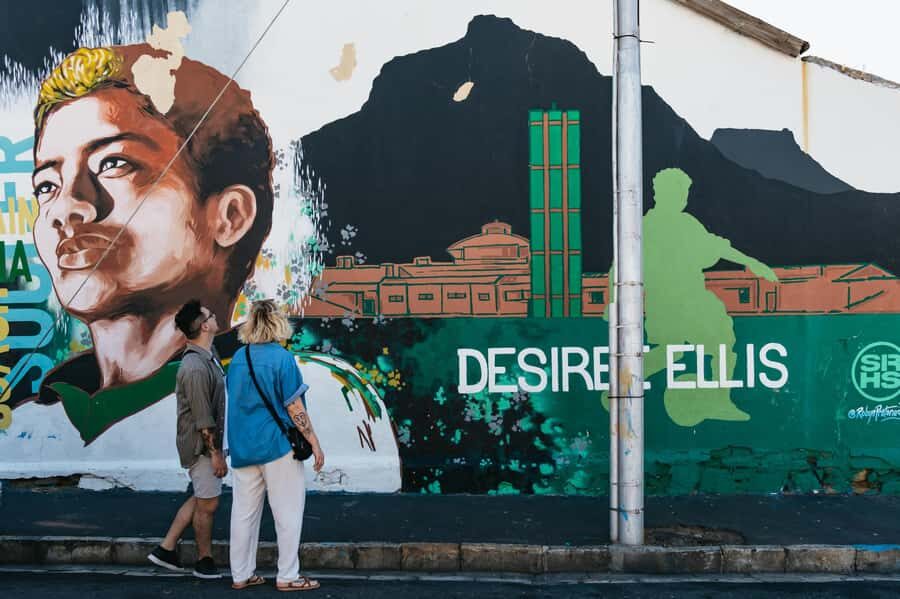
The tour begins at Shop 5 inside Salt Circle Arcade. This is one of those starts that works well for first-time visitors, because it helps you get your bearings immediately. You’ll take an early photo stop and get into the rhythm of the walk.
One small but memorable detail here is the tea ceremony stop (around 10 minutes). It’s not just a nice break. It also sets the tone: this neighborhood tour includes local everyday culture, not only street walls.
You’ll have time for a bit of shopping and general sightseeing at the start, so you can settle in. If you’re the type who likes to “buy something small” that supports the area, this stop gives you a window without breaking the two-hour flow.
Practical tip: wear comfortable shoes right from the start. The tour is walking-focused, and the ground and sidewalks can vary across Woodstock and Salt River.
Woodstock Exchange: The Murals That Teach You How to Read a Neighborhood
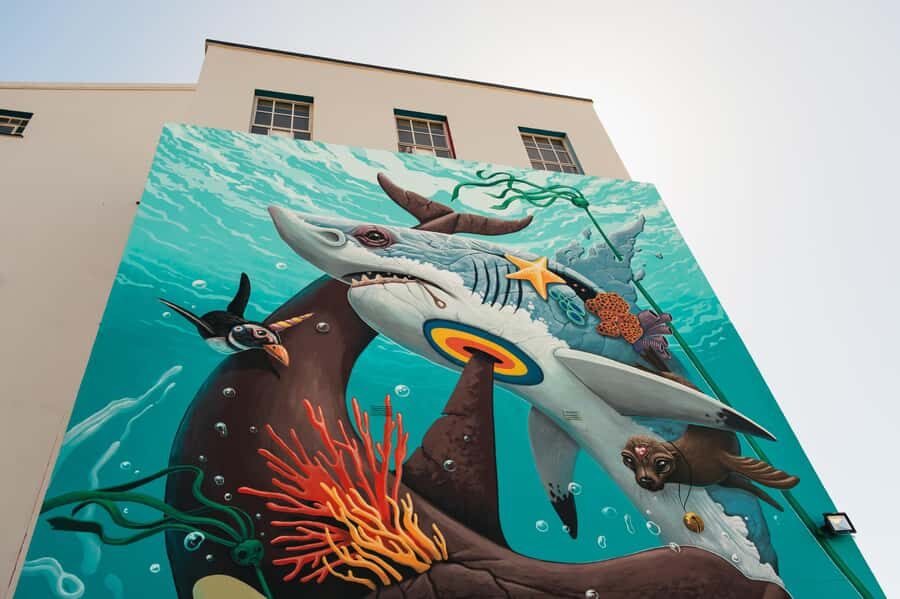
Next up is the Woodstock Exchange area. Expect another photo stop and a guided segment focused on what you’re seeing and why it’s there. This is where the tour really starts feeling like interpretation instead of sightseeing.
Your guide helps you connect mural themes to the neighborhood’s character. Even when two artworks look totally different, you’ll learn how they can share underlying ideas—local experience, social commentary, and the way artists respond to real issues in their surroundings.
This stop also helps you calibrate your attention. After the guide’s explanation, you start looking at more than just the central figures or color blocks. You pay attention to placement, message, and what the artist seems to be responding to.
If you’re worried about “only seeing art,” don’t. This part quickly shows how murals can act like public history markers.
Woodstock Brewery Stop: When Street Art Meets Everyday Life

Then comes the Woodstock Brewery (with about 10 minutes here). Again, you’ll have a photo stop and guided walking time, plus chances to look around and soak in the streets.
The value of this kind of stop is that street art doesn’t live in isolation. It sits next to businesses, foot traffic, and daily routines. That’s a big part of why the scene feels authentic: the murals are part of the neighborhood’s visual background, not staged behind barriers.
This is also a moment where you’ll likely hear how the art community works—how artists find space, how messages spread, and why certain themes show up repeatedly. Guides on recent tours were praised for being friendly and for having solid background behind the visuals, not just name-dropping.
Salt Orchard (Unit B10) and Coffee: Slower Time for Art Details

At Unit B10, Salt Orchard, you get another photo stop and a longer guided segment (about 20 minutes) that includes coffee. This is the kind of pause that keeps the tour from feeling like a checklist.
Here’s why I like this part: you can’t fully understand street art without time to look. A coffee break gives you a chance to notice smaller details you might miss while walking fast. You’re more likely to catch symbolic elements or recurring themes the guide references.
This stop also connects street art to the broader creative ecosystem of Woodstock. The area is filled with mural walls, but the tour ties those walls to nearby spaces where creative culture shows up in everyday ways.
If you’re a photographer, bring your camera settings ready. Lighting can change quickly on these streets.
A few more Cape Town tours and experiences worth a look

Old Biscuit Mill: Where Creative Momentum Has a Real Address
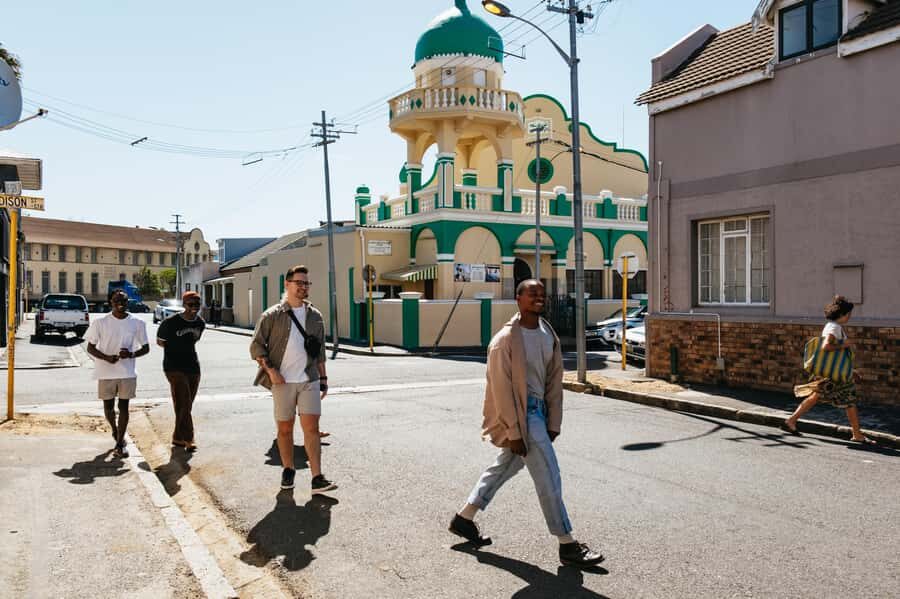
The tour then moves to the Old Biscuit Mill (about 15 minutes). This is a popular area, and it works well as a mural “breather.” You’ll get a photo stop and guided time as you walk through the surrounding streets.
Why this stop matters: it blends the street with something more established. Even if you’re only here for the murals, it helps you see how the neighborhood’s creativity connects to real places people go—markets, shops, and public gathering points.
Guides have been praised for explaining the stories behind murals in a way that makes you look again, not just once. That’s the sweet spot here: after multiple explanations, you start spotting patterns and seeing how each mural fits into the bigger narrative of Woodstock and Salt River.
Salt River Nature Park and the Final Walk Back
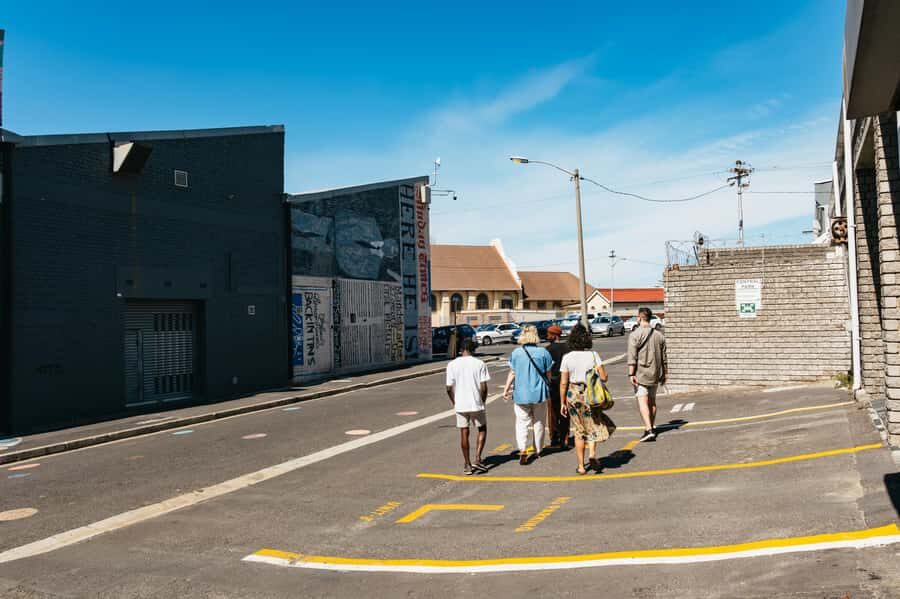
Next is Salt River Nature Park (around 20 minutes), followed by shorter photo stops near Woodstock, Cape Town and then Salt River (about 5 minutes each). These last segments help you slow down and “zoom out.”
Nature park time is useful because it balances the whole experience. If you’ve spent the last hour focusing on walls, this gives your brain a reset. You can also see how the murals sit within the geography of the area—how street art travels through a neighborhood’s layout.
When the tour finishes back at Salt Circle Arcade, it lands in a place where you can keep your day moving easily. You’re not stuck across town or far from refreshments.
Price and Logistics: Does $37 Actually Make Sense?
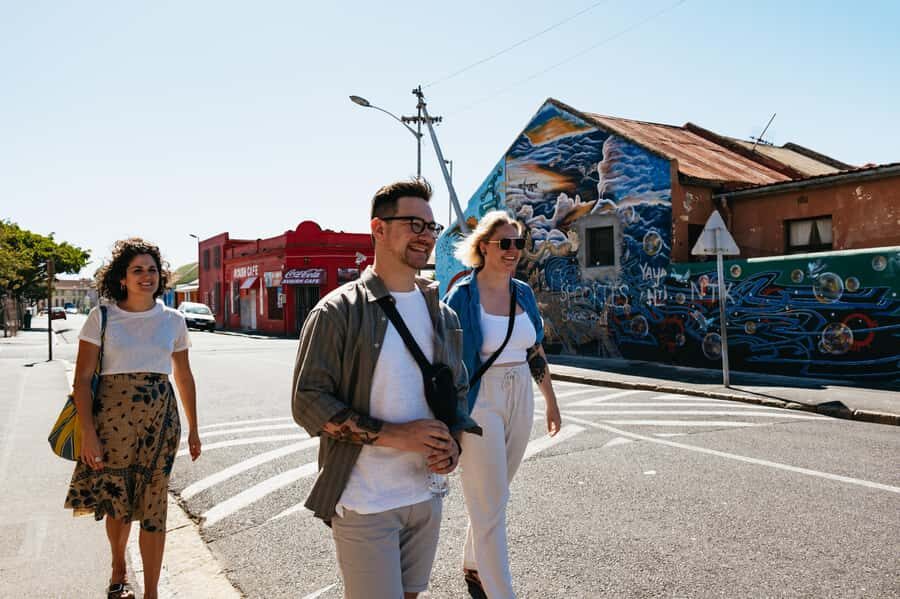
At $37 per person for a two-hour walking tour, the value is less about the walking and more about what you get from a good guide. Street art looks spontaneous, but the meanings rarely are. Here, you’re paying for interpretation: history, artist intent, and local context that you likely won’t pick up by just pointing your camera.
Also, the tour is structured with multiple stops and photo moments, so you’re not left “wandering for murals.” You get a route that strings together different neighborhood areas—Woodstock Exchange, Woodstock Brewery, Salt Orchard, Old Biscuit Mill, and Salt River Nature Park—so the art feels connected rather than random.
Two practical notes that affect value:
- You don’t get hotel pickup or drop-off, so you should plan to reach the meeting point yourself.
- You’ll walk rain or shine, so comfort matters as much as cost.
For me, this is one of those tours that feels worth it if you actually care about stories. If your goal is only casual photos, you might not benefit as much from the guide-led interpretation.
Guides Make the Difference: Mandy, Diego, Chandy, Sipho, and More
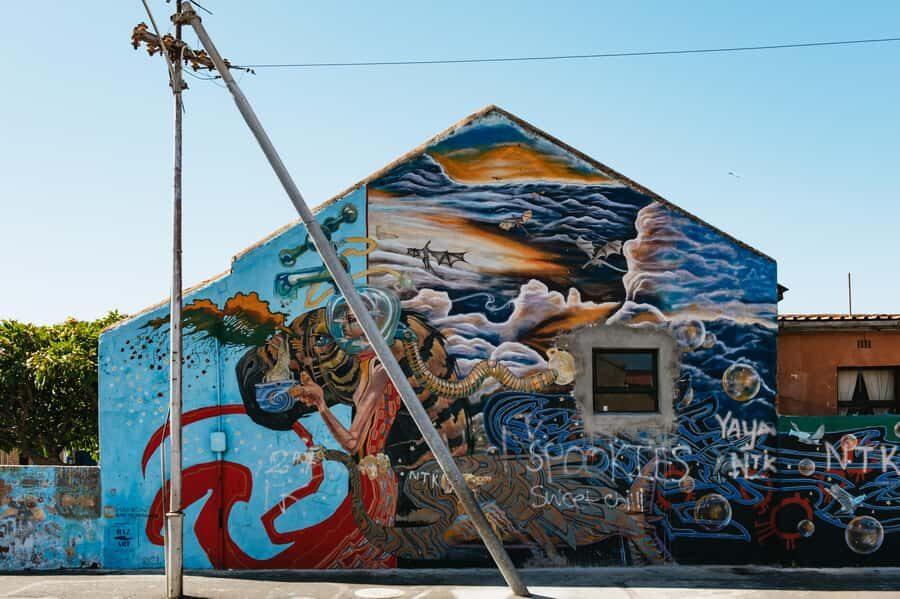
The best street art tours rise or fall on the person leading them. This one has a strong reputation for personable guides who communicate well and keep things friendly.
In recent bookings, Mandy was praised for being welcoming, well-researched, and communicative, with explanations that made the two hours fly by. Diego earned lots of love for connecting artworks to South African history and the neighborhood’s rebirth, and for adding humor and warmth. Chandy was highlighted for storytelling and for explaining mural meaning from historical, cultural, and political angles, plus helping guests with photos.
There’s also a pattern in the feedback: many people describe feeling safe and welcome while walking with the guide, which matters a lot on any urban neighborhood tour. One guide, Sipho, was specifically mentioned for connecting street art to deeper social context.
One extra detail worth knowing: in at least one recent tour, Diego added two unusual experiences beyond the normal flow, including visiting Uwe’s artist studio and taking a short ride in a shared taxi. That sounds like the kind of thing that depends on timing and the guide’s local connections, but it hints at why the tour feels alive rather than scripted.
What to Bring (and How to Handle the Political Side of Mural Art)
Pack for comfort and photos:
- Comfortable shoes (this is a walking route)
- Camera (you’ll want it at multiple photo stops)
- Sunscreen (outdoor walking)
- Cash (for small purchases or stops along the way)
A key consideration: some murals can include intense political or conflict-related messaging. One booking flagged that if you have specific sensitivities around the Israeli-Palestinian conflict, you may find some mural content offensive. If that’s you, go in aware and decide whether you want to focus on artistic technique and symbolism rather than text-based messages.
And remember: the tour runs rain or shine, so have a plan for wet weather. A light rain layer and non-slip shoes can make the difference between “fun walk” and “cold slog.”
Who This Woodstock Tour Is Best For
You’ll likely love this tour if you:
- Enjoy street art and want the meaning behind it
- Want a Cape Town neighborhood experience beyond the usual tourist highlights
- Like history and culture, especially when it’s tied to current voices
- Appreciate guides who talk to you like a person, not like a script
You might want to think twice if:
- You’re uncomfortable with political messaging in public art
- You prefer indoor, low-walking experiences
- You want only quick photo stops with zero interpretation
Should You Book This Woodstock Street Art Walking Tour?
Yes, I think it’s a strong booking if you’re the type who reads signs and listens to stories, even when it’s not your first time in a city. At $37 for two hours, you’re paying for a local guide to help you see what a mural is saying, not just how it looks.
My “book it” checklist:
- You’re interested in why street art exists in Woodstock
- You want a guided route with multiple meaningful stops
- You’re okay with political themes showing up on walls
- You can handle outdoor walking in changing weather
If that sounds like your kind of trip, this is one of the more satisfying ways to experience Cape Town’s creativity up close. You’ll finish with better eyes for the neighborhood—and a lot more to look at than you started with.
FAQ
How long is the street art walking tour in Woodstock?
The tour lasts about 2 hours.
Where do I meet the guide for the Woodstock tour?
Meet your guide at Shop 5 inside Salt Circle Arcade.
Is the tour in English?
Yes, the tour guide speaks English.
Does the tour run in bad weather?
Yes. The tour takes place rain or shine.
Is hotel pickup or drop-off included?
No. Hotel pickup and drop-off are not included, so you’ll need to make your own way to the meeting point.
What should I bring with me?
Bring comfortable shoes, a camera, sunscreen, and cash.
What is the cancellation policy?
You can cancel up to 24 hours in advance for a full refund.