REVIEW · CAPE TOWN
Cape Town: Langa Township Walking Tour
Book on GetYourGuide →Operated by seemore tours · Bookable on GetYourGuide
Langa makes Cape Town feel real. I love local guides storytelling and the stop at the Langa Heritage Museum, because it links apartheid-era roots to what’s changing now. The main catch: it’s a walking tour, and some of the history and conditions you’ll hear about can land hard.
You meet at Guga S’thebe Arts & Cultural Centre near King Langalibalele Dr, and the tour often starts with music or dance before you head out on foot. People in the guide lineup I saw repeatedly include Mike, Thando, Wanda, and Kido—each known for answering questions directly and keeping things moving at a good pace.
In This Review
- Key things to know before you go
- Why Langa walking beats a quick drive-by
- Guga S’thebe and the first cultural hit of the day
- Langa Heritage Museum: what history looks like on real walls
- Art stops, murals, and what people want you to notice
- Community projects and social enterprises you can actually name
- Visiting one local home: respect matters more than your questions
- The Langa market stop and food you’ll remember
- Traditional Xhosa dance and music: what to watch for
- Social impact you’ll feel in the discussions at the end
- Price and value: is $37 actually fair?
- Safety, comfort, and how to make the day go smoothly
- Who should book, and who might want a different plan
- Should you book the Cape Town Langa Township Walking Tour?
- FAQ
- What does the Langa Township walking tour cost and how long is it?
- Where do I meet for the tour?
- What language is the tour in?
- What’s included in the tour price?
- Is there a food stop?
- Do I need tickets in advance?
- Should I bring money for purchases or tipping?
- Is the tour suitable for wheelchair users?
- What’s the cancellation policy?
- Is it good for kids?
Key things to know before you go
- Guides who live the story and can point out details you’d miss from a bus window
- Museum + art-centre stops with context, not just photo ops
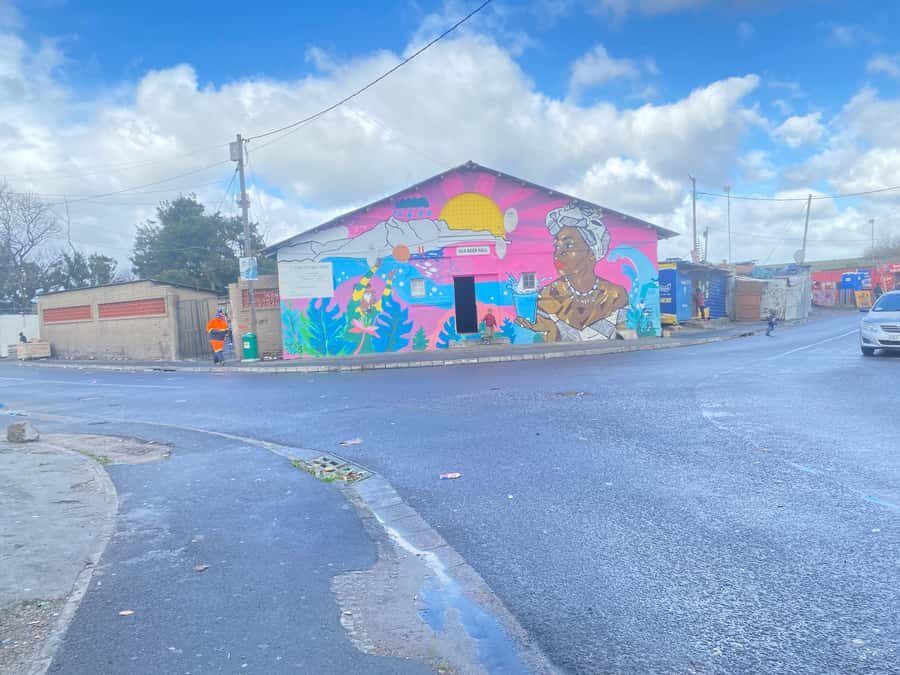
- Street art with explanations about struggle, hope, and community identity
- A visit inside the neighborhood that can include one local home and community projects
- A food moment at the Langa market (bunny chow, braai, koeksisters, or similar)
- Bring small cash for tipping or donations; souvenirs and crafts aren’t included
Why Langa walking beats a quick drive-by
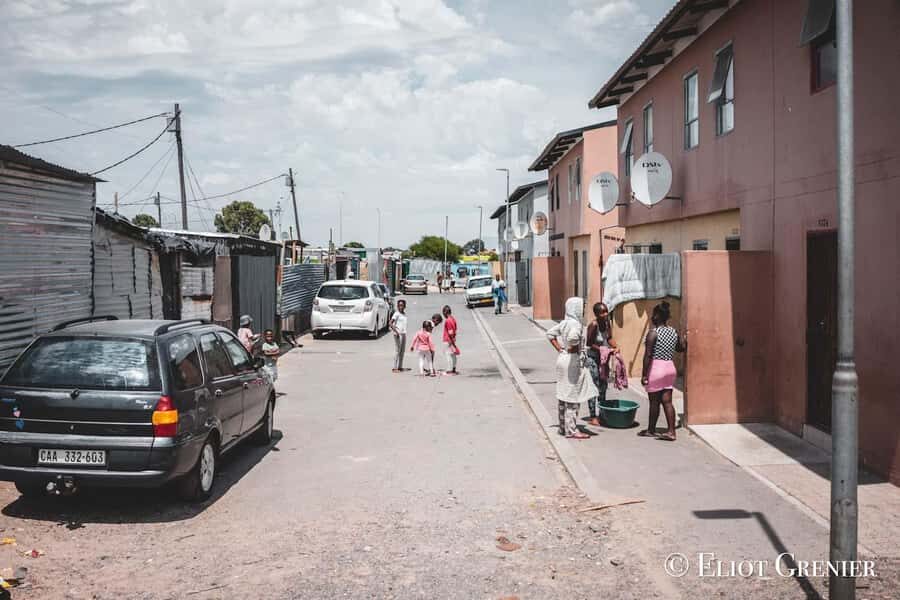
Langa is one of South Africa’s older townships, set up in the 1920s just outside Cape Town. Your guide will give you the origin story behind the name too—Langa means sun in Xhosa. That matters, because it sets up the theme of the day: place, identity, and survival under pressure.
Walking is the right format here. On foot, you can actually see the “in between” parts—front steps, workshop spaces, community notices, and the way people use art to communicate. You’re not just collecting facts; you’re learning how daily life works when the city grid doesn’t always reach you evenly.
Just be ready for contrast. The tour is built around real community challenges and real community problem-solving. Some moments may feel heavy. That’s part of understanding Cape Town in full, not just the postcard side.
You can also read our reviews of more walking tours in Cape Town
Guga S’thebe and the first cultural hit of the day
Most tours start at Guga S’thebe Arts & Cultural Centre, near 42 King Langalibalele Dr. This is a smart place to begin because it frames Langa through culture, not through tragedy. You’ll get oriented, then you may step into a visitor-center setup that includes an arts-and-crafts market moment.
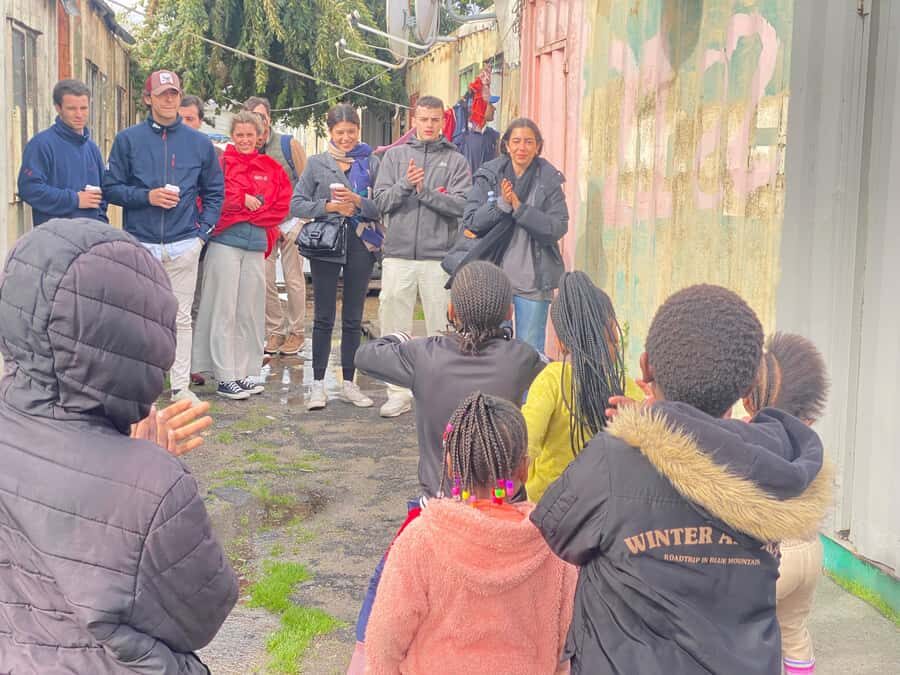
A short traditional dance show (about 15 minutes) is also part of the flow. Even if you only watch, you’ll learn why music and movement are more than entertainment here—often they’re a social language, a way to gather, and a way to pass knowledge along.
You’ll also have a set photo stop (around 10 minutes). Take it, but don’t let photos replace conversations. The best parts of the tour usually come when you ask the next question instead of just snapping the next image.
Langa Heritage Museum: what history looks like on real walls

The Langa Heritage Museum is one of the tour’s anchor stops. Expect exhibits that connect township life to larger South African history—how spaces were shaped, who lived there, and how communities pushed back over time.
What I like about a museum stop in the middle of a walking tour is that it becomes a “tool.” After you learn the background—especially around apartheid-era establishment and the socio-economic challenges—everything outside starts to make more sense. A street mural stops being decoration and becomes commentary.
Also, you typically avoid ticket-line delays. That helps keep the day moving and means less time stuck before you even start seeing the neighborhood.
Art stops, murals, and what people want you to notice
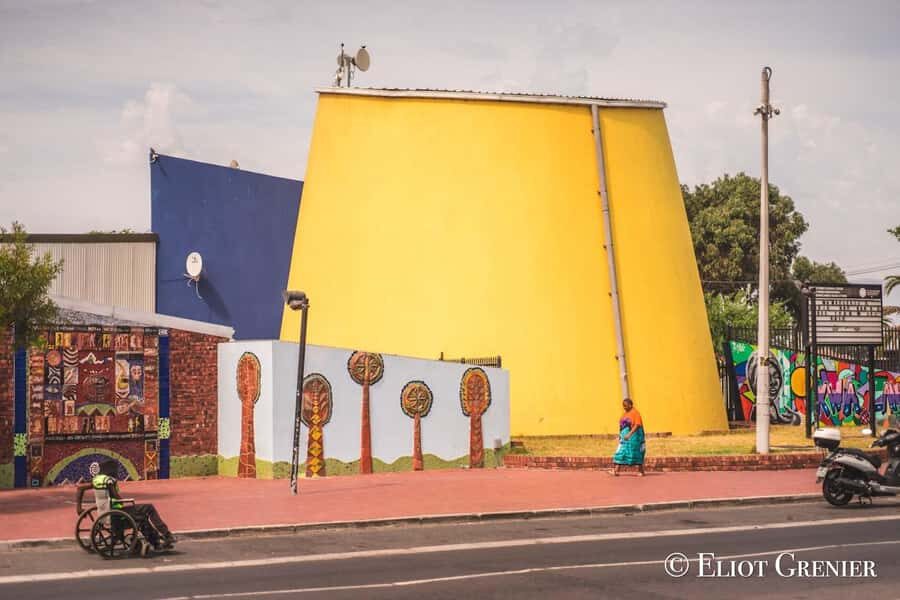
After the museum, you’ll spend time in arts spaces that give Langa a voice. Guga S’thebe is one piece of that, and the day also includes a visit to an art gallery connected to the community.
Then comes the street level part: murals and street art. Your guide will point out what the artwork is reacting to—struggles, hopes, and aspirations. In other places, murals are treated like background. Here, they’re often treated like a public journal.
If you get an extra cultural moment like drumming lessons, that can be a highlight. Some tours start with music as an entry point, and it helps you relax into the day instead of rushing through it like an assignment.
Community projects and social enterprises you can actually name

A big reason people fall in love with this tour is that it focuses on what locals are building, not just what they lost. You’ll meet people and hear stories from residents and community leaders, and you’ll get examples of initiatives aimed at development and empowerment.
You’ll also learn about the idea of local cooperatives and youth-support programs. This isn’t theoretical. It’s the practical work of getting kids supported, keeping skills growing, and keeping the community functioning day to day.
You might hear about specific enterprises and landmarks too, depending on the route and timing. Names that came up in the guide stories include Cloudy Deliveries, plus formal sites like a dompas office and courtroom, and even contrasts like container homes versus areas nicknamed Beverly Hills. Whether you walk past all of those or not, you’ll get the pattern: change is happening in small steps, and your guide can explain what the steps are and why they matter.






Visiting one local home: respect matters more than your questions
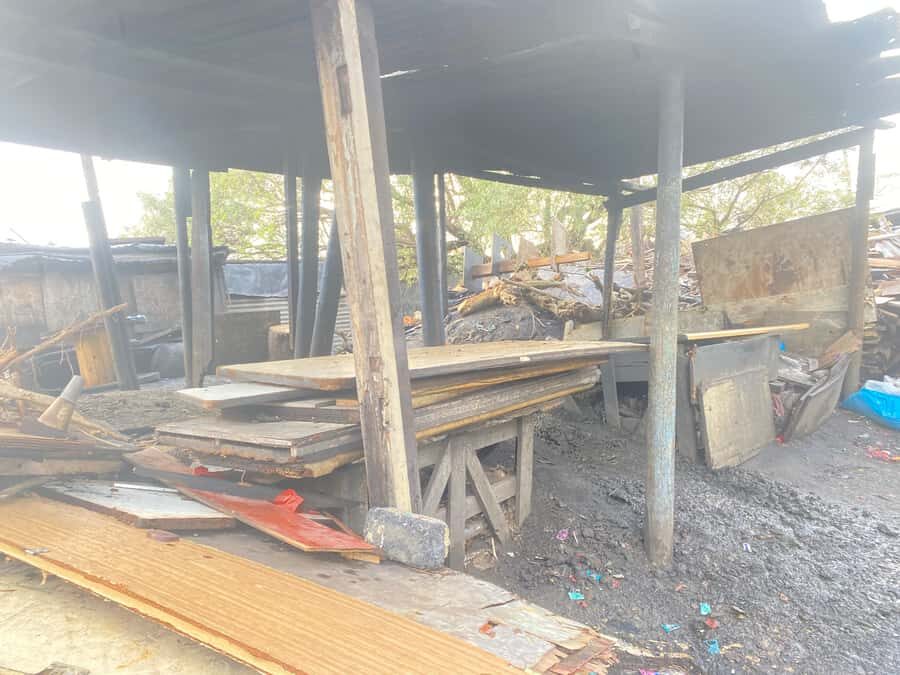
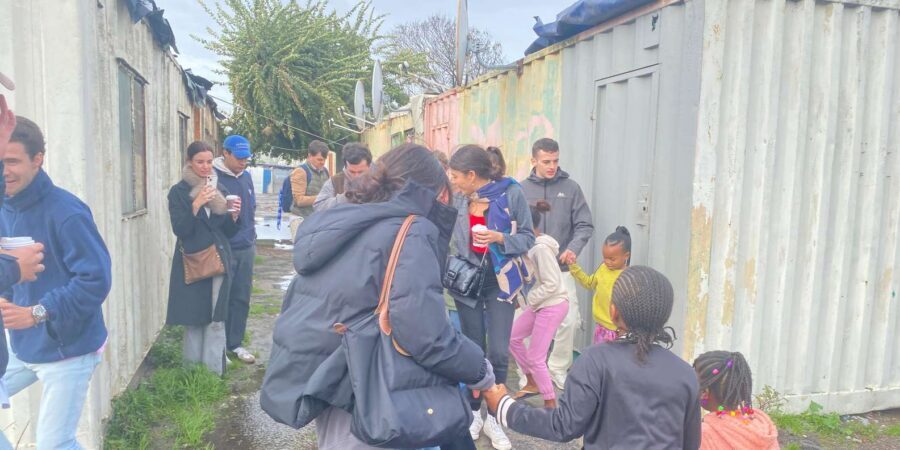
One of the included parts is a visit to a local home. That’s not a casual “see how they live” stop. It’s a relationship moment, and it needs you to act like a guest.
Keep your camera ready, but ask first when appropriate. Pay attention to what the guide says about photos and attention. Some guides have clear rules for child-focused areas, and following those rules quickly makes the experience smoother for everyone.
If you were thinking about bringing gifts for kids, here’s the practical advice I’d give you based on what guides actually prefer: bring small sweets or toys if your guide says it’s okay, but skip bringing items like books or pencils. One guide explicitly noted that those can cause problems because kids may fight over them. Donations to the community’s support systems (including nursery-type support) are often a better way to help without creating awkward chaos.
The Langa market stop and food you’ll remember
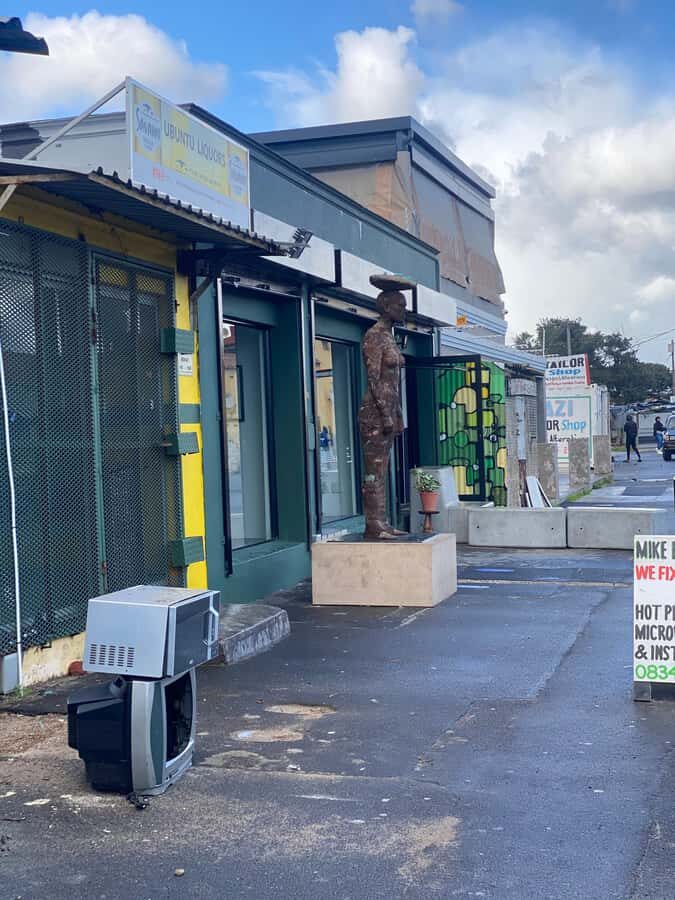
Your tour experience includes a local cuisine stop, typically at or connected to the Langa market area. This is where you learn that food is social infrastructure.
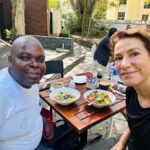
You may get options like bunny chow, braai-style dishes, or koeksisters. In some tour narratives, people also mention things like fried liver sandwiches and local coffee. Either way, it’s a chance to slow down and talk without the constant “onward” pressure.
One value tip: set aside a little extra cash. The tour price covers the guided experience and key cultural stops, but art and crafts purchases aren’t included. Also, small purchases and tips are a normal part of supporting people directly.
Traditional Xhosa dance and music: what to watch for
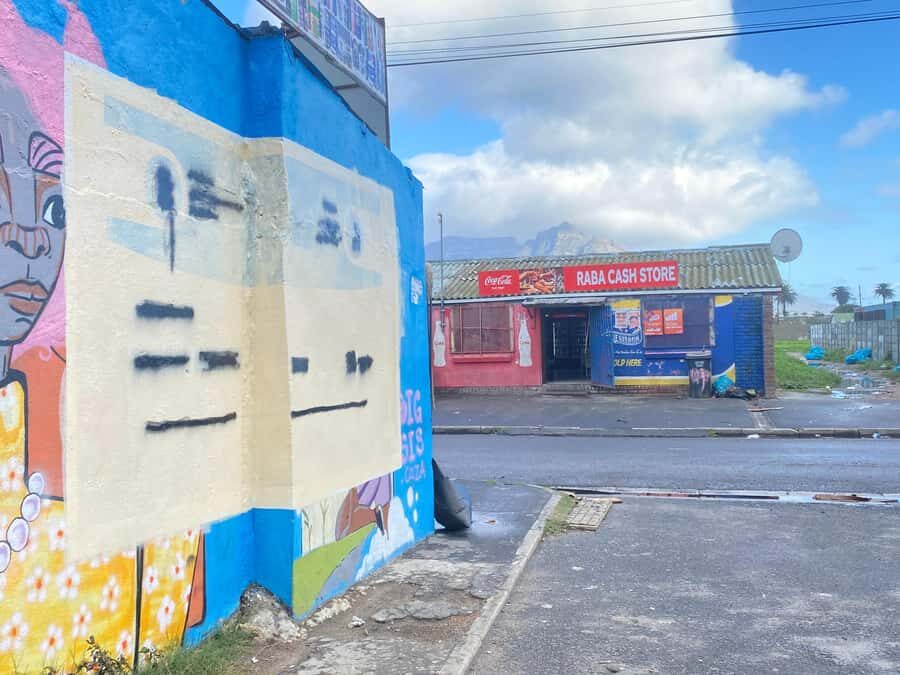
The traditional dance show in the visitor-center stage is short, but it sets expectations for the rest of the day. If your guide offers a chance to join in or participate, follow their lead—don’t assume you’re expected to perform.
Watch for details: the way people move together, the rhythm cues, and the way the guide explains what you’re seeing. The point isn’t to become an expert in Xhosa performance in 150 minutes. The point is to understand that cultural expression is one of the community tools for identity and continuity.
Social impact you’ll feel in the discussions at the end
By the end, your guide should wrap with reflection and discussion. You’ll be encouraged to ask questions and talk through what you just saw—history, social enterprise work, youth support, and the future of Langa and similar communities.
This wrap-up is where the tour becomes more than a list of stops. If you’re the type who likes to process as you go, this is your moment to ask follow-ups like:
- What changes are happening right now?
- What support would matter most?
- What misunderstandings do outsiders bring?
A strong guide will steer you away from simple “good vs bad” thinking and toward how communities actually navigate constraints and build options.
Price and value: is $37 actually fair?
At $37 per person for about 150 minutes (around 2.5 hours), this tour is priced low compared with many experiences in Cape Town. The real value isn’t just the duration. It’s that the tour is operated by local guides from Langa, and the community benefits directly.
You’re also paying for access and context: museum time, arts-centre stops, a gallery visit, a visit to one local home, and guided explanations in English. Plus, the tour includes a cultural dance show and typically a food moment.
What you should treat as extra costs:
- food and drinks beyond what’s included in the day’s flow (if you order more)
- art and craft purchases (explicitly not included)
- tips for the guide (strongly encouraged)
If you want the best value, go in with a mindset of respect and support—ask questions, buy a snack if offered, and bring small cash for tipping or donations.
Safety, comfort, and how to make the day go smoothly
Many people emphasize feeling safe with these kinds of local-led township walks, especially when the guide is known and connected within the community. Still, you should take basic common-sense steps:
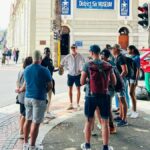
- stay with the group
- follow the guide’s timing and routes
- keep your phone secure and don’t wander for extra photos
Comfort-wise, wear comfortable shoes and clothes for walking. This isn’t a sit-down city tour with long gaps between exits. You’ll be moving for most of the 150 minutes.
One more practical note: wheelchair information is mixed. The activity is listed as wheelchair accessible, but it also says it’s not suitable for wheelchair users. If you need mobility support, ask the provider directly before booking.
Who should book, and who might want a different plan
Book this tour if you want more than a postcard version of South Africa. It’s ideal for people who like context—history paired with what life looks like now. It also works well for teens and older kids (some families have done it with children around 12–15), as long as they can handle real-world topics and walking.
You might skip it if you:
- need low-walking, low-emotion sightseeing
- have mobility limits that make walking difficult
- prefer a purely museum-style experience without neighborhood stops
And if you’re sensitive about visiting childcare-related spaces, go slow and follow your guide’s rules. One constructive piece of guidance you may hear from the community is to be careful about outsider access to vulnerable children. The right approach is not to push boundaries.
Should you book the Cape Town Langa Township Walking Tour?
If you’re trying to understand Cape Town beyond the obvious, I think this is one of the strongest choices for your time. For $37, you get local-led storytelling, key cultural stops (including the Heritage Museum and arts spaces), a neighborhood walk with real community context, and a food moment that makes it human.
I’d only hesitate if walking is a problem for you, or if you need a fully comfortable day with zero hard history. Otherwise, come with good shoes, an open mind, and a willingness to learn from the people who live there.
FAQ
What does the Langa Township walking tour cost and how long is it?
It costs $37 per person and lasts about 150 minutes, roughly 2 to 2.5 hours depending on the pace and stops.
Where do I meet for the tour?
You meet at Guga S’thebe Arts & Cultural Centre, near 42 King Langalibalele Dr.
What language is the tour in?
The tour is conducted in English.
What’s included in the tour price?
The tour includes a qualified tour guide, a visit to one local home, and visits that include the Langa art gallery and Langa Heritage Museum-related stops as part of the walking experience.
Is there a food stop?
Yes, the experience includes a stop where you can sample traditional South African dishes such as bunny chow, braai, or koeksisters.
Do I need tickets in advance?
The tour description says it helps you skip the ticket line, so you generally won’t lose time waiting.
Should I bring money for purchases or tipping?
Tips are encouraged, and art and crafts are not included. Bringing small change is a smart move for tipping and optional purchases or donations at stops.
Is the tour suitable for wheelchair users?
The information provided is mixed: it lists wheelchair accessibility, but it also states it is not suitable for wheelchair users. Confirm with the provider before booking.
What’s the cancellation policy?
You can cancel up to 24 hours in advance for a full refund.
Is it good for kids?
It’s generally described as a walking cultural experience with traditional dance and community stops, but it’s best to follow your guide’s guidance for any child-related situations, including what’s appropriate to bring or photograph.