REVIEW · JOHANNESBURG
Pretoria, Soweto and Apartheid Museum Guided Day Tour from Johannesburg
Book on Viator →Operated by Africa Moja Tours & Safaris · Bookable on Viator
History hits hard in three cities. This guided day tour stitches together Soweto and Pretoria with stops that explain how apartheid worked, from the Apartheid Museum to the political landmarks still shaping daily life.
I love that the commentary is built for understanding, not just photo stops, so the places connect into one story. I also like that the logistics feel handled—door-to-door pickup, included meals/snacks, and set time blocks that keep the day moving.
The main drawback to keep in mind is simple: it’s a long day (about 10 hours) with a tight itinerary, so if you want to linger for hours at one museum, you’ll need patience for the schedule. With guides like Nosipho, Nick, and Michael, that pace usually feels easier—still, the clock is real.
In This Review
- Key things to know before you go
- A long, packed day from Johannesburg that still feels manageable
- The Apartheid Museum: where the story locks into place
- Hector Pieterson Memorial: student courage you can’t ignore
- Voortrekker Monument and Paul Kruger House: earlier power before later apartheid
- Voortrekker Monument (free admission, about 2 hours)
- Paul Kruger Country House Museum (about 2 hours)
- Mandela House and Union Buildings: quick but memorable ending
- Transportation and group size: the practical side that affects your experience
- Lunch, water, and how to stay comfortable on a 10-hour route
- Admission and what you’re actually paying for
- The best fit: who this tour suits best
- Should you book this Pretoria, Soweto and Apartheid Museum day tour?
- FAQ
- How long is the Pretoria, Soweto and Apartheid Museum tour?
- What time does the tour start?
- Are tickets for museum stops included?
- Is lunch included?
- Does the tour include hotel pickup and drop-off?
- What is the maximum group size?
- What happens if I need to cancel or if the weather is bad?
Key things to know before you go
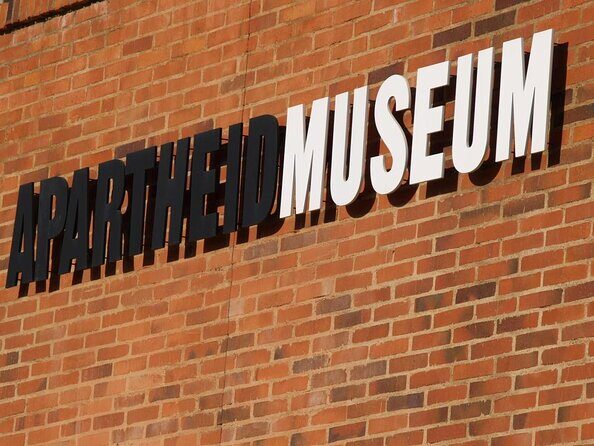
- Apartment Museum time is built in: about 2 hours at a major, emotionally heavy museum with included admission.
- Soweto resistance is front-and-center: plan on another 2 hours at the Hector Pieterson Memorial and Museum.
- You’ll cover more than apartheid: the day also includes the Voortrekker Monument and Paul Kruger House Museum, tying earlier power to later policy.
- Short but scenic photo moments: you’ll only spend about 20 minutes at the Union Buildings.
- Lunch and comfort matter: lunch is included, but the day’s pace can be tough if you have food sensitivities.
- Expect a guided interpretation: your guide’s explanations can make or break the day, and the better guides (like Nosipho, Nick, Michael) really deliver.
A long, packed day from Johannesburg that still feels manageable

This tour is built for one big goal: seeing key apartheid-era sites across Pretoria and Soweto in a single day. Start time is 8:00 am, and the whole experience is about 10 hours. There’s a group limit of up to 50 people, so it’s not a tiny private day, but it also isn’t a mass bus tour.
What makes it work is that you don’t have to “figure out” transportation between cities and museums. Hotel pickup and drop-off are included, and that matters in Johannesburg where getting around efficiently can turn into a half-day project if you DIY it.
The pacing is brisk by necessity. You’ll spend around two hours at the big museum stops, then move on. The last parts of the day—like the Union Buildings—are quick photo-and-view breaks, not long visits. If you love museum time, the schedule can feel just right. If you love wandering, you may feel a bit rushed.
You can also read our reviews of more guided tours in Johannesburg


The Apartheid Museum: where the story locks into place
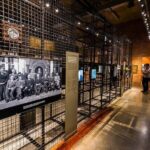
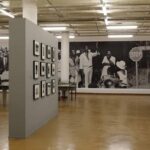
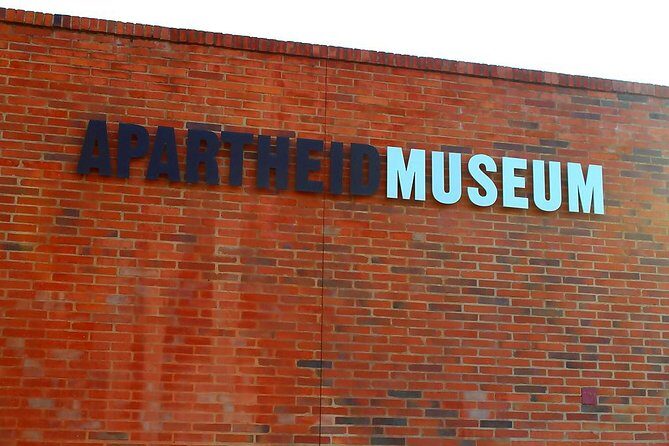
Your first major stop is the Apartheid Museum, with about 2 hours on site and admission included. It opened in 2001 and is widely recognized for focusing on 20th-century South Africa through the apartheid story.
Here’s what I think you should expect: this museum doesn’t treat apartheid like a distant textbook topic. It’s structured to help you understand how segregation became law, how it was enforced, and how ordinary people were affected. That’s why the guide’s role is so important here. A strong guide can help you keep your footing as the exhibits get heavy—without turning the experience into a cold lecture.
Practical tip: build in your own pacing. Give yourself a moment to breathe between sections, even if the group keeps moving. If you’re the type who needs processing time, try to slow down during parts that emotionally hit hardest. Two hours is enough to get the main meaning, but not enough to absorb every detail forever.
Also keep an eye on audio. One review mentioned a broken microphone issue on the bus, which is a reminder that you may want your own backup. If you’re sensitive to sound quality or need clarity, bring a small personal listening option (or at least be prepared to rely on your own reading during museum time).
Hector Pieterson Memorial: student courage you can’t ignore
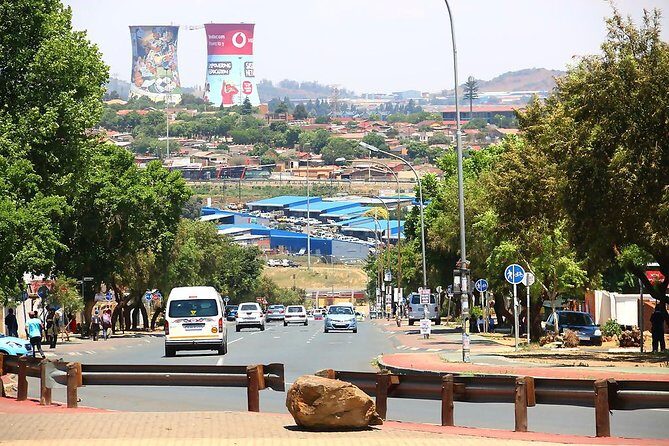
Next you head to Soweto for the Hector Pieterson Memorial and Museum, again with about 2 hours and admission included. Located in Orlando West, this stop focuses on the role of students in the struggle against apartheid.
This is a powerful contrast to the museum format: instead of only explaining systems, it highlights people—especially students—who became visible and organized. You’ll likely walk away with a clearer sense of how youth action translated into real political pressure.
Two hours here is a good window. Long enough to read and watch what you’re shown, and long enough for your brain to switch from “how apartheid was built” into “how people fought it.” If you’re someone who likes your history grounded in specific stories, this is one of the best parts of the day.
Voortrekker Monument and Paul Kruger House: earlier power before later apartheid
After Soweto, the itinerary shifts back north toward Pretoria. There are two stops here that matter because they reach earlier than apartheid itself.
Voortrekker Monument (free admission, about 2 hours)
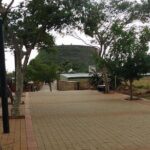
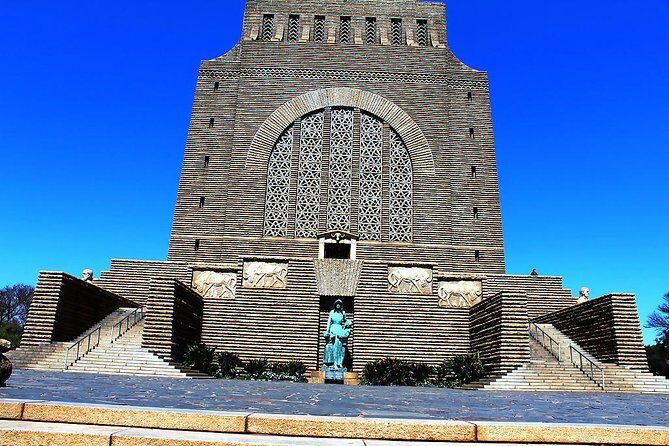
The Voortrekker Monument is located just south of Pretoria. It’s a massive granite structure on a hilltop, built to commemorate the Voortrekkers who left the Cape Colony between 1835 and 1854.
Why include this? Even though it’s not a “apartheid museum” stop, it helps explain the longer narrative of South African settlement, political identity, and power structures that later policies would build on. It’s also a breather stop compared to Soweto’s emotionally intense sites—still serious, but different in tone.
Admission is free, which is nice for value and reduces one more decision on your end. The time is about 2 hours, so you’ll have enough time to see the main areas without feeling like a drive-by.
You can also read our reviews of more museum experiences in Johannesburg
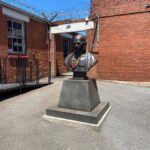

Paul Kruger Country House Museum (about 2 hours)
Then comes the Paul Kruger Country House Museum, included with admission. Kruger was president and lived in this house between 1883 and 1901 before going into exile in Europe.
This is a compact but meaningful stop if you want the political timeline connected. One review detail mentions the setting near Church Square, where a bronze statue of Paul Kruger faces the Palace of Justice. Even if you spend time mostly inside, the location helps you picture Pretoria as a seat of power rather than just an office-city.
Two hours is a real chunk of time here, so it works best if you like historical interpretation (not just architecture). If you’re history-tired, focus on the key eras the guide highlights and save your questions for the next stop.
Mandela House and Union Buildings: quick but memorable ending
The Soweto portion isn’t over yet. You’ll also visit Mandela House, with about 45 minutes and admission included. This is one of the best attractions while in Soweto, and the time on this stop is shorter by design.
Use the shorter window well. You don’t want to spend 40 minutes wandering without capturing the big takeaway. Try to aim for meaning over trivia: what this site represents, why it matters in the national story, and what it shows about Mandela’s life and influence.
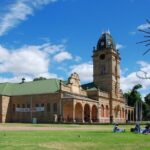
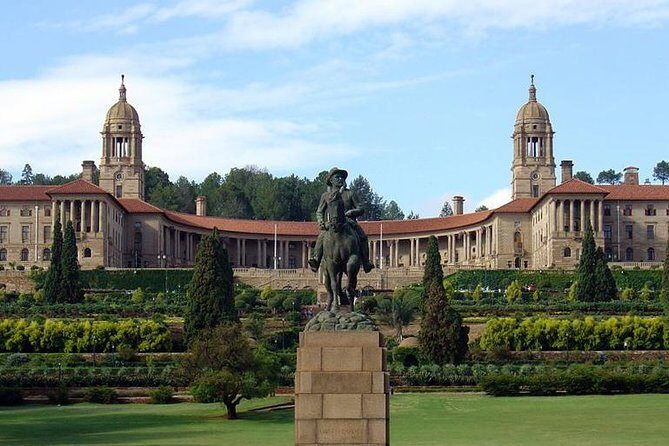
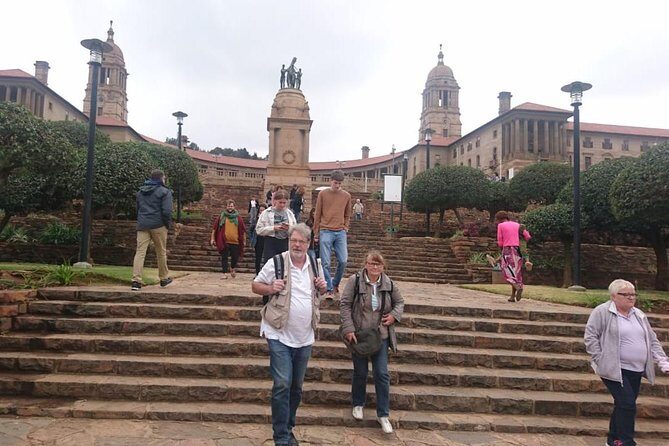
Then, near the end of the tour, you’ll visit the Union Buildings for about 20 minutes with admission included. This is where the president’s office is located, and it’s a national monument tied to the first democratic elections in 1994.
This is more of a photo-and-position stop. You’ll get quick views of Pretoria in the background, and it’s a fitting wrap-up: the day moves from oppression and resistance toward government and democracy.
Transportation and group size: the practical side that affects your experience
This tour is set up for easy logistics. Hotel pickup and drop-off are included, and bottled water plus snacks are part of the package. A mobile ticket is used too, which typically reduces stress at entry points.
Group size matters because it shapes how much personal space you’ll get. With up to 50 travelers, you’ll be sharing quiet moments and museum corridors with others. That’s normal. What you can do is plan your mindset: this isn’t a private, slow “one on one with your guide” day. It’s a guided route built for coverage and clarity.
The guide experience seems to be a major factor in satisfaction. Multiple reviews specifically praised guides like Nosipho and Nick for being informative, professional, and good at making people feel safe. If your guide is strong, you’ll understand the connections between stops instead of experiencing them as separate locations.
If the guide’s audio equipment is off (as mentioned in one review), you might have a harder time hearing on the bus. That’s not something you can control. The best you can do is stay flexible, rely on museum reading, and keep your questions ready for moments when you can hear clearly.
Lunch, water, and how to stay comfortable on a 10-hour route
The tour includes lunch plus bottled water and snacks. That’s a big deal on a day that lasts about 10 hours. It reduces the chance you’ll hit hunger at the wrong moment—especially when you’re moving between neighborhoods and cities.
That said, food sensitivity can be a real issue on tours. One review flagged that lunch was difficult to opt out of for someone with food sensitivities. I’d treat that as your cue to plan ahead: if you have dietary needs, be ready to communicate them in advance to the operator so you’re not stuck at the lunch stop with limited options.
Comfort tip that’s not “cute,” just useful: wear shoes you can stand in. Museums and memorials often involve a lot of time on your feet. Also pack a small layer. Morning starts can feel fine, but buses and indoor spaces can swing.
Admission and what you’re actually paying for
The price is listed at $208.67 per person, and the tour runs about 10 hours. On top of transport and guiding, most major admissions are included: Apartheid Museum, Hector Pieterson Memorial and Museum, Paul Kruger House Museum, Mandela House, and the Union Buildings. The Voortrekker Monument is free.
So part of the value here is that you’re not layering multiple ticket costs on your own. You’re paying for a routed day: your guide, your driver, museum time allocations, and included basics like snacks and lunch.
Is it worth it? I think it is when you want:
- A single-day plan that covers major apartheid-related sites in Soweto and key Pretoria landmarks.
- A guide to help you connect the political dots, rather than treating each stop like a standalone attraction.
- Door-to-door pickup so you’re not burning energy figuring out logistics.
It may not be worth it if you prefer freeform travel, or if you’re someone who needs deep time at just one museum. This itinerary is designed for seeing the highlights—not for slow immersion at one location.
The best fit: who this tour suits best
This is a strong choice if you:
- Want a structured explanation of apartheid-era South Africa, with guided context throughout.
- Like having a mix of places: student resistance, national political sites, and earlier historical landmarks that set background context.
- Appreciate safety and professionalism. Reviews repeatedly mention guides treating people well and creating a reassuring feeling.
It’s also a good option if you’re short on time in Johannesburg. A full day with pickup and drop-off is often less stressful than arranging separate taxis and entry tickets across multiple neighborhoods.
Where it might feel wrong is if you:
- Need total control over pacing and time at each stop.
- Have strict dietary restrictions and don’t want the lunch situation on a tour.
- Get easily overwhelmed by emotional museum content and need longer breaks than the schedule allows.
Should you book this Pretoria, Soweto and Apartheid Museum day tour?
If your goal is to see the big, essential sites in Soweto and Pretoria with a guide who can make the connections, I’d book it. The Apartheid Museum and the Soweto stop at the Hector Pieterson Memorial are the spine of the day, and the rest of the itinerary supports the story instead of distracting from it.
Just go in with realistic expectations: it’s a long route, and some stops are intentionally short. If you’re sensitive to audio issues on vehicles or need flexibility with lunch, plan ahead and ask questions before you arrive. If you do, you’ll get a day that feels like more than sightseeing—it feels like guided understanding.
FAQ
How long is the Pretoria, Soweto and Apartheid Museum tour?
The tour lasts about 10 hours.
What time does the tour start?
The start time is 8:00 am.
Are tickets for museum stops included?
Yes. Admission tickets are included for the Apartheid Museum, Hector Pieterson Museum and Memorial, Paul Kruger Country House Museum, Mandela House, and Union Buildings. The Voortrekker Monument has free admission.
Is lunch included?
Lunch is listed among the tour highlights, along with bottled water and snacks.
Does the tour include hotel pickup and drop-off?
Yes. Hotel pickup and drop-off are included.
What is the maximum group size?
This tour has a maximum of 50 travelers.
What happens if I need to cancel or if the weather is bad?
Cancellation is free up to 24 hours before the experience’s start time for a full refund. The tour requires good weather; if it’s canceled due to poor weather, you’ll be offered a different date or a full refund.