REVIEW · JOHANNESBURG
Soweto /Johannesburg and Apartheid Museum Guided Full Day Tour
Book on Viator →Operated by Solly · Bookable on Viator
Soweto history fits into one full day. This guided run strings together big Johannesburg views at Top of Africa, major human-rights stops at Constitution Hill and the Apartheid Museum, then sends you into Soweto for the Mandela story and the 1976 uprising sites.
I like two things right away: the small group setup (max 15) and the comfort of hotel pickup plus an air-conditioned minivan. You’re not just hopping between landmarks. You get a local guide who can steer the day and share real context as you drive.
One key thing to plan around: the Apartheid Museum is open Wednesday to Sunday. If your visit falls on Monday or Tuesday, expect it to be closed and the day may change around that.
In This Review
- Quick hits: what makes this Jozi and Soweto day work
- First impressions: Jozi and Soweto in one tight, meaningful sweep
- Getting picked up and moving in comfort (and why group size matters)
- Top of Africa viewpoints: a start that helps you read the city
- Hector Pieterson Memorial: the 1976 turning point you can’t unsee
- Johannesburg CBD and Mahatma Gandhi Square: where the city shows layered identity
- Vilakazi Street walking tour: a Nobel Street with real street energy
- Orlando Towers: Soweto views plus the optional adrenaline add-on
- Mandela House: a personal anchor inside the larger political story
- Constitution Hill Human Rights Precinct: from prison walls to rights
- Sakhumzi Restaurant lunch stop: buffet, Soweto beer, and a choose-your-spend moment
- Apartheid Museum: the system laid out, then the story of its collapse
- FNB Stadium stop: brief, but useful for the 2010 thread
- Guides and pacing: why the day feels better than a rushed checklist
- What to bring, how to dress, and how to mentally pace yourself
- Value check: is $103.52 a smart deal for a full-day Jozi and Soweto run?
- Who should book this tour (and who might want a different plan)
- Should you book it?
- FAQ
- How long is the tour, and what time does it start?
- Is hotel pickup included?
- What stops have admission tickets included?
- Is lunch included in the price?
- Is bungee jumping at Orlando Towers included?
- What days is the Apartheid Museum open?
Quick hits: what makes this Jozi and Soweto day work
- Top of Africa viewpoints to get your bearings before the history
- Small-group max of 15 for better pace and easier questions
- Human-rights focus at Constitution Hill paired with the country’s broader story
- Soweto walking moments on Vilakazi Street for a personal feel
- Mandela House and Hector Pieterson Memorial as direct, emotionally heavy anchors
- Lunch is a real option, not an inclusion via Sakhumzi Restaurant
First impressions: Jozi and Soweto in one tight, meaningful sweep

Johannesburg can feel like a city you need a map and a storyline. This tour helps you build both fast. You start with perspective from above, then move into the places where South Africa’s political struggle turned into lived reality.
What I like is the order. You don’t jump straight into the hardest scenes with zero context. You get city orientation first, then history lands with more weight because you understand where each neighborhood fits.
Expect a full day: around 8 to 9 hours, starting at 9:30 am. That length matters in Johannesburg. Distances add up, and this format keeps you moving without turning the day into a blur.
You can also read our reviews of more guided tours in Johannesburg


Getting picked up and moving in comfort (and why group size matters)

This is set up for real convenience. You’ll get hotel pickup and drop-off, plus round-trip transport by an air-conditioned minivan. That’s a big deal in Johannesburg heat and traffic, especially when your day includes multiple timed entry sites.
The max 15 travelers group size also changes the feel. You’ll have space to ask questions without shouting over a busload of strangers. In feedback, the guide names that show up most often include Nathi, Bo Bo (also written BoBo), and Matti—and that matters because guide style is half the experience on a history-heavy day.
Top of Africa viewpoints: a start that helps you read the city
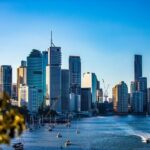
The tour includes views from Top of Africa. Even if you’ve seen Johannesburg photos before, looking down from above helps you understand how spread out everything is.
This viewpoint acts like a mental warm-up. Later, when you’re at Constitution Hill or driving into Soweto, you’ll have a better sense of what you’re looking at. It’s also a nice break before the day turns intense.
Hector Pieterson Memorial: the 1976 turning point you can’t unsee
The morning anchor is the Hector Pieterson Memorial, focused on what happened during the Soweto Uprising in 1976. Time on site is about 30 minutes, with the admission ticket included.
Plan for emotional heaviness. This isn’t a “quick look and move on” stop. It’s built to help you grasp why 1976 still matters. If you prefer your history with clear cause-and-effect, you’ll likely appreciate how the guide frames it.
A practical tip: give yourself a few moments before you move on. The site can hit hard, and a short pause helps you absorb more than you’d expect from a 30-minute visit.
Johannesburg CBD and Mahatma Gandhi Square: where the city shows layered identity
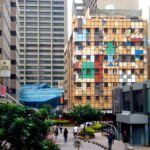
After the memorial, the day moves into the city’s central area, including sightseeing in the Central Business District and a visit to Mahatma Gandhi Square. This is about 1 timed block of city sightseeing, and it helps you switch gears from memorial space to everyday Johannesburg space.
Why it matters: Johannesburg isn’t only a story of struggle. It’s also a living, shifting city where different influences sit next to each other. Gandhi Square is a small but meaningful stop to help connect political history to the broader idea of public life.
If you like photos, this is the part where you’ll probably enjoy walking and framing street-level scenes. It’s also a moment to ask your guide what’s changed since the apartheid era, and what hasn’t.
You can also read our reviews of more museum experiences in Johannesburg

Vilakazi Street walking tour: a Nobel Street with real street energy
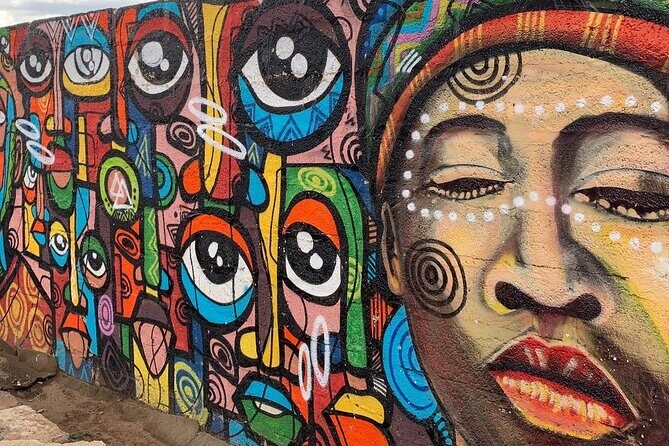
Next comes Vilakazi Street, with a short walking tour. This is roughly 15 minutes, and entry is included.
This is one of those stops that feels simple but lands with meaning. Vilakazi Street is famous because world leaders lived there, and the walking format keeps it human-scale. You’re not just seeing a plaque; you’re seeing a neighborhood street.
The upside of this short walk: you get the idea without being rushed. The tradeoff: if you want deeper exploration, you’ll likely want to add time later on your own.
Orlando Towers: Soweto views plus the optional adrenaline add-on

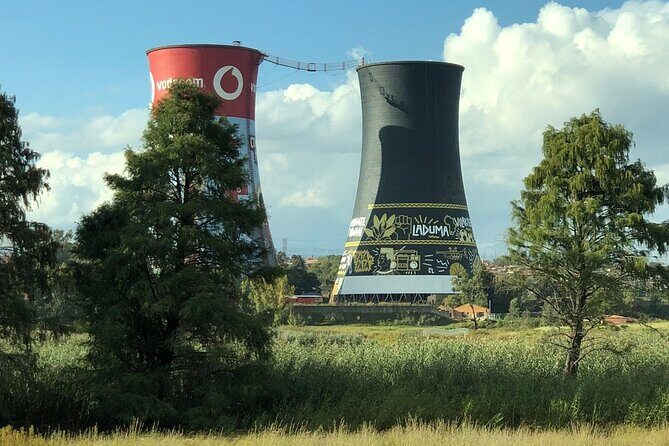
Then you reach Orlando Towers, where you’ll spend about 25 minutes. Admission here is free.
You get two choices built into the stop: view the area, or take on the bungee jumping experience if you want the adrenaline. The key detail is that bungee jumping cost is not included in the tour price, so treat it as an add-on.
This stop is a good reset. After memorial and political sites, it gives you sky and a wider sense of the neighborhood. If you’re afraid of heights, you can still enjoy the views without signing up for the jump.
Mandela House: a personal anchor inside the larger political story
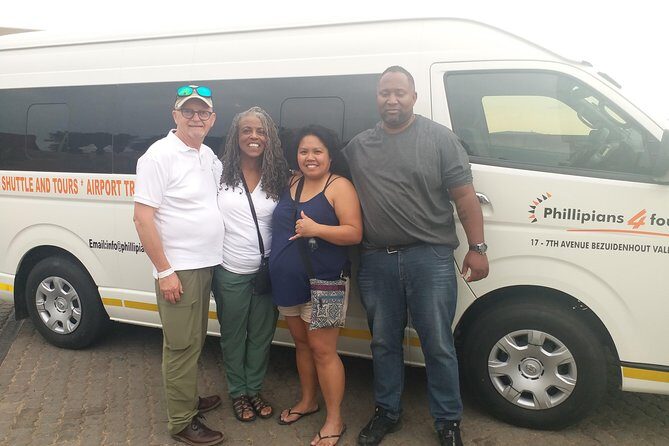
The tour includes Mandela House, with about 30 minutes on site and admission included. This is one of the most important “story” stops of the day.
What I like about Mandela House on a guided day is that it turns big political language into something more personal. Even if you already know the basics, seeing where the story is grounded helps it click.
Don’t try to race through. Give it your full time. The stop isn’t long, but you’ll get more out of it if you let the guide explain what you’re looking at rather than snapping photos nonstop.
Constitution Hill Human Rights Precinct: from prison walls to rights
Now you’re in Constitution Hill Human Rights Precinct, with about 1 hour and admission included. This stop is set up to cover South Africa’s constitutional human rights work, plus an experience connected to the first prison where leaders were held for many years, including Nelson Mandela and Albertina Zisulu and Winni Mandela.
This is one of the most powerful stretches of the day because it shows transformation. You’re not only learning about the past; you’re seeing how a legal and moral framework was built afterward.
A small reality check: prisons can be mentally heavy. If you’re sensitive, pace yourself. Take breaks in the gaps between explanations.
Sakhumzi Restaurant lunch stop: buffet, Soweto beer, and a choose-your-spend moment
Lunch is handled at Sakhumzi Restaurant. This stop takes about 1 hour, but lunch is not included in the tour cost.
You’ll have the chance to taste South African dishes in a buffet-style meal, and there’s also an option to try Soweto Gold beer. The choice point here is yours: eat with the group at the included stop timeframe, or manage your budget and appetite based on what you order.
A balanced take: some people say the food was amazing and others found the buffet not as strong as they expected. Translation: it’s a convenient lunch stop, not fine-dining. If you care a lot about lunch quality, have a plan and be ready to keep expectations realistic.
Apartheid Museum: the system laid out, then the story of its collapse
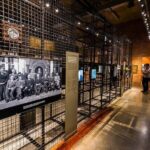
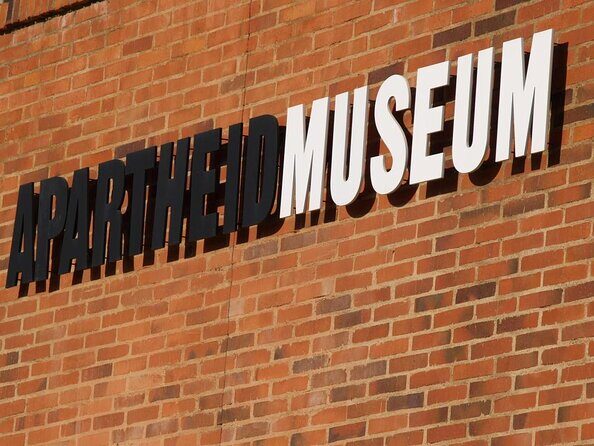
The highlight many people come for is the Apartheid Museum, with about 2 hours and admission included. The museum shows the rise and fall of apartheid.
This is confronting history. You should go in with patience, not to “get it done.” Two hours is a reasonable window, but you’ll want the guide’s framing—especially when you’re connecting what you saw earlier (Hector Pieterson, Mandela House, Constitution Hill) to the bigger national story.
One big planning note: the museum opens Wednesday to Sunday. If your day lands Monday or Tuesday, it can be closed, and the stop may be swapped for an alternative experience. Build your schedule around that if the museum is your top priority.
FNB Stadium stop: brief, but useful for the 2010 thread
The final sights include a quick stop at FNB Stadium, described as Africa’s largest football stadium and a main stadium for the FIFA World Cup 2010. Time here is about 15 minutes, and admission isn’t included.
This isn’t the same weight as Constitution Hill or the Apartheid Museum. Instead, it gives you a modern anchor, a reminder that Johannesburg is also about sports, national pride, and global attention.
If you like sports facts, you’ll enjoy it as a quick capstone. If you’re history-only, keep in mind it’s short.
Guides and pacing: why the day feels better than a rushed checklist
This tour stands or falls on the guide. In the feedback, Nathi, Bo Bo, and Matti come up again and again, with lots of praise for how they explain connections between Gandhi, Mandela, freedom, democracy, and the street-level reality of apartheid-era Johannesburg.
Pacing is also a real factor. The day moves fast, but the structure gives you enough time at each stop to feel like you’re not just collecting stamps. The small group format helps the guide slow down when questions come up.
Also worth noting: on some departures, the group can be very small, which can make the day feel more tailored. Even without that, expect the guide to recommend what to see and do beyond the tour so you don’t waste the rest of your trip.
What to bring, how to dress, and how to mentally pace yourself
The tour is listed as casual, and you’ll be doing walking and standing at multiple sites. Dress for long days: comfortable shoes help. If you’re sensitive to intense exhibits, take breaks as needed.
Bring a small water plan. The tour includes multiple scheduled stops and one lunch opportunity where lunch isn’t included. You don’t want to run out of energy halfway through a museum.
Most importantly: expect strong content. This is a day built around apartheid-era history and its human impact. Plan to treat it like a guided education day, not a photo safari.
Value check: is $103.52 a smart deal for a full-day Jozi and Soweto run?
At $103.52 per person, you’re paying for more than bus transportation. You’re also paying for a local guide, round-trip air-conditioned transport, and entry tickets for several key stops.
From the provided structure, admission tickets are included for Hector Pieterson Memorial, Vilakazi Street, Mandela House, Constitution Hill, and the Apartheid Museum. Orlando Towers is free. Lunch is the only major meal-style inclusion point, and even that is a buffet option rather than a full inclusion.
So the value logic is this: if you would otherwise buy multiple admissions and hire a guide, the bundled price starts to make sense. For first-timers, the value goes up because you’re not guessing what matters and what order to see it in.
Where value can vary is food. Lunch costs extra, and the buffet experience may not match every person’s expectation. Budget for lunch and you’ll feel more confident about the day.
Who should book this tour (and who might want a different plan)
You’ll likely love this if you’re:
- A first-time visitor to Johannesburg who wants a clear sense of the city and Soweto
- Interested in apartheid history taught through key places, not generic summaries
- The type who likes asking questions when something doesn’t make sense
You might consider a different option if:
- You’re only available Monday or Tuesday and the Apartheid Museum must be on your list
- You prefer lighter, entertainment-style sightseeing and want less intense content
This tour is best as a core day. Use the rest of your time to add optional experiences once you know the lay of the land.
Should you book it?
Yes, if your visit lines up with the Wednesday to Sunday opening window for the Apartheid Museum and you’re ready for a guided, emotionally serious day. The small group size, hotel pickup, and the way the stops connect (views, then memorials, then Mandela and rights, then the museum system) make it a strong all-in-one introduction to Jozi and Soweto.
If you’re traveling on Monday or Tuesday, double-check the museum timing before you book. And if lunch matters to you, plan to pay for it at Sakhumzi rather than assuming it’s included.
FAQ
How long is the tour, and what time does it start?
The tour runs about 8 to 9 hours and starts at 9:30 am.
Is hotel pickup included?
Yes. Hotel pickup and drop-off are included, along with round-trip transport in an air-conditioned minivan.
What stops have admission tickets included?
Admission tickets are included for Hector Pieterson Memorial, Vilakazi Street, Mandela House, Constitution Hill Human Rights Precinct, and the Apartheid Museum.
Is lunch included in the price?
No. Lunch is not included. You stop at Sakhumzi Restaurant for a buffet opportunity, and Soweto Gold beer is available for tasting.
Is bungee jumping at Orlando Towers included?
No. The bungee jumping experience is not included. If you want to jump, there is an extra cost.
What days is the Apartheid Museum open?
The Apartheid Museum opens from Wednesday to Sunday.