REVIEW · JOHANNESBURG
Half-Day Tour of Soweto Tour
Book on Viator →Operated by MoAfrika Tours · Bookable on Viator
Soweto in five hours is real life, not postcards. This half-day tour from Johannesburg mixes landmark stops with street-level context, guided by someone who knows Soweto from the inside. I especially like the hotel pickup/drop-off that makes the day easy, and I like the chance to see both major monuments and everyday neighborhood scenes with a local guide’s take. One thing to consider: the pace is busy, so if you want a slow, museum-only day, this may feel like too much in too little time.
What makes it work is the focus on people and perspective. You’ll pass major sites like Hector Pieterson Museum and go down Vilakazi Street while the guide connects the past to what you’re seeing now, and part of the proceeds supports the Local Care Centre. If you’re sensitive to poverty and inequality imagery, plan your mindset going in, and remember the goal here is understanding, not shock.
In This Review
- Key Highlights That Make This Tour Worth Your Time
- A Five-Hour Soweto Crash Course With a Local Guide
- Price and Logistics: How $63.26 Fits Real Value
- FNB Stadium and Diepkloof: World Cup Footprints Meet Everyday Streets
- Baragwanath and Orlando West Roads: Passing Landmarks People Actually Use
- Motsoaledi Informal Settlement Walk: The Human-Scale Part of the Trip
- Regina Mundi and Kliptown Freedom Square: Quick Overview, Big Meaning
- Hector Pieterson Museum and Memorial: Where You’ll Spend the Most Focused Time
- Vilakazi Street and the Mandela and Tutu Homes From the Street
- Optional Mandela Museum Time and the End at Soweto Towers
- Safety, Comfort, and Group Size Tips That Actually Matter
- Who This Tour Fits Best (and Who Should Rethink It)
- Should You Book This Half-Day Soweto Tour?
- FAQ
- How long is the Half-Day Tour of Soweto?
- Where does the tour start, and do you get hotel pickup?
- What is the price per person?
- Is WiFi included during the tour?
- What’s included in the ticket, and what costs extra?
- Which stops have free admission?
- How many people are in the group?
- Is cancellation free?
- Is this tour suitable for children and service animals?
Key Highlights That Make This Tour Worth Your Time

- Local, born-and-raised guide perspective that turns history into something you can actually picture.
- Informal settlement visit that includes a stop at a day care supported through MoAfrika Tours.
- Hector Pieterson Museum included so you’re not scrambling for ticket info on the day.
- Vilakazi Street walking time to see homes tied to Mandela, Winnie Mandela, and Archbishop Desmond Tutu (from the street).
- Soweto Towers finish with craft market time and food options nearby.
- Small group size capped at 15 travelers, which helps you ask questions and move without chaos.
A Five-Hour Soweto Crash Course With a Local Guide

This is the kind of tour that helps you do Soweto without turning it into a random drive-by. You get a plan with guided stops, plus a guide who was born and raised in the township, so you’re not just hearing dates. You’re also hearing how locals talk about identity, community, and change now.
I love how the tour doesn’t treat Soweto like one fixed story. You’ll see sports-world scale landmarks near Johannesburg, then shift to hospital and neighborhood areas, then reach places tied directly to 1976 and the anti-apartheid movement. The guide also shares opinions on current challenges, which is part of what makes the experience feel honest.
The other thing I appreciate: it stays practical. The route is timed, and most stops are free, so you’re not constantly paying add-ons. The one paid standout is the museum, and that’s built into the schedule.
A few more Johannesburg tours and experiences worth a look

Price and Logistics: How $63.26 Fits Real Value

At $63.26 per person for about five hours, the math mostly comes down to convenience and guidance quality. You’re paying for the guided route through key areas, plus air-conditioned minivan transport, plus hotel pickup and drop-off. For many visitors, that last part is the difference between doing the trip and skipping it.
Also, the cost lines up with the inclusions. Hotel pickup/drop-off, a local guide, and onboard uncapped WiFi are included. On top of that, the Hector Pieterson Museum admission is included, while other stops list free admission. Optional things (like Nelson Mandela Museum/Mandela House time) cost extra.
If you’re comparing options, think like this: you’re not just paying to get into one museum. You’re paying for a guided storyline across multiple meaningful locations, plus support during the walk segments.
FNB Stadium and Diepkloof: World Cup Footprints Meet Everyday Streets
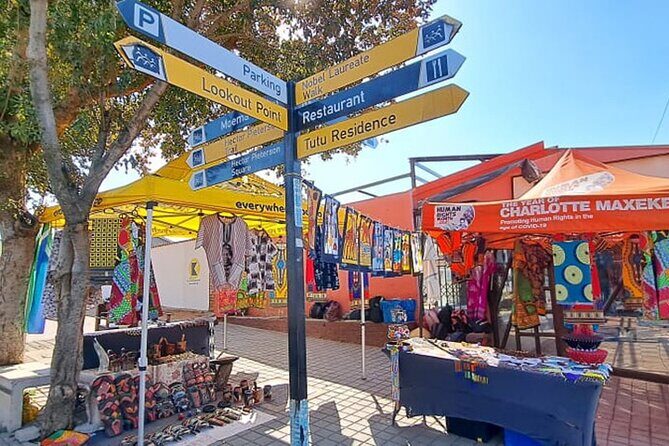
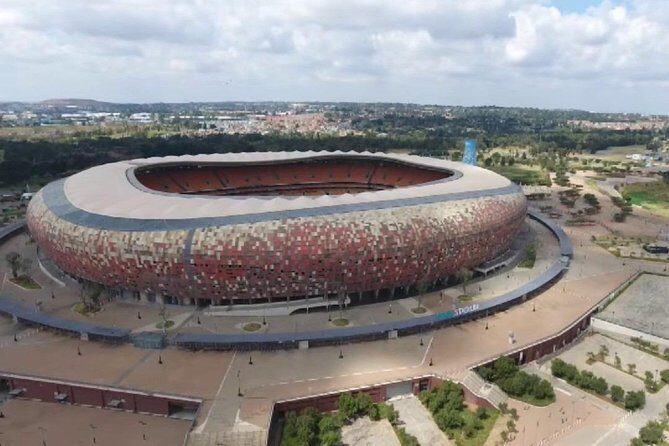
Your day starts with a pass by FNB Stadium, known for hosting the opening and closing ceremonies of the 2010 World Cup. It’s a quick reminder that Johannesburg is a full-on modern city, not a theme park.
Then you move toward the Diepkloof area, where you take a short walk past vendors selling all sorts of things. This part is brief, but it’s useful for getting your bearings and shifting gears from the city’s big-brand image to township daily life.
What I like here is the contrast. You start with something globally recognizable, and then you’re right into street-level commerce and movement. It’s a gentle entry point before the tour turns more sobering.
Baragwanath and Orlando West Roads: Passing Landmarks People Actually Use
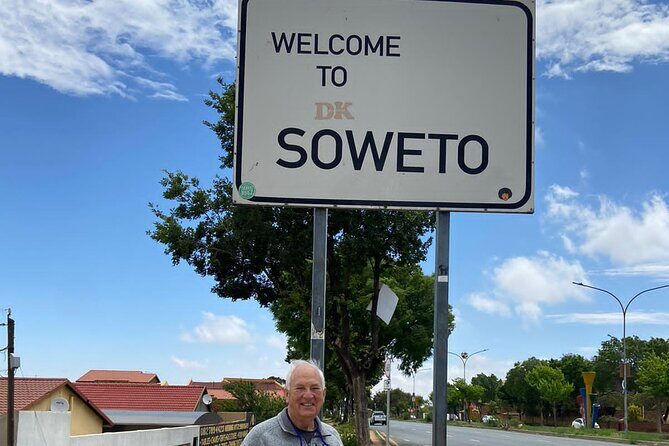
Next you’ll drive past Baragwanath Hospital, described as enormous and known for serving huge numbers of people. You’ll also pass a taxi rank area and the historic suburb of Diepkloof as the route continues toward the heart of Soweto.
These road segments matter because they show how infrastructure connects communities. You’re not only visiting “sites.” You’re seeing a living geography made of transport, healthcare, and local routines.
The time is short (around 15 minutes), so don’t expect deep stops here. But it sets context for the more focused stops that follow.
Motsoaledi Informal Settlement Walk: The Human-Scale Part of the Trip
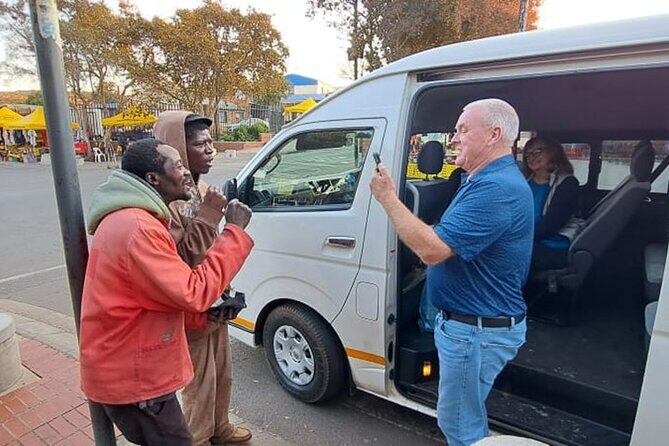
One of the most meaningful parts of this half day is the visit to Motsoaledi informal settlement. You’ll walk through the sand streets with your guide past local dwellings, and you’ll stop at an informal settlement day care. This day care is part of the support organized through MoAfrika Tours and is connected to traveler-sponsored help.
This is the section where the tour becomes personal. In the experience notes and guide style that people praise, you’re not treated like a drive-by camera. You’re greeted and you get explanations about daily life and how the settlement works.
Practical consideration: wear comfortable shoes because you’ll be walking. Also, go in expecting emotion. The setting is real, and the contrast between your visit and someone’s everyday space can hit hard.
If you’re the type who likes to ask questions, this is a good moment to do it. A few guides praised for blending safety with authenticity, and the settlement walk is where that balance really shows.




Regina Mundi and Kliptown Freedom Square: Quick Overview, Big Meaning
As you continue through Soweto, you get a quick overview stop outside Regina Mundi Church and Freedom Square. Then the tour shifts to Walter Sisulu Square (Freedom Square) in the heart of Kliptown.
These are not long stops, and the tour doesn’t pretend you can absorb everything in a few minutes. But seeing them in sequence helps you connect where major anti-apartheid energy gathered, and how those places are remembered in public space.
If you want to make the most of this segment, pay attention to what your guide points out. A standout guide experience for many visitors is the way the guide explains why these locations matter now, not just what happened there decades ago.
Hector Pieterson Museum and Memorial: Where You’ll Spend the Most Focused Time
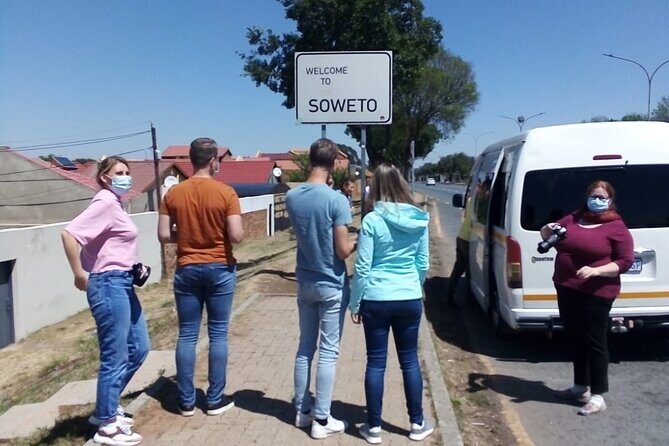
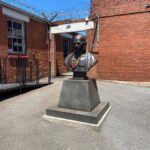
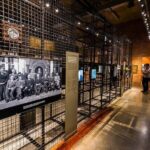
Your longest included stop is the Hector Pieterson Museum and Memorial, around 45 minutes, with admission included. The museum is linked to where Hector Pieterson was shot and killed on 16 June 1976, so this visit carries weight even if you’re not a museum person.
I like this stop because it anchors the day. Earlier parts give context about where you are and how people live. Here, the story compresses into a place designed for learning and reflection.
In a half-day format, 45 minutes is enough to get the main themes without turning it into a sprint. Use that time to focus on what your guide highlights beforehand. When guides are good, they point you toward the sections that matter most for first-time visitors.
Vilakazi Street and the Mandela and Tutu Homes From the Street
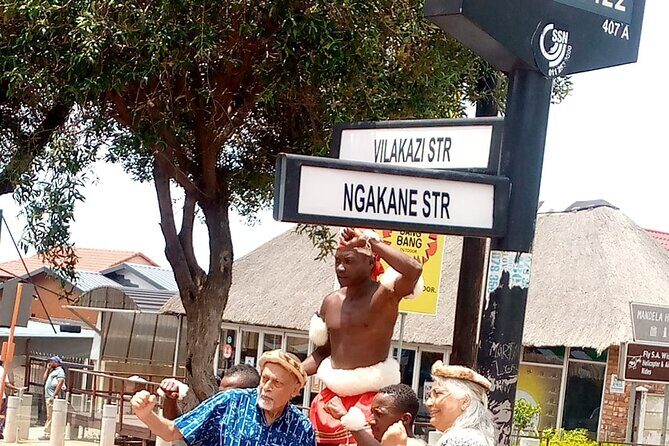
Then you head down Vilakazi Street, known for being one of the most famous streets in Soweto because of the notable figures connected to it. The tour includes about 45 minutes along this stretch, including passing the homes of Nelson Mandela and Winnie Mandela and also Archbishop Desmond Tutu.
This is a street-walk version of history. You’re not doing a full house tour in this stop. Instead, you see the residential setting and learn what the guide wants you to notice about place, legacy, and how community life continues.
In the guides you’ll hear people talk about, a common theme is that they make space for questions and conversation. If you’re doing this tour as a first time in South Africa, this is where you’ll usually want to slow down in your head and absorb the meaning.
Optional Mandela Museum Time and the End at Soweto Towers
Time permitting, there’s an option to stop at Mandela House / Nelson Mandela Museum for a short visit of about 20 minutes. This part is not included in the base tour cost.
At the end of the morning, the tour heads to the Soweto Towers. The schedule gives you time to grab food and drinks on your own (the tour excludes lunch) and to stroll the craft market area. There’s also the option to try bungee jumping from the towers if time allows and you want it (own cost).
I like finishing here because it’s a chance to move from heavy history back into regular human things: food, shopping, watching how people move through the space. Even if you skip the bungee, towers-area time often gives you a mental reset before heading back toward Johannesburg.
Safety, Comfort, and Group Size Tips That Actually Matter
This tour is designed to help you feel steady on the route. You’ll travel in an air-conditioned minivan, and you’ll get hotel pickup and drop-off, which removes the biggest challenge for independent visitors: figuring out transport and timing safely.
Group size is capped at 15 travelers, which is also a plus. Smaller groups tend to move faster through crowded areas and give you a better chance to hear your guide clearly.
If you’re a solo traveler, it’s worth noting that multiple guides were praised for keeping the experience both safe and respectful. One solo traveler specifically mentioned feeling safe enough to enjoy the day, which lines up with what you want from a township tour: confidence without rushing.
One more practical point: the day includes walking segments, including in the informal settlement area. Keep your daypack light and plan for basic weather changes.
Who This Tour Fits Best (and Who Should Rethink It)
This half-day Soweto tour is a strong match if you want:
- a guided overview of Soweto’s key moments and neighborhoods
- a local guide’s perspective, including current reflections
- a route that includes both major sites and a short walk in a settlement area
- an easy start and finish thanks to hotel pickup/drop-off
It may be less ideal if you want lots of free time, a slow museum day, or you don’t handle emotional subject matter well. The content connected to apartheid and 1976 is not optional here, even if you’re keeping an open mind.
Should You Book This Half-Day Soweto Tour?
I’d book it if you want a first-timer-friendly way to see Soweto with structure and a guide who can connect the dots. The included Hector Pieterson Museum stop is a big value piece, and the guided walk through Motsoaledi adds the kind of real-life context you can’t get from a photo list.
If you’re concerned about feeling overwhelmed, go in with a plan: treat the informal settlement visit with patience and respect, ask your guide questions, and give yourself time to absorb the museum before the day gets back to food and market browsing.
One tip for maximizing your experience: when your guide explains what to look for, listen closely during the transit and early stops. The best guides bring the day into focus, and that makes even short time windows feel purposeful.
FAQ
How long is the Half-Day Tour of Soweto?
The tour runs for about 5 hours.
Where does the tour start, and do you get hotel pickup?
Yes. Pickup and drop-off are offered from your Johannesburg hotel.
What is the price per person?
The price is $63.26 per person.
Is WiFi included during the tour?
Yes. You’ll have free onboard uncapped WiFi.
What’s included in the ticket, and what costs extra?
The local guide, hotel pickup/drop-off, and transport are included. Hector Pieterson Museum admission is included, while drinks, food, and an optional Mandela House/Mandela Museum visit are not included.
Which stops have free admission?
Multiple stops are listed with free admission, including the vendor-area walk on the way in, the Motsoaledi settlement and day care visit, and the stops along Vilakazi Street and church/square overview areas.
How many people are in the group?
The tour has a maximum of 15 travelers.
Is cancellation free?
Yes. You can cancel for a full refund up to 24 hours before the experience starts.
Is this tour suitable for children and service animals?
Children must be accompanied by an adult, and child pricing applies only when sharing with 2 paying adults. Service animals are allowed.