REVIEW · JOHANNESBURG
Johannesburg: Half-Day Soweto Tour with a Local Guide
Book on GetYourGuide →Operated by Tsalanang Travel Tours · Bookable on GetYourGuide
Johannesburg’s history comes close fast. This half-day Soweto tour is built around major landmarks like Soweto Towers and Hector Pieterson Memorial, but what I really like is the way the local guide connects them to everyday life. My one caution: it’s short, and it’s not all indoor sightseeing—so you’ll want to be comfortable with walking and moving at a town pace.
In this 4-hour format, I think you’ll get the most value if you’re after context, not just photo stops. The route also includes time for viewing Mandela House from the outside only, so if you want to spend extra time inside museums, you may feel a bit limited.
In This Review
- Key highlights to look for
- Soweto in Four Hours: What You’ll Actually See
- Why the Local Guide Changes Everything in Soweto
- FNB Stadium: A World Cup Landmark With a Johannesburg Backdrop
- Hostels Turned into Home: What You Pass on the Way In
- Soweto Towers: A Landmark for Orientation and Identity
- Vilakazi Street: Where History Lives on the Same Sidewalk
- Hector Pieterson Memorial: The Stop That Holds the Meaning
- Price and Value: Is $74 for This Route Fair?
- Timing, Group Size, and the Pace You Should Expect
- Who This Tour Suits Best (and Who Might Want More Time)
- Should You Book This Soweto Half-Day Tour?
- FAQ
- How long is the Soweto half-day tour?
- What’s the group size?
- Do I get hotel pickup and drop-off?
- What locations are included on the route?
- Which tickets are included?
- Is food included?
- What’s included in the transportation?
- What language is the tour guide?
- What if plans change?
Key highlights to look for

- Local-guide storytelling that brings Soweto’s past and present together without sugar-coating
- FNB Stadium (2010 World Cup Final venue) as an easy “big picture” start to the day
- Soweto Towers as a clear visual landmark for orientation in the area
- Vilakazi Street with stops tied to Nelson Mandela and Desmond Tutu
- Hector Pieterson Memorial with an entry ticket included, so you can slow down and absorb the meaning
- A small group (up to 13) that tends to make questions easier
Soweto in Four Hours: What You’ll Actually See
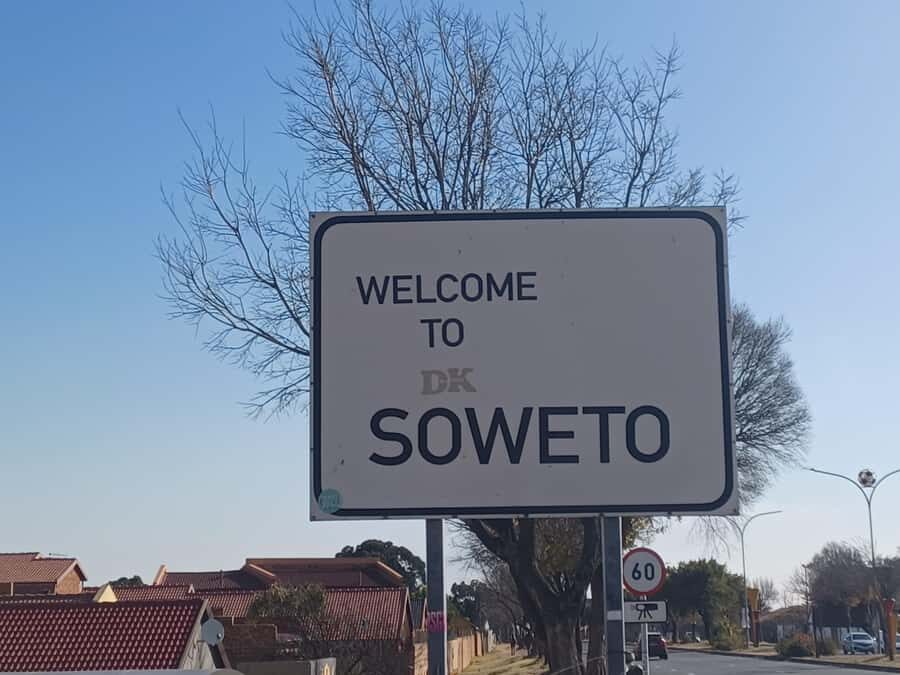
This tour is designed as a focused, half-day slice of Soweto. In about four hours, you’ll cover the key “you have to understand this” points: the stadium connection to modern South Africa, the skyline marker of Soweto Towers, the globally famous Vilakazi Street, and finally the Hector Pieterson Memorial, which anchors the timeline of the 1976 Soweto Student Uprising.
The tempo matters. The itinerary includes some driving and a bit of walking, and the tour pace can change depending on group size. If there are only a couple of people, the route tends to move faster; with a larger group, you’ll likely spend a little more time at each stop and in transit.
You’ll also get hotel pickup and drop-off from specific areas. That convenience is a big deal in Johannesburg, where getting in and out efficiently often determines whether you spend your day seeing places or just getting from place to place.
You can also read our reviews of more guided tours in Johannesburg


Why the Local Guide Changes Everything in Soweto
A lot of Johannesburg tours can feel like a drive-by highlight reel. This one tries to avoid that. The experience is led by a local guide, and the recurring theme in guide performance is personal perspective—how daily life works, how people think about history, and what matters now.
In particular, guides such as Thabang, Neo, Lebo, and Temba (names you’ll see referenced in recent feedback) are praised for being able to answer questions on the spot and adjust the pace to the group. That matters because Soweto isn’t just a set of famous buildings. It’s a living place. When your guide can explain what you’re seeing and why it’s there—without rushing past the difficult parts—you come away with better understanding and fewer blank spots in your mental map.
One practical point: since your guide is the filter for context, come ready with curiosity. Ask about what you see from the road. Ask what certain streets or buildings signal. And if the group is small, you’ll usually get more time for those questions.
FNB Stadium: A World Cup Landmark With a Johannesburg Backdrop
Your day starts with pickup, then you’re on the road to Soweto. One of the earliest major stops is the FNB Stadium, the venue that hosted the 2010 Soccer World Cup Final.
Even if you’re not a soccer fanatic, this stop is useful. It’s a reminder that South Africa’s modern global moments and Soweto’s lived reality sit in the same city. The stadium becomes more than a sports venue—it turns into a contrast point. From here, you’re about to see places tied to migration, health care, education, protest, and community life.
The trade-off is time. This is a half-day tour, and your stadium time is brief—more of a pass-and-brief orientation than a long sit-down visit. If you want a deep sports history stop, you’d pair this with something else later in your Johannesburg trip. But as a first “big landmark,” it works.
Hostels Turned into Home: What You Pass on the Way In

One of the most revealing parts of the route happens without a formal “ticket stop.” You’ll drive past hostels that were originally tied to migrant labor accommodation and are now transformed into informal family units.
You’ll also drive past Chris Hani Baragwanath Hospital, described as one of the largest hospitals in the area. That doesn’t just add a local texture—it gives you a sense of scale for how Soweto functions as a real urban system. Hospitals, housing arrangements, schools, and street commerce aren’t background details. They’re the spine of daily life.
Here’s what this means for you as a visitor: the tour uses the car drive to deliver context in small, digestible pieces. You shouldn’t expect a long explanation at every point, but you should expect your guide to point out what these places mean. If you like learning through the route—seeing how the city breathes around you—this segment is a strength.
Soweto Towers: A Landmark for Orientation and Identity
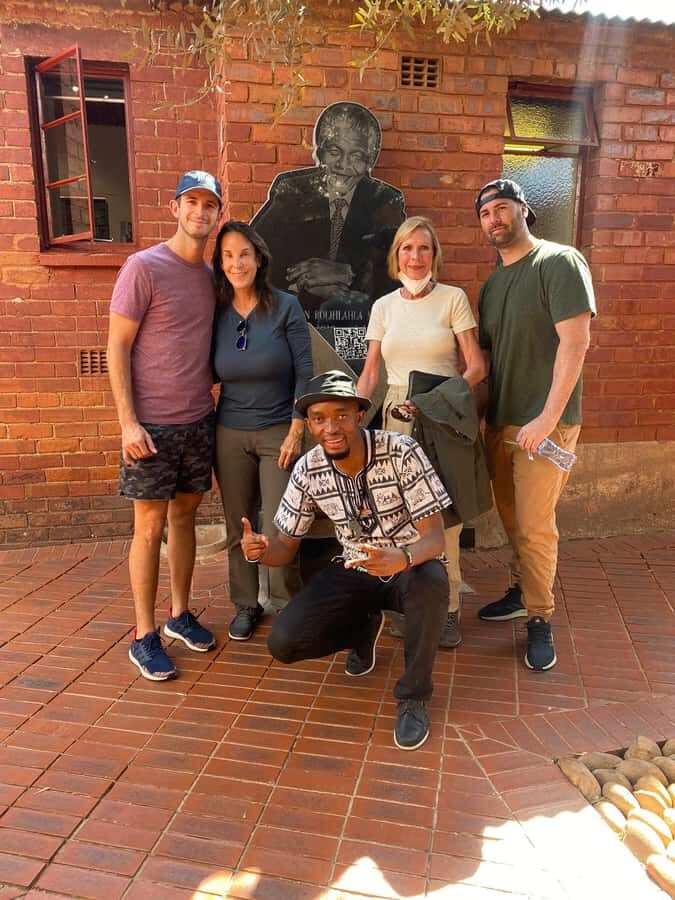
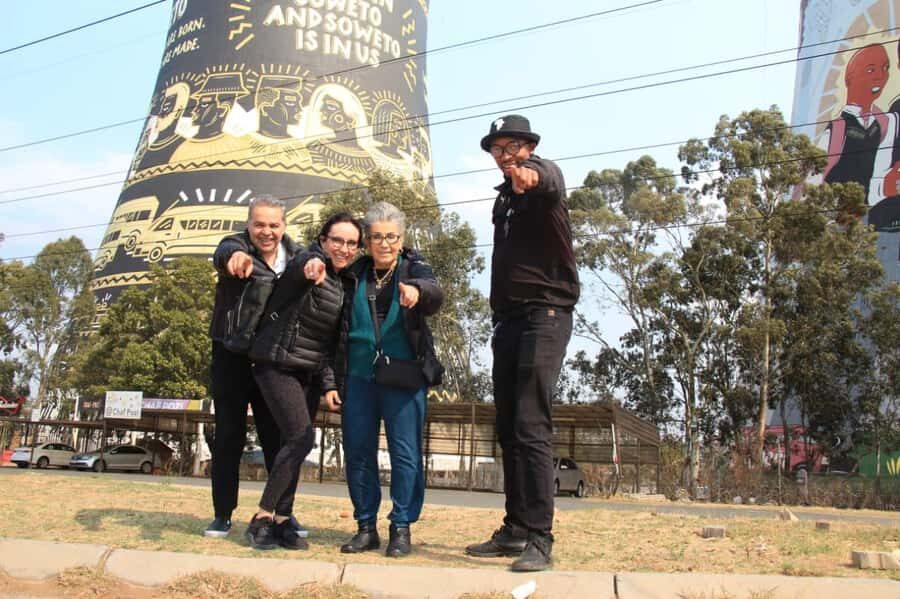
Next comes Soweto Towers, presented as a key landmark of the township. Think of this stop as a visual anchor. Once you see the towers, your brain starts building a layout: you now have a reference point that helps everything else feel connected rather than random.
That might sound minor, but it’s not. In areas with many similar-looking street blocks and lanes, landmarks reduce confusion. They also help you remember what you saw later—especially when you compare your photos and notes.
The other value: towers aren’t just architecture. In a township context, a big visible structure often carries symbolism—identity, visibility, and a sense of where people live in relation to the rest of the city.
A few more Johannesburg tours and experiences worth a look





Vilakazi Street: Where History Lives on the Same Sidewalk

After towers, you’ll visit Vilakazi Street, often described as one of the most prestigious streets worldwide. It’s famously connected to two Nobel Peace Prize winners: Archbishop Desmond Tutu and Nelson Mandela.
On your walk here, you’ll have a chance for souvenir shopping, and you’ll also get to view Mandela House Museum from the outside. This is one of those choices that shapes your experience. You do see the home, but you don’t go inside as part of the tour.
So if you want the full museum experience—extended galleries, artifacts, and deeper time inside—you’d likely plan a separate visit later. But the outside view still gives you something meaningful: you can connect the name to the street, and you can understand why the location carries such emotional weight for many people.
A small tip from how guides tend to operate on this kind of route: take a moment before photos. Look first, then photograph. It helps you notice details you’d otherwise skip in “camera mode.”
Hector Pieterson Memorial: The Stop That Holds the Meaning
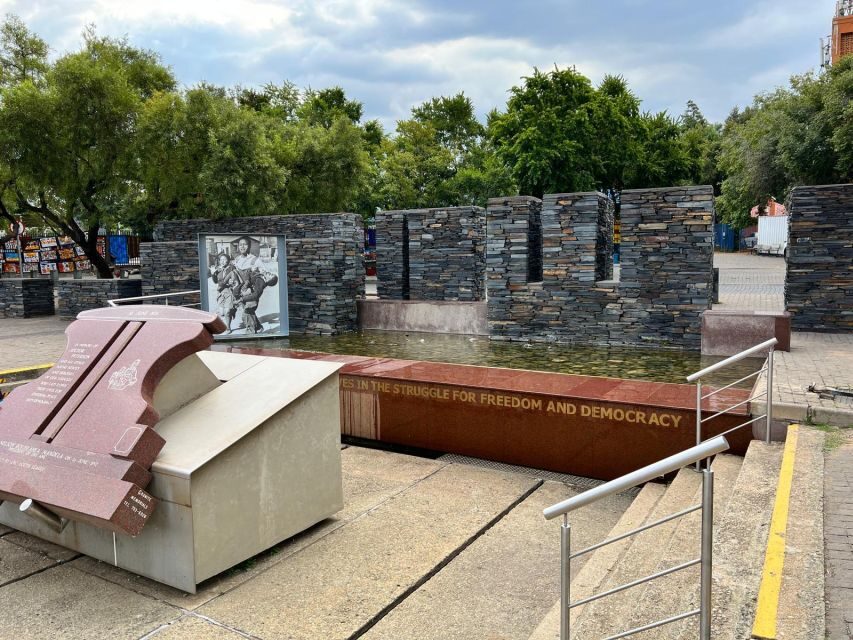
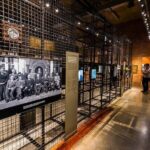
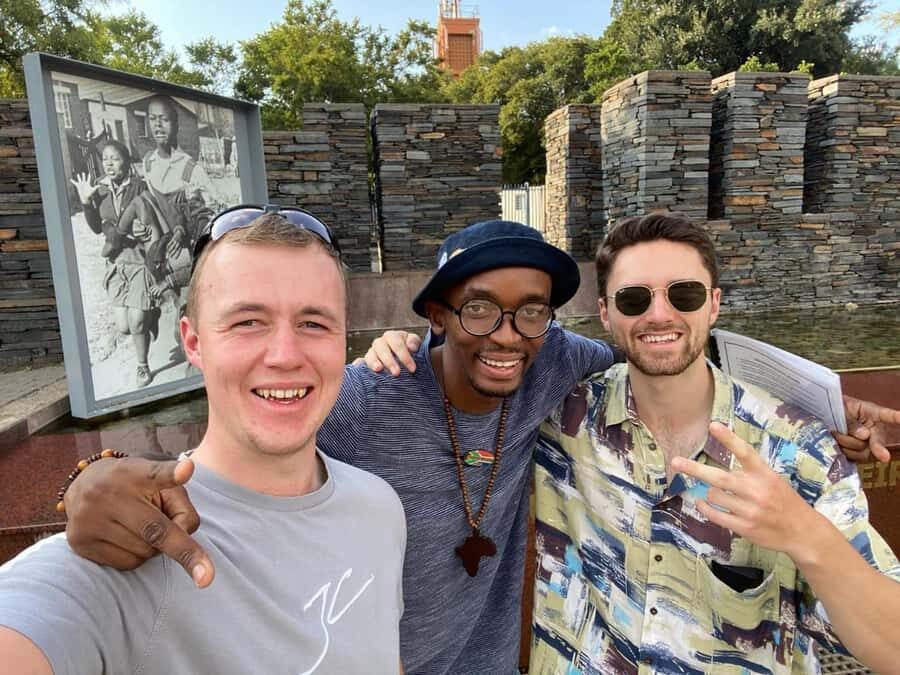
The final key stop is the Hector Pieterson Memorial, and an entry ticket is included. This is where the 1976 Soweto Student Uprising stops being a headline and becomes a structured story you can stand in.
Your guide will give you an overview of what happened and why it mattered. The memorial itself gives you space to slow down. Even with a tight schedule, this stop works best when you treat it as a moment to absorb rather than a quick walkthrough.
One reason this works for visitors: it creates an emotional and intellectual link between everything else you’ve been shown. The stadium and towers are orientation and modern context. Vilakazi Street is names and legacy. The memorial is the events and the human cost behind the history.
If you get overwhelmed easily, that’s not a weakness—just plan your pacing. Sit down when you need to, and don’t feel forced to move fast to keep up with the group.
Price and Value: Is $74 for This Route Fair?

At $74 per person for a 4-hour guided outing, the value depends on what you care about. Here’s what you’re paying for, in practical terms:
- Pickup and drop-off from multiple Johannesburg-area options (Kempton Park, Melrose, Sandton, Rosebank)
- Air-conditioned transportation and a planned route
- A local guide who explains what you’re seeing and answers questions
- Bottled water
- Hector Pieterson Memorial entry ticket included
What’s not included is also important. Mandela House Museum entry isn’t included, and food and drinks aren’t included. That means the total cost of your day might rise a bit if you need a meal or snacks.
But compared to paying separately for museum entry plus a private guide plus transport, this price can feel reasonable—especially because Soweto’s most meaningful stops aren’t just “look from the car” items. You actually get into the memorial site.
If you’re on a tight schedule and you want a guided structure with transportation, this is a strong option. If you want a slower, more museum-heavy day inside multiple sites, you may prefer a longer tour or separate visits.
Timing, Group Size, and the Pace You Should Expect

Small groups (limited to 13 participants) are a big part of the appeal. When the group stays small, guides can spend more time on questions and less time repeating themselves. It also makes walking segments feel more manageable.
The route is delivered based on the itinerary, but your timing may shift based on group size. With fewer people, you may move quicker through the passes and stops. With more people, you should expect a steadier pace and more time spent at each location.
Also note the tour is English-language and includes guidance throughout the route. That’s crucial in Soweto, where context can change how you interpret the street scene.
Who This Tour Suits Best (and Who Might Want More Time)
This half-day Soweto tour fits you if you want:
- a starter course on Soweto’s key landmarks and events
- local perspective rather than a generic “top sights” route
- a schedule that works well as a morning or afternoon block
It may not be the best fit if you want:
- lots of time inside Mandela House Museum (you only view it from outside)
- a long, unhurried memorial experience with plenty of sitting time and free exploration
If you’re traveling with teenagers or adults who like history with real-world connections, this format tends to land well because it pairs landmark viewing with a clear historical storyline.
Should You Book This Soweto Half-Day Tour?
I’d book it if your priority is context in a limited window. The combination of a local guide, small group size, transportation that gets you efficiently into and around Soweto, and an included ticket to Hector Pieterson Memorial makes it a practical way to understand what this area represents.
I’d think twice if you know you want lots of museum time and deeper inside visits. In that case, you could still do this tour for orientation and meaning, then add a separate visit to Mandela House when you have more time.
If you’re the type who likes asking questions while you walk—rather than just collecting photos—this tour is likely to feel worth every dollar.
FAQ
How long is the Soweto half-day tour?
The tour lasts about 4 hours.
What’s the group size?
It’s a small group limited to 13 participants.
Do I get hotel pickup and drop-off?
Yes. Pickup and drop-off are included, with options in Kempton Park, Melrose, Sandton, and Rosebank.
What locations are included on the route?
You’ll see FNB Stadium, Soweto Towers, Vilakazi Street, and visit the Hector Pieterson Memorial. You’ll also view Mandela House Museum from the outside.
Which tickets are included?
The Hector Peterson Memorial entry ticket is included. Mandela House Museum entry is not included (it’s viewed from outside).
Is food included?
No. Food and drinks aren’t included, though bottled water is provided.
What’s included in the transportation?
You get transportation by an air-conditioned vehicle, plus bottled water.
What language is the tour guide?
The live tour guide speaks English.
What if plans change?
Free cancellation is available up to 24 hours in advance for a full refund, and there’s a reserve now & pay later option.