REVIEW · JOHANNESBURG
Soweto: Walking Tour with a Local Guide and Lunch
Book on GetYourGuide →Operated by One Day Africa · Bookable on GetYourGuide
Soweto hits you harder on foot. This 4-hour walk through Johannesburg’s famous township is built around a local Sowetan guide and real stops tied to the 1976 uprising, Mandela’s life, and everyday community life. I especially like the way the route mixes history with people-and-food moments, including lunch at a local spot. One drawback to plan for: expect steady walking, and it isn’t set up for wheelchair users.
You start at Vilakazi Espresso, right across from the Hector Peterson Memorial, then work your way along key streets toward places like Nelson Mandela’s home and Desmond Tutu’s house. After lunch, you’ll ride a minibus taxi to Orlando East for a look at the Soweto Towers, then finish at Nomzamo Park to see how daily life looks in an informal settlement. The tour runs rain or shine, so sunscreen and a backup plan for wet weather are smart.
What really makes this tour stand out is the guide style. Many groups report getting a story-led experience from guides such as Maweza, with thoughtful answers and a strong sense of what matters and what to respect. If you’re hoping for only landmark photos, this might feel too human and too personal at times—but if you want context you can actually feel, it’s a strong fit.
In This Review
- Key takeaways before you go
- Walking Vilakazi Street starts with Hector Peterson’s story
- Mandela’s house, Desmond Tutu’s home, and Winnie Mandela’s stop
- Lunch at a local shop: food that changes the tone
- Orlando East by minibus taxi to the Soweto Towers
- Nomzamo Park: seeing daily life with respect (and a filter)
- Price value: what $43 buys in a 4-hour half-day
- What to bring and how to handle the weather
- Who should book this Soweto walking tour
- Should you book this tour with One Day Africa?
- FAQ
- How long is the Soweto walking tour?
- Where do I meet the guide?
- What’s included in the $43 price?
- Is Nelson Mandela’s house entrance fee included?
- What language is the tour in?
- Is the tour suitable for wheelchair users?
- Does the tour run in bad weather?
- What should I bring?
Key takeaways before you go

- Hector Peterson Memorial first: you begin with the 1976 Soweto Uprising story, not random street photos
- Vilakazi Street focus: Mandela’s home area, Desmond Tutu’s house, and more stops packed into a half-day
- Lunch is part of the point: you’ll eat local food as you learn, not after the tour ends
- Minibus taxi to Orlando East: you experience a local way of getting around en route to the towers
- Nomzamo Park ending: the tour finishes with a view into daily life in an informal settlement
Walking Vilakazi Street starts with Hector Peterson’s story
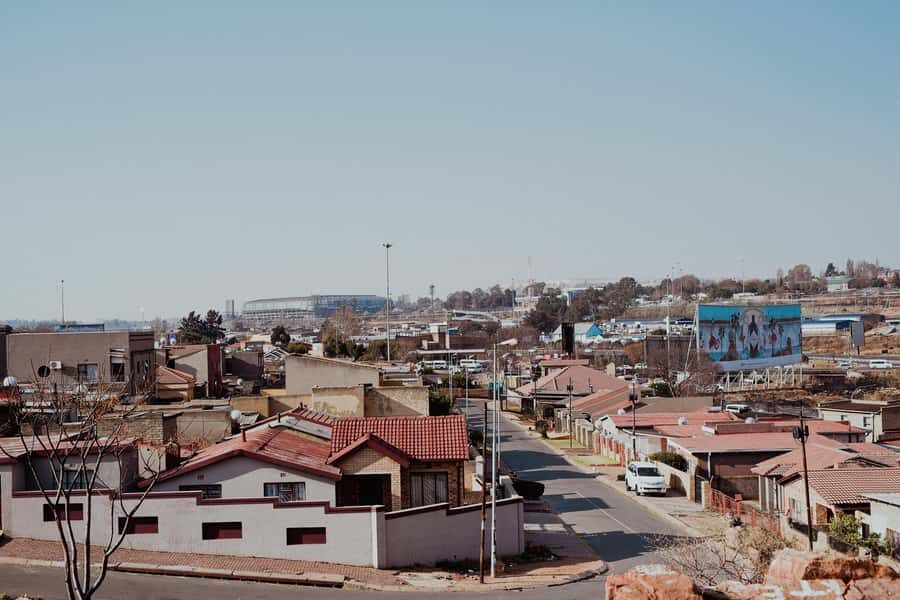
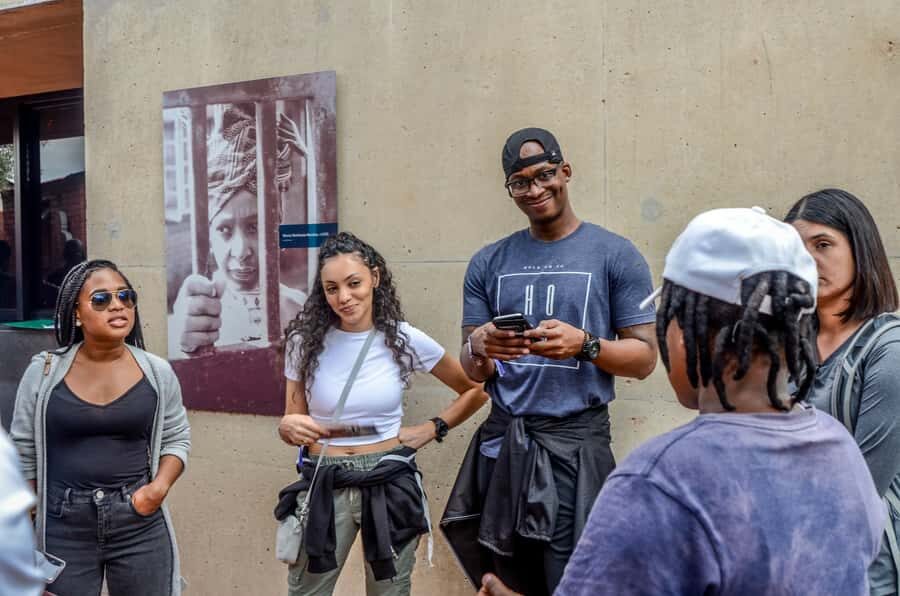
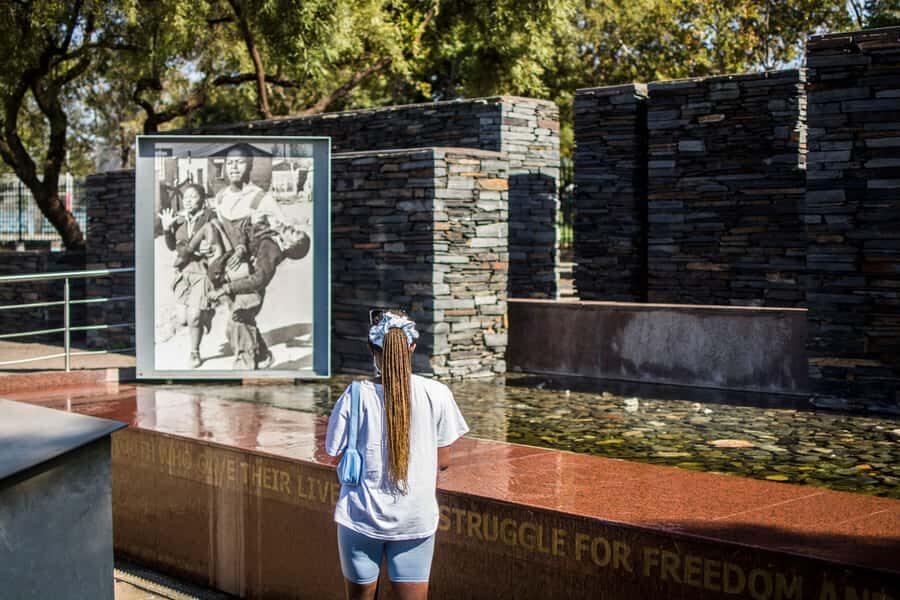
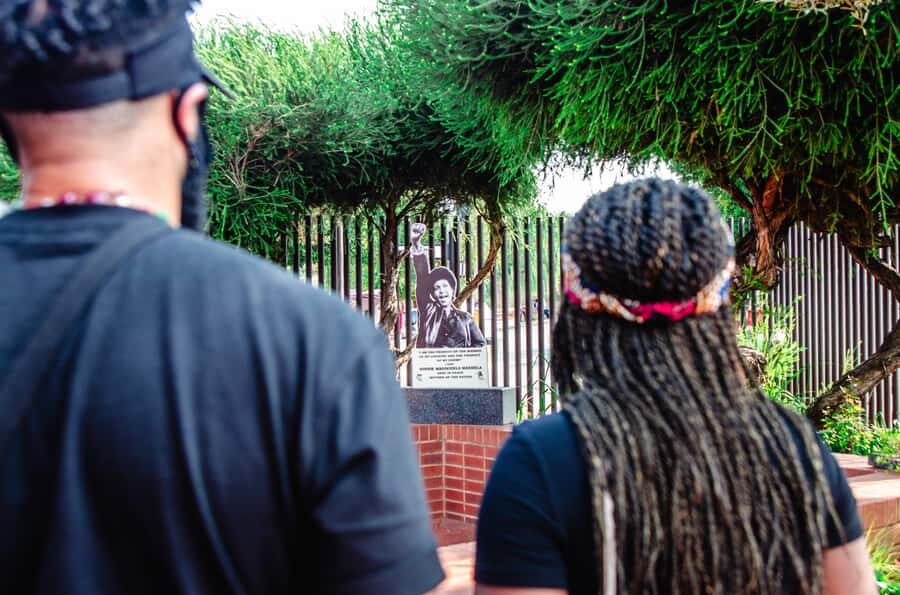
The tour begins at Vilakazi Espresso, opposite the Hector Peterson Memorial. From the first minutes, you’re in the right headspace: the guide sets the stage for what happened in 1976 and why the Soweto Uprising still matters in South Africa’s wider freedom struggle.
Your first stop includes a photo moment and guided time at the memorial area, with a walk portion of about 20 minutes. This is a good opening because it gives you names and stakes before you move on to homes, streets, and viewpoints later. It also keeps the energy grounded—this is not just about seeing famous places, it’s about understanding what the places represent.
Practical note: bring your camera, but also listen. You’ll get far more out of the route if you catch the guide’s context on what you’re standing beside and what you’re looking at.
You can also read our reviews of more walking tours in Johannesburg



Mandela’s house, Desmond Tutu’s home, and Winnie Mandela’s stop
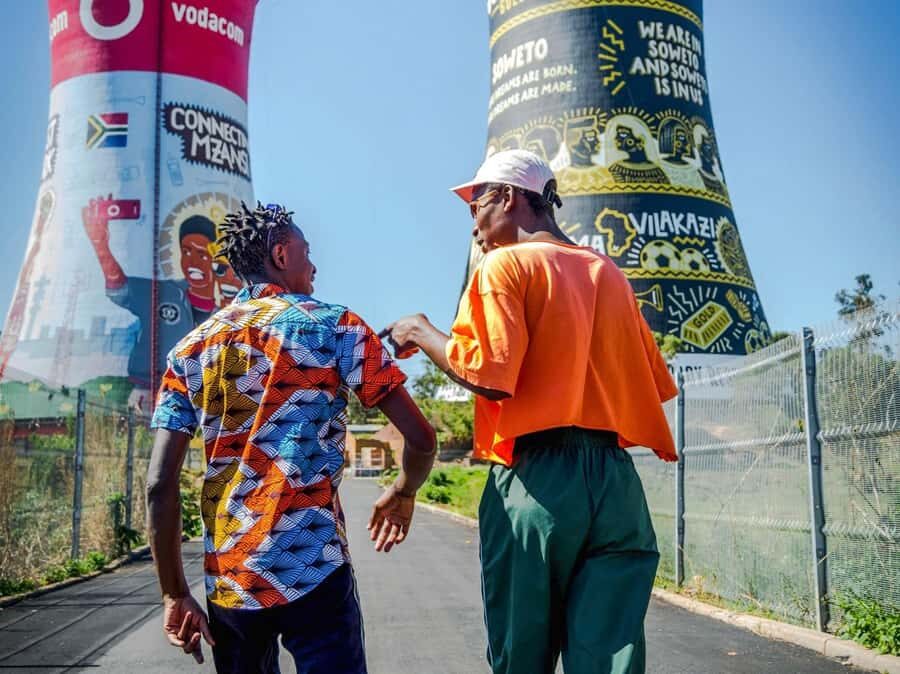
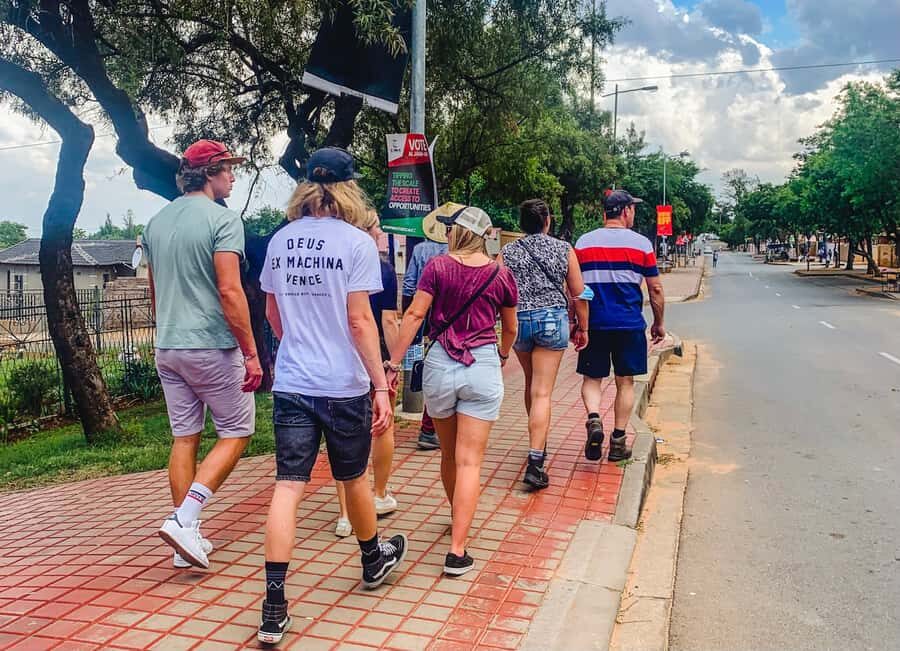
After the memorial, the walk shifts toward Vilakazi Street, the famous spine of Soweto. This is where the tour starts blending two things: personal history and community identity. You’ll move along the streets tied to significant events, then pause at major homes and landmarks with short guided visits and photo stops.
Nelson Mandela’s house is a centerpiece. You’ll have around 20 minutes inside (entrance fee not included). The tour’s framing matters here: it’s not presented as a casual visit. It’s positioned as the home where Mandela lived during a long period of imprisonment, so you’re walking into a story of loss, survival, and political change.
Expect another quick stop at Desmond Tutu’s house. This segment tends to feel different from the Mandela stop because it highlights leadership and moral courage in a broader movement for justice. Then you’ll also pass through the area connected to Winnie Mandela’s house, with a short guided moment and photo time.
Why this works as a walking tour: these stops aren’t far apart, so the afternoon builds like a timeline. You start with an uprising moment, then you move into the lives of figures who became symbols far beyond Soweto. The pacing is tight, which means you’ll want to stay present instead of letting your attention drift to the smartphone camera roll.
Tip if you want the most out of these stops: ask questions. Several people mention guides who answered many queries and tailored explanations to the group. If you’re the type who likes to understand before moving on, this tour rewards that.
Lunch at a local shop: food that changes the tone
Lunch is included, and it’s one of the smartest parts of the itinerary. This isn’t a sandwich break in a generic tourist spot—it’s a chance to taste local food and hear more about daily life in Soweto while you eat.
You’ll stop on Vilakazi Street in Orlando West for about 25 minutes for lunch, street food, and food tasting. Reviews mention options like kotas at a lunch place named Kek, and also a simpler Soweto-style chip butty. There’s even mention of a vegetarian option for at least some groups, but you should still ask on the day what’s available if you have dietary needs.
Another reason lunch matters here: it breaks the “history-only” flow. The tour spends a lot of time on heavy events, and the meal gives you a human reset. If you’re traveling with someone who gets exhausted by museums and memorials, lunch is the point where you’ll both exhale a little.
Cash is useful. One tip from past guests: bring extra money for small purchases or tipping street entertainers and even your guide, if the situation feels right. You’ll also be glad to have cash on hand for little extras that pop up during the afternoon.
Orlando East by minibus taxi to the Soweto Towers

After lunch, the tour switches gears with a ride on a minibus taxi to Orlando East. This is a highlight if you want more than a driver-and-vehicle sightseeing plan. It gives you a taste of local transport, and it also keeps the tour moving without turning it into a long slog of walking.
Once in Orlando East, you’ll have time for photo stops and guided time, then you’ll head toward the Soweto Towers for your final landmark moment. The towers stop includes guided sightseeing and a short walk portion of about 15 minutes, with photo opportunities along the way.
What I like about this structure: the day doesn’t end right at the most famous homes. It pushes you past the postcard stops so you get a sense of Soweto’s modern skyline presence too. Towers don’t replace the moral weight of the earlier stops—but they show that Soweto is also present tense, not only memory.
If you’re sensitive to crowds or prefer calm sightseeing, go with the guide’s rhythm here. A township afternoon can shift quickly depending on foot traffic and weather, and the best approach is to let your guide set the pace.
Nomzamo Park: seeing daily life with respect (and a filter)
The tour finishes at Nomzamo Park, an informal settlement. You’ll spend about 25 minutes there, with a guided visit, photo stop, and time to learn from the guide’s perspective on daily life.
This ending is emotional for a reason, and it’s also where good guidance really shows. Some guests mention the experience felt respectful and not awkward, and that interaction level can vary based on comfort and the guide’s judgment. If you’re the kind of traveler who wants to understand without staring, you’ll likely feel more comfortable here with a guide who knows how to manage attention.
There’s also a practical takeaway: treat this as a learning space, not a photo set. Ask your guide what’s appropriate, follow cues from the guide, and keep your tone considerate if you speak with anyone.
If your guide brings up donation options as part of this visit, that can be a meaningful way to give back. Just remember: donate because it feels aligned, not because you feel pressured.
You can also read our reviews of more guided tours in Johannesburg



Price value: what $43 buys in a 4-hour half-day
At $43 per person for about 4 hours, the value is mostly in the combination:
- a local guide for the whole route
- lunch included (so you don’t lose the best meal part of the day to extra costs)
- bottled water
- a route that mixes memorial context, home landmarks, and transport via minibus taxi
Many tours cost similar amounts but cut corners with either too little time on the ground or no included meal. Here, the lunch is intentionally placed in the middle, which helps you stay energized for the second half. You’re also not paying extra for every stop in the same way a “drive-by highlights” tour can feel.
Not included are drinks, and the Mandela house entrance fee is specifically not included. If you’re trying to budget tightly, set aside a little extra for that entrance and keep some cash on hand for small purchases.
The tour also includes an audio guide in English plus a live guide in English. That matters if you learn well from listening, or if you want a backup narrative while you look around.
What to bring and how to handle the weather
Soweto isn’t the place to show up in your least-comfortable shoes. This is a walking-focused afternoon with multiple stops and uneven street surfaces in places, so wear comfortable footwear you can trust.
Bring:
- camera (photos are part of the experience)
- sunscreen (sun can be intense even when skies look changeable)
- water (you’ll get bottled water, but carry your own if you run thirsty)
- cash (for entrance fees like Mandela’s home and for small extras)
- hand sanitizer or tissues
- a face mask or protective covering, if that’s your preference
The tour runs rain or shine. If it’s a wet day, dry layers and a light rain jacket can save your mood. And if it’s windy or hot, the earlier sunscreen advice becomes extra important.
One more practical habit: keep your daypack small. You’ll be stopping often, and long bags slow everything down.
Who should book this Soweto walking tour
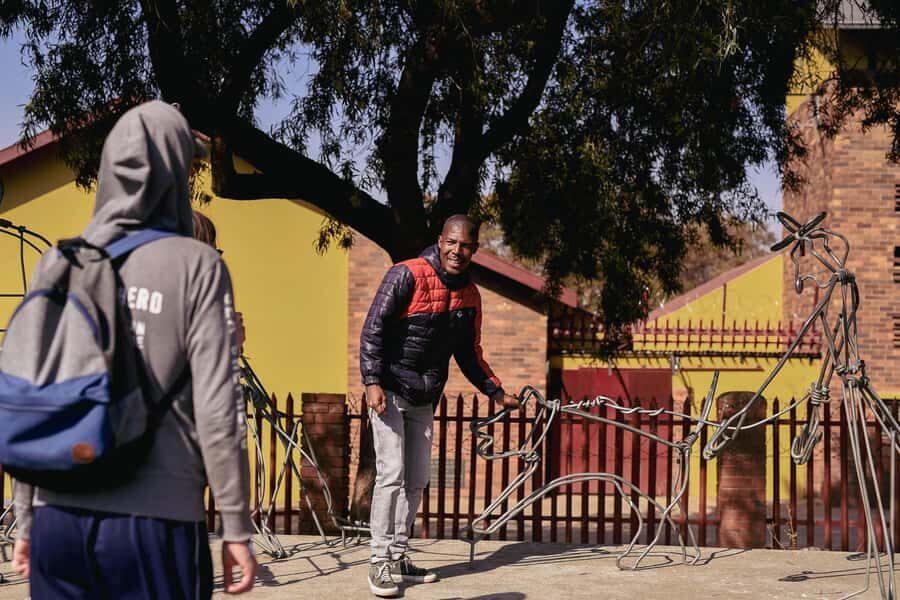
This is a strong match if you:
- want context for major freedom-era moments, not just photos
- like walking tours that include food and street-level storytelling
- enjoy asking questions and learning through conversation
- care about meeting locals in a respectful, guided way
It may be less suitable if you:
- need wheelchair access (it’s not set up for wheelchair users)
- hate walking or tight time windows inside key sites
Families can sometimes do well too. One set of guests mentioned traveling with kids (ages 8, 12, and 15), but keep expectations realistic: the pace includes multiple stops and steady movement.
Should you book this tour with One Day Africa?
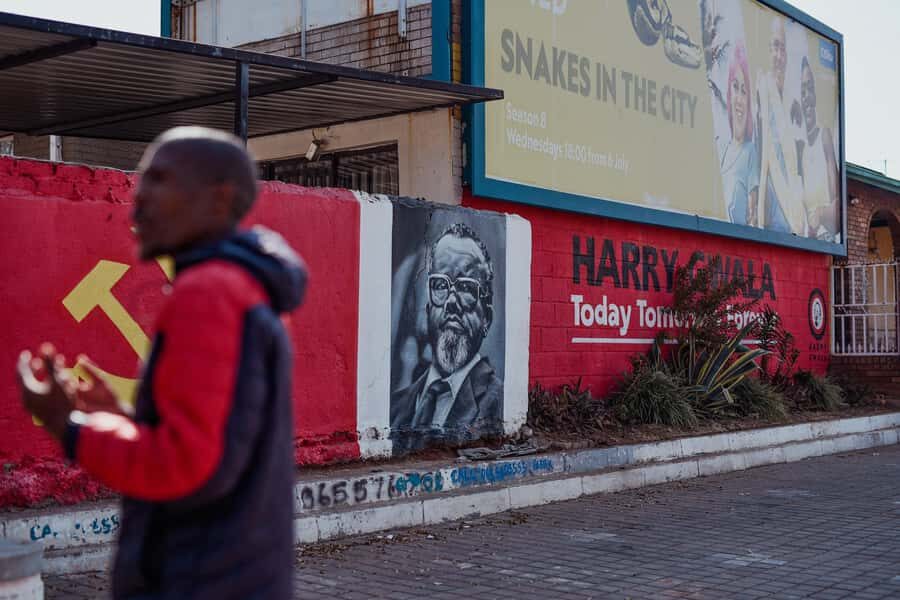
If your goal is to understand Soweto as a place with layered meaning—1976 uprising history, the homes of major figures, local transport, and a look at everyday life—then yes, I’d book it. For $43, the included lunch and the half-day structure make it practical, and the guide-led storytelling is clearly the engine of the experience.
Before you go, be honest about your priorities. If you want a calm, low-walking, softly guided “light overview,” this may feel too structured and too real. If you want the kind of tour where you leave with questions answered and a deeper sense of the area’s story, this is the right style.
FAQ
How long is the Soweto walking tour?
It runs for about 4 hours.
Where do I meet the guide?
Meet your guide in front of Vilakazi Espresso, opposite the Hector Peterson Memorial.
What’s included in the $43 price?
Lunch, a local guide, bottled water, and an English audio guide.
Is Nelson Mandela’s house entrance fee included?
No. Entrance fee for Mandela’s house is not included.
What language is the tour in?
The live tour guide and the audio guide are both in English.
Is the tour suitable for wheelchair users?
No, it isn’t suitable for wheelchair users.
Does the tour run in bad weather?
Yes, it takes place rain or shine.
What should I bring?
Wear comfortable shoes, bring a camera and sunscreen, carry water, and bring cash. Hand sanitizer or tissues and a face mask or protective covering are also recommended.