REVIEW · JOHANNESBURG
Johannesburg: Local Food Tasting Guided Walking Tour
Book on GetYourGuide →Operated by Honest Travel Experience · Bookable on GetYourGuide
One walk in Joburg, then your taste buds finally catch up. This Johannesburg local food tasting tour links neighborhood history with real eating, from Yeoville’s cultural mix to Maboneng’s art-and-food scene. You’ll hop between spots by van, then spend the day focused on what matters: small bites that add up fast, plus stories you can’t get from a menu.
I especially like the way the tour leans into African cuisine variety instead of just one style of food. In the best moments, guides like Rambo and Nkosi bring humor and context, so each restaurant stop feels connected to the neighborhood you’re walking through.
One consideration: this is still a walking-focused experience, and while the tour info says wheelchair accessible, it also states it’s not suitable for wheelchair users or people with mobility impairments. Also, with multiple tasting stops packed into a short time, you’ll want your stomach ready.
In This Review
- Key highlights I’d center in my planning
- Yeoville vs. Maboneng: the food walk makes sense here
- How the 3-hour format feels in real life
- Getting your bearings: the early orientation stop
- Yeoville: Westminster mansions and the Jewish suburb that changed the menu
- Maboneng: street art, music energy, and eating on the creative side
- What you actually eat: pan-African dishes, not just one cuisine
- Dietary needs: ask, and you may get options
- Ghanaian and Nigerian highlights: comfort food with story
- Zimbabwean, Congolese, and beyond: why the mix matters
- House of Tandoor and Bertrand Cafe: where the tour’s mood shifts
- Drinks and beer add-ons: plan your budget for what you like
- Price and logistics: does $77 feel worth it?
- Safety and comfort: what to expect from the guide’s style
- Who should book this food walk (and who might skip it)
- Should you book the Johannesburg local food tasting guided walking tour?
- FAQ
- How long is the Johannesburg local food tasting guided walking tour?
- Where does pickup and drop-off happen?
- Do I visit Yeoville or Maboneng?
- What food is included?
- Are alcoholic beverages included?
- What language is the guide?
- Is the tour wheelchair friendly?
Key highlights I’d center in my planning
- Yeoville or Maboneng based on your departure time, each with its own personality and food scene
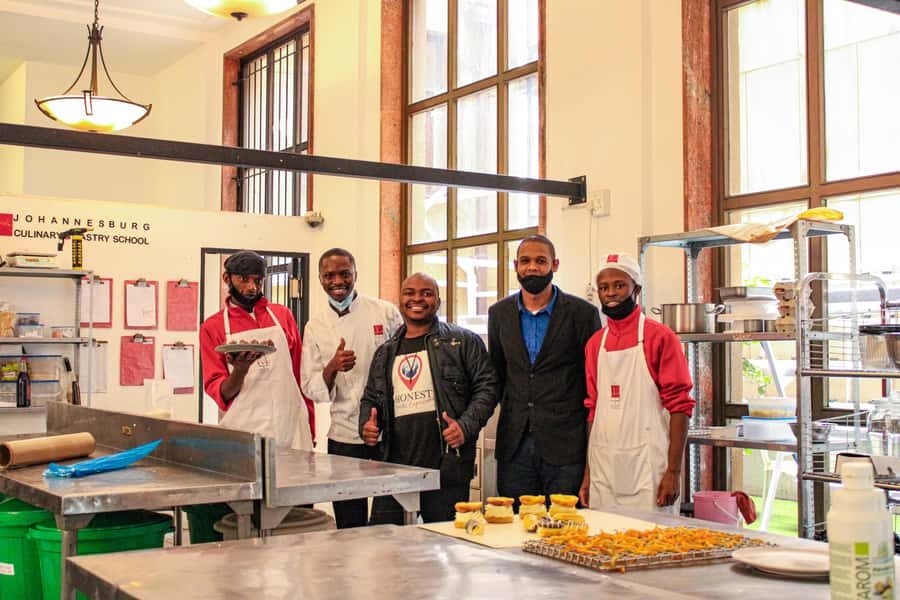
- At least 4 dishes per food tasting block, so you’re not just sampling sauces
- Guides with personality like Rambo and Nkosi, who keep the group included and the stories flowing
- Street art + culture stops in Maboneng, often paired with food breaks
- House of Tandoor and Bertrand Cafe-style stops for atmosphere, music, and local hangout energy
Yeoville vs. Maboneng: the food walk makes sense here
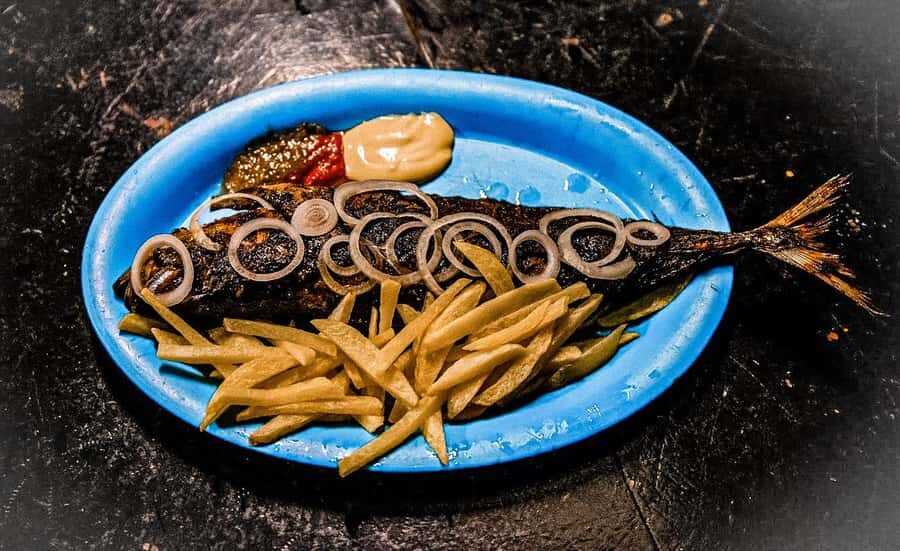
Johannesburg doesn’t just have restaurants. It has neighborhoods that act like living food maps, with different communities shaping what you can order, how you eat, and who you meet while doing it.
If you’re choosing the Yeoville departure (listed for 3pm), you’re aiming at a suburb known for being Afro-cosmopolitan—many African nationals in a tight area—and shaped by migration patterns into South Africa. The tour also points to local backstory like Westminster mansions, which helps you understand why the food scene feels so layered rather than random.
For the Maboneng departures (listed for 12pm and 5pm), you’re entering a more “art first” Johannesburg pocket—graffiti, culture, and African foods in an area known for creative energy. I like how this tour pairs that vibe with eating, because you’re not just looking at murals; you’re learning what people do between them.
You can also read our reviews of more walking tours in Johannesburg


How the 3-hour format feels in real life
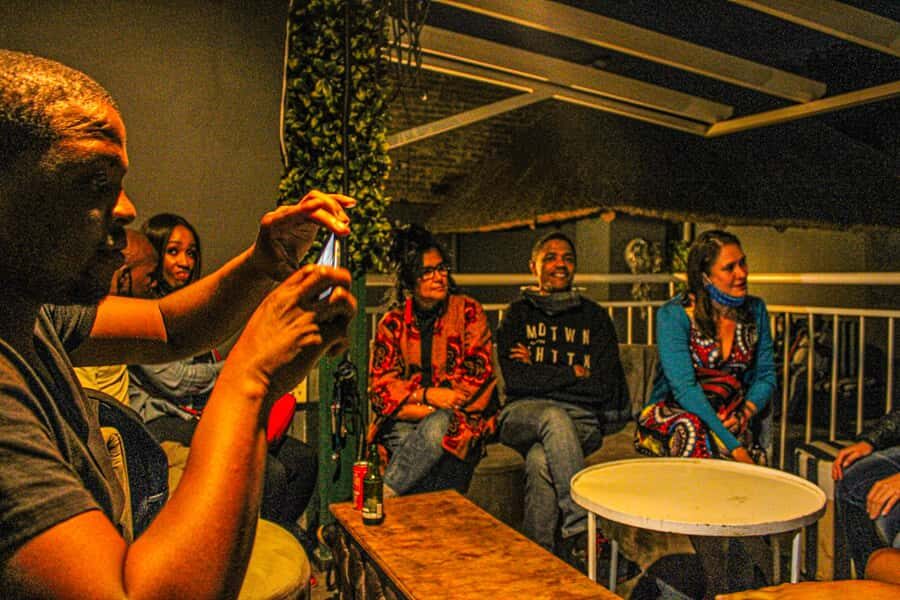
Three hours sounds short, but this tour is built around frequent stops. You’ll start with pickup (with van transfer time included), then you’ll spend time walking and eating in the neighborhoods, and you’ll end back with van rides to drop-off.
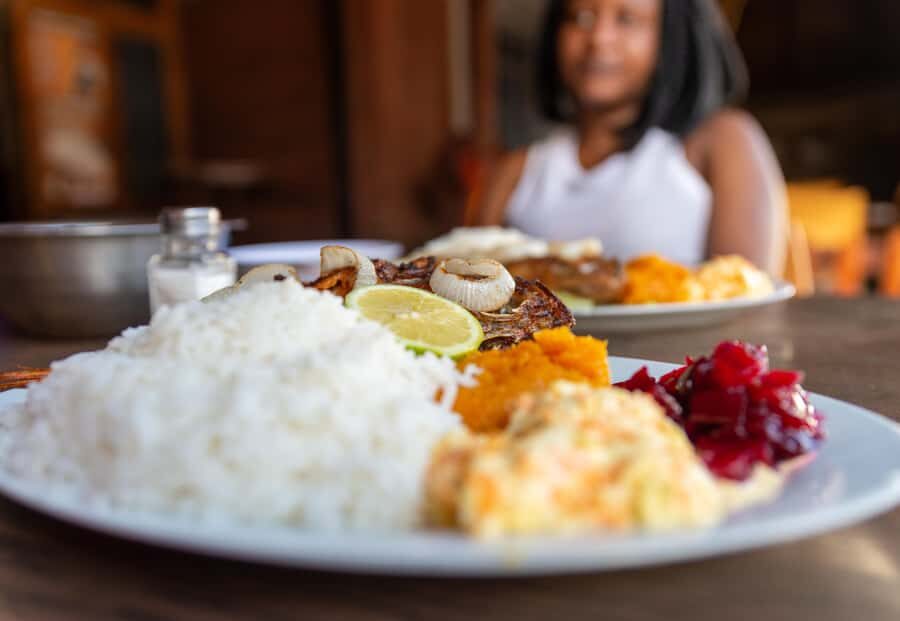
The key is pacing: each tasting block includes at least 4 dishes, which means you can taste more than you expect in a short window. Reviews show a common pattern too: people often say the food is comforting and filling, so come hungry, but don’t plan on ordering a full second meal later.
Also, you might see small timing differences day to day. One reviewer noted it felt closer to 2 hours than 3, so treat the full duration as a target and not a strict clockwork guarantee.
Getting your bearings: the early orientation stop
Before the neighborhoods, there’s a stop that includes a visit and walk as part of the flow. Even if it’s brief, it matters because it’s where you start understanding how the guide will frame what you’re about to eat and where you’ll be walking next.
The van ride segment also helps: you’re not trying to navigate Joburg’s sprawl alone. That’s a real value in a city where the “where” is often more important than the “what.”
Practical tip: wear comfortable shoes. This isn’t a museum-floor stroll. It’s urban walking between food stops, and the ground is part of the experience.
Yeoville: Westminster mansions and the Jewish suburb that changed the menu
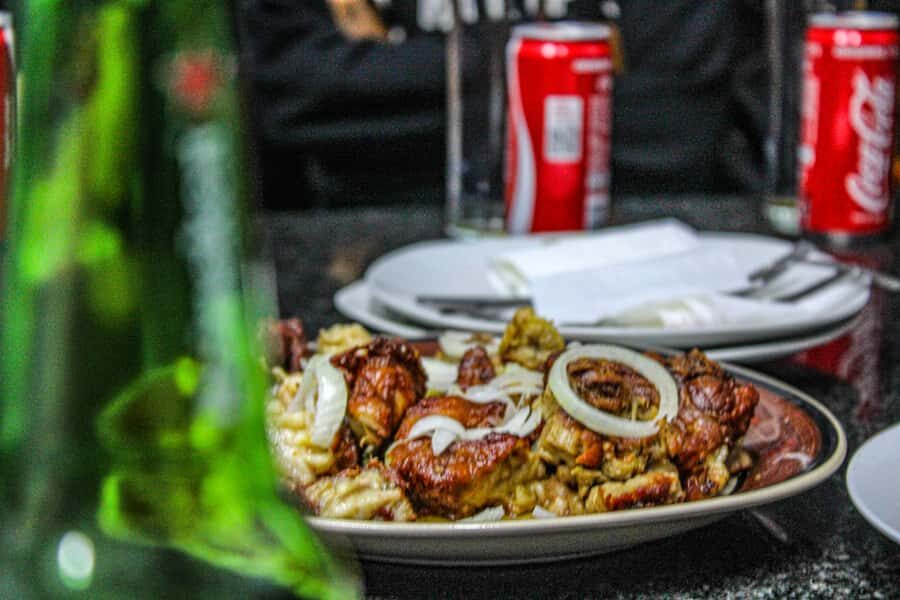
Yeoville’s story is part migration history, part cultural mixing, and part everyday life. The tour frames it as a place that has shifted into a melting pot of cultures, and it’s that mix that explains why the food feels pan-African and multi-influenced at the same time.
One thing I’d watch for: guides tend to connect the dots between neighborhoods and what ends up on your plate. When guides bring in local context—rather than only restaurant descriptions—you end up tasting with a point of view, not just a full mouth.
If you want a quieter-feeling introduction to Joburg’s diversity (still energetic, but less art-walk styled than Maboneng), the Yeoville departure is a strong pick.
Maboneng: street art, music energy, and eating on the creative side
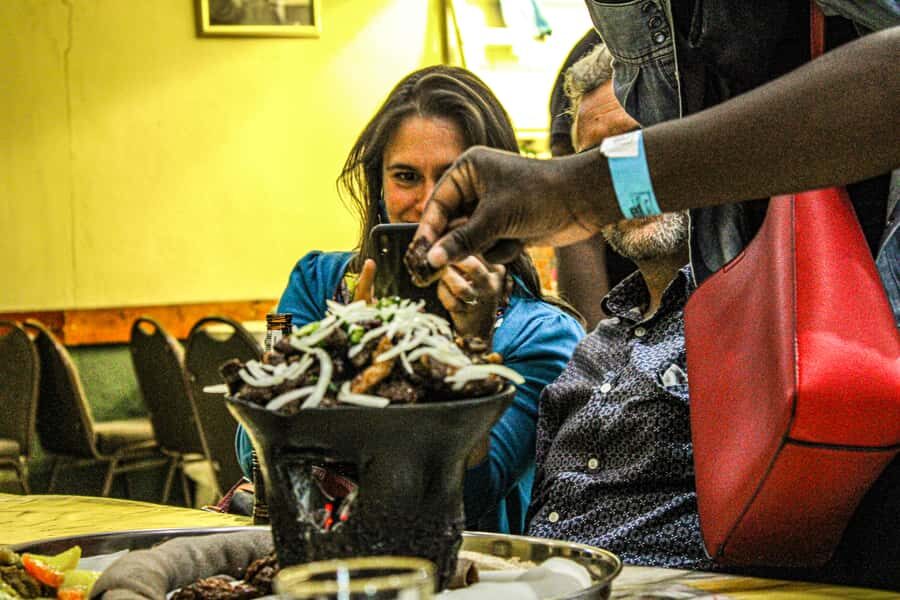
Maboneng is where this tour starts to feel like an evening out (even when you’re doing it earlier in the day). Expect art, culture, graffiti, wall art, and plenty of neighborhood texture around you while you eat.
The food works especially well here because it matches the area’s vibe. You’re tasting dishes that represent different parts of the continent while moving through a neighborhood that openly celebrates identity through art and public expression.
Guides described Maboneng as a place with life—shops, restaurants, and murals side by side—and that combination is exactly why I’d choose this option when I want Johannesburg to feel modern and human, not just historic on a signboard.
You can also read our reviews of more food & drink experiences in Johannesburg




What you actually eat: pan-African dishes, not just one cuisine
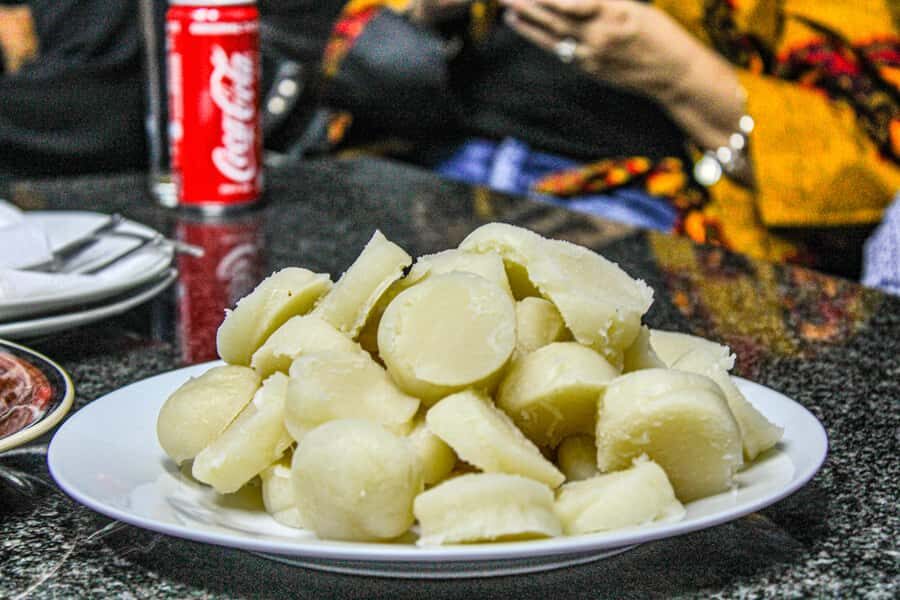
The tour is designed around variety. It lists tastings across South African, Ghanaian, Nigerian, Cameroonian, Zimbabwean, and Congolese food, with each tasting block including at least 4 dishes.
In real terms, that means you’re not limited to one flavor profile. You can expect a mix of stews, grilled items, sides, and sauces typical of the countries represented. You’ll also likely see overlap with what South Africa eats daily, which helps the continent-wide focus feel grounded.
From the food list alone, I’d come with a simple plan: take small tastes, ask questions, and don’t treat every dish like a full meal. The tour gives you enough variety that you’ll enjoy more if you pace yourself.
Dietary needs: ask, and you may get options
I like that the tour experience can adjust. One reviewer noted the guide found options for them because they don’t eat beef and pork, and another mentioned vegetarian options. That’s a good sign for flexibility, but don’t assume. Tell the operator or guide ahead of time so your tasting stops match your needs.
Ghanaian and Nigerian highlights: comfort food with story
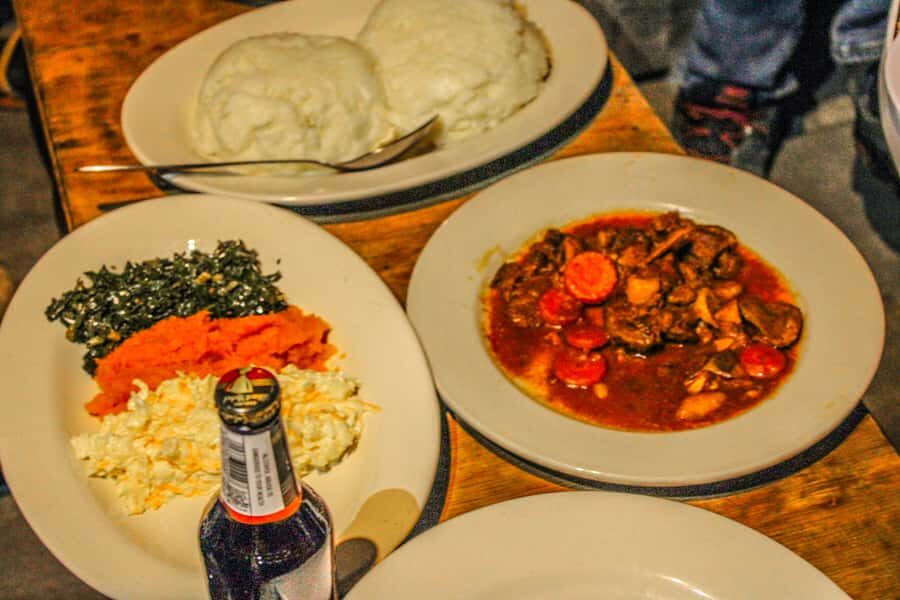
Ghanaian and Nigerian dishes are core to this tour. The idea isn’t only to prove the flavors are good—it’s to show how West African food techniques and ingredients land in Johannesburg’s everyday restaurant scene.
When guides explain what you’re eating and where it fits culturally, the food becomes more memorable. It also helps you avoid the common mistake of only tasting the most familiar item on your plate and missing the best one.
Zimbabwean, Congolese, and beyond: why the mix matters
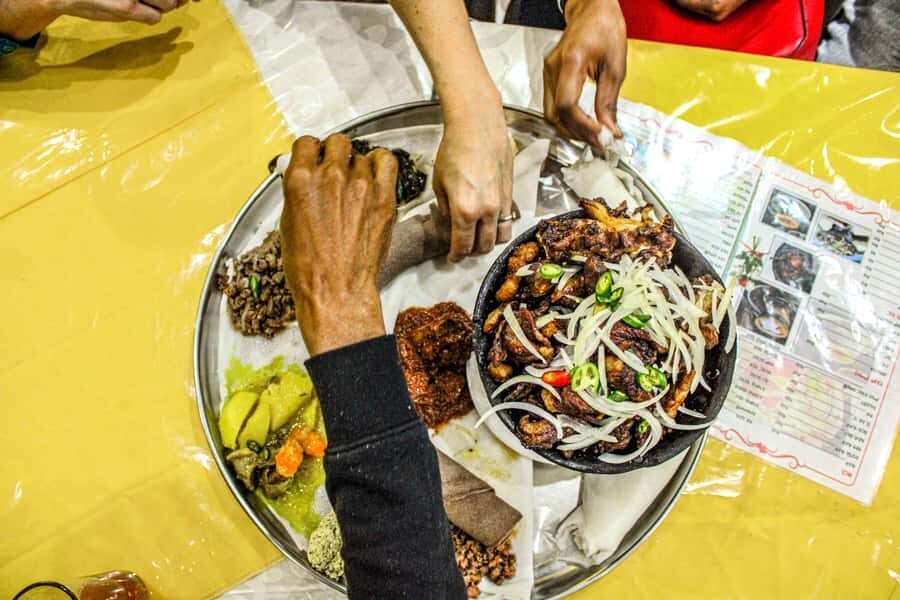
This tour’s biggest strength is the continent-wide range. Seeing dishes from Zimbabwean, Congolese, and Cameroonian food alongside Nigerian and Ghanaian options turns Johannesburg into a tasting map, not just a stop on your itinerary.
That matters because African cuisine isn’t one thing. It changes by region—ingredients, cooking styles, textures, and how meals are built. With several tasting blocks, you can notice those differences rather than treating it all as a blur.
House of Tandoor and Bertrand Cafe: where the tour’s mood shifts
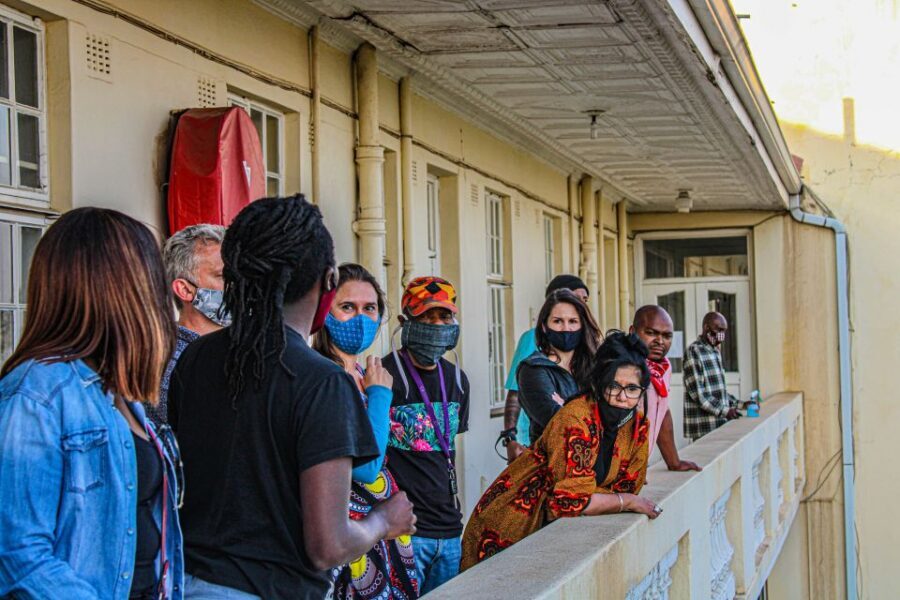
The tour highlights include stopping for drinks and music at House of Tandoor or Bertrand Cafe. Even though the tour info says alcoholic beverages aren’t included, the atmosphere is part of the point: these are places where you can slow down, listen, and settle after walking and eating.
Bertrand Cafe is also described in reviews as artsy and trendy at the same time—exactly the kind of stop that makes a neighborhood tour feel lived in rather than scripted.
If music and local hangout energy matter to you, build your day around the idea that you’ll get more than bites. You’ll get the soundtrack.
Drinks and beer add-ons: plan your budget for what you like
The tour includes water, which is smart, because you’ll be drinking between tasting stops. For alcohol, the activity notes that alcoholic beverages aren’t included.
That said, the experience says you can add African beer tasting with your booking. If you enjoy pairing a meal with a local drink, this is where it could make the tour feel even more complete—just remember it’s an add-on, so factor it into your total spend.
Price and logistics: does $77 feel worth it?
At $77 per person for 3 hours, this isn’t a cheap snack tour. You’re paying for more than walking: pickup and drop-off, guide time, water, and multiple tasting blocks with multiple dishes each.
The value question comes down to your goal:
- If you want one good meal, you might do fine on your own.
- If you want a guided, neighborhood-based tasting menu across multiple countries, this price starts to make sense fast.
Also, the convenience helps. Pickup and return drop-offs reduce decision fatigue, especially if you’re staying in or near Sandton. One detail worth noting: the drop-off is listed as Sandton, 296 Fox St, which gives you a clear end point.
Safety and comfort: what to expect from the guide’s style
Several reviews underline the guide-led feel: people mention safety awareness and guides who know many of the people around them. That’s not something you can copy from a map.
There’s also a pattern of guides being funny and inclusive—like Rambo making people laugh and Nkosi being engaging. When a guide is confident, you relax into the experience, and you pay attention to what you’re actually tasting.
One note from the experience info: the tour is described as not suitable for wheelchair users and people with mobility impairments. Even if you’re not using a wheelchair, if your walking tolerance is limited, this is worth considering.
Who should book this food walk (and who might skip it)
This is a great fit if you want:
- a guided introduction to Johannesburg neighborhoods
- multiple African cuisines in a single afternoon
- street art and culture paired with eating, not separated from it
I’d be more cautious if:
- you hate walking between stops
- you’re extremely time-sensitive (timing can feel a bit tighter for some people)
- you’re worried about group dynamics (one solo traveler felt it didn’t suit them well; I’d still say you can have a good time, but check your departure group size if you’re concerned)
If you’re arriving for the first night or first full evening, this tour is also a smart orientation. It helps you understand what kind of Johannesburg you’re dealing with before you choose your own restaurant.
Should you book the Johannesburg local food tasting guided walking tour?
I’d book it if you want a neighborhood-first food experience that doesn’t stop at one cuisine. The mix of Yeoville or Maboneng, the repeated tasting blocks with at least 4 dishes each, and the chance to experience places like House of Tandoor or Bertrand Cafe make this feel like more than just eating.
Skip it if walking is a major issue for you, or if you prefer a single sit-down meal with zero movement. And if you have dietary restrictions, message the operator early so the guide can plan tasting stops that work for you.
If you come prepared—comfortable shoes, an open mind, and a stomach ready for multiple dishes—this is one of the more efficient ways to taste Johannesburg’s African culinary range in a short window.
FAQ
How long is the Johannesburg local food tasting guided walking tour?
The tour is listed as 3 hours.
Where does pickup and drop-off happen?
Pickup and drop-off are included. The drop-off is listed as Sandton, 296 Fox St, and pickup is available if you share your hotel or Airbnb address (especially if you are not in the Sandton area).
Do I visit Yeoville or Maboneng?
It depends on the selected option. Yeoville is listed for 3pm, and Maboneng is listed for 12pm and 5pm.
What food is included?
The experience includes food tastings that cover multiple African cuisines, including South African, Ghanaian, Nigerian, Cameroonian, Zimbabwean, and Congolese. Each food tasting includes at least 4 dishes.
Are alcoholic beverages included?
No. Alcoholic beverages aren’t included, but an African beer tasting can be added with your booking.
What language is the guide?
The tour offers live guidance in English and French.
Is the tour wheelchair friendly?
The info includes wheelchair accessibility, but it also states it is not suitable for wheelchair users and people with mobility impairments. If you have mobility concerns, confirm with the provider before booking since this is a walking-focused experience.