REVIEW · JOHANNESBURG
Johannesburg: Full-Day Tour with Soweto and Apartheid Museum
Book on GetYourGuide →Operated by Kilimanjaro travel and tour SA · Bookable on GetYourGuide
History hits hard in Johannesburg. This full-day tour strings together Constitution Hill and the Apartheid Museum with Soweto landmarks so the story makes sense, not just facts on a wall. You get a guided, start-to-finish flow that helps you read the city’s past in the same day you see its present.
I really like the way the schedule gives you real time where it counts: guided stops at Constitution Hill, Mandela House, and the Hector Pieterson Memorial, plus a proper block at the Apartheid Museum. It is the kind of pacing that prevents the usual museum fatigue where everything starts to blur.
One consideration: it is a long, emotionally intense 10-hour day (ending around 17H00). If you want a light sightseeing day, this one may feel like too much too fast.
In This Review
- Key points to know before you go
- A day that starts at Constitution Hill and sets the tone
- Old Johannesburg CBD: quick photo stops that still matter
- The Apartheid Museum: where the story gets grounded
- Lunch in Soweto: plan for food costs and a slower rhythm
- Soweto Towers and the Mandela and Tutu landmarks
- Mandela House: a focused visit you will remember
- Hector Pieterson Memorial and June 16, 1976
- How the timing and comfort work on a 10-hour day
- Price and value: what $104 buys you in real terms
- Who this tour suits best (and who should skip it)
- Should you book this Johannesburg Soweto and Apartheid Museum tour?
- FAQ
- How long is the Johannesburg full-day tour with Soweto and the Apartheid Museum?
- Is hotel pickup and drop-off included?
- What does the tour price include?
- Is lunch included?
- What languages are the guides available in?
- Are alcohol and drugs allowed on the tour?
- What is the cancellation policy?
Key points to know before you go
- Hotel pickup + drop-off means you do not waste your morning finding meeting points
- Constitution Hill links old prisons to today’s Human Rights Day setting
- Apartheid Museum is the core lesson, with time built in to process what you see
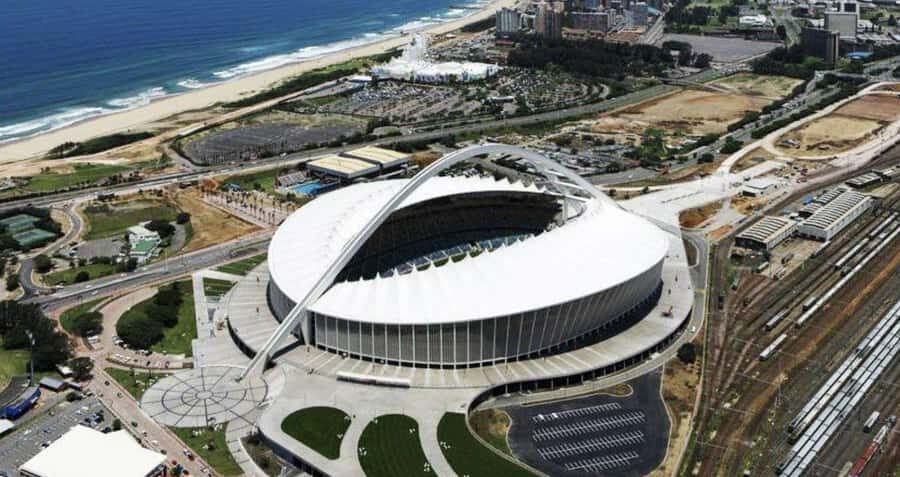
- Soweto stops include Mandela House and Tutu House area passes, plus photo breaks like Soweto Towers and FNB Stadium
- Hector Pieterson Memorial keeps June 16, 1976 at the center of the story
- Lunch costs extra, so plan for food and water
A day that starts at Constitution Hill and sets the tone
The day begins with pickup from your hotel, and you are told to be ready in the lobby about 15 minutes before the scheduled time. Then you settle into an air-conditioned vehicle and head out toward the parts of Johannesburg that explain how the country got from oppression to democracy.
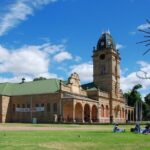
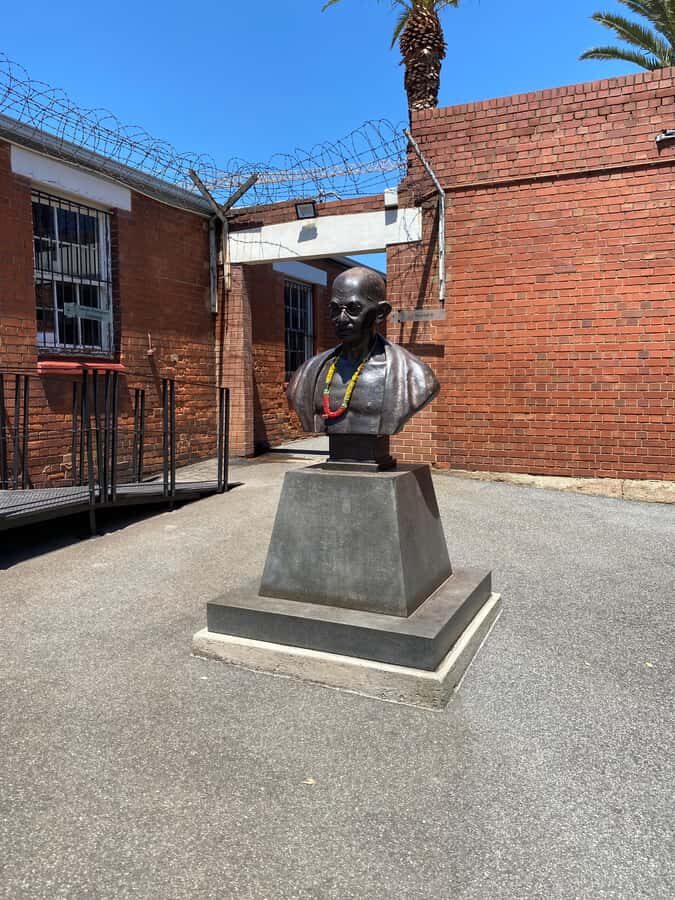
Your first major stop is Constitution Hill, specifically the Old Fort area. Built under President Paul Kruger’s rule in 1983, it later functioned as a prison complex in the early 1900s. Standing in a place with that history, you start to feel how physical walls and power structures shaped people’s lives.
You also spend time at the Constitutional Court area, inaugurated on March 21, 2004, which South Africa marks as Human Rights Day. For me, that timing matters because it turns the visit into more than a sobering lecture. It shows the contrast between incarceration and a legal system meant to protect rights.
You can also read our reviews of more museum experiences in Johannesburg

Old Johannesburg CBD: quick photo stops that still matter
Between major sites, the tour threads in short city photo stops around central Johannesburg. You pass key points like the Nelson Mandela Bridge, and you also make stops connected with Newtown and Chancellor House. There is also a quick stop at Gandhi Square.
These segments are short, but they help you build a mental map. Johannesburg can feel huge and confusing on your own, and a few guided orientation moments make the rest of the day easier to follow.
Think of these as punctuation marks. They break up the day, give you photo chances, and keep your guide’s story anchored to real locations instead of drifting into general history.
The Apartheid Museum: where the story gets grounded
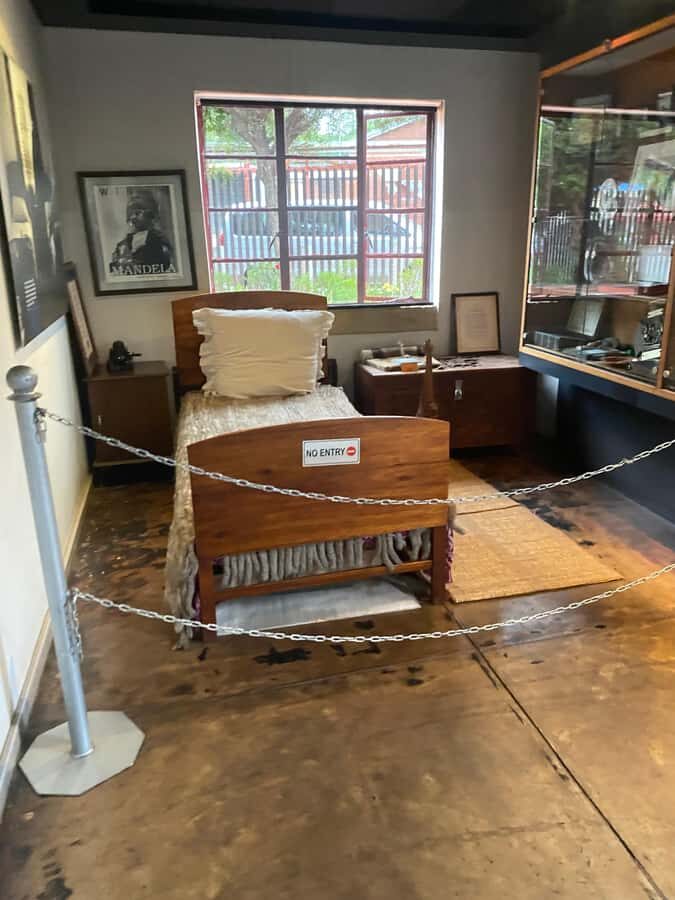
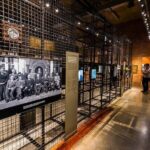
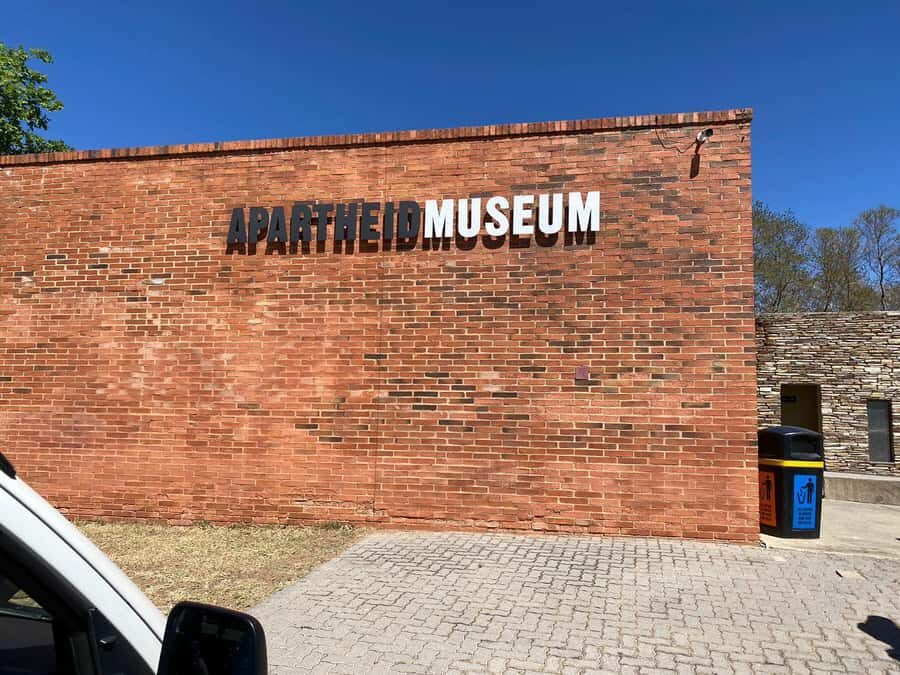
If you only had time for one big learning block, the Apartheid Museum would be the one. You get guided time plus walking time, with roughly two hours set aside to explore. That is enough time to read captions, catch the main themes, and still feel like you are moving rather than stuck.
The museum focuses on how apartheid worked and what it did to everyday life. You learn about political executions, the significance of June 16, 1976, and the arc leading to Nelson Mandela’s release from prison and his election as South Africa’s first black president.
I like that the museum does not treat history like a checklist. It connects systems of power to human consequences, then shows the shift toward healing and democracy. It can be heavy, but the structure helps you understand why later events mattered.
A practical tip: wear shoes you can stand in. Museum time adds up faster than you expect, especially when you are reading carefully.
Lunch in Soweto: plan for food costs and a slower rhythm
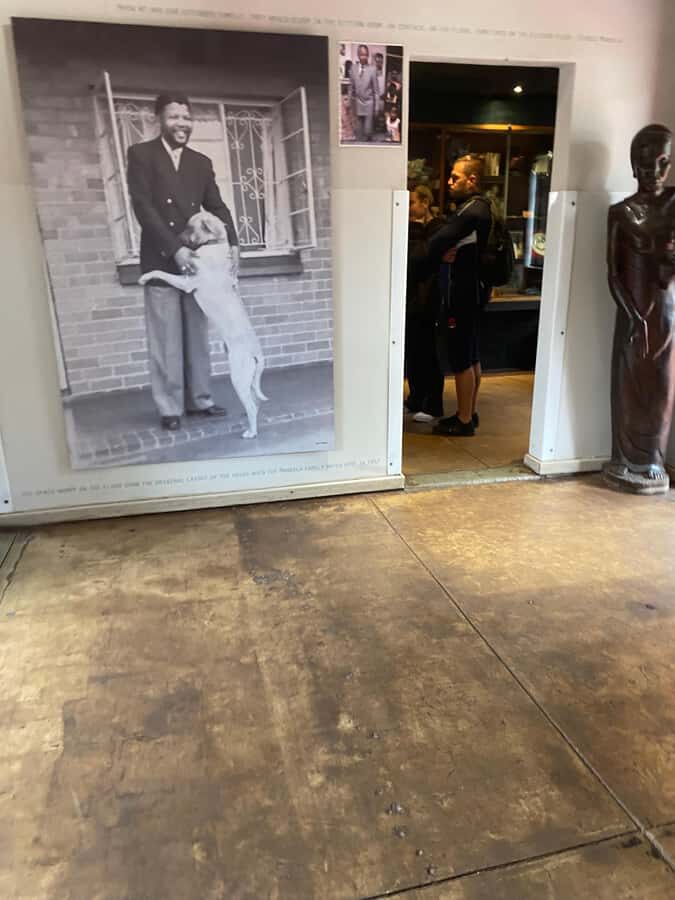
After the museum time, the tour heads toward Soweto for lunch at a local eatery. You get about an hour break, and you can sample local fare, but food and drinks are not included.
This is one of those moments where the tour’s value shows. You are not just driving through neighborhoods. You are getting a break in the middle of the day so the rest of the sites land better.
Also, if you are nervous about visiting Soweto, you will feel better when you follow your guide’s lead. Good guides set tone: where to walk, how to be respectful, and how to ask questions without getting in the way of daily life.
Soweto Towers and the Mandela and Tutu landmarks
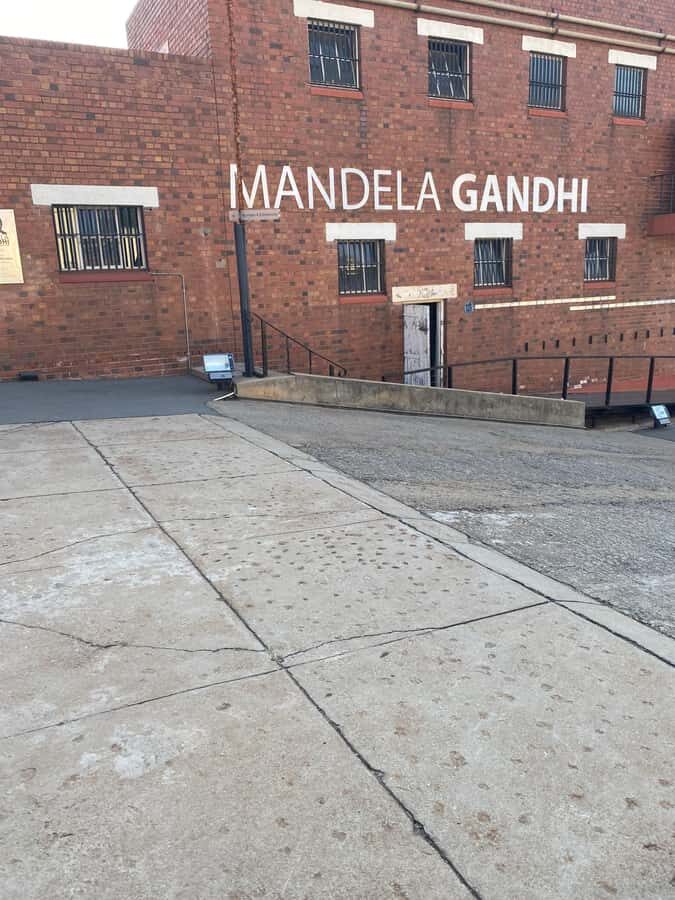
Soweto is not one single attraction. It is a place with history, family homes, churches, schools, and schools’ stories—so the tour works best as a guided route rather than a checklist.
You get a photo stop with Soweto Towers, plus a brief chance for free time. Even that short stop helps. It gives you a visual anchor for the neighborhood before you start seeing the places tied to specific people.
Then you pass by key figures’ homes and legacy sites in the area around Mandela House and Tutu House. Mandela’s house is included as an actual guided visit, while Tutu House is listed as a pass-by stop. The difference matters because it changes the level of access and time.
You also make photo stops along the way, including FNB Stadium. These quick stops may seem like filler until you realize your guide is using them to connect the past to modern Johannesburg life.
A few more Johannesburg tours and experiences worth a look






Mandela House: a focused visit you will remember
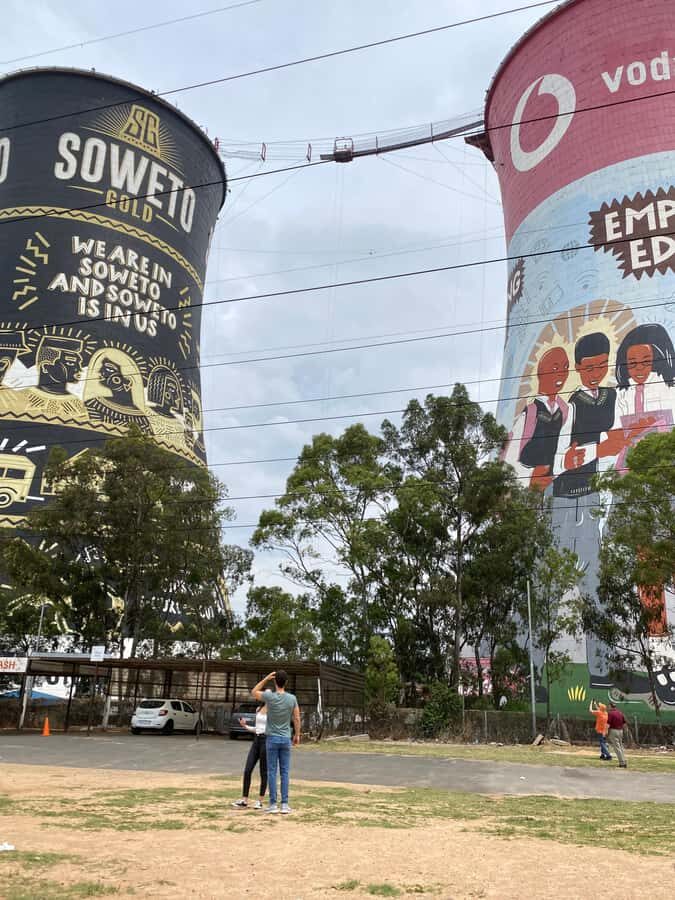
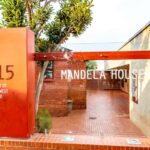
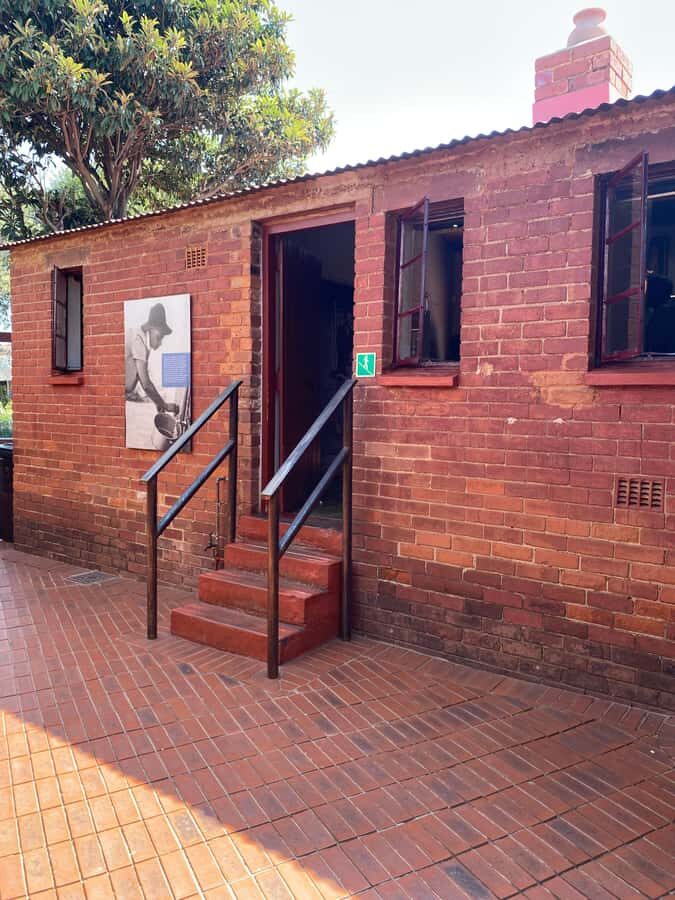
Next comes Mandela House for a guided visit. The time set aside is about 25 minutes, which is short enough to keep momentum but long enough to feel you are seeing the real point, not just passing by.
This is the home of Nelson Mandela between 1946 and 1962. Standing there with a guide helps you place Mandela’s life timeline against the country’s political timeline, not as separate stories.
It is also a reminder that history is personal. You are not only learning about apartheid policy. You are learning about the choices and consequences that shaped one man’s path inside a society that tried to control his future.
Hector Pieterson Memorial and June 16, 1976
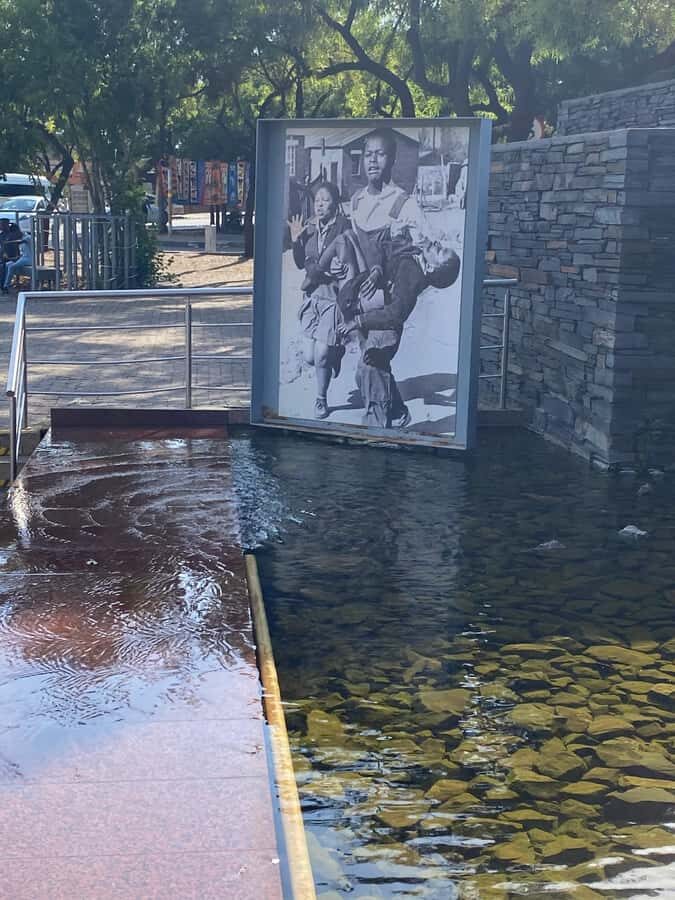
To complete the Soweto half of the story, you visit the Hector Pieterson Memorial. It is specifically dedicated to preserving the memory of the 1976 Soweto uprisings.
The memorial adds emotional weight to what you already learned earlier. When June 16 is covered in the context of children and youth confronting brutality, the topic stops being abstract. It becomes a human turning point.
You get guided time here, around 20 minutes. It is not meant to be a quick photo op. It is meant to land the message and help you remember why people protested, why the response was violent, and why the world later paid attention.
How the timing and comfort work on a 10-hour day
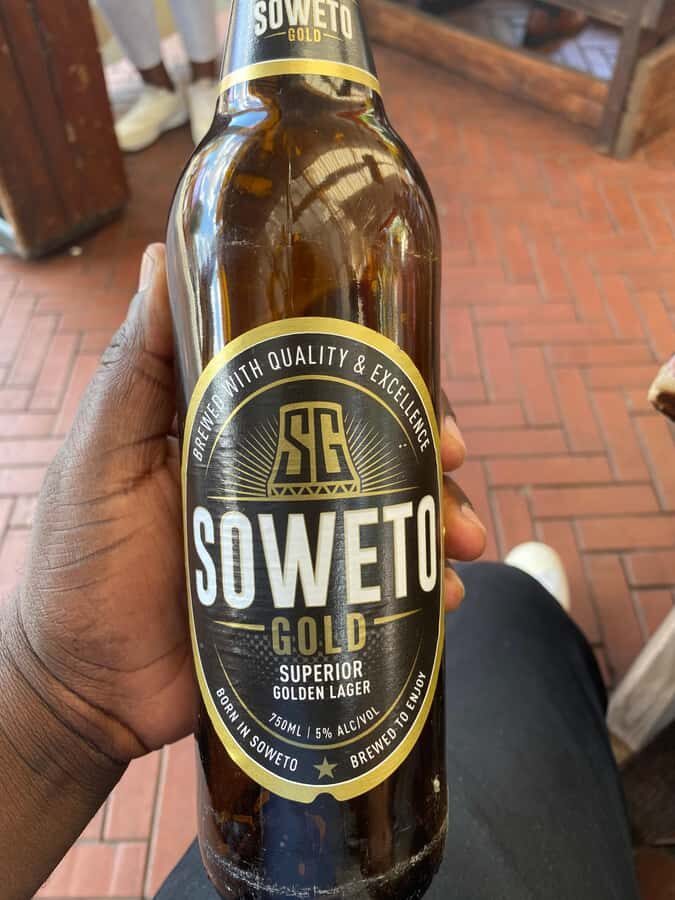
This is a real full day. You start in the morning with pickup and you finish with hotel drop-off around 17H00.
The tour uses a mix of walking, guided viewing, and drive-by photo breaks. That matters because Johannesburg traffic and distances can eat up time fast if you self-plan. Here, the guide stitches it together so you do not spend half the day figuring out logistics.
Comfort is handled with an air-conditioned vehicle, which is a big deal in South Africa’s climate. Bring layers, even if it is warm when you leave your hotel. AC can swing from comfortable to chilly.
One more practical note: alcohol and drugs are not allowed on the tour. If you are planning your day around that, you’ll want to adjust expectations and just focus on the history.
Price and value: what $104 buys you in real terms
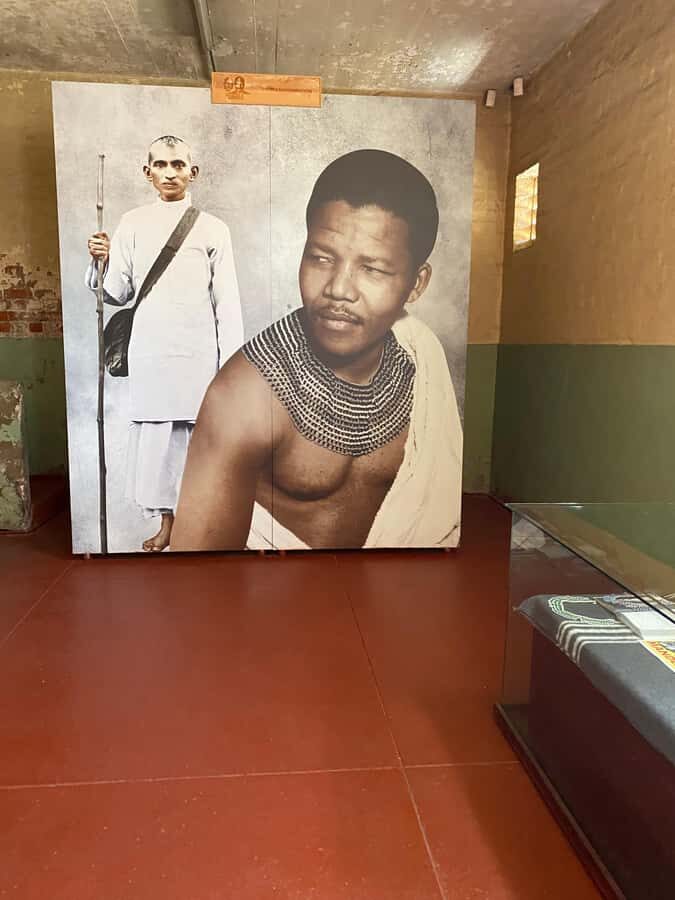
At about $104 per person, the price feels fair when you look at what is included. You get:
- hotel pickup and drop-off
- transportation in an air-conditioned vehicle
- a live guide (French or English)
- admission for the Apartheid Museum and the Hector Pieterson Memorial
- entry tickets for the activities
Food is not included, so you will spend extra on lunch, but the day covers the core paid admissions plus guided interpretation.
For this topic, guidance is the value multiplier. You could visit each site on your own, but without a guide you will miss the connections. The best part of this tour is how it helps you connect Constitution Hill, Soweto, Mandela’s story, and June 16 into one understandable timeline.
Who this tour suits best (and who should skip it)
This tour fits best if you want a guided, high-impact history day and you have only a limited amount of time in Johannesburg. It is also a strong choice if you like your sightseeing structured around big themes: rights, resistance, and how democracy took shape after apartheid.
It is not suitable for pregnant women, based on the tour’s stated restrictions. If you have mobility limits or you get tired from long walking and museum reading, you might want to consider a shorter option instead.
If you are the type who needs silence and downtime after emotional content, plan for that too. This day stacks several intense sites without a long decompression break.
Should you book this Johannesburg Soweto and Apartheid Museum tour?
If your goal is to understand South Africa’s recent past in one well-managed day, I think this is a strong booking. The combination of Constitution Hill, the Apartheid Museum, Mandela House, and the Hector Pieterson Memorial gives you both the systems and the people behind the story.
Book it if you value guided context, want hotel convenience, and can handle a long day that is emotionally serious. Skip it if you are craving a casual, light sightseeing schedule or you know you will struggle with concentrated history and museum time.
If you do book, go in ready to learn and ready to pause when something hits hard. This is the kind of day that sticks.
FAQ
How long is the Johannesburg full-day tour with Soweto and the Apartheid Museum?
The tour lasts 10 hours and ends with drop-off around 17H00.
Is hotel pickup and drop-off included?
Yes. You are picked up directly from your hotel and dropped off at the end of the tour. You should wait in the hotel lobby about 15 minutes before the scheduled pickup time.
What does the tour price include?
It includes hotel pickup/drop-off, transport in an air-conditioned vehicle, a live guide (French or English), and entry tickets for the Apartheid Museum and the Hector Pieterson Memorial, plus entry for the activities.
Is lunch included?
Lunch is not included. The tour includes a break for lunch at a Soweto eatery, and the cost is not covered in the package.
What languages are the guides available in?
The live guide is available in French and English.
Are alcohol and drugs allowed on the tour?
No. Alcohol and drugs are not allowed.
What is the cancellation policy?
You can cancel up to 24 hours in advance for a full refund, and you may also be able to reserve now and pay later to keep plans flexible.