REVIEW · JOHANNESBURG
Johannesburg and Soweto Apartheid Full Day Tour w/Lunch
Book on GetYourGuide →Operated by African Eagle Johannesburg Day Tours · Bookable on GetYourGuide
Jozi gets real fast. This full-day tour strings together Johannesburg landmarks and Soweto’s apartheid story, with stops that make the past feel close and human. I especially like Constitution Hill for turning prison walls into a clear lesson about democracy, and I like the lunch at a local shebeen for getting you out of the tourist bubble. One thing to plan around: the Apartheid Museum is only open Wednesday through Sunday, so your route may adjust on other days.
A big reason this tour works is the guide. People have praised guides by name, including Vincent, Pascal, James, Lauren, Ruth, Christian, and even Nomonde (a female guide for solo women), and that shows up in how smoothly the day flows: drivers handle the roads, and guides put names and dates onto the sights. You also get a practical mix of seeing major landmarks (Hillbrow Tower, Ponte City, Mandela Bridge) and standing at major memorials like Hector Pieterson, without turning the day into an all-day walking contest.
In This Review
- Key Highlights to Look For
- Why Johannesburg and Soweto Make Sense in One 8-Hour Block
- Price and Value: What $93 Buys You in Jozi
- Timing and Hotel Pickup: How the Day Starts (and Why That’s Important)
- Johannesburg Landmark Circuit: Hillbrow, Ponte City, and the Mandela Bridge
- Constitution Hill: Prison Grounds to Democracy Museum
- Apartheid Museum Planning: Get Time for the Exhibits
- Soweto in Focus: Vilakazi Street, Hector Pieterson Memorial, and the Guide Thread
- Mandela-Linked House Views: Why Those Stops Matter
- Lunch at a Shebeen: Real Food Beats Museum Snacks
- Comfort, Safety, and the Real Test: Can You Handle This Day
- Who Should Book This Tour (and Who Might Want Something Else)
- Should You Book African Eagle’s Johannesburg and Soweto Apartheid Full Day Tour?
- FAQ
- What’s the duration of the tour?
- Is pickup and drop-off included?
- Which stops are included in the day?
- Is the Apartheid Museum open every day?
- What language is the tour guide?
- What meal is included?
- Can children join?
Key Highlights to Look For
- Constitution Hill’s prison-to-democracy story, with real context and museum time planned into the day
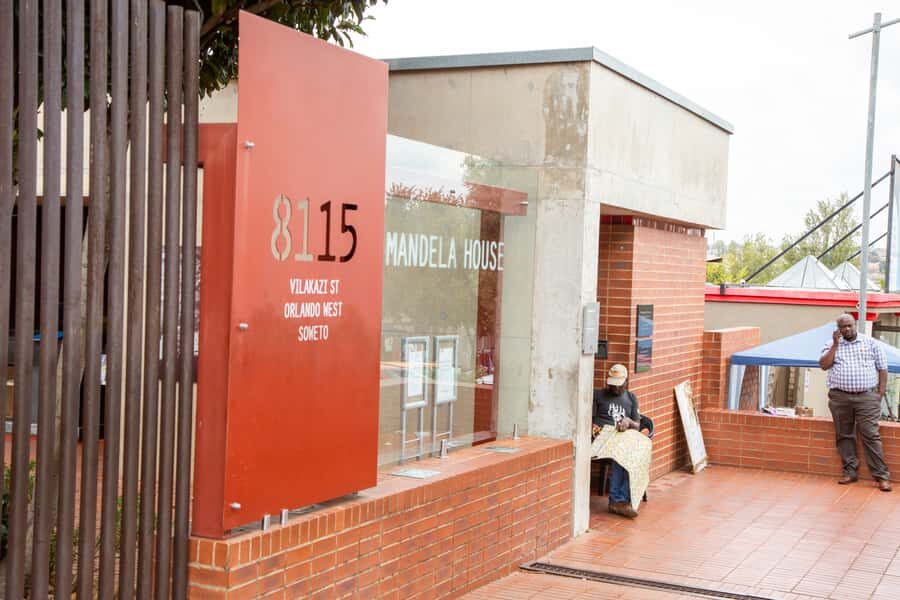
- Soweto’s major memorial stops, including Hector Pieterson Memorial and views tied to Nelson Mandela
- Johannesburg skyline landmarks from the bus, like Hillbrow Tower, Ponte City, and the Carlton Centre area
- Vilakazi Street + Soweto viewpoints, including cooling towers, Baragwanath Hospital, and an informal settlement view
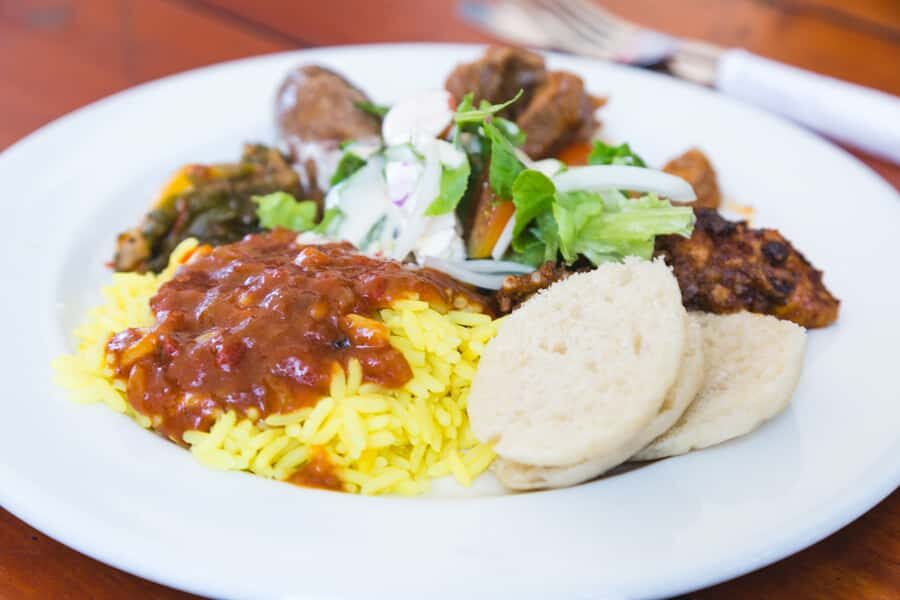
- Lunch at a local shebeen, an easy way to taste everyday local life
- Guide-led learning in English, French, or Portuguese, with several named guides praised for storytelling
Why Johannesburg and Soweto Make Sense in One 8-Hour Block
Johannesburg can feel like a jumble at first: big roads, tall buildings, and constant motion. This tour gives it a thread. You start in the city’s center and work outward into Soweto, so you can connect today’s skyline and neighborhoods with the apartheid-era decisions that shaped them.
Soweto, meanwhile, isn’t treated like a generic photo stop. You’re guided through places tied to student uprisings and policing during apartheid, and you also get views that help you understand scale—what’s close, what’s distant, and what changed after 1994.
The day is intense, but it’s not chaotic. It’s built around set stops, with enough time at key sites to actually take things in. And the transport is practical: pickup is included, and the vehicle is air-conditioned, which matters when you’re out for a full day.
A few more Johannesburg tours and experiences worth a look



Price and Value: What $93 Buys You in Jozi
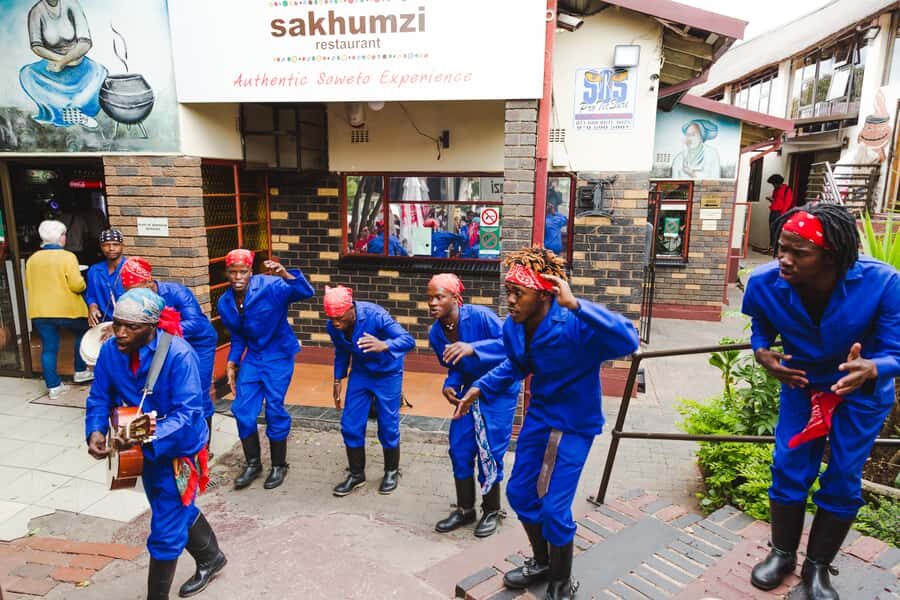
At $93 per person for an 8-hour day, the headline value is what’s bundled in: hotel pickup and drop-off, a driver/guide, entrance to the Apartheid Museum, bottled water, WiFi, a map, and lunch at a shebeen.
That matters because the expensive part isn’t just the museum ticket—it’s the coordination. Johannesburg and Soweto aren’t laid out for an easy self-guided loop in a single day, and apartheid sites benefit from someone explaining what you’re seeing so you don’t miss the point.
Two quick reality checks:
- Lunch is listed as included, but one guest noted meal costs in Rand. To avoid surprises, I’d confirm what the included lunch covers at the time you book.
- Museum days matter. Since the Apartheid Museum is open Wednesday through Sunday, your value may shift on other days (for example, guides may add more focus at Constitution Hill if the Apartheid Museum is closed).
Still, for a first-timer who wants major apartheid-era stops plus city landmarks, this price looks fair for the amount of ground covered and the included museum time.
Timing and Hotel Pickup: How the Day Starts (and Why That’s Important)
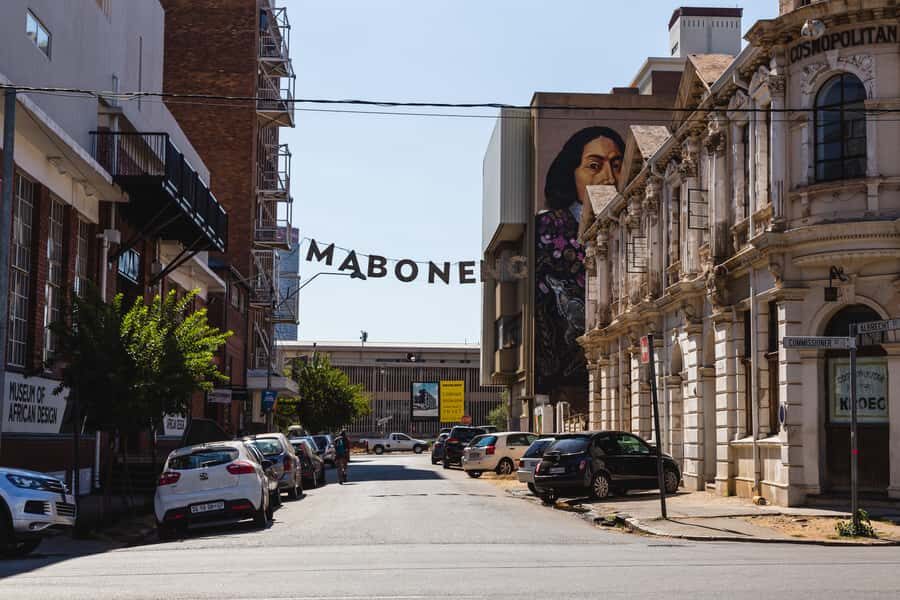
Pickup happens between 8am and 9am, with some pickups taking up to about an hour depending on where your hotel is. Plan for an early start, especially if you’re staying outside central Johannesburg or in a hotel area that requires longer pickup routing.
The reason I like how this is set up is simple: with an 8-hour window, you don’t want to burn time figuring out transit between neighborhoods. The tour handles the “getting there” so you can focus on what the guide is pointing out.
What you should do the night before:
- Wear walking shoes, since you’ll spend time inside museums and memorial spaces.
- Keep your day bag light. You’ll be in and out of vehicles and walking sections, even if the stops are mostly not deep hikes.
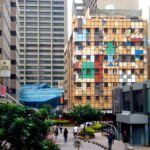
Johannesburg Landmark Circuit: Hillbrow, Ponte City, and the Mandela Bridge
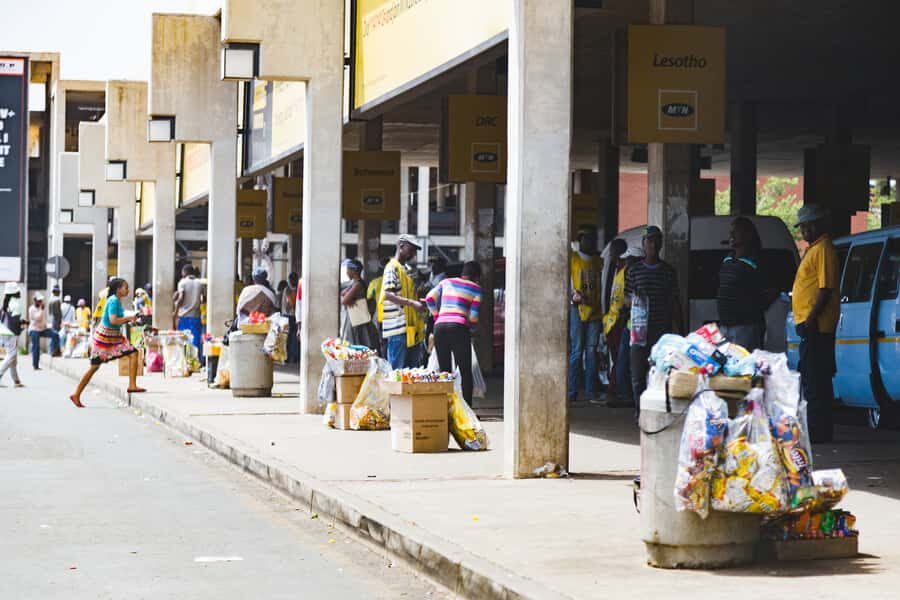
The city portion of the tour is designed to give you bearings fast. From the vehicle, you’ll pass major structures including:
- Hillbrow Tower
- Ponte City
- Sentech and Carlton Centre Towers
- Nelson Mandela Bridge
These aren’t random buildings. Your guide ties them into the bigger story: Johannesburg’s growth, how the city evolved, and how major developments relate to the era that came before democracy.
If you love urban design, skyline views, or just want a quick map of where things are, this section is a win. You get to see the vertical side of Jozi without turning the day into a photo scavenger hunt.
One small drawback: since these are mostly pass-by viewpoints, don’t expect long stops for photos at every skyline spot. The tradeoff is that you spend your deeper time where it counts—museums and memorials.
Constitution Hill: Prison Grounds to Democracy Museum
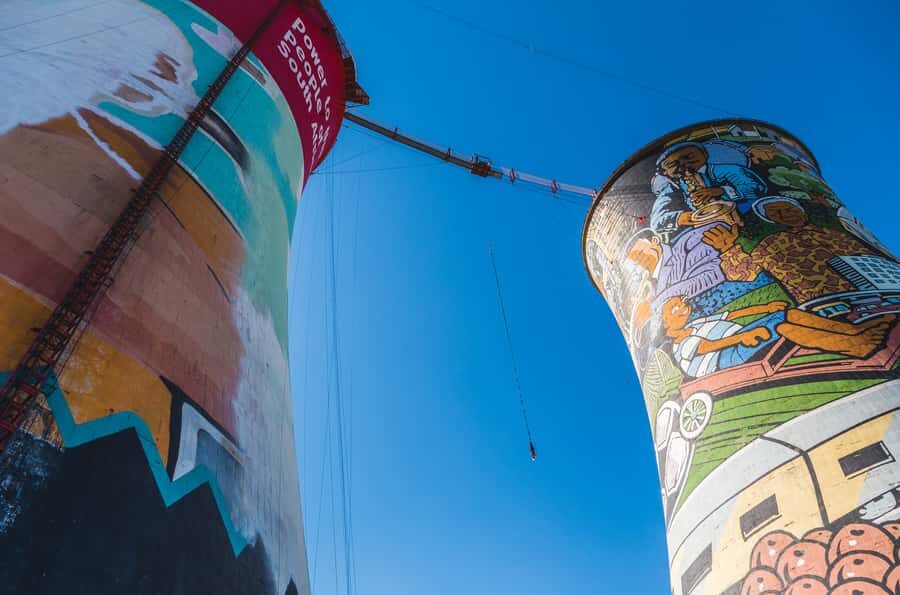
This is one of the most meaningful stops on the day. You’ll visit Constitution Hill, which includes history tied to imprisonment and the transition toward democracy.
What I like here is the framing. The tour doesn’t just point at a building and move on. The guide explains why this place matters in South Africa’s political shift, and that makes the rest of your day click into place.
Also, be aware of day-by-day scheduling. The Apartheid Museum is not open every day of the week, and one guide substitution was described by a guest: when the Apartheid Museum was closed, the plan added more focus at Constitution Hill, including elements like prison and court-style touring. In other words, you’re not automatically stuck with less learning if the museum is unavailable.
If you’re trying to choose between “more buildings” and “meaning,” Constitution Hill is where the tour earns your attention.
A few more Johannesburg tours and experiences worth a look





Apartheid Museum Planning: Get Time for the Exhibits

The Apartheid Museum is listed as an included entrance, and that usually means it’s a major anchor for the day. But here’s the practical truth: many guests feel the time can be tight, especially if you want to read labels slowly or watch everything.
One review mentioned needing about 2 to 2.5 hours for the museum to take it all in. With an 8-hour full day, you may need to choose your pace:
- If you’re a fast reader and like key themes, you’ll do fine.
- If you want the full experience without rushing, go in with a plan: focus on the sections that connect best with what you just learned at Constitution Hill and the Soweto stops coming next.
The best advice is to ask your guide how they recommend handling the museum time. Guides who do this regularly can help you prioritize without skipping the point of the exhibits.
Soweto in Focus: Vilakazi Street, Hector Pieterson Memorial, and the Guide Thread

After leaving central Johannesburg, you head into Soweto. This is where the tour stops being “city sightseeing” and starts becoming “South Africa in real time.”
Key Soweto-related stops and viewpoints include:
- Vilakazi Street
- Hector Pieterson Memorial
- Views connected to Nelson Mandela’s house
- Views of Desmond Tutu’s house and Winnie Mandela’s house
- A view of an informal settlement
- Views of the Soweto cooling towers
- A view of Baragwanath Hospital
Hector Pieterson Memorial is the moment where the student uprising story becomes tangible. The guide’s job is to connect the memorial to the broader apartheid system—who was targeted, why, and how resistance shaped the path forward.
What I appreciate is the balance between memorial depth and everyday place-making. The viewpoint stops help you understand geography and scale in a way that photos alone can’t. You get a sense of what the area looks like, not just what it represents.
Mandela-Linked House Views: Why Those Stops Matter
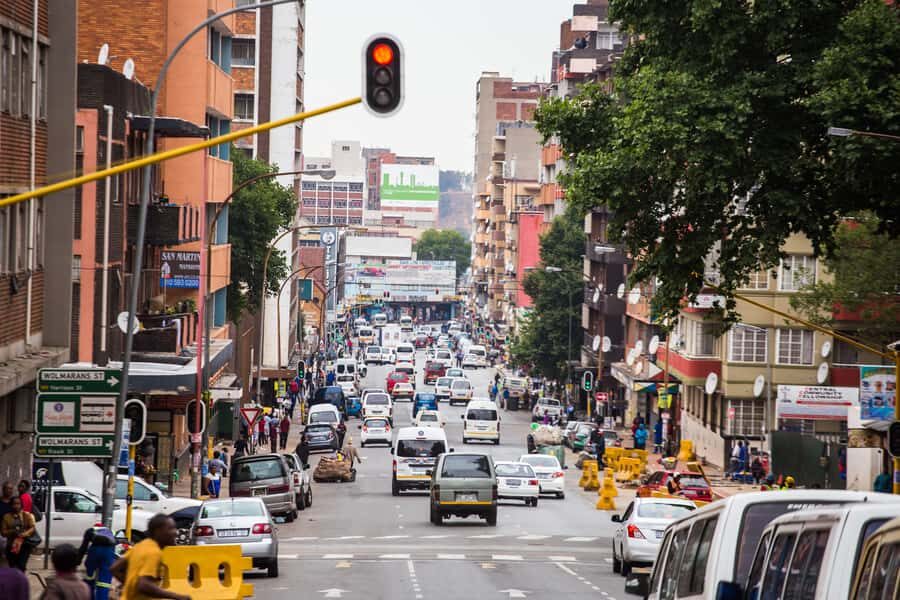
You’ll get views tied to major figures, including Nelson Mandela and also Desmond Tutu and Winnie Mandela (listed as views). These aren’t treated as celebrity checklists. With a good guide, they become part of a larger explanation: how leadership, activism, and faith shaped the end of apartheid and the building of a new South Africa.
Several named guides were praised for answering questions and tailoring their stories to what people cared about—so if you’re curious about political strategy, street-level life, or the personal side of the transition, you’ll likely be able to steer the conversation.
Important note: because these are listed as views, don’t expect a long guided walk through every home. The learning comes from how your guide frames the significance of the location and what it represents.
Lunch at a Shebeen: Real Food Beats Museum Snacks
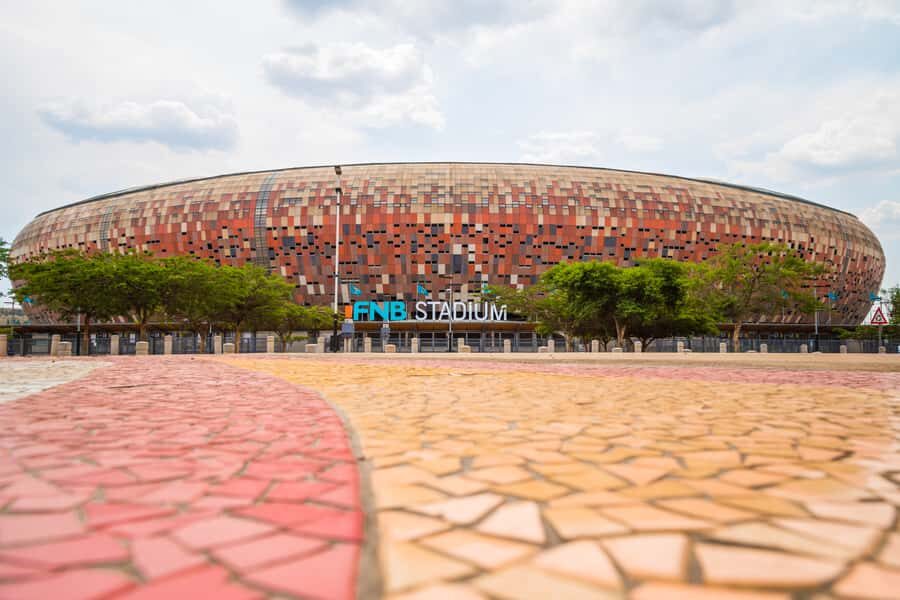
Lunch is included at a local shebeen. This is one of the best-value parts of the day because it gives you a break that still feels local. A shebeen lunch is an easy way to reset—then you’re ready to take in the next emotionally heavy stop.
If you’re traveling with dietary needs, keep it practical: eat what’s offered and ask about ingredients if needed. The tour provides a comfort rhythm: museum, vehicle ride, then lunch, then more stops with memorial significance.
Also, don’t underestimate how much lunch helps you process the day. Apartheid sites are heavy. Having a normal meal breaks the heaviness and makes the learning stick.
Comfort, Safety, and the Real Test: Can You Handle This Day
This isn’t a light day. It’s long, structured, and emotionally serious. Still, many people reported feeling safe throughout the day, including during city-to-township travel, and they praised guides for answering questions and keeping things moving at a pace that fit their group.
A few practical tips:
- Bring water. Bottled water is included, but you’ll be happier sipping regularly.
- Keep your camera ready for landmarks and viewpoints, not for long museum moments where you may want to focus on reading and listening.
- Wear something comfortable for sitting in an air-conditioned vehicle and then standing/walking inside memorial and museum spaces.
If you prefer a slow, reading-heavy itinerary with lots of time in each exhibit, this tour might feel packed. But if you’re trying to get a strong overview in one day, it hits the right targets.
Who Should Book This Tour (and Who Might Want Something Else)
This tour is a great match if you:
- Have limited time in Johannesburg and want major apartheid-era sites plus city landmarks
- Prefer a guide to provide context instead of self-guiding the emotional heavy stuff
- Want a mix of museum learning and Soweto place understanding (cooling towers, hospital, memorial)
You might consider a different option if you:
- Want very deep time inside one museum without hard time pressure
- Are sensitive to emotionally intense material and prefer fewer stops
- Want lots of walking in Soweto areas. This tour is built around viewpoints and key sites, not long on-foot neighborhood treks.
Solo travelers often like the guide factor here. One guest specifically called out getting a female guide (Nomonde), and multiple guests praised guides for being attentive and personable.
Should You Book African Eagle’s Johannesburg and Soweto Apartheid Full Day Tour?
Yes, I’d book it if your goal is clear: understand apartheid through a guided, organized day that connects Johannesburg landmarks to Soweto memorials and democracy-making sites.
It’s strong value for first-timers because it bundles pickup, major museum access, lunch, and a guided narrative that ties the stops together. The high rating (4.9 from 219 reviews) also lines up with the consistent praise for named guides like Vincent, Pascal, James, Lauren, Ruth, and Christian—people credited the day’s clarity and pacing to the guide.
Just do two things before you commit:
- Check which day you’re going. The Apartheid Museum is open Wednesday through Sunday, and on other days your schedule may shift toward Constitution Hill.
- Decide your museum pace. If you want to read slowly, plan to focus on the themes your guide recommends.
If you want one day that gives you real understanding and a map of where everything sits—this is a smart way to spend it.
FAQ
What’s the duration of the tour?
The tour runs for 8 hours.
Is pickup and drop-off included?
Yes. Pickup and drop-off from your Johannesburg (or surrounding area) hotel are included. Pickup can take up to about one hour based on your hotel location.
Which stops are included in the day?
The day includes Johannesburg landmarks, Constitution Hill, Apartheid Museum entrance, Soweto stops including Vilakazi Street, Hector Pieterson Memorial, and viewpoints of Nelson Mandela’s house, Desmond Tutu’s house, and Winnie Mandela’s house, plus additional Soweto viewpoints listed in the inclusions.
Is the Apartheid Museum open every day?
No. The Apartheid Museum is open Wednesday through Sunday.
What language is the tour guide?
Live tour guides operate in English, French, and Portuguese.
What meal is included?
Lunch is included at a local shebeen.
Can children join?
Unaccompanied minors are not allowed, and children must be accompanied by an adult. Adult pricing applies to all travelers.