REVIEW · JOHANNESBURG
Full Day Pilanesberg Experience in Open Vehicle
Book on Viator →Operated by MoAfrika Tours · Bookable on Viator
Two safaris in one day. That’s the appeal of Pilanesberg Nature Reserve when you’ve got limited time. You start early with an open-vehicle 4×4 and you finish with a second drive later, guided by people like Petrus, Chris, Simbo, and Sonny who know how to explain what you’re actually looking at.
I like that the day is built for spotting wildlife first, then refueling with lunch included. The one drawback to plan for: it’s a long day with bumpy roads inside the park, and you’re out chasing animals from early morning until early evening.
In This Review
- Key Things to Know Before You Go
- Morning Pickup From Johannesburg: What the 6:00 Start Means
- Morning Open 4×4 Safari in Pilanesberg: Where the Window Seats Matter
- Lunch at Pilanesberg Rest Camps: Included, Useful, and Not Always Fancy
- Afternoon Closed-Vehicle Drive (Departing Around 15:30–16:00): Second Chance Energy
- The Role of Your Guide: Why Petrus, Chris, and Others Change the Day
- Park Roads, Vehicle Comfort, and Photo Reality Checks
- Onboard WiFi and Small-Group Energy: Handy Extras That Matter
- Price and Value: Why $137.74 Can Make Sense for a One-Day Safari
- Who Should Book This Full Day Pilanesberg Safari
- Should You Book This Pilanesberg Experience?
- FAQ
- What time does the tour start?
- How long is the full-day experience?
- Do I get an open vehicle safari drive?
- Do I also get an afternoon safari drive?
- Is lunch included?
- Are drinks included with lunch?
- Is WiFi available during the tour?
- What’s the maximum group size?
- What if I don’t see the Big Five?
- What happens if weather is poor?
Key Things to Know Before You Go
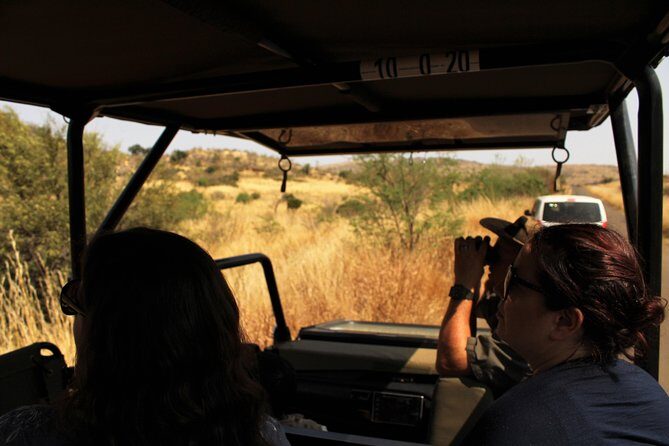
- Two safari drives in one ticket: a morning open 4×4 (about 3 hours) plus an afternoon closed-vehicle safari (about 2 hours).
- Lunch is included at the park: handy when you’re moving fast and can’t hunt for food on your own.
- Small group size: the tour caps at 10 travelers, so you’re not lost in a huge bus crowd.
- Big Five chances, not guarantees: guides will try hard, but sightings depend on where animals decide to be.
- Onboard uncapped WiFi: useful for quick uploads, maps, and keeping everyone connected.
- Park timing matters: the afternoon drive is timed to start departing around 15:30–16:00.
Morning Pickup From Johannesburg: What the 6:00 Start Means
The day kicks off at 6:00 am, with hotel pickup in the Johannesburg area around 06:00–06:30. That early start isn’t random. It buys you cooler morning light and more time inside Pilanesberg before the heat shapes animal behavior.
Also, plan for the reality of a day trip: the drive to the reserve takes time, and one report noted a comfortable but long run—about 2.5 hours each way. So while the safari is the star, your body will feel the “full day” part of the schedule.
Inside the transport, you’re not in a luxury lounge. Expect practical seating and a straightforward setup because the priority is getting you to the gate and then onto the vehicles.
A few more Johannesburg tours and experiences worth a look
Morning Open 4×4 Safari in Pilanesberg: Where the Window Seats Matter
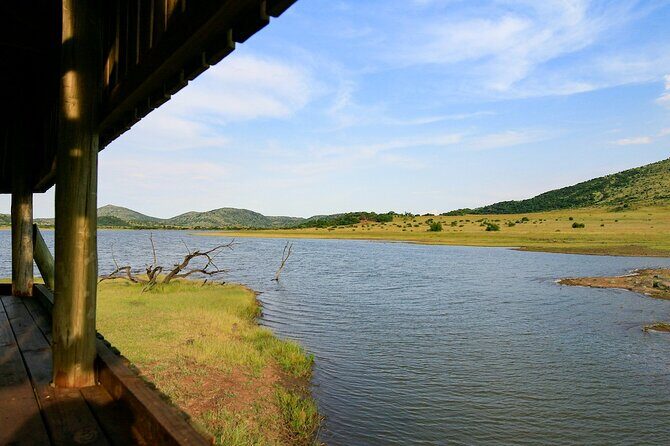
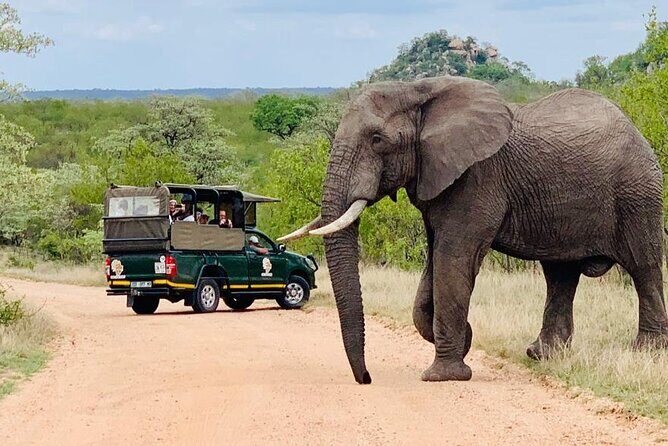
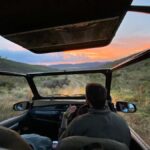
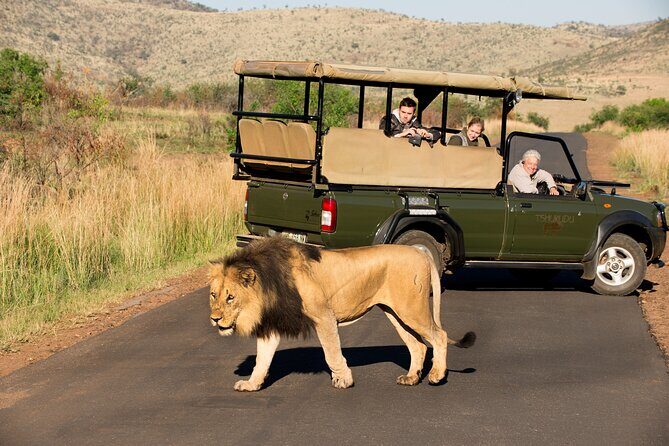
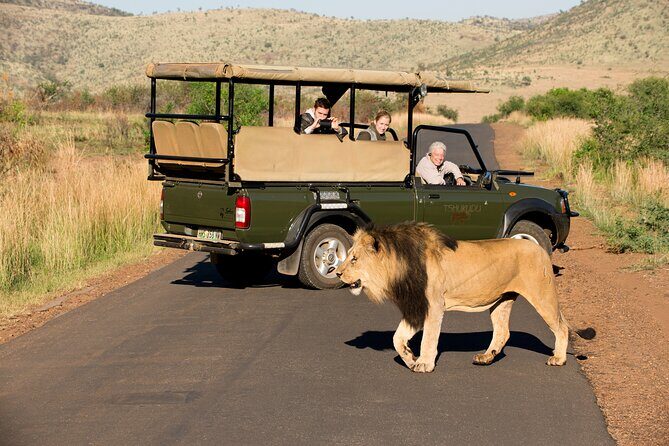
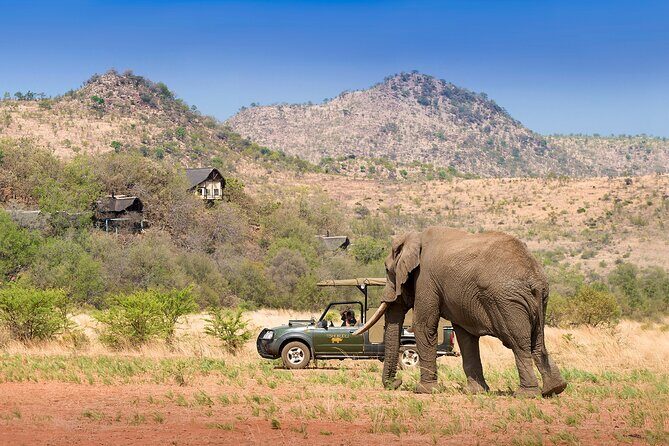
Once you arrive, your guide takes you out on an exciting morning open 4×4 safari vehicle. The drive is roughly 3 hours, which is a sweet spot: long enough to cover ground, but not so long that everyone starts moving like zombies.
The open vehicle is a big deal for two reasons. First, you get better sightlines for birds, giraffes, and animals at the edges of the bush. Second, your photos tend to come out cleaner because you’re not fighting reflections from closed windows.
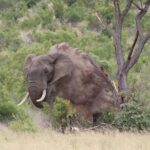
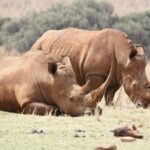
This is also where you’ll spend time chasing the Big Five. The tour runs with a clear goal—guides try their utmost to find lions, elephants, leopards, rhinos, and buffalo—but nature doesn’t run on a schedule. What you can count on is active searching and guide narration that helps you read animal signs, not just spot them by luck.
Tip: dress for early sun but also for cooler air at the start of the day. In the winter conditions mentioned in one account (dry, cool, sunny), that sharp morning start can feel pleasant—until the day warms up.
Lunch at Pilanesberg Rest Camps: Included, Useful, and Not Always Fancy
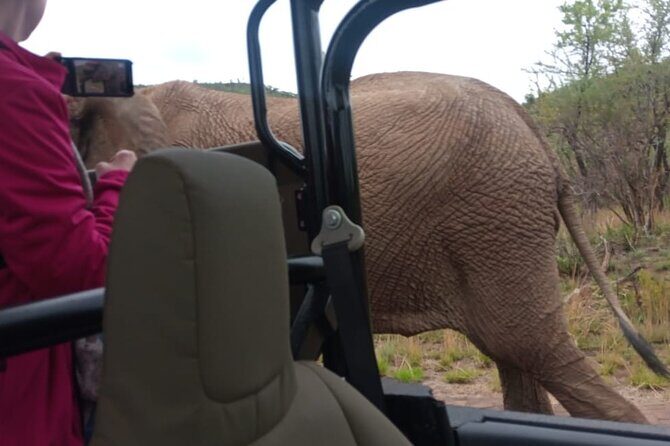
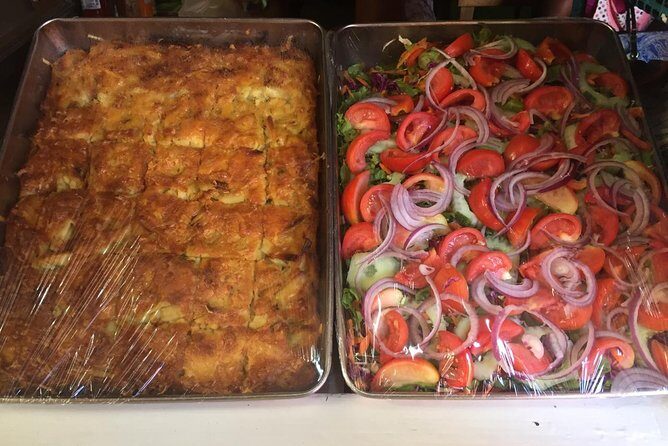
After the morning drive, you hit lunch at one of the park’s rest camps. Lunch is included, which is a real value move because it prevents that awkward midday scramble. When you’re already on a tight schedule, food planning is half the battle.
One thing to keep your expectations realistic: the restaurant experience is described as fast food style, not a gourmet pause. You’ll likely want something filling and quick so you can get back out for the afternoon drive without losing momentum.
Drinks are not included, so either plan to buy them on-site or budget for extra purchases. It’s a small detail that can change how “cheap” or “good value” the day feels at the end.
Afternoon Closed-Vehicle Drive (Departing Around 15:30–16:00): Second Chance Energy
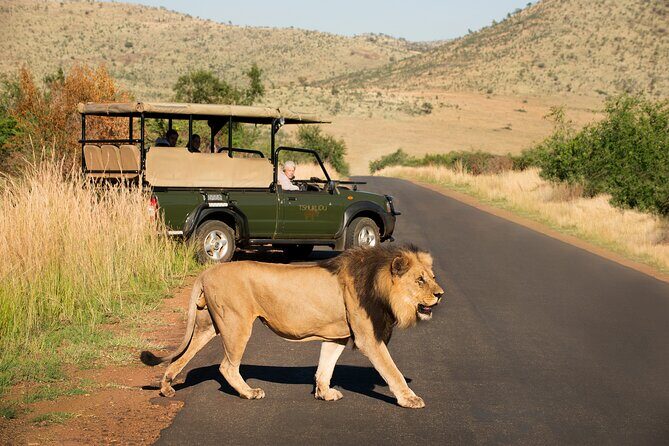
The afternoon safari shifts gears. You’ll leave the park around 15:30–16:00 and get an afternoon drive using a closed vehicle for about 2 hours.
Why does the vehicle type matter? Closed vehicles can mean a bit less airflow and a bit more protection from dust and brush. You also tend to feel the bumps less than you would in an open jeep, since the road inside the reserve can be rough.
The timing matters too. Late afternoon can bring a different set of sightings as animals move and the light changes. One report even highlighted a close leopard sighting right near the end of the safari window. That’s the kind of reminder that the second drive can be the payoff, even if the morning felt slow.
Communication between drivers and trackers can also play a role in where you end up. One account mentioned guides tracking animals using talkie-walkies, which is exactly the sort of quick coordination that can turn a good day into a memorable one.
The Role of Your Guide: Why Petrus, Chris, and Others Change the Day
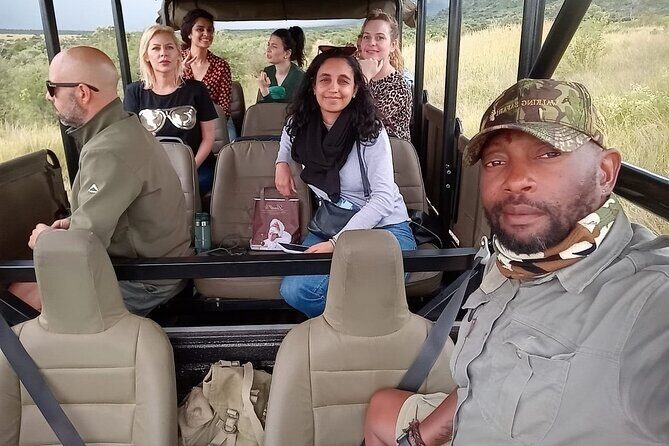
A safari isn’t just a “ride and hope” situation. Your guide is the difference between seeing animals as blobs in the distance and understanding what you’re watching.
Guides mentioned by name in accounts include Petrus, Chris, Simbo, Wisdom, Thaboo, Pedros, and Sonny. Across those experiences, the consistent theme is how the guides bring the day to life with humor and clear explanations—so you learn without sitting through a lecture.
This matters for practical reasons. If you understand animal behavior—where predators tend to wait, or how herbivores react—you can predict what to look for next. That turns you from a passive observer into an active spotter.
And yes, it also makes the long day feel shorter. Several accounts pointed out a fun, light-hearted tone from the guide, with a safe and organized pace in both the travel and the reserve.

Park Roads, Vehicle Comfort, and Photo Reality Checks
Let’s talk comfort honestly. Inside the reserve, you’ll likely feel the bumps. One account described the transportation as effective for rough roads but not “luxury seating.” That’s normal here, and it affects your comfort more than you might think.
What you can do:
- Plan for a bit of jostling. Bring a light layer in case the open-to-closed switch changes temperature.
- If you’re sensitive to motion, consider timing and water before you board.
- For photos, expect the best results when you keep your camera stable on your lap or brace against the vehicle edge.
Also, remember the open morning drive gives you better angles, but you’ll still need to handle dust and glare. The closed afternoon drive can be easier for shooting in certain light, depending on where you sit and how the sun hits the vehicle.
Onboard WiFi and Small-Group Energy: Handy Extras That Matter
This tour includes onboard uncapped WiFi, which is a surprisingly useful perk on a long day. You can keep your phone charged with light use, upload a couple of photos when signal allows, and share updates with home without waiting until you’re back in Johannesburg.
The group size is also capped at 10. That’s the difference between being able to hear your guide and feeling like your brain is bouncing between conversations. Smaller groups also tend to make it easier for vehicles to manage pick-ups and drop-offs during the day.
On a safari day, small comfort details can be the difference between “I had fun” and “I’m glad I did this now.”
Price and Value: Why $137.74 Can Make Sense for a One-Day Safari
The price is $137.74 per person, for an experience that’s built around more than one activity. You’re paying for:
- National park fees
- Lunch
- A driver/guide
- The morning open-vehicle safari drive (about 3 hours)
- The afternoon closed-vehicle safari drive (about 2 hours)
- Hotel pickup and drop-off
- Onboard uncapped WiFi
That combo is where the value lives. If you tried to DIY the same plan, you’d quickly end up paying for transport, park entry, and at least some guided expertise anyway.
The only extra that shows up clearly in the provided info is drinks. So budget a little for that, and you’ll avoid end-of-day surprises.
Bottom line: for a single-day “make it count” safari from Johannesburg, this is priced like a full day of transport and guided access—exactly what you want when you’re short on time.
Who Should Book This Full Day Pilanesberg Safari
This fits best if:
- You only have one day to do safari driving from Johannesburg.
- You want two separate safari drives to improve your chances of different sightings.
- You like the structure: morning hunting + lunch + afternoon second act.
It can also work well for solo travelers. One account specifically highlighted the value of this kind of day format for people traveling alone.
If you hate long travel days or you’re the kind of person who wants slow breakfasts and lots of rest stops, you might consider whether an overnight or 2-day option suits you better. That’s not because this tour is bad—just because time is always the tradeoff.
Most people can participate, but do keep in mind that the tour depends on minimum numbers. If the tour doesn’t meet requirements, you might be offered another date or a full refund.
Should You Book This Pilanesberg Experience?
I’d book it if your priority is getting real safari time without waiting around. The two-drive format is the strongest selling point: open-vehicle in the morning for angles and sightlines, then a closed-vehicle run later when you want a second shot at wildlife.
I’d think twice if you need a super-comfortable day. You’re trading plush comfort for time in the park, and the bumpy roads inside the reserve are part of the deal. Also, if you’re picky about restaurant food, treat lunch as practical fuel, not a highlight.
If you want one day that actually feels like a safari day—not a rushed drive-by—this is a solid choice.
FAQ
What time does the tour start?
Pickup begins around 06:00–06:30, and the start time is listed as 6:00 am.
How long is the full-day experience?
It runs for about 11 hours (approx.).
Do I get an open vehicle safari drive?
Yes. You get a morning open 4×4 safari drive for about 3 hours.
Do I also get an afternoon safari drive?
Yes. After lunch, you get an afternoon closed vehicle safari drive for about 2 hours.
Is lunch included?
Yes. Lunch is included in the tour.
Are drinks included with lunch?
No. Drinks are not included.
Is WiFi available during the tour?
Yes. The tour includes onboard uncapped WiFi.
What’s the maximum group size?
The tour has a maximum of 10 travelers.
What if I don’t see the Big Five?
The guide will try hard to find the Big Five, but sightings are not guaranteed.
What happens if weather is poor?
The experience requires good weather. If it’s canceled due to poor weather, you’ll be offered a different date or a full refund.