REVIEW · JOHANNESBURG
Johannesburg and Soweto Tour in French
Book on Viator →Operated by Uhura Travel & Tours · Bookable on Viator
Soweto clicks faster with context. A French-speaking private guide takes you past the big names of the struggle, with transport built in so you are not stuck on long walks or getting lost. You also get a tight route that covers several of the most important places in one day.
What I like most is the way the stops connect: Hector Pieterson Memorial is not just a building, it is the starting point for understanding the 1976 student uprising and how it spread. The second big win is the pairing of Constitution Hill and the Apartheid Museum, where you see systems of imprisonment and then the story of apartheid laid out with clear, physical evidence.
One thing to consider: not every site has admission included, and lunch is not part of the price. Also, one set of feedback reported a serious no-show problem—so it is smart to confirm pickup on the morning of your tour.
In This Review
- Key Things I’d Book For
- A 7–8 Hour Soweto & Johannesburg Day With French-First Guidance
- Hector Pieterson Memorial: Where the 1976 Uprising Comes Into Focus
- Mandela House on Vilakazi Street: Not a Monument, a Home
- Regina Mundi: Church as Shelter During 1976
- Walter Sisulu Square in Kliptown: Freedom Charter Context Without the Guesswork
- Cooling Towers and FNB Stadium: Fast Landmarks, Real Johannesburg Energy
- Constitution Hill Human Rights Precinct: Incarceration, Big Names, and the Scale of It
- Apartheid Museum: The Story Told Through Design and Space
- Price and Tickets: What $92.35 Really Covers
- Guides, Pacing, and Comfort: Why the Private Format Matters
- Who This Tour Fits Best
- Before You Book: The One Caution I’d Take Seriously
- Should You Book This Soweto & Johannesburg Tour?
- FAQ
- Is this a private tour?
- How long is the Johannesburg and Soweto tour?
- Is pickup included?
- Does the tour include admission tickets?
- What’s included in the price besides the guide?
- Is lunch included?
- Does the tour require good weather?
- What times does the tour operator list as opening hours?
- Can I cancel and get a refund?
- Is French language support included?
Key Things I’d Book For
- French-speaking private guide who can explain what you are seeing without you guessing
- Mandela House on Vilakazi Street with admission included and family context
- Constitution Hill + Apartheid Museum for a heavy, structured look at rights and incarceration
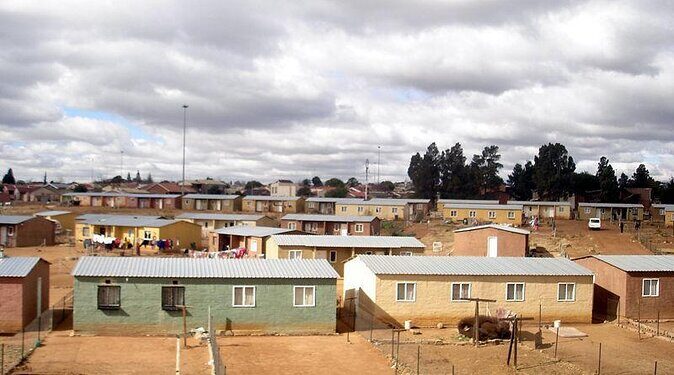
- Soweto landmarks in one route: Hector Pieterson, Regina Mundi, Walter Sisulu Square, Cooling Towers, FNB Stadium
- Private transportation so you save time and skip the stress of getting around
A 7–8 Hour Soweto & Johannesburg Day With French-First Guidance
This is a full-day style private tour, paced for seeing the major Soweto and Joburg sites without racing. It runs about 7 to 8 hours, and you get pickup offered, plus a vehicle that keeps you moving when traffic and distances would slow a self-drive plan.
The tour is designed around explanation. Instead of only taking photos at famous spots, you get a guide’s commentary that ties events, streets, and buildings to what matters. And since it is French-speaking, you can actually follow the details without translating in your head.
Value-wise, $92.35 per person is not meant to replace a museum day where you buy every ticket yourself and wander. It is more like paying for a smart routing plan, private transport, and interpretation that would take you hours to assemble on your own. If you are doing this on a time-limited visit, that convenience matters.
You can also read our reviews of more tours and experiences in Johannesburg.


Hector Pieterson Memorial: Where the 1976 Uprising Comes Into Focus
The day starts at the Hector Pieterson Memorial. This is where the 1976 student uprising in Soweto is anchored in a place you can actually stand inside. You are also looking at the museum side of it, with time set aside for reading and absorbing before moving on.
A key practical point: entry here is not included. Plan for that on your budget, and if you are sensitive to powerful historical topics, give yourself a moment before you rush into the next stops.
What I like about starting here is that it gives you a timeline your brain can hold onto. Later, when you hear about students hiding in places of worship or communities pushing back against police violence, it feels connected instead of random.
Mandela House on Vilakazi Street: Not a Monument, a Home
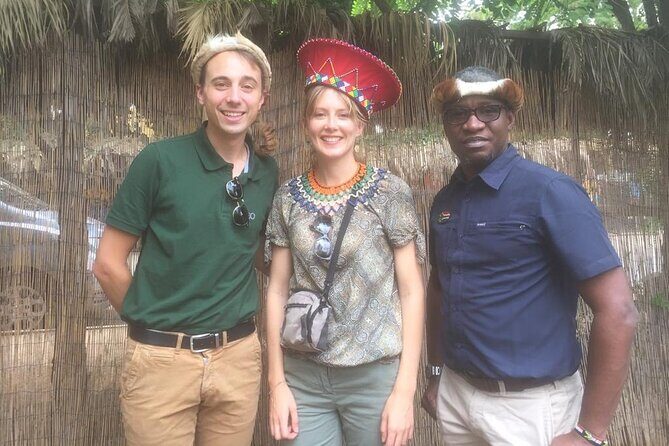
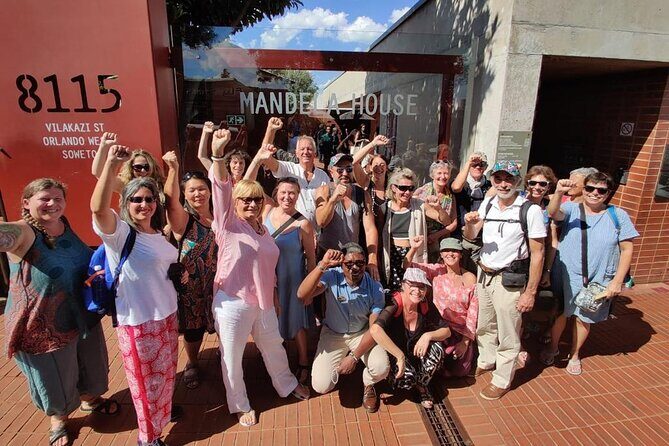
Next comes Mandela House, on Vilakazi Street, which is known for being part of Nelson Mandela’s home life. You get about 45 minutes here, and in this case the admission is included.
This stop is different from a memorial. You are meant to see the house as a lived-in space, including context around his family life—first with Evelyn and later with Winnie Mandela. If you like history that feels human instead of only symbolic, this is where that shift happens.
Quick tip: since you are getting multiple indoor stops in the day, keep your bag light. You will likely want your phone charged and ready for photos, but also space for a water bottle and any small items you do not want to juggle.
Regina Mundi: Church as Shelter During 1976
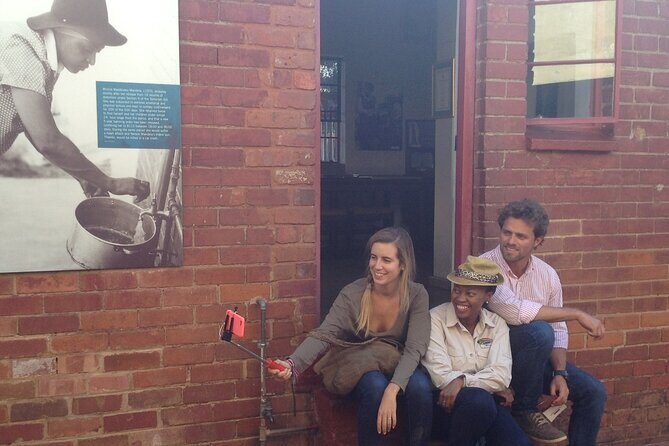
Then the tour moves to Regina Mundi, sometimes called the parliament of Soweto. It is described as the biggest Catholic church in the country, and during the 1976 student uprising, it served as a place where students could hide from police.
You get about 30 minutes, and admission is not included for this stop. So again, think of this as a guided route where some entries are built in and others are not.
Even if you are not religious, I think this stop is powerful because it shows how communities used existing safe spaces under extreme pressure. It turns a church visit into a story about survival and protection.
Walter Sisulu Square in Kliptown: Freedom Charter Context Without the Guesswork
After that, you visit Walter Sisulu Square in Kliptown, which is framed as one of the oldest multicultural areas in Johannesburg. The key historical point here is the Freedom Charter, voted in 1955.
You have about 30 minutes, and admission is not included. This is a good stop for photos and orientation because the area’s meaning is clearer when your guide explains how Kliptown fits into the larger political story.
If you are the kind of traveler who likes to connect street names to real events, this will feel satisfying. It is also a quick reset between heavier sites—short, focused, and informative.


Cooling Towers and FNB Stadium: Fast Landmarks, Real Johannesburg Energy
In the middle of the day, you get a couple of classic Johannesburg-Soweto landmarks that are more than just photo stops.
The cooling towers are a prominent landmark, built in 1951 to supply electricity to Johannesburg. The current twist mentioned here is that the towers are also used for bungee jumping from a platform between the top of the two towers.
You then see the FNB Stadium (also known as Soccer City). It is home of the FIFA World Cup 2010, and the stop is only about 10 minutes with admission free.
I like these quick stops because they break up the day. You go from memorials and courts of history to a wider sense of how Johannesburg works today—industry, sport, and major landmarks all in one city day.
Constitution Hill Human Rights Precinct: Incarceration, Big Names, and the Scale of It

This is one of the biggest emotional stops on the route: Constitution Hill Human Rights Precinct. The description highlights how many world-renowned figures were imprisoned there, including names such as Nelson Mandela, Mahatma Gandhi, Joe Slovo, Albertina Sisulu, Winnie Madikizela-Mandela, Fatima Meer, and others. It also points out that tens of thousands of ordinary people were held there across a 100-year history.
You have about 30 minutes, and admission is not included. Because the material is heavy, I recommend treating this as a pause—not a sprint. If your day is already full, pace yourself with breaks when you can.
The reason this stop works so well with the rest of the day is that it sits at the intersection of power and rights. You learn who was detained, then you understand the wider system around those detentions.
Apartheid Museum: The Story Told Through Design and Space
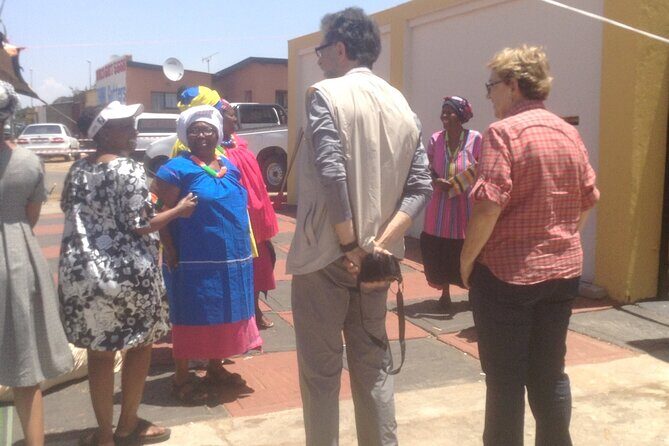
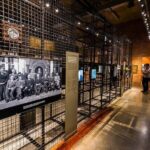
You finish with the Apartheid Museum, which is described as the first of its kind and focused on the rise and fall of apartheid. The time slot is about 2 hours, and admission is included.
This museum stop also gets attention for its architecture: the building’s design is connected to multiple leading architectural firms, and the setup is described as a strong example of design, space, and landscape planning for a distinctly South African experience.
Here is the practical value: after visiting sites connected to protests, hiding places, political charters, and incarceration, the museum gives you the broader narrative thread. It helps you move from individual moments to the full structure of the system.
If you have only one big museum on your trip, this is the one that makes the most sense to include on a day tour.
Price and Tickets: What $92.35 Really Covers
The headline price is $92.35 per person, for a private guided day in Johannesburg and Soweto. It is about 7 to 8 hours, and the average booking timing is roughly 5 days in advance—often a sign people want this as a dependable anchor during a short stay.
What you get included:
- Private transportation
- The tour guide’s interpretation in French
- Admission included at Mandela House and the Apartheid Museum
- FNB Stadium entry is free
- Mobile ticket and confirmation at booking time
What is not included:
- Lunch
- Admission tickets at several stops (not included for Hector Pieterson Memorial, Regina Mundi, Walter Sisulu Square, and Constitution Hill)
So the real question is not just price—it is ticket math plus time saved. If you are comfortable budgeting a few additional entries, the structure is good. If you hate surprises at the gate, you will want to plan ahead for the sites marked as not included.
Also, bring snacks or money for food. Lunch is not part of the package, and with a day like this, hunger can quietly make the historical stops feel less enjoyable.
Guides, Pacing, and Comfort: Why the Private Format Matters
This tour is private, meaning it is just your group. That matters in Soweto, where traffic and site flow can shift fast. The route is designed with time blocks for each stop, but private guiding also gives the day flexibility if you need to adjust on the spot.
The feedback that stands out includes guides who were described as passionate, gentle, and attentive, with explanations that answer questions clearly. One named guide, Ibrahim, is described as very patient and full of explanations. Another guide, listed as U, is noted for humor and adapting parts of the program based on requests and site crowds. A driver named Basil is also credited for the smoothness of the day.
That kind of flexibility is not guaranteed, of course. Still, when you choose private, you are buying responsiveness. On a day heavy with meaning, that can turn a schedule into a story you can actually follow.
Comfort-wise, private transport helps a lot. The tour is not meant to be a long walking day, which is a big deal in heat or when you are juggling museum time.
Who This Tour Fits Best
I would point this tour at a few types of visitors:
- You want the big Soweto and Joburg sites, but you do not want to stitch the day together yourself.
- You want French-language guidance so the history stays understandable and not half-lost in translation.
- You like structured days—especially when the topics are intense and you want a clear narrative path.
It may be less ideal if you:
- Only want places where every admission is included.
- Are very timing-sensitive and hate emotional stops, because Constitution Hill and the Apartheid Museum can take more out of you than casual sightseeing.
Before You Book: The One Caution I’d Take Seriously
Most of the signals here look positive—high overall satisfaction and strong guide stories. But one serious issue was reported: a booking that was confirmed, then the operator did not show up and was unreachable by phone or email. I cannot tell you how common that is, but it is serious enough to justify caution.
My advice if you book:
- Confirm your pickup details the day before and again the morning of.
- Have a simple plan for delays or communication issues, especially if you are connecting to other parts of your trip that same day.
Private tours can be wonderful. They are also dependent on operations working correctly that day, so a tiny bit of prep can save you a lot of stress.
Should You Book This Soweto & Johannesburg Tour?
If you are looking for a French-guided, private day that covers the essentials—Hector Pieterson, Mandela House, Regina Mundi, Walter Sisulu Square, Constitution Hill, and the Apartheid Museum—this is a strong fit. The structure, private transport, and included admissions at key stops make it good value for a time-limited visit.
I would say yes especially if your priorities are meaning over speed. The tour is set up so each site adds context to the next, and that is what turns a list of famous names into real understanding.
If you want a lighter day, or if budget surprises would annoy you, then you may want to double-check admissions you will handle yourself and plan lunch. And if reliability worries you, do the quick confirmation steps and keep your expectations realistic.
FAQ
Is this a private tour?
Yes. It is described as a private tour/activity, with only your group participating.
How long is the Johannesburg and Soweto tour?
The duration is about 7 to 8 hours.
Is pickup included?
Pickup is offered, and it is also noted that the meeting point is near public transportation.
Does the tour include admission tickets?
Not all stops include admission. Admission is included at Mandela House and the Apartheid Museum. Admission is not included at Hector Pieterson Memorial, Regina Mundi, Walter Sisulu Square, and Constitution Hill. FNB Stadium is free.
What’s included in the price besides the guide?
Private transportation is included. The tour also provides a mobile ticket and you receive confirmation at booking time.
Is lunch included?
No. Lunch is not included, along with all other personal extras.
Does the tour require good weather?
Yes. It requires good weather, and if it is canceled due to poor weather, you will be offered a different date or a full refund.
What times does the tour operator list as opening hours?
Opening hours are listed as 9:00 AM to 5:00 PM, Monday through Sunday.
Can I cancel and get a refund?
Cancellation is free. You can cancel up to 24 hours in advance for a full refund; within 24 hours, no refund applies.
Is French language support included?
The tour is specifically described as a Johannesburg and Soweto tour in French, with a French-speaking guide.