REVIEW · CAPE TOWN
Cape Town: Art, Culture & History Walking Tour
Book on GetYourGuide →Operated by One Day Africa · Bookable on GetYourGuide
Street art and serious memory in one walk. This Cape Town Art, Culture & History Walking Tour strings together Bo-Kaap culture, downtown art-and-commerce streets, and weighty sites like the Slave Lodge and District Six—so you don’t just see landmarks, you understand why they matter.
I love how the walk starts in Bo-Kaap (colorful homes and a mosque) and then keeps connecting culture to identity all the way into the downtown political story. I also like the pacing for art lovers: you pass Long Street and the craft-focused energy of Greenmarket Square, with time to look around rather than just speed-walk.
One consideration: this is still a 2-hour on-foot route, with multiple short walks and photo stops, so plan for sun, wind, and lots of standing. Comfortable shoes are not optional.
In This Review
- Key highlights I’d put on your radar
- Starting at Bo-Kaap Deli: getting oriented fast
- Bo-Kaap: houses, heritage, and the meaning behind the colors
- Wale Street and Long Street: Victorian-era streets with modern edge
- Greenmarket Square: art, crafts, and a lively local marketplace
- The Company’s Garden: a calmer pause mid-story
- Iziko Slave Lodge: colonial memory you shouldn’t rush
- Parliament area: views plus a Nelson Mandela exhibition chance
- District Six Museum: forced removals and cultural resilience
- Truth Coffee Roasting: a smart reset before you head out
- Price and value for a 2-hour culture walk
- Who should book this tour, and who might want a different plan
- Should you book Cape Town Art, Culture & History Walking Tour?
- FAQ
- Where is the meeting point?
- How long is the tour?
- What’s included in the price?
- Is hotel pickup included?
- Is the tour wheelchair accessible?
- What should I bring?
- Are alcohol or drugs allowed?
- FAQ
- Is there free cancellation?
- What language is the tour in?
- Is the tour suitable for very elderly guests?
Key highlights I’d put on your radar
- Bo-Kaap first: start with the culture and community before the downtown sights
- Auwal Masjid photo + guided visit: faith, history, and place in one stop
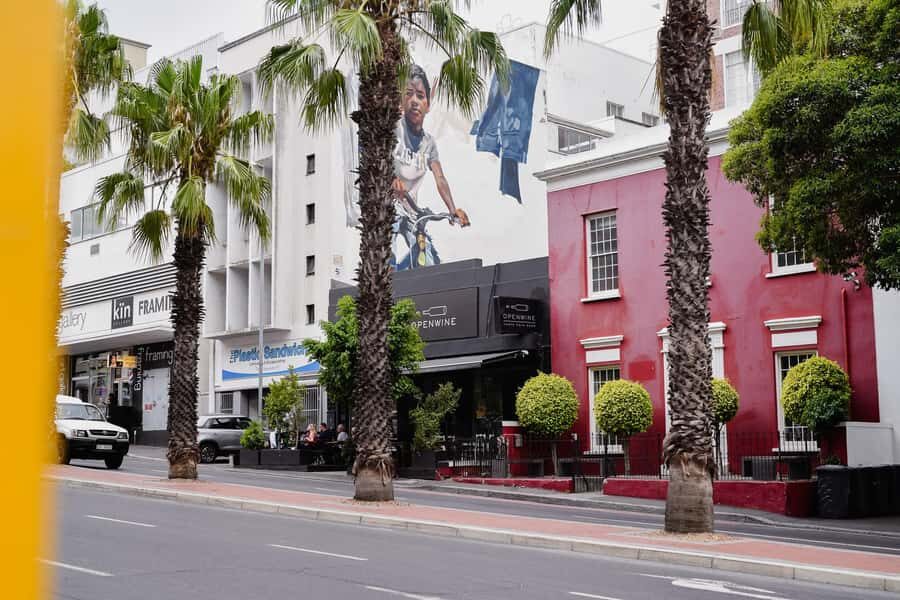
- Long Street and Greenmarket Square: Victorian-era streets meet shops and craft trading
- Slave Lodge and Parliament area views: colonial memory alongside political power
- District Six Museum: forced removals, then resilience, framed through identity
- Truth Coffee Roasting stop: a real chance to pause with a coffee during the walk
Starting at Bo-Kaap Deli: getting oriented fast
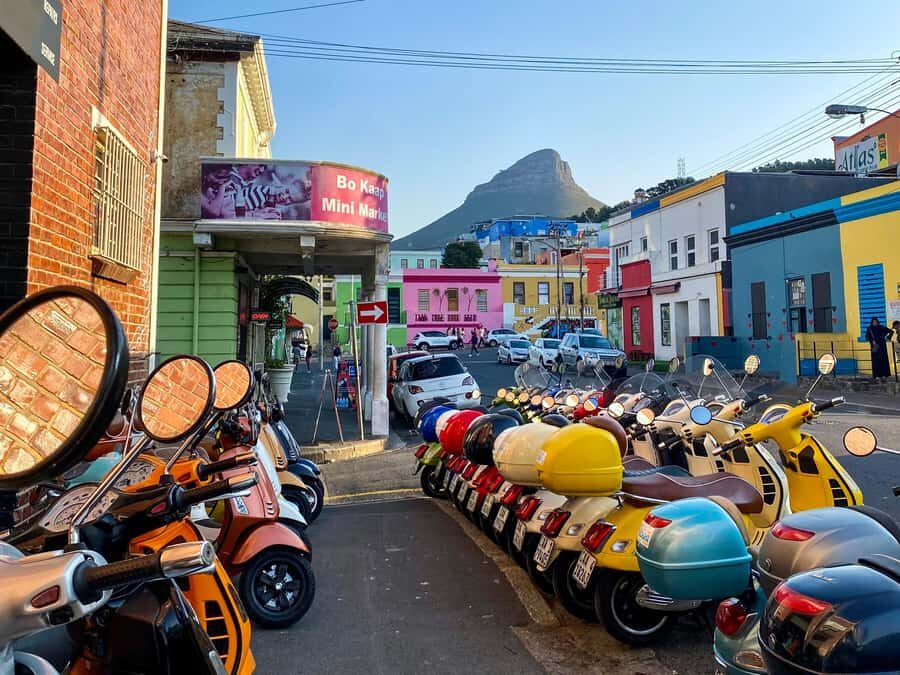
You meet at Bo-Kaap Deli, 97 Church St, Bo-Kaap, Cape Town, 8001. If it’s your first time in the area, this is a smart place to begin because Bo-Kaap instantly gives you the Cape Town “why” behind the “what.”
This tour is listed as 2 hours, and it’s designed like an introduction: short segments, frequent photo stops, and a guide who keeps the story moving. That matters in Cape Town because the city’s history shows up street-by-street.
You’ll also want to arrive with the practical stuff ready: water, sunscreen, and either rain gear or a light layer if the weather is moody. The route is outdoors and you’ll be out long enough that comfort really affects the experience.
You can also read our reviews of more walking tours in Cape Town

Bo-Kaap: houses, heritage, and the meaning behind the colors
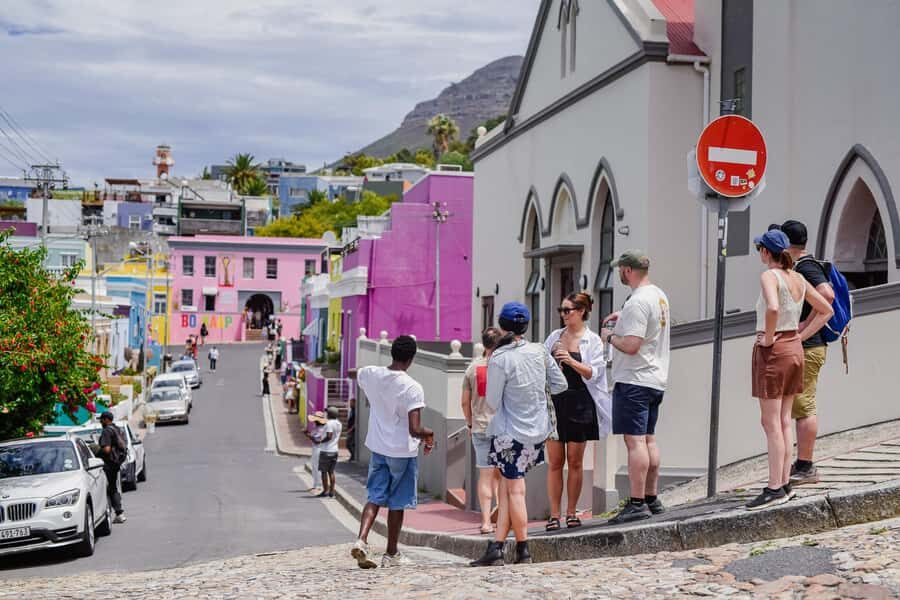
The first real stop is Bo-Kaap, with a photo opportunity, a visit, and a guided walk (listed at about 20 minutes). Expect to see the famous painted facades and the tight-knit feel of a neighborhood where the past stays visible.
Here’s what I like about starting this way: you get the cultural lens early. Instead of treating Bo-Kaap like a pretty postcard, you learn how Cape Malay culture connects to community life today.
Next up is Auwal Masjid (about 10 minutes). You’ll have a photo stop, then a visit and guided tour. A mosque in a neighborhood like this isn’t just a building—it’s part of how people organize daily life and memory.
Even if you’re not deeply religious, you’ll probably come away with a better sense of how culture is carried through institutions, not only through art and architecture.
Wale Street and Long Street: Victorian-era streets with modern edge
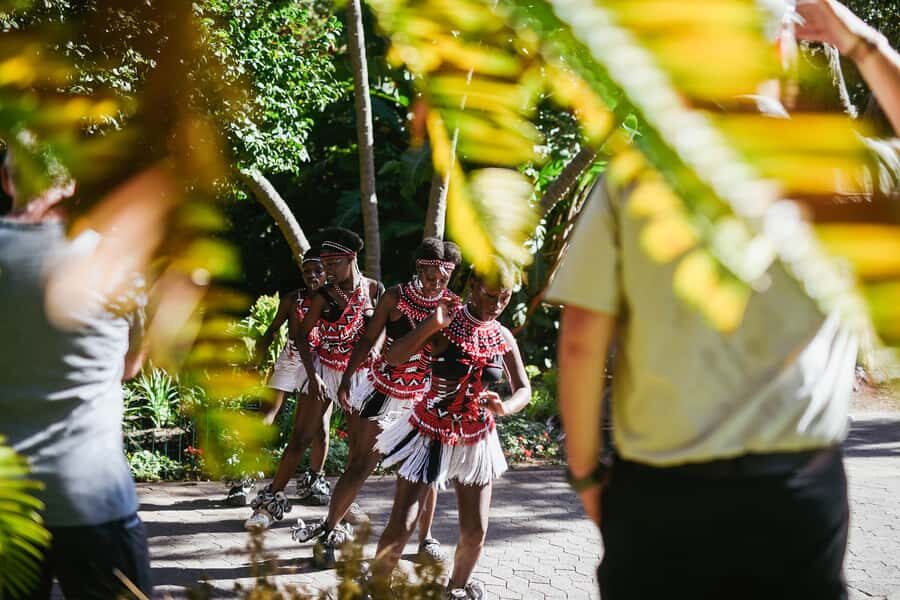
After Bo-Kaap, you head toward the downtown spine. The route includes Wale Street (about 15 minutes), mainly as a photo stop and guided viewing.
Then you reach Long Street (listed for about 15 minutes). This is where the city’s layers start mixing quickly: Victorian-era buildings show up beside bars, bookshops, and vintage boutiques. If you like street-level observation, this section is a fun way to read the city like a storybook—shops and signage on one page, the architectural clues on the next.
One good trick: keep your camera ready, but also listen while you look. The guide’s context helps you notice details you’d otherwise miss, like how different eras left their fingerprints on the streetscape.
Greenmarket Square: art, crafts, and a lively local marketplace
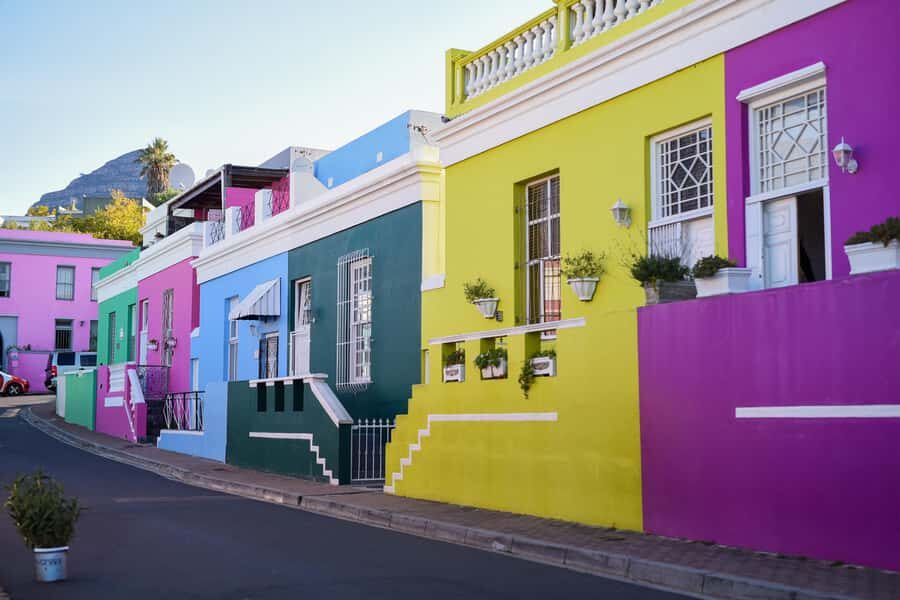
Greenmarket Square is one of the tour’s most enjoyable stops because it’s both a sight and a place to interact. The schedule includes a photo stop, guided tour, and time for sightseeing and shopping, plus an arts & crafts market visit (about 20 minutes).
This isn’t just a background photo location. The square is where you can slow down, browse handmade goods, and look at locally produced art and textiles. If you want souvenirs that feel tied to a place, this is where you’re most likely to find them.
Practical note: it’s easy to get tempted and overbuy on a short walk. I suggest setting a simple plan before you get there—like choosing one or two meaningful items—so the browsing stays fun instead of chaotic.
The Company’s Garden: a calmer pause mid-story
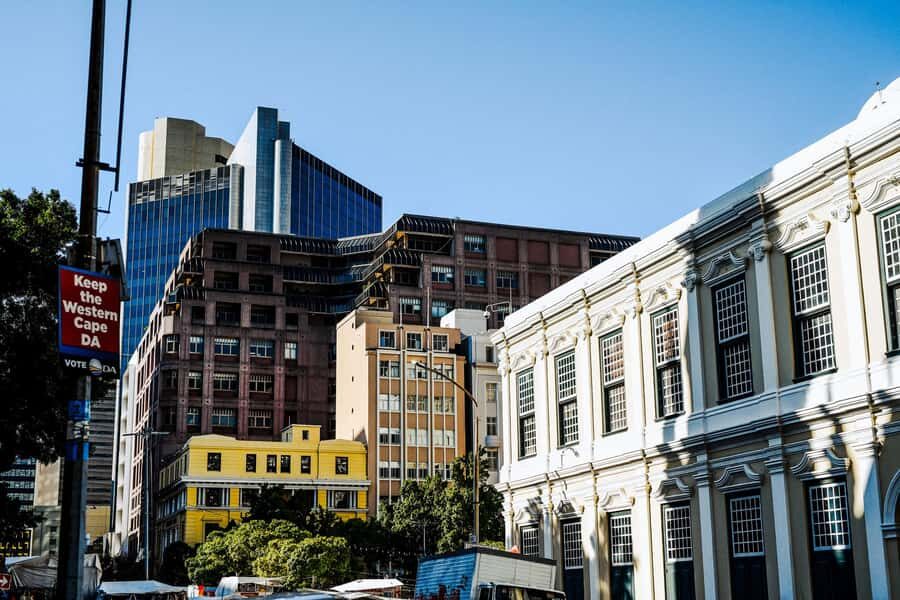
From the market energy, the route moves to The Company’s Garden (about 15 minutes). You’ll have a photo stop, a guided visit, and a walk segment.
Why this stop works: gardens act like a mental breather. When the tour shifts from cultural districts and trading streets into colonial and political themes later on, having a calmer space helps the history land without feeling relentless.
If you enjoy architecture and city planning, this is also a nice chance to look at Cape Town with a slightly wider lens—how public spaces fit into the city’s identity.
You can also read our reviews of more historical tours in Cape Town





Iziko Slave Lodge: colonial memory you shouldn’t rush
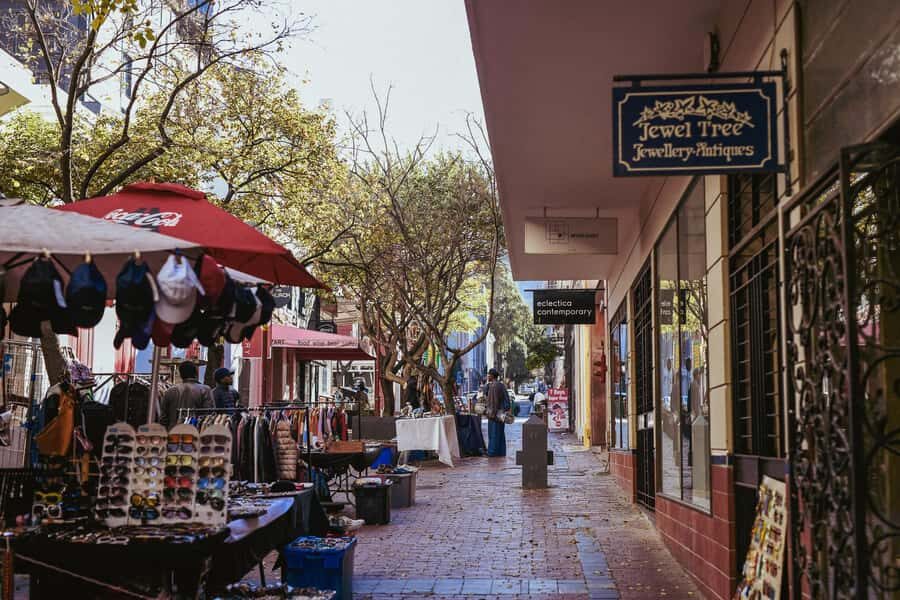
You pass by Iziko Slave Lodge (about 10 minutes). Expect a solemn context and guided sightseeing as the route connects Cape Town’s built environment to the colonial systems that shaped it.
This stop is short, but it’s not casual. The tour’s whole identity theme starts to sharpen here: you’re seeing how colonial history didn’t disappear—it reorganized lives, families, and neighborhoods.
My advice: don’t treat this as a quick photo moment. Take a minute to let the guide’s framing sink in, then take your photo if you still want it.
Parliament area: views plus a Nelson Mandela exhibition chance
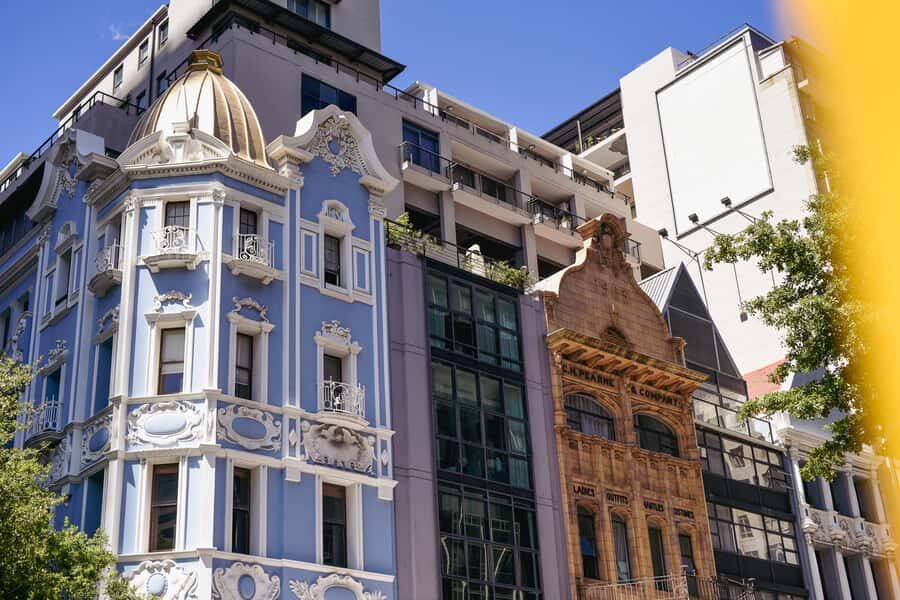
The tour includes the Parliament of the Republic of South Africa area (about 15 minutes), with a photo stop, guided viewing, scenic views on the way, and passing by the building.
Importantly, the tour overview mentions the opportunity to visit an exhibition on Nelson Mandela around this stop. If your timing and access allow it during your outing, this is one of the most powerful ways to connect the country’s story to a specific person and era.
Even if you only get the exterior views, Parliament gives you a strong sense of how power and public life are staged in Cape Town. It’s a very different feeling from the intimate neighborhood scale of Bo-Kaap—and that contrast is part of why the tour works.
District Six Museum: forced removals and cultural resilience
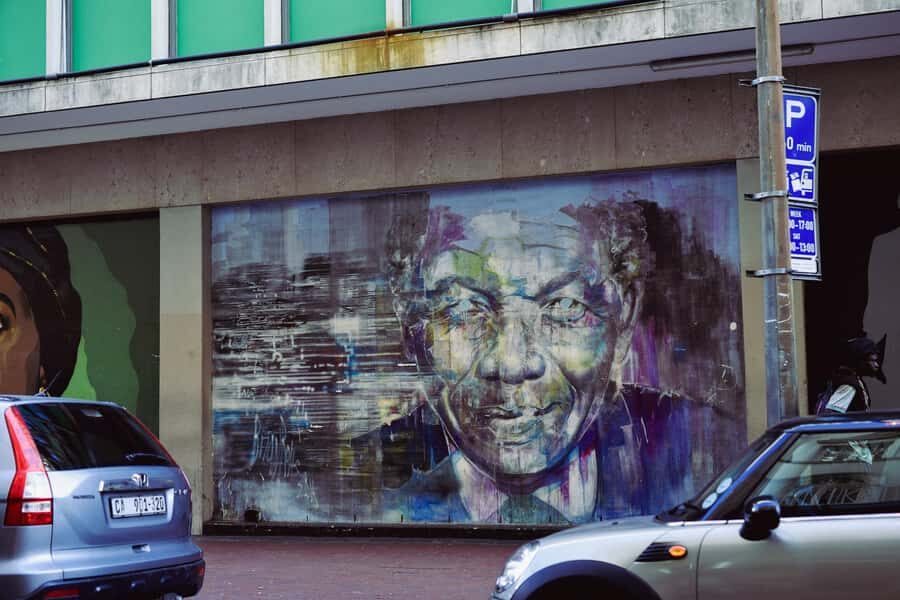
Your final major cultural-political anchor is District Six Museum (about 10 minutes). You’ll have a photo stop, guided tour, and sightseeing with a short walk segment.
This neighborhood is central to South Africa’s identity story because it reflects forced removals and the stubborn strength of cultural resilience. The tour’s framing here is clear: District Six is not only about what happened, it’s also about what people held onto and how memory keeps shaping identity.
If you only remember one thing from the whole walk, I’d make it this: you’re not just collecting sights. You’re learning how the city interprets itself.
Truth Coffee Roasting: a smart reset before you head out
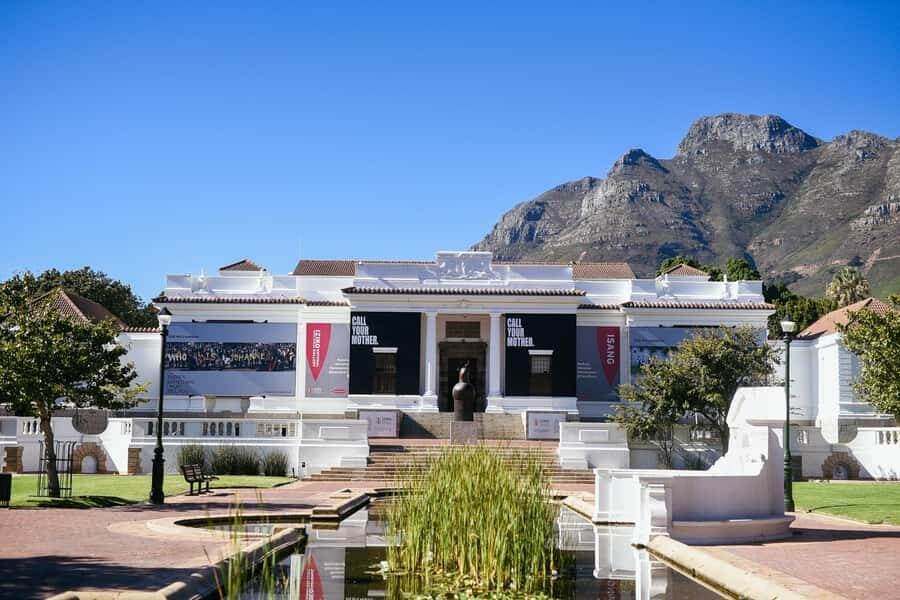
Before the walk ends, the route includes a stop at Truth Coffee Roasting, with a photo stop and a coffee visit (listed after District Six Museum). You’ll get the chance to sit, drink, and recharge while the guide keeps the discussion moving.
This matters more than people think. When you’ve been through heavy history and busy streets, a caffeine break helps you process what you just learned instead of rushing straight into the next plan.
It’s also a nice low-pressure way to ask final questions. If you want recommendations for where to eat or what to look for afterward, this is a great moment.
Price and value for a 2-hour culture walk
The price is $37 per person for 2 hours. For Cape Town, that’s decent value when the route covers multiple big story points in a compact time frame—Bo-Kaap, central streets, Greenmarket Square, Slave Lodge, the Parliament area, and District Six.
Also, you’re paying for a professional guide and the guided walk through key landmarks. Without a guide, you can absolutely see these places, but you’d likely miss the connective tissue: how the neighborhoods relate, how architecture signals power shifts, and how identity shows up in everyday life.
What’s not included is straightforward: no hotel pickup, no lunch, and no transport to the meeting point. So if you’re coming from elsewhere in the city, factor in your own getting-there time.
Who should book this tour, and who might want a different plan
This is a great fit if you want:
- a 2-hour starter to Cape Town that combines art, streets, and history
- a story-driven walk that explains why each stop matters
- an introduction to South African identity through the places tied to that story
It may not be your best choice if:
- you dislike walking for short bursts with frequent stops (still, the route is designed for a brisk 2-hour experience)
- you’re looking for a museum-heavy schedule (this one is landmark and neighborhood focused)
It’s listed as wheelchair accessible, which is a big plus. And it notes it’s not suitable for people over 95, so check the age guidance before booking.
Should you book Cape Town Art, Culture & History Walking Tour?
Yes—if you want an efficient, human-scale introduction to Cape Town’s culture and competing histories, this tour makes sense. The route’s strength is its sequencing: you start with Bo-Kaap culture, then move through art-and-market streets, and finish with some of the hardest identity material the city carries.
I’d book it early in your trip. You’ll get better at noticing the city after this, and you’ll have a clearer map of what to seek later—whether that’s galleries, neighborhoods, or museums.
If you want a simple souvenir hunt and photo spree only, you might find it more meaningful than you expected. But if you like context while you walk, you’ll probably leave with a Cape Town that feels less like a set of sights and more like a place with a voice.
FAQ
Where is the meeting point?
Meet us at the Bo-Kaap Deli at 97 Church St, Bokaap, Cape Town, 8001.
How long is the tour?
The duration is 2 hours.
What’s included in the price?
You get a professional tour guide and a guided walk through Cape Town, including visits to Bo-Kaap and other key landmarks.
Is hotel pickup included?
No. Hotel pickup and drop-off are not included.
Is the tour wheelchair accessible?
Yes, the tour is listed as wheelchair accessible.
What should I bring?
Bring comfortable shoes, sunglasses, a sun hat, camera, sunscreen, water, rain gear, personal medication, and hand sanitizer or tissues.
Are alcohol or drugs allowed?
No. Alcohol and drugs are not allowed.
FAQ
Is there free cancellation?
Yes, you can cancel up to 24 hours in advance for a full refund.
What language is the tour in?
The tour is in English with a live tour guide.
Is the tour suitable for very elderly guests?
The tour is listed as not suitable for people over 95 years.