
REVIEW · CAPE TOWN
Cape Town: Nathi Langa Township Walking Tour
Book on GetYourGuide →Operated by Nathi Cape Town Tours PYT LTD · Bookable on GetYourGuide
Township stories beat any brochure. On the Nathi Langa Township Walking Tour, you get a real look at life in Langa just outside Cape Town, guided by Nathi and shaped by local connections and common questions.
I love two things most: first, the way Nathi shares today’s reality alongside the history that created it. Second, the tour’s main stop at Guga S’thebe isn’t just sightseeing—it’s where you meet makers, see craft projects, and get context you can’t learn from a poster.
One thing to keep in mind: this is a walking tour through a real neighborhood, so expect street-level sights that may not match the tidy, controlled feeling of classic attractions.
In This Review
- Key highlights worth planning around
- Why Langa beats a typical Cape Town half-day
- Meeting at Guga Sthebe: starting with local space (not a bus lobby)
- Guga S’thebe Cultural Centre & marketplace: craft, projects, and the why behind them
- The walking route: history explained through streets, buildings, and real conversations
- Street food and local eateries: how meals fit learning
- Safety and respect: what “feeling safe” really means here
- Price and value: what $31 really buys you for 150 minutes
- Who this tour fits (and who might want a different day)
- The guide experience: Nathi, plus other local leads like Zuzi/Zuzie
- Should you book the Nathi Langa Township Walking Tour?
- FAQ
- How long is the Nathi Langa Township Walking Tour?
- Where does the tour meet?
- Is pickup available from Cape Town hotels?
- What’s included in the price?
- What languages are spoken during the tour?
- How much does it cost?
- Does this tour help you avoid waiting in line?
- Is the tour wheelchair accessible?
- What flexibility do I have if my plans change?
Key highlights worth planning around
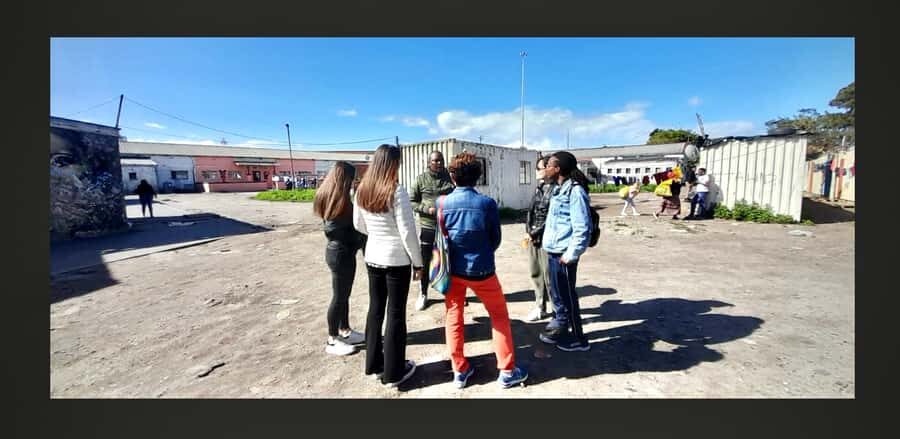
- A guide who lives the stories: Nathi grew up in Langa and brings personal perspective, not a scripted talk.
- Guga S’thebe Cultural Centre & marketplace: crafts, local projects, and shopping that supports community work.
- History explained as lived experience: Apartheid’s impact comes through in everyday life today.
- You talk with locals, not past them: the tour is built for conversation and respectful interaction.
- Small experiences, like music/drumming moments: some groups join a brief drumming workshop and hands-on activities at the centre.
- A “follow-your-guide” safety vibe: many people say they felt safe because the guide knows people and is known back.
Why Langa beats a typical Cape Town half-day
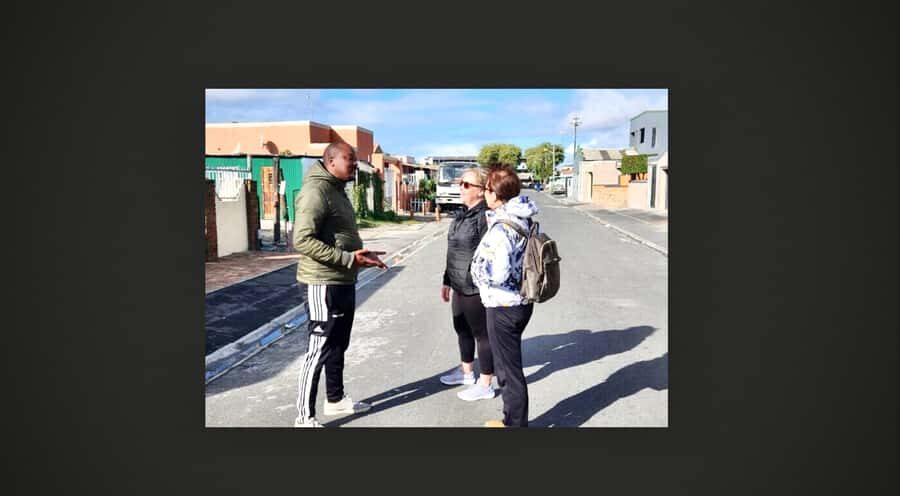
Cape Town is famous for its viewpoints, wine routes, and the Waterfront. That’s all great. But if you only do the postcard stuff, you miss the other side of the city—the side shaped by the long shadow of apartheid and still seen in daily life across townships.
The Langa Township Walking Tour gives you a different kind of Cape Town day: human-scale, story-driven, and grounded in community connections. The pace is walking pace, not museum pace. That means you’ll notice details: how people greet one another, what’s being sold, where the community gathers, and how everyday routines fit into the larger history of South Africa.
What makes this tour feel worthwhile is that it doesn’t pretend Langa is a theme park. It’s people’s homes and community space. You’re there to learn, ask questions, and understand—not to treat the neighborhood like a backdrop for photos.
You can also read our reviews of more walking tours in Cape Town



Meeting at Guga Sthebe: starting with local space (not a bus lobby)

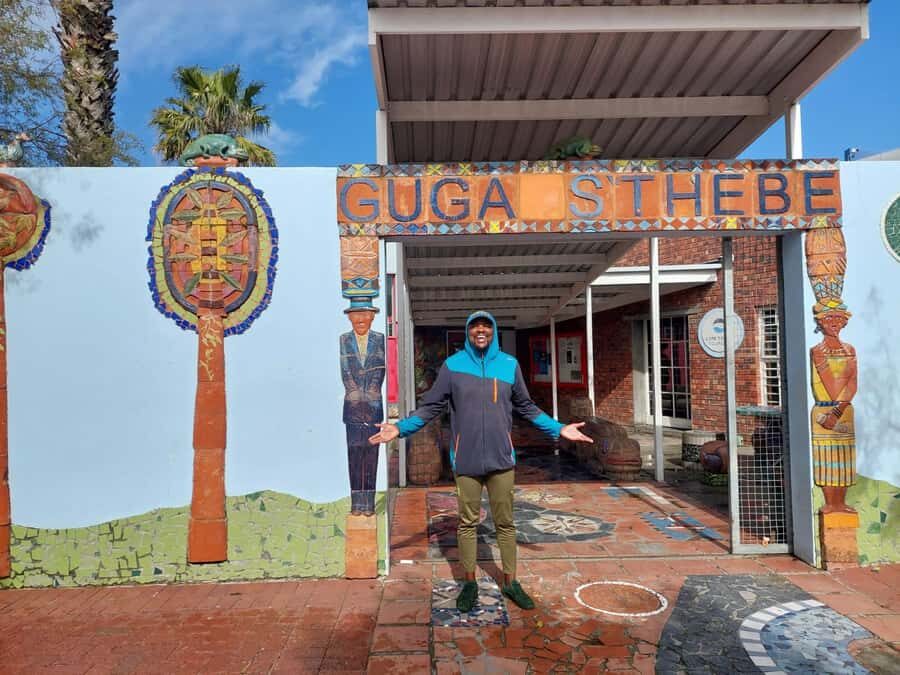
The tour meets at Guga Sthebe, 36 Washington St, Langa, at the main entrance. Plan to arrive about 15 minutes early so you can check in and get your bearings before the walk begins.
This matters more than you might think. Starting at the cultural centre helps you transition from “I’m visiting Cape Town” to “I’m entering community space with a guide who belongs here.” You also avoid the stress of figuring out where to go first, which is a big deal on walking tours.
If you’re staying in Cape Town’s city centre Waterfront area or on the Atlantic Seaboard (including Camps Bay), pickup may be available—just contact the operator for specifics. That’s a practical bonus if you don’t want to manage taxis right before a neighborhood walk.
Guga S’thebe Cultural Centre & marketplace: craft, projects, and the why behind them

The biggest anchor stop is Guga S’thebe Cultural Centre & marketplace. This is where the tour turns from “seeing” to “understanding how the community supports itself.”
At the centre, you can expect artisan work and local craft projects. In many cases, you’ll see skills being taught and used in ways that can create income opportunities for people in the community. Reviews often highlight how this place functions like a hub: a place to learn, work, and sell—not a souvenir counter pasted onto a neighborhood.
A few groups also get a short drumming workshop experience at or connected to the centre (often described as djembe/drumming). Even if your day doesn’t include the same hands-on moment, the theme is consistent: music, making, and community gatherings are part of the story.
Shopping here tends to feel more respectful than typical tourist shopping, because you’re buying from the people and programs your guide is talking about. And if you want to support with small purchases, the marketplace is where that fits naturally—no awkward side trip required.
The walking route: history explained through streets, buildings, and real conversations
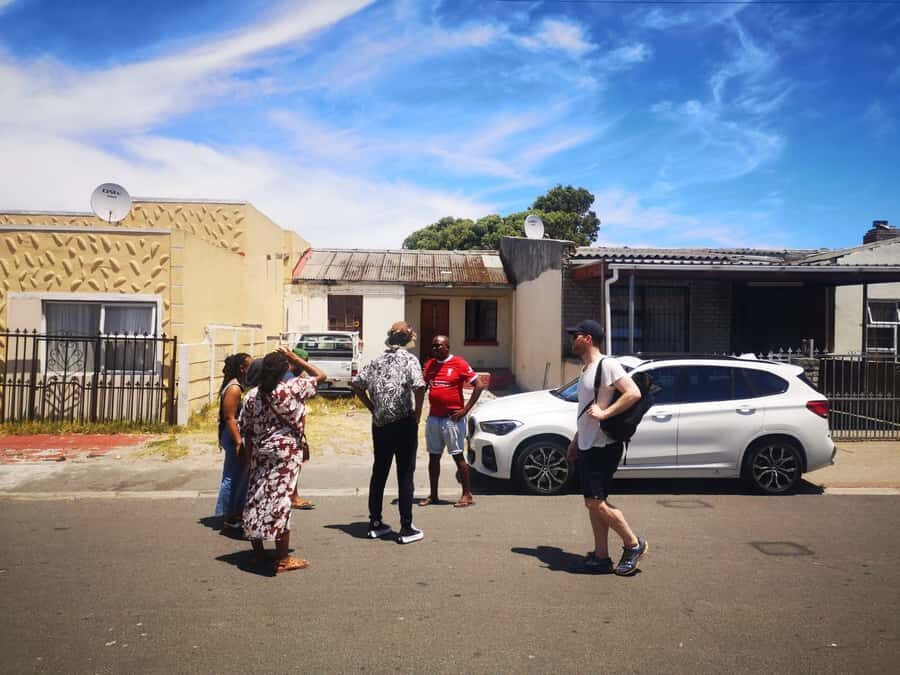
After the centre, the tour shifts into walking around Langa with your guide leading the way. This is the part that people remember most, mainly because it’s not just facts—it’s context connected to place.
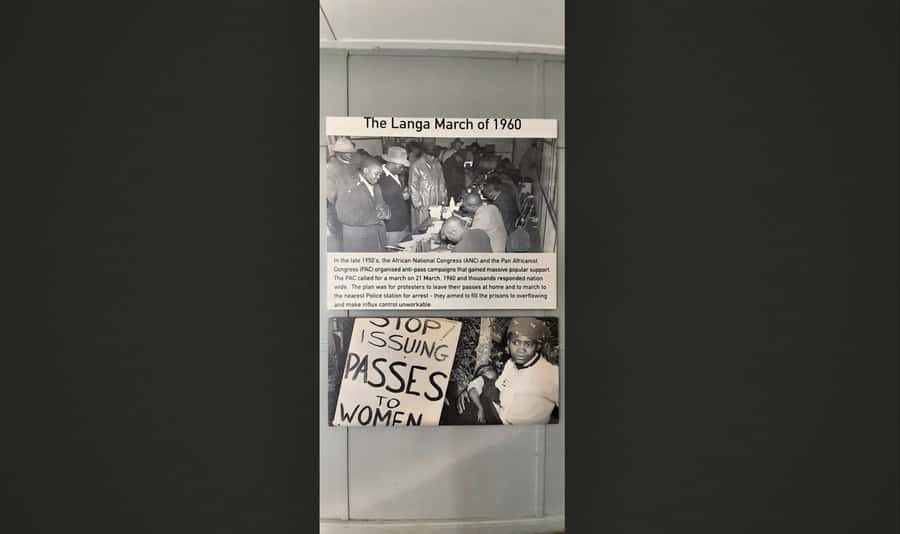
Nathi’s gift (and why people rave about his tours) is the way he explains how things became this way and then connects it to what life looks like now. You don’t get apartheid as a single chapter ending in a textbook. Instead, you hear it as a lived chain of events with consequences that still shape housing, opportunity, and community development.
You’ll likely pass cultural landmarks and everyday scenes that show how the neighborhood works. Some guides also take groups to examples of how space is used in the community—there are mentions of seeing a home made from a shipping-container structure. Others describe walking into areas where local celebrations happen and where community pride is visible in everyday life.
Important: this isn’t about pretending poverty isn’t present. It’s about seeing both sides—challenges and community strength—so the picture you carry home is honest, not one-note.
Street food and local eateries: how meals fit learning
One of the most practical parts of this tour is that it opens the door to food you’ll actually want to eat, not just snacks you’ll forget later.
The tour includes time around street vendors and local eateries, which means you get a chance to taste what people share as everyday life. It also gives you a natural way to ask questions: what’s popular, what’s made fresh, what people eat on normal days, and what visitors should know about ordering.
If you want to keep things easy, bring a little cash for small purchases (food, crafts, and any optional donations). Several accounts specifically recommend having cash available for the community centre and local preschool support. You don’t need to turn this into a charity mission, but having money on hand lets you respond to what you see without scrambling.






Safety and respect: what “feeling safe” really means here
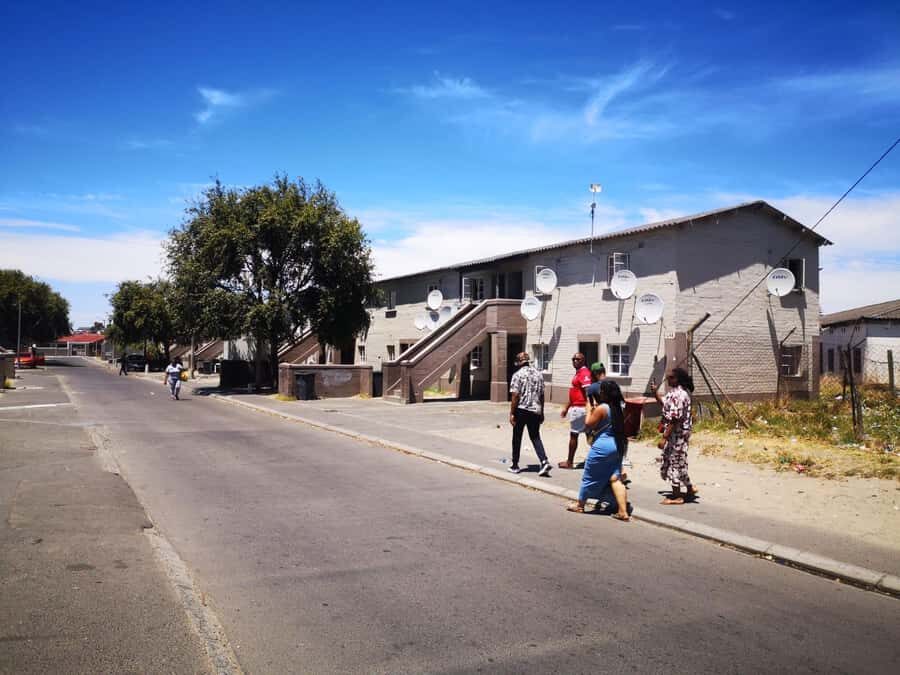
A township walking tour can sound intimidating on paper. What changes everything is the guide—and with this one, the guide is the connection.
Across experiences shared, the common thread is that Nathi (and other guides like Zuzi/Zuzie, depending on the guide assigned) know people personally and are recognized within the community. That social familiarity changes your safety feeling. It’s not “you’re invincible”; it’s “you’re not wandering alone.” You’re walking with someone who belongs here and who can move the group through everyday spaces with context.
Respect is part of the deal. Keep your questions kind. Follow your guide’s directions about where to stand, when to look, and how to interact. If kids come over to say hello, don’t treat it like a photo opportunity only—engage briefly, be friendly, and stay aware of your surroundings.
One more real-world tip: if you’re unsure about your ride home, have your guide help you coordinate. Multiple accounts describe guides staying with people until they felt settled for transport. That matters if you’re coming from areas like the Waterfront where things feel fast and disconnected.
Price and value: what $31 really buys you for 150 minutes

At $31 per person for about 150 minutes, the first question is simple: what do you get for that price?
You get a real local guide plus an organized walking route that brings you to the main community hub at Guga S’thebe and then into Langa’s streets with context. Importantly, the tour includes skip-the-line entry through a separate entrance, which saves time at the centre compared to standard visitor flow.
But the better value story is less about logistics and more about access. For many people, the tour is worth it because it answers questions you didn’t know how to ask: how the community works, what projects exist, how daily routines reflect South Africa’s past, and what hope looks like in a place with ongoing struggles.
If you’re the kind of visitor who likes your education hands-on—through conversations, small experiences, and visible community programs—this price feels fair. If you only want “top 10 must-see sights,” you might decide Langa isn’t for you. But if you want understanding, this is one of the more cost-effective ways to get it in Cape Town.
Who this tour fits (and who might want a different day)
I think this tour fits best if you’re curious and comfortable asking questions. You don’t have to be an expert. You just need the mindset that this isn’t a staged performance.
It’s especially a good match for:
- People who want a Cape Town context beyond the Waterfront
- First-time visitors who want to understand apartheid’s local impact
- Anyone who likes walking tours and wants a story-based route
- Families who want a guided, respectful introduction to township life (some accounts mention the guide handling questions from kids well)
You might choose something else if:
- You want mostly scenic views and photography-driven stops
- You dislike walks or open street-level pacing
- You need a tour that feels like a traditional museum, with fewer real-world interactions
The guide experience: Nathi, plus other local leads like Zuzi/Zuzie

This tour’s quality is strongly tied to the guide. The name attached is Nathi, and the strongest reviews highlight that he grew up in Langa and can tell stories as someone who lived them.
Some experiences also mention other guides connected to the same tour style—especially Zuzi/Zuzie—who similarly described being rooted in the township and answered questions with humor and depth. That’s a sign the guiding team is built around local knowledge and relationships, not just a generic script.
If you’re wondering what to expect from your guide, look for signals like:
- They can explain not only history, but what daily life looks like now
- They can handle questions without shutting them down
- They connect you to community spaces like the cultural centre with clarity
That’s the difference between “a tour through a place” and “a place explained by people who know it.”
Should you book the Nathi Langa Township Walking Tour?
If your goal is to understand Cape Town as a living city—with real neighborhoods, real challenges, and real community energy—then I’d book this. The best part is the balance: you learn the hard parts without losing sight of the ways people build, teach, make, and support one another.
If, on the other hand, you’re seeking only high-status landmarks and you don’t want to walk through community life, you might feel this is too human and too real for your taste. But for most visitors who want depth, this is one of the most meaningful ways to spend a morning or afternoon in the region.
FAQ
How long is the Nathi Langa Township Walking Tour?
The tour lasts about 150 minutes (roughly 2 to 2.5 hours).
Where does the tour meet?
You’ll meet at Guga Sthebe, 36 Washington St, Langa, at the main entrance about 15 minutes before the start time.
Is pickup available from Cape Town hotels?
Yes, pickup may be available from hotels in Cape Town city centre Waterfront and areas on the Atlantic seaboard, including Camps Bay. You’ll need to contact the operator for details.
What’s included in the price?
The tour includes a guide and the walking tour.
What languages are spoken during the tour?
The tour is offered in English and Xhosa.
How much does it cost?
The price is $31 per person.
Does this tour help you avoid waiting in line?
Yes, it includes skip-the-line entry through a separate entrance.
Is the tour wheelchair accessible?
Yes, it is listed as wheelchair accessible.
What flexibility do I have if my plans change?
You can cancel up to 24 hours in advance for a full refund, and there’s also a reserve now & pay later option (book and pay nothing today).
If you want, tell me your travel dates and whether you’re coming from the Waterfront or Camps Bay, and I’ll suggest a sensible time block in your Cape Town schedule for this walk.