REVIEW · PRETORIA
Soweto & Apartheid Museum Tour
Book on Viator →Operated by Spurwing Tourism Services · Bookable on Viator
Two museums, one unforgettable route through Soweto. This half-day tour links Johannesburg to street-level stories of apartheid with a guide who helps you understand what you’re seeing and why it mattered. In a small group (up to 12), you get time for questions and a calmer pace than the big-bus version.
I especially like that Hector Pieterson Memorial and the Apartheid Museum are both included with admission, so you’re not scrambling for tickets or timing. You also spend time at Mandela House, which adds a personal, family-focused side to the bigger political story you’ll hear at the museum. It’s a smart mix of places, not just a checklist of stops.
One thing to plan for: food and drinks aren’t included, and the sites are emotionally heavy, so you’ll want a break-ready mindset (and comfortable walking shoes).
In This Review
- Key Things That Make This Soweto Tour Worth Your Time
- How the Half-Day Loop Works from Johannesburg
- Hector Pieterson Memorial: Students at the Center of the Story
- Inside the Apartheid Museum: How the Exhibits Tell the Rise and Fall
- Mandela House and Vilakazi Street: Real Place Names for Big Ideas
- Orlando Towers and the Hospital View: Modern Soweto Landmarks in Context
- Why a Guide Changes Everything Here
- Price and Value: What $144.58 Covers (and What It Doesn’t)
- Practical Tips for a Smoother Visit
- Should You Book This Soweto and Apartheid Museum Tour?
- FAQ
- FAQ
- How long is the Soweto and Apartheid Museum tour?
- Is pickup from Johannesburg included?
- What is the maximum group size?
- Which sites are included in the tour?
- Are the entrance fees included?
- Is food included on the tour?
- Is this tour guided?
- Is a mobile ticket provided?
- Are service animals allowed?
- What is the cancellation policy?
Key Things That Make This Soweto Tour Worth Your Time
- Small group size (max 12): Easier questions, less rushing, and a more human feel in the museums
- Guided context, not just sightseeing: You’ll get commentary connecting each site to the struggle against apartheid
- Hector Pieterson Memorial included: A clear focus on students and the 1976 Soweto uprising
- Apartheid Museum admission included: Strong story flow through exhibits, photos, film, and artifacts
- Mandela House and Vilakazi Street: You’ll see the Mandela family legacy and visit the street tied to two Nobel Peace Prize residents
- Air-conditioned round-trip transport: Pickup from Johannesburg and a half-day schedule that fits most travel plans
How the Half-Day Loop Works from Johannesburg
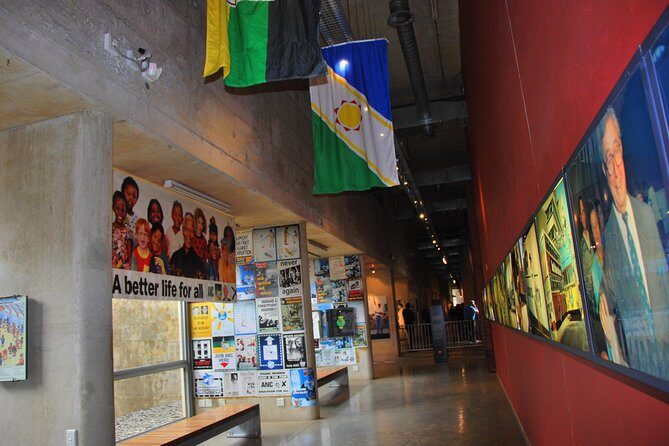
This tour is built as a practical half-day for people staying in Johannesburg who still want a serious, grounded experience in Soweto. You’re not left to figure out routes or entry times on your own. Instead, you’re transported in an air-conditioned vehicle with round-trip transportation and a guide who keeps the timeline and themes clear.
Expect a 5-hour (approx.) rhythm: short stops where you absorb key context, then longer museum time where you can actually take it in. If you’re traveling with limited time, this format helps you cover multiple “must-see” sites without turning the day into a logistics puzzle.
The small-group limit (up to 12) matters here. In a place where concentration and respectful attention are important, fewer people means less crowd pressure, more room to ask follow-ups, and a better chance of staying focused.
You can also read our reviews of more museum experiences in Pretoria

Hector Pieterson Memorial: Students at the Center of the Story
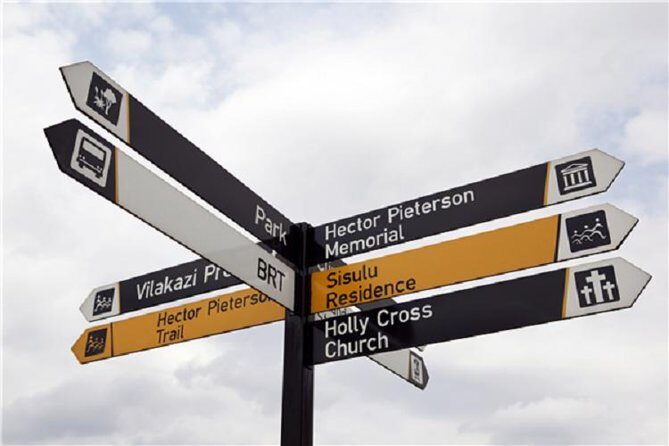
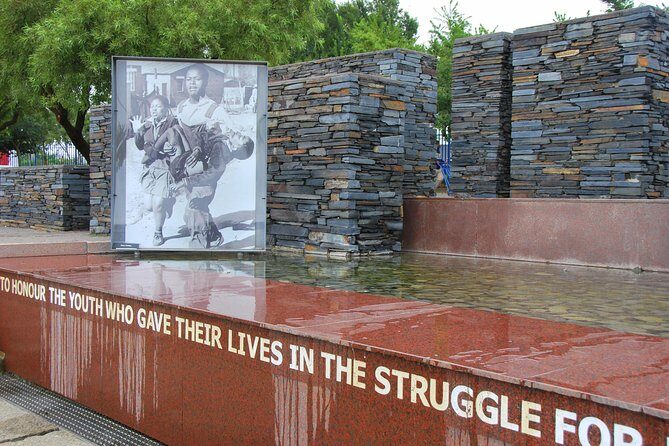
Your first stop is the Hector Pieterson Memorial and Museum in Orlando West, Soweto. It’s centered on the role of schoolchildren in the struggle against apartheid, especially the 1976 Soweto protests. The memorial and exhibits focus on the reality that many students were shot during protests tied to demands for improved education—education that authorities had denied or shortchanged.
You’ll have about 30 minutes here, with admission included. That may sound short, but the point is to get the emotional and historical anchor early. It reframes everything you’ll see later. After this stop, the rest of the day doesn’t feel like separate attractions—it feels like one connected story told across different kinds of spaces.
What I like about leading with this memorial is that it keeps the focus on people, not abstractions. You’re not just learning dates; you’re watching how youth activism and state violence collided. If you’re sensitive to heavy subjects, this is a good place to mentally prepare before you move into the next museum.
Practical note: because this stop is about testimony and remembrance, expect a more reflective tone than a typical tourist attraction. Give yourself the mental bandwidth to read and absorb rather than treat it like a photo stop.
Inside the Apartheid Museum: How the Exhibits Tell the Rise and Fall
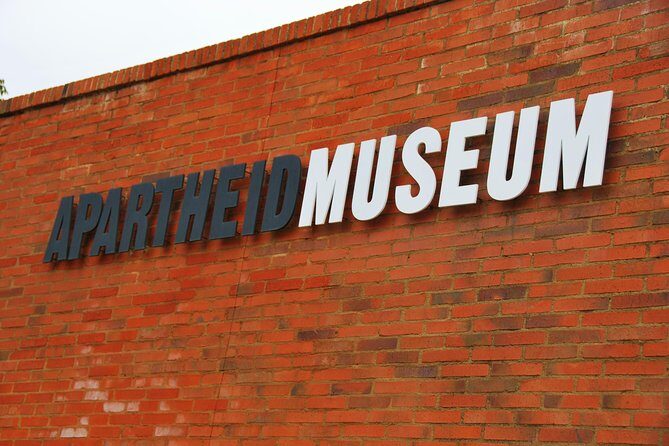
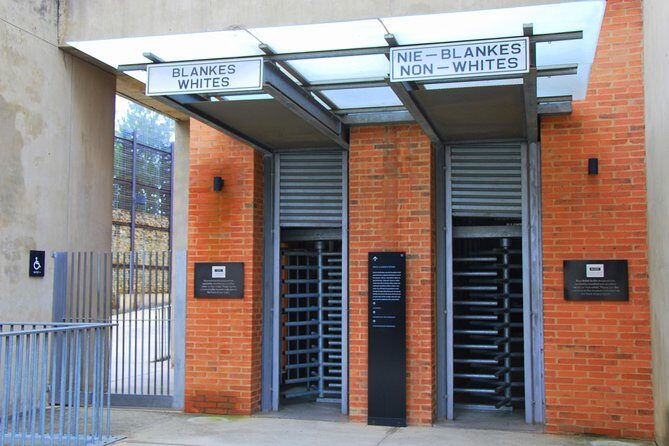
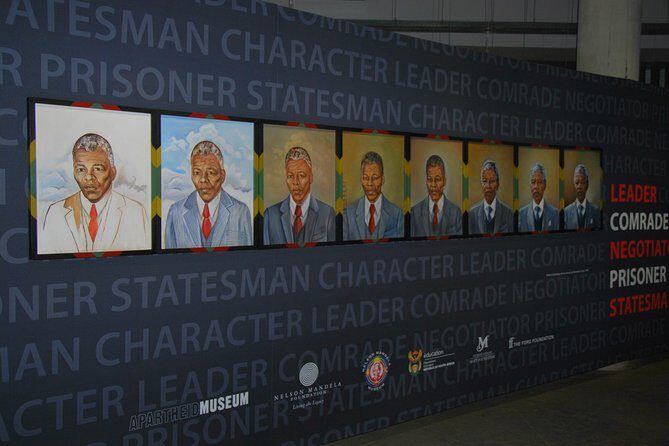
Next comes the Apartheid Museum, and this is where the day gets big and structured. The museum is described as the first of its kind, built to show the rise and fall of apartheid. But what makes it compelling is how it uses both design and content: the building was planned by an architectural consortium and sits on a large site, designed to give visitors a distinctive South African setting.
Admission is included, and you’ll spend about 1 hour here. The exhibits are assembled by a team that includes curators, film-makers, historians, and designers, so the museum doesn’t rely only on text panels. You’ll see film footage, photographs, and artifacts, all organized to carry human stories along with the political timeline.
One reason this stop is so valuable is that it helps you understand the system, not just the outcomes. You’ll be able to connect policies to lived experience. That connection is hard to recreate when you’re trying to read everything on your own, without a guide putting events into a clean narrative.
A balanced caution: the museum’s subject matter is intense. If you’re the type who gets overwhelmed in emotionally focused environments, plan for breaks between exhibits where you can step back and reset. A guide’s pacing helps, especially in a small group.
Mandela House and Vilakazi Street: Real Place Names for Big Ideas
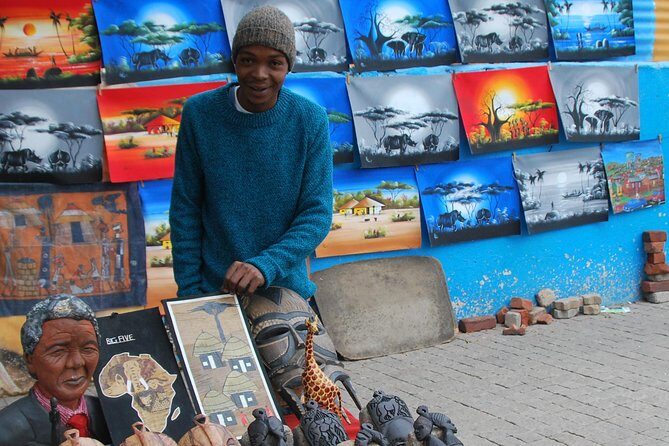
After the museum, the tone shifts toward personal legacy. You’ll visit Mandela House, with about 45 minutes and admission included. This site is presented as a world-class visitor attraction and a center for preserving and presenting the history, heritage, and legacy of the Mandela family.
This stop works because it doesn’t only tell you what happened; it helps you see who the people were behind the public story. You’ll likely find the shift from museum exhibits (system-wide history) to a family-focused site (personal inheritance and public responsibility) makes the day easier to hold in your mind.
Then you move to Vilakazi Street, and this is one of those rare travel moments where the geography feels like a living biography. Vilakazi Street is named for Dr. Benedict Wallet Vilakazi, a writer and educator, and it’s known for being the only street in the world associated with two Nobel Peace Prize laureates living there: Nelson Mandela and Desmond Tutu. Your time here is short—about 10 minutes—and it’s admission-free.
That brief window is enough to make the street name resonate, especially if your earlier stops gave you context for why these figures matter. It’s also a nice contrast point before the more modern landmarks later in Soweto.
Orlando Towers and the Hospital View: Modern Soweto Landmarks in Context
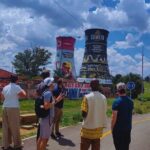
The tour also includes time to see landmarks that show Soweto beyond the apartheid-era frames. One stop focuses on Orlando Power Station and the colorful Orlando Towers, which are now a distinctive feature in Soweto. The description notes they were once part of an advanced power station, and it also highlights that the site is connected to the world’s first bungee jump between cooling towers. You’ll look out over Soweto as you take in that broader view.
Then there’s a stop connected to Chris Hani Baragwanath Hospital, listed as the third largest hospital in the world after West China Hospital and Chang Gung Memorial Hospital. The details given are specific: it covers 70 hectares, has about 3,400 beds, and supports 6,760 staff. Even if you’re not going inside, this kind of stop shifts your understanding from “township as past” to “township as a working place with major institutions.”
Why I think these additions are smart: they prevent your day from becoming a one-note history lesson. You come away remembering the struggle, but you also remember the present—what’s built, what’s operating, and what people do every day.
If you’re hoping for long viewing time at every landmark, keep your expectations aligned with a half-day schedule. This is more about quick context and clear highlights than a slow, neighborhood-by-neighborhood crawl.





Why a Guide Changes Everything Here
You’ll notice a repeated theme in the tour approach: the value is in the guide’s commentary. This is exactly the kind of place where a “just wander around” plan often misses the deeper connections.
The tour is designed for a guided experience, and at least one guide specifically praised is Khutso. Accounts of his leadership highlight that he’s friendly, answers questions well, and adds extra information. That matters because Soweto and apartheid history can feel overwhelming if you’re trying to connect details alone.
A good guide also helps you pace the day between heavy and lighter moments. You’ll hit student activism at Hector Pieterson Memorial, then the bigger institutional story at the Apartheid Museum, then the family legacy with Mandela House, and finally the Nobel-linked street and modern landmarks. Without guidance, it’s easy to feel like you’re moving between unrelated stops. With guidance, it becomes a story arc.
One more practical point: in a small group of 12 or fewer, people ask questions. That turns the guide from a lecturer into a facilitator. You get a more interactive experience, especially useful if you have family-history questions or you’re traveling with older relatives who want things explained clearly.
Price and Value: What $144.58 Covers (and What It Doesn’t)
At $144.58 per person, the price is not a bargain, but it’s also not inflated for what’s included. What you get is the big cost driver: transportation from Johannesburg, an air-conditioned vehicle, and admission fees for the key museum stops—Hector Pieterson Memorial, the Apartheid Museum, and Mandela House. The tour also includes all fees and taxes, which saves you from surprise add-ons and last-minute ticket searches.
The time factor is also part of the value. You’re effectively using a half-day to cover multiple major sites, with entry fees already handled. If you had to plan each location independently—finding hours, booking entry, and managing travel times—you’d spend time and mental energy that’s hard to replace.
The main missing piece is simple: food and drinks aren’t included. That means you’ll want to plan for a snack break or carry water. If you’re sensitive to long museum time, budgeting for a drink or quick bite before or after matters more than you might think.
Practical Tips for a Smoother Visit
1) Wear shoes you can stand in. Even when stops aren’t long, museum walking adds up.
2) Bring a small water plan. Since food and drinks aren’t included, hydration is on you.
3) Expect emotions. This isn’t the kind of tour where you can speed-read. Give yourself time to process what you’re seeing.
4) Ask questions. With a small group, you’ll get more chances to clarify what you’re not catching the first time.
5) Keep your phone ready, but don’t only focus on photos. The film footage, photos, and artifacts in the museum are the core of the experience.
6) Plan your next meal. You’ll likely finish with enough time to eat, but you don’t want to be hungry during the emotional parts.
If you’re traveling with older relatives or anyone who has limited walking comfort, this tour is described as something most travelers can participate in. That said, the realistic approach is to move at a pace that supports reading and absorbing, and to let the guide know early if you need extra time at any stop.
Should You Book This Soweto and Apartheid Museum Tour?
I’d book this tour if you want a structured, guided way to see Soweto’s key historical sites without losing time to planning. The included admissions are a big plus, and the pacing works well for a half-day from Johannesburg. If you appreciate a guide who can explain connections between student protests, apartheid policy, and later legacy, this tour fits your style.
I’d think twice if you’re expecting a light, casual outing. The subject matter is sobering, and your day includes museums with intense themes. Also, because food and drinks aren’t included, you’ll want to plan your eating ahead of time so you’re not rushing at the end.
If you want one practical decision rule: book it if you want context and flow more than you want freedom to wander. The tight schedule and small group setup are doing real work for you here.
FAQ
FAQ
How long is the Soweto and Apartheid Museum tour?
It runs for approximately 5 hours.
Is pickup from Johannesburg included?
Pickup is offered, and the tour includes round-trip transportation from Johannesburg.
What is the maximum group size?
The group size is capped at 12 travelers.
Which sites are included in the tour?
The tour includes the Hector Pieterson Memorial and Museum, the Apartheid Museum, Mandela House, and Vilakazi Street, with additional stops at Orlando Power Station/Orlando Towers and Chris Hani Baragwanath Hospital.
Are the entrance fees included?
Yes. Admission tickets are included for the Hector Pieterson Memorial, the Apartheid Museum, and Mandela House. Vilakazi Street is listed as free.
Is food included on the tour?
No. Food and drinks are not included.
Is this tour guided?
Yes. It’s described as a guided experience with commentary while you travel between stops.
Is a mobile ticket provided?
Yes, a mobile ticket is included.
Are service animals allowed?
Yes, service animals are allowed.
What is the cancellation policy?
Free cancellation is available. You can cancel up to 24 hours in advance for a full refund.