REVIEW · PRETORIA
Ultimate Johannesburg Tour
Book on Viator →Operated by Stephenson Adventures · Bookable on Viator
A long day, but it makes Johannesburg click. This Ultimate Johannesburg Tour strings together major sights and key moments from South Africa’s past, using an air-conditioned vehicle so you can hop from neighborhood to neighborhood without wrestling transport.
I really like two things here. First, you get a big history-and-landmarks mix in one day—Mandela Square, Constitution Hill, and the Apartheid Museum, plus the sights around Soweto. Second, the group is capped at 10 travelers, which usually makes it easier for your guide to slow down, answer questions, and handle the emotional parts with care.
The main drawback to plan for is timing. The day runs about 7 to 9 hours, and the Apartheid Museum is only open Thursday to Sunday—so on other days you may not get that specific stop.
In This Review
- Key things I’d plan around
- One Day to Get Your Bearings in Joburg
- Mandela Square, Houghton, and the CBD: How the City Looks Now
- Constitution Hill: Where Justice and Injustice Are in the Same Place
- Apartheid Museum Timing: A Ticketed Stop You Should Not Assume
- Soweto: Memorials, Neighborhood Stops, and Real Human Scale
- Views, Stadiums, and City Landmarks That Keep the Day Moving
- The Guides Make or Break the Experience
- Price and Value: What $106.40 Buys You
- Who This Tour Suits Best (and Who Might Want a Different Plan)
- Should You Book This Ultimate Johannesburg Tour?
- FAQ
- What time does the tour start, and how long is it?
- Is pickup included?
- What admissions are included in the price?
- Is the Apartheid Museum always part of the tour?
- Is lunch included?
- How big is the group?
Key things I’d plan around

- A packed one-day route: you’ll see modern Joburg plus the places tied to apartheid and the rise after it
- Air-conditioned comfort: you’re not crammed into crowded buses all day
- Small group feel: max 10 travelers, which helps with questions and pacing
- Museum hours matter: the Apartheid Museum currently runs Thu–Sun only
- Soweto is more than a drive-by: multiple stops, including memorial sites and landmark streets
One Day to Get Your Bearings in Joburg
If Johannesburg feels like it has too many layers, this tour helps you line them up. You start in the city’s public-symbol zone, then work your way toward the story-changing sites like Constitution Hill and the Apartheid Museum, before finishing with a long chunk in Soweto.
The timing is the first thing to take seriously. The schedule is built for a full day, roughly 7 to 9 hours, starting at 8:30 am. That’s plenty of time to see a lot, but it also means you should dress for the weather and plan for a day that can run longer if you have lots of questions.
The payoff is that the route doesn’t just chase famous names. It connects the modern city with the policies that shaped it, and then shows how neighborhoods like Soweto became places of pride, memory, and community. You’ll also get bottled water included, which sounds small until you realize you’ll be on the go most of the day.
You can also read our reviews of more tours and experiences in Pretoria.



Mandela Square, Houghton, and the CBD: How the City Looks Now
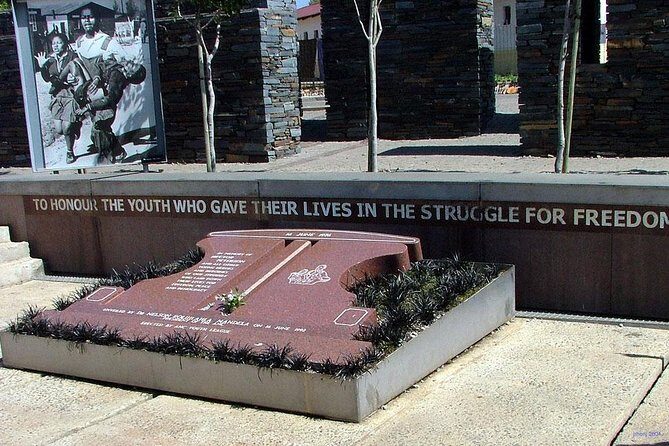
You begin at Nelson Mandela Square. It’s a well-known meeting point in Joburg, centered on a standout statue and a reminder that Mandela is not just a historical figure here—he’s part of the city’s current identity. Admission time is short, so think of this stop as a quick grounding point.
Next comes Houghton Estate, tied to Mandela’s home. The duration is brief, but the point is clear: you’re moving from symbolic city-center space toward the personal side of the Mandela legacy.
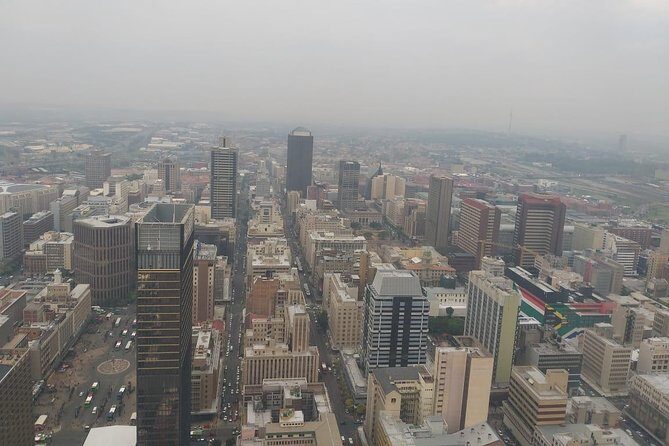
Then you bounce through viewpoints and areas that show the city’s layout. The Munro Drive Viewpoint stop is about getting a sense of scale—Joburg sprawls, and seeing the city from above makes later neighborhood stops easier to understand. You also get big-city sightlines connected to the Top of Africa area, so you’re not stuck only at street level.
Midday and late afternoon also bring you into the parts of the city that feel more like Joburg’s everyday rhythm:
- Braamfontein, described as one of the oldest recognized suburbs, with restaurants, fashion, entertainment, and loft-style living
- Newtown’s historic square area, including Mary Fitzgerald Square on Lilian Ngoyi Street
- Jobannesburg CBD, including a stop at the Carlton Centre precinct, once the tallest building in Africa and home to one of the largest malls in the city
There’s also a stop for a famous cable-stayed bridge—a quick photo moment that helps you mark the city’s major infrastructure in your mental map.
Constitution Hill: Where Justice and Injustice Are in the Same Place
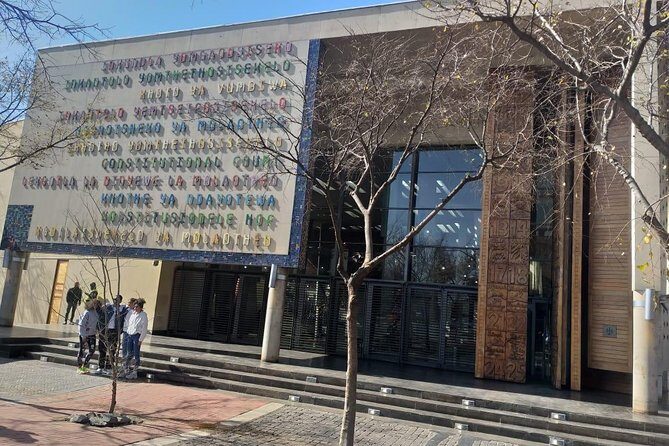
If you want one stop that explains the emotional logic of South Africa’s shift, it’s Constitution Hill Human Rights Precinct. The way this part is presented makes it more than a sightseeing stop. It frames South Africa’s “dark past” alongside the post-apartheid direction the country worked toward.
You get about 1 hour here, with admission included. That hour matters. Constitution Hill is the kind of place where you can either rush and miss the meaning, or slow down and connect the stories to what you’ll see later in Soweto and the museum.
This is also one of those spots where your guide’s tone matters. In past days with guides such as Tsholo, Mo, and Banele, the common theme from their style is clear: they can keep the day moving without turning heavy history into a lecture that kills the mood. It’s the difference between hearing facts and understanding why those facts change how people live.
One more practical thing: Constitution Hill is included regardless, but the wider museum portion depends on scheduling (more on that next).
Apartheid Museum Timing: A Ticketed Stop You Should Not Assume
The Apartheid Museum is built into the plan with 2 hours and admission included. This museum is the kind of stop that gives context to everything you see afterward—especially in Soweto, where the memory of segregation and oppression is part of the landscape.
But here’s the practical catch: the museum currently opens Thursday to Sunday. If your tour falls on another day, you may not get that museum time. One traveler even shared that the museum didn’t happen on their day, even though other key historical stops did.
So if the Apartheid Museum is your #1 priority, pick your day carefully. If you’re flexible and you mainly want the bigger picture across multiple sites, Constitution Hill plus Soweto still gives you a strong historical arc.
Soweto: Memorials, Neighborhood Stops, and Real Human Scale
Soweto is the heart of this tour. It’s not treated as a single viewpoint or a quick bus stop. You spend about 3 hours here, which allows multiple stops rather than one rushed photo.
The route includes a spread of places that help you understand Soweto as more than one story. You’ll go through areas such as Diepkloof and Orlando towers, and you’ll also see key civic and symbolic sites like Freedom Square.
There’s a health and community landmark stop listed as well: Chris Hani Baragwanath hospital. Even if you don’t go inside, being in those spaces with a guide frames what life has been shaped by—access, services, and the real-world consequences of apartheid policy.
Several memory-focused stops are part of the plan. You’ll likely make time for:
- Hector Pieterson Memorial and Museum
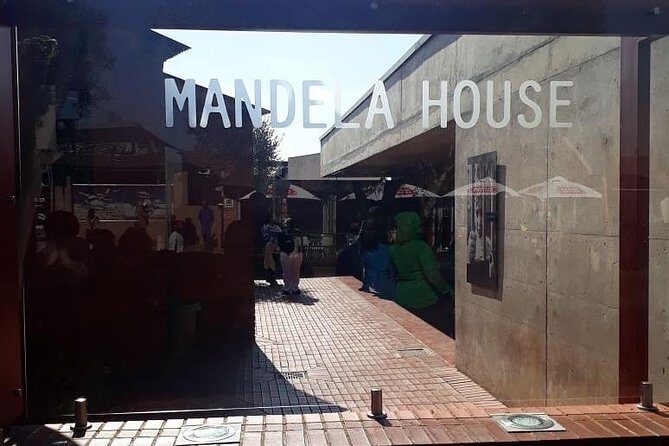
- Nelson Mandela’s house
- Desmond Tutu’s house
- Vilakazi Street, famous as one of the notable streets tied to South Africa’s leaders
The plan also references a squatter camp tour. This is one of the stops where your guide’s approach matters. You’ll be dealing with visible poverty and the long after-effects of forced removals and segregation. The goal isn’t to shock you. It’s to show the link between policy, place, and people.
A practical tip that came up in guide-led groups: one suggestion is to bring small items like pencils, booklets, or soccer balls if that’s something you’re comfortable doing. It’s not a requirement, but it’s a concrete idea if you want your visit to feel less like watching and more like supporting.
In some Soweto portions, your guide may connect you with a community organization—one group highlight referenced the Kliptown Youth Program as an inspiring end to the day. Whether or not that specific extra stop happens for you, the bigger takeaway is the same: Soweto isn’t just a historical exhibit. It’s where life continues, with organizations, schools, churches, and family life all woven into the day.
Also, take note of this mood shift: Soweto tends to be more emotional than the city-center stops. If you’re the type of traveler who prefers your history delivered gently, tell your guide and let them know how you want the conversation handled.


Views, Stadiums, and City Landmarks That Keep the Day Moving
Between the museums and Soweto, the tour uses a smart rhythm: a mix of walking-short stops and photo-worthy landmarks. That helps a long day feel manageable.
You’ll see a few “big Joburg” landmarks that give scale:
- FNB Stadium, described as the largest football stadium in Africa and the main venue for the 2010 FIFA World Cup
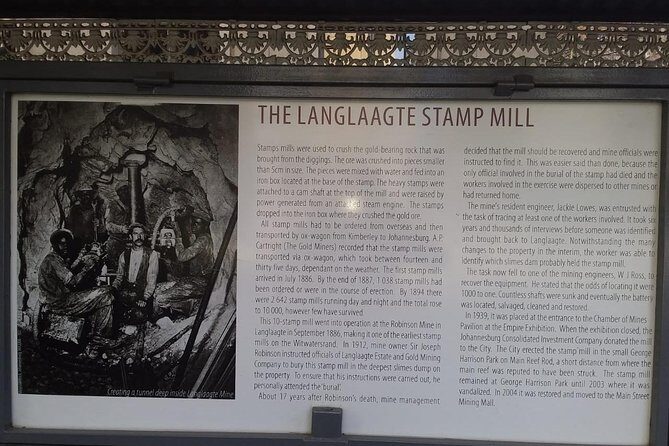
- The Mining District, tied to mining headquarters and an outdoor mining museum area
- A stop at Mahatma Gandhi Square, including a statue of Gandhi and a short history context
- Multiple city squares and neighborhood nodes like Mary Fitzgerald Square and parts of Newtown
You also get the chance to look out over the city. The viewpoint segment and Top of Africa area views help you understand Johannesburg’s vertical and sprawling character. When you later see different parts of town, it’s easier to place what you’re seeing.
And yes, the tour does move. That’s part of the value: you can check many famous stops off your list without losing half the day to transit. The vehicle ride is a big reason people feel less stress compared with bus-style touring.
The Guides Make or Break the Experience
This is one of those tours where the guide really matters. With a max group size of 10, you’re not anonymous. You’re in the hands of someone who can explain what you’re seeing and tailor the pace to your group.
Three names came up again and again: Tsholo, Mo, and Banele. The pattern in their guiding style was consistent: lots of context, clear explanations of why each stop matters, and a human touch when the day gets heavy. One traveler even noted that the guide took them to a more personal Soweto connection, which made the visit feel more authentic than a standard checklist.
There’s also a strong theme around comfort and safety. In multiple accounts, people said they felt taken care of and safe during Soweto and throughout the day. That doesn’t mean you can ignore basic travel sense, but it does mean the tour is built to keep you together and moving with confidence.
One more point: the best guides don’t just toss facts at you. They make the history understandable—how South Africa’s political decisions shaped neighborhoods, streets, and daily life.
Price and Value: What $106.40 Buys You
At $106.40 per person, you’re paying for more than transportation. You’re buying a tightly scheduled day with an air-conditioned vehicle, bottled water, and ticketed admission at several major stops:
- Nelson Mandela Square (short admission time included)
- Constitution Hill Human Rights Precinct (admission included)
- Apartheid Museum (2 hours with admission included, if open that day)
Many other stops are free in the plan, which helps keep the day efficient. You’re also not paying separate transport costs between widely spread city areas and Soweto, which is a big deal if you’re short on time.
Meals are the one place where you need to be realistic. Dinner and breakfast aren’t included, and lunch isn’t included either. Still, there can be a food stop that lets you try traditional South African meals, but you should budget since lunch isn’t guaranteed as included.
Overall, the price feels fair if your goal is to get a clear overview quickly, with a guide, in one day. It’s less of a value play if you’d rather wander slowly and skip some of the more structured stops.
Who This Tour Suits Best (and Who Might Want a Different Plan)
This works best for you if:
- you have limited time and want a high-impact Johannesburg overview
- you care about the history of apartheid and the post-apartheid story in specific places
- you like guided context more than self-guided driving
- you prefer a small group and an air-conditioned vehicle over long waits and public transit stress
It might be less ideal if you:
- hate long days and want minimal time in a vehicle
- are sensitive to heavy topics and want only lighter sightseeing
- have your heart set on the Apartheid Museum without checking the Thursday–Sunday opening window
If you’re traveling with teenagers or older kids, the Soweto portion often lands well because it’s concrete: memorials, homes, and streets you can point to. Even when it’s emotional, it gives a clearer picture than reading a page or watching a clip.
Should You Book This Ultimate Johannesburg Tour?
I’d book it if you want an organized way to connect the city’s landmarks to the story that shaped them—especially if you can visit on a Thursday, Friday, Saturday, or Sunday so the Apartheid Museum timing works. It’s a strong pick for first-timers who want clarity fast.
I’d hesitate only if you’re easily overwhelmed by the emotional weight of the apartheid narrative or you’re on a day when museum hours might block your ideal stops. In that case, you may still get plenty from Constitution Hill and Soweto—but it’s worth aligning your expectations with what’s actually open that day.
Bottom line: this tour is a full-day “get your bearings” experience that combines landmark Johannesburg with real historical places. If you want one day to set the tone for the rest of your South Africa trip, this is the sort of itinerary that does that.
FAQ
What time does the tour start, and how long is it?
The tour starts at 8:30 am and typically lasts about 7 to 9 hours.
Is pickup included?
Yes. Pickup is offered, and the tour uses a comfortable air-conditioned vehicle.
What admissions are included in the price?
Admission is included at Nelson Mandela Square, Constitution Hill Human Rights Precinct, and the Apartheid Museum.
Is the Apartheid Museum always part of the tour?
The Apartheid Museum currently opens from Thursday to Sunday. If your tour day falls outside those days, the museum stop may not be available.
Is lunch included?
No. Lunch, dinner, breakfast, coffee/tea, and alcohol are not included.
How big is the group?
The tour has a maximum of 10 travelers.