Johannesburg hits hard in the best way. This full-day private tour strings together the city’s most meaningful sites—from Apartheid Museum to Soweto—with a local guide who helps it all make sense, not just look impressive. You’ll also cover key landmarks in the CBD and along the route tied to Nelson Mandela, Desmond Tutu, and the struggle for freedom.
What I like most is the way the day stays organized and human. You’re in an air-conditioned vehicle with bottled water, and it feels practical for a long 9-hour itinerary rather than a rushed checklist. I also love that the tour includes museum admission, so you’re not stuck figuring out ticket lines mid-day.
One thing to consider: lunch isn’t included, and it’s a long day, so you’ll want to plan for food and rest stops. With the mix of emotionally heavy places, that little planning makes the whole day feel smoother.
In This Review
- Key highlights worth your attention
- A One-Day Route Through Johannesburg’s Contrasts
- Pickup and a Private Day That Actually Feels Personal
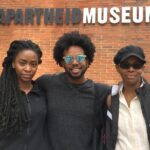
- The Apartheid Museum: The Anchor Stop
- Mandela, Tutu, and the Places Between Homes and History
- Hillbrow, Carlton Center, and the CBD Context
- Constitutional Hill: Where Law Meets Reality
- Kliptown, Regina Mundi, Freedom Square, and the Soweto Storyline
- Healthcare, Hospitals, and the Reality Beyond Slogans
- How the Route Feels: Long Day, Good Pacing, Real Questions
- Transport, Water, and the One Thing to Plan: Lunch
- Price and Value: Is $86.27 a Fair Deal?
- Who This Tour Suits Best (and Who Might Want to Rethink)
- Should You Book This Johannesburg Soweto and Apartheid Museum Day?
- FAQ
- What time does the Johannesburg full-day tour start?
- How long is the tour?
- Is hotel pickup included?
- What’s included in the price?
- Is lunch included?
- Is this tour private?
- Are alcoholic beverages included?
- What’s the cancellation policy?
- Is this tour suitable for most travelers?
Key highlights worth your attention
- Private guide time that keeps questions flowing, not just headcount
- Apartheid Museum admission included, so you can focus on the story
- Constitution Hill + CBD stops for the legal and political context behind the city
- Soweto-focused moments tied to Mandela and the Hector Pieterson Museum area
- Guides like KG, Nthatu, Pastor, and Lindela are repeatedly praised for making visitors feel at ease while visiting sensitive neighborhoods
- Hotel pickup and an air-conditioned vehicle, which matters when you’re doing 9 hours of driving and walking
A One-Day Route Through Johannesburg’s Contrasts
This is the kind of Johannesburg day where you start seeing patterns, not just monuments. One moment you’re in places tied to courts, constitutions, and the new South Africa. The next, you’re in the Soweto area, where the struggle for dignity shows up in real streets and real community life.
The big advantage here is that the route connects people and ideas. You don’t only hear about apartheid in general terms. You get the links between where policy was decided, where resistance grew, and how leaders’ lives shaped what followed.
If you want a “get your bearings fast” day, this works. You’ll leave with names, locations, and a clearer sense of why Johannesburg looks the way it does today.
You can also read our reviews of more museum experiences in Pretoria

Pickup and a Private Day That Actually Feels Personal
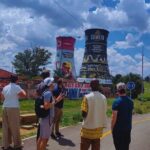
The tour includes pickup from your hotel (or other accommodations), and that’s a real quality-of-life upgrade in Johannesburg. Starting at 9:00 am means you can get into key stops without feeling like you’re constantly late.
Because it’s a private tour, you’re not stuck waiting for a large group to move. That matters when your guide is explaining context at each location—especially at sites tied to pain, injustice, and political change. A private setup also makes it easier to ask the questions you’re holding back.
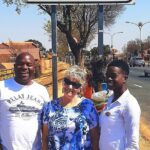
Guides running this route—KG, Nthatu, Pastor, and Lindela—are often described as friendly and organized, and that’s exactly what you need for a day like this. You’ll likely cover a lot, but the pace tends to feel controlled rather than chaotic. In at least one case, KG was even helping with photos during the day, which is a handy bonus if you want better pictures without fuss.
The Apartheid Museum: The Anchor Stop
If you’re choosing one “must” on this tour, make it the Apartheid Museum. The entire route makes more sense once you’ve seen how the system worked—what it did, how it was enforced, and why it left long shadows.
This museum is included with admission, which I appreciate because it saves time and avoids last-minute admin. Plan for an experience that asks you to slow down. Even if you’re an efficient museum visitor, it’s the kind of place where your brain keeps turning over themes after you walk out.
Why it’s valuable: it doesn’t just tell you that apartheid existed. It gives you the structure behind the story, so later stops—Mandela-related sites, Soweto references, and Constitution Hill—land with more weight.
Possible drawback: if you’re emotionally sensitive, this is the portion of the day that can feel heavy. Build in a small reset when you can—water, a deep breath, and a short walk before you jump into the next stop.
Mandela, Tutu, and the Places Between Homes and History
The tour includes visits tied to major leaders in the struggle and the new era. You’ll see Mandela House in Houghton and also another Mandela House stop connected with Soweto. You’ll also pass by or visit sites tied to Tutu House.
These aren’t just “celebrity locations.” They’re places that help you understand how leadership connected to home life, community, and ongoing public change. Seeing multiple Mandela House connections in the same day helps you track the shift from struggle to governance, even if you don’t know the details yet.
What you should expect: your guide will connect the site to real timelines and themes, not just name-dropping. That’s where the private format really shows. You can ask, for example, how events in the city relate to what was happening in Soweto, and you’ll get answers tied directly to what you’re standing near.
Hillbrow, Carlton Center, and the CBD Context
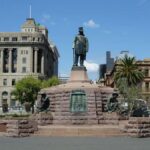
Your day also includes stops and viewing points around the Johannesburg CBD—areas like Hillbrow and the Carlton Centre (noted as the tallest building in Africa). This part of the route helps you understand the city’s scale and layout, and it puts the rest of the story into a modern setting.
Even if you’re not spending tons of time in every street, getting oriented here matters. Johannesburg isn’t a small museum town. It’s a working metropolis with neighborhoods that have gone through huge change.
I like that the tour doesn’t pretend the story is only in the past. It includes landmarks that show what the city became—and what pressures shaped it.
A few more Pretoria tours and experiences worth a look





Constitutional Hill: Where Law Meets Reality
Another major anchor is Constitution Hill and its courtroom area. This is where the tour earns its “history with meaning” reputation. The idea here isn’t only to learn what happened. It’s to understand how the country tried to build a different future using law, rights, and institutions.
You’ll also visit parts associated with legal history, including the Constitutional Court area and other nearby landmark buildings in the mix. Your guide’s job is to connect the dots: why a place like this exists, and why it matters beyond architecture.
Practical note: this stop can involve some walking and standing around. Wear comfortable shoes. You’re doing a full day, and your feet will be your main limiting factor—not your ability to hear the story.
Kliptown, Regina Mundi, Freedom Square, and the Soweto Storyline
This is where the day becomes intensely real. The route includes the Kliptown informal settlement, Regina Mundi Church, Freedom Square, and then moves into Soweto with sites like Hector Pieterson Museum and additional Mandela House-related stops.
Kliptown and Regina Mundi are often where people start to connect “freedom” with community life instead of only political speeches. Freedom Square helps frame how public gatherings and collective action became part of the struggle.
Then comes Hector Pieterson Museum, which is specifically tied to youth and resistance history. This stop tends to be one that sticks because it’s personal, not abstract. Even if you’ve read about the period before, seeing the location and hearing the context is the difference between knowing and understanding.
Possible consideration: because the day covers multiple emotionally significant sites, it can get intense back-to-back. If you feel yourself tiring, tell your guide. A good guide will adjust pacing, not just “keep moving.”
Healthcare, Hospitals, and the Reality Beyond Slogans
You’ll also pass through or stop at Chris Hani Baragwaneth Hospital (spelled in the itinerary list as Christ Hani baragwaneth hospital). It’s not a typical “tourist landmark,” and that’s exactly why it belongs here.
Why it matters: it brings the story out of politics and into daily life—how South Africa’s challenges show up in systems like healthcare. Even short visits or viewing moments can broaden your understanding of what “after apartheid” means on the ground.
I don’t expect this to be everyone’s favorite stop. But for many people, it’s the one that makes the day feel grounded rather than staged.
How the Route Feels: Long Day, Good Pacing, Real Questions
This tour runs about 9 hours. That’s long enough that comfort and pacing matter more than you might think before you book.
The best part is how the day is built to fit into a single outing: you get the big-name history stops, plus connecting city context, plus Soweto sites. The private guide format helps keep it from feeling like a forced march.
In reviews, guides like KG and Lindela are specifically praised for answering questions patiently and keeping visitors feeling safe and confident in sensitive areas. That makes sense. When a day includes neighborhoods associated with pain and political conflict, you don’t want awkward silences or uncertainty about what’s appropriate.
If you’re worried about doing this kind of tour alone, a private guided day helps. You’re not improvising directions. You’re following a plan, with a person whose job is to explain and look after timing.
Transport, Water, and the One Thing to Plan: Lunch
You’ll ride in an air-conditioned vehicle and get free bottled water. Those two details sound minor until you’re sitting in Johannesburg heat and you still have hours left.
What’s not included: lunch and alcoholic beverages. This matters. The tour is long, and you’ll want to eat before you’re hungry enough to get cranky or distracted.
My practical suggestion: pick an easy lunch plan before you go out. If the guide offers time to grab food during the day, treat it like a schedule tool, not an afterthought. A sandwich, fruit, or a simple meal can keep the rest of the story easier to absorb.
And don’t forget the basics: sun protection and comfortable footwear. You’ll be standing and walking enough to notice if you show up unprepared.
Price and Value: Is $86.27 a Fair Deal?
At $86.27 per person for around 9 hours, this tour compares well because several costs are wrapped in. You’re not only paying for transport and a guide; you’re also getting museum admission included, plus all fees and taxes. That combination matters because Johannesburg activities often add up once you start paying separately.
You’re also getting a private experience with pickup, not a crowded group bus model. For solo travelers or couples who want personal time and flexible question-stops, that value tends to feel real.
The main “cost” you should budget for is lunch. Once you handle that, the rest of your day is mostly taken care of.
If you’re tight on time and want a meaningful first day in Johannesburg, this price can feel like a shortcut to clarity—pay once, then spend your next days exploring more deeply.
Who This Tour Suits Best (and Who Might Want to Rethink)
This tour is a strong fit if you want:
- a first-day introduction to Johannesburg history and Soweto
- a single day that connects apartheid-era systems with real places
- a guided day where you can ask questions and move at a sensible pace
It may be less ideal if:
- you don’t want long museum-style learning in a single day
- you’re trying to do the most emotional sites with minimal walking or minimal time on your feet
- you need an itinerary that’s lighter and more flexible around rest
If you’re the type who likes to understand why a city is the way it is, you’ll probably appreciate how much this day tries to connect themes.
Should You Book This Johannesburg Soweto and Apartheid Museum Day?
I’d book it if you’re serious about understanding Johannesburg rather than just collecting photos. The tour’s value comes from pairing Constitution Hill and Apartheid Museum with the Soweto storyline—so you don’t treat history like separate chapters.
Book it sooner rather than later if you can. This kind of tour is often scheduled with limited slots, and it’s best when you lock in your preferred date. Also, go in ready for emotional content and do your part: comfortable shoes, water handled for you, and a simple lunch plan on your end.
If you want a day that feels organized, guided, and grounded—especially with guides like KG, Nthatu, Pastor, and Lindela noted for making visitors feel at ease—this is a solid choice.
FAQ
What time does the Johannesburg full-day tour start?
It starts at 9:00 am.
How long is the tour?
The tour duration is about 9 hours.
Is hotel pickup included?
Yes. Pickup is offered from your hotel or alternative accommodations.
What’s included in the price?
The tour includes an air-conditioned vehicle, bottled water, all fees and taxes, and an admission ticket (the Apartheid Museum admission is included).
Is lunch included?
No. Lunch is not included.
Is this tour private?
Yes. It’s a private tour/activity, and only your group will participate.
Are alcoholic beverages included?
No. Alcoholic beverages are not included.
What’s the cancellation policy?
You get free cancellation up to 24 hours in advance for a full refund.
Is this tour suitable for most travelers?
It’s listed as most travelers can participate.
—
If you tell me your travel dates and whether you’re traveling solo or as a couple, I can help you decide if this timing fits your overall South Africa plan.