REVIEW · PRETORIA
Apartheid History of South Africa (Full day Experience with lunch
Book on Viator →Operated by Honest Travel Experience · Bookable on Viator
Gold and power shaped apartheid’s machinery. This full-day route connects the dots from Johannesburg’s gold-era beginnings to Soweto’s living reality, with stops at Constitution Hill, Mandela House, the Hector Pieterson Museum, and the Apartheid Museum. I like that the story is built to explain the system itself—not just dates and names—and I also like how the day is paced across two major areas so the impact feels connected.
One thing to consider: the tour includes museum entry overall, but Constitution Hill’s admission is listed as not included in the stop details, so I’d confirm what you’ll be paying on the day.
You’ll cover a lot—on purpose. The day runs about 4 to 8 hours, rides in an air-conditioned vehicle, includes lunch, and keeps group size to a maximum of 50 people.
In This Review
- Key things to know before you go
- Why This Apartheid Tour’s Story Makes Sense
- Johannesburg Start: From Gold Discovery to the Machinery of Control
- Maboneng and Marshalltown: Street Art, Design Museums, and Lunch
- Constitution Hill Human Rights Precinct: Where Prison Becomes Evidence
- Hallmark House Deuce Bar: City Views and a Mental Breather
- Soweto: The Symbolic Heart and the Lived Reality
- Mandela House: Context for a Nobel Peace Prize Life
- Hector Pieterson Museum and Memorial: June 16 and Youth Resistance
- The Apartheid Museum: Where Everything Clicks Together
- Time, Transport, and Group Size: How to Plan Your Day
- Price and Value: Is $106.78 Worth It?
- Should You Book This Full-Day Apartheid Tour?
- FAQ
- How long is the Apartheid History of South Africa full-day experience?
- Where does the tour take place?
- Is pickup offered?
- What’s included in the price?
- Is lunch included?
- Are alcoholic beverages included?
- Do I receive a paper ticket or a mobile ticket?
- What’s the maximum group size?
- Is there free cancellation?
Key things to know before you go

- Two-city structure: Johannesburg’s gold-and-power roots, then Soweto’s reality and resistance
- Core human-rights stops: Constitution Hill, Mandela House, Hector Pieterson Memorial
- Museum time that matters: Apartheid Museum is included, and it’s the best place to connect the themes
- A practical city reset: Maboneng/Marshalltown adds street art and modern city life in between heavy sites
- Lunch built into the schedule: You get a downtown lunch break with time to refuel
- Plan for variable timing: The stated duration range can shift with traffic and the day’s museum operations
Why This Apartheid Tour’s Story Makes Sense
If you’ve ever felt that apartheid history is “too big” to fit into your head, this format helps. The route is designed around how power was built and enforced, starting with Johannesburg’s gold boom and then moving into the social engineering that kept the majority oppressed. You don’t just visit famous places—you get a framework for how the system worked and why its effects are still visible.
The other strength is balance. You see places where the past was used as policy, then you get a breather in neighborhoods like Maboneng and Marshalltown, where you’ll find creative energy, galleries, and street art. It’s not a distraction. It’s context: South Africa didn’t stop evolving after apartheid.
Finally, I appreciate the “you’ll be there” pacing. Each stop is about a set block of time, so you’re not stuck waiting around for hours, and you’re not rushed through the big memorials either.
You can also read our reviews of more historical tours in Pretoria

Johannesburg Start: From Gold Discovery to the Machinery of Control
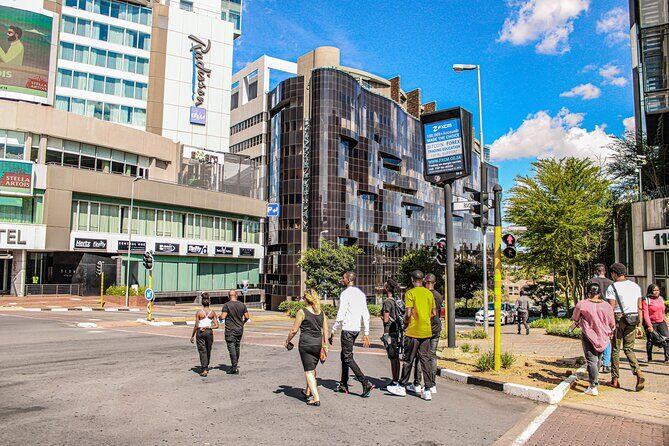
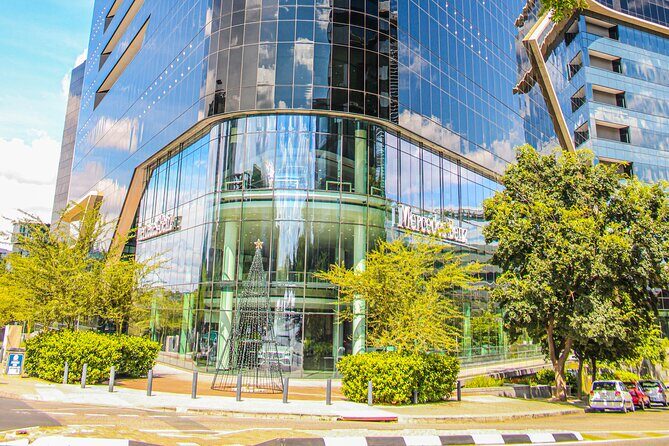
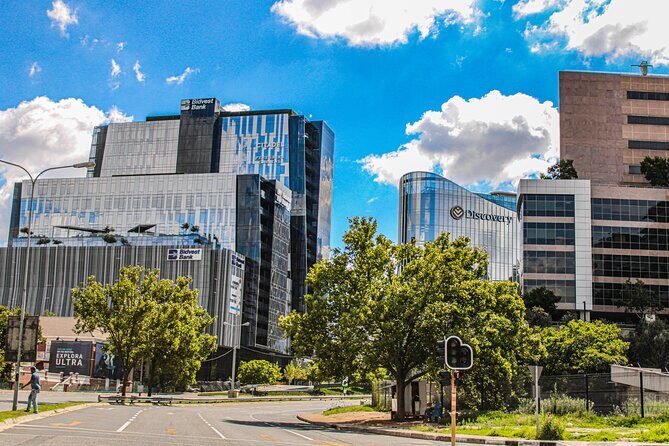
The day kicks off in Johannesburg with the idea that gold is where everything started. You’ll spend about 2 hours in the city and visit the mining headquarters of South African where the gold era really took hold. The main point here isn’t just mining trivia. It’s power—how wealth concentrates, how decisions get made far from where the impact lands, and how a city grows around extraction.
Johannesburg can feel confusing if you’re trying to read it on your own. This part helps you “get your bearings fast” by tying the city’s shape and institutions to apartheid’s broader logic. You learn to look at buildings, companies, and city influence as political forces, not just landmarks.
This stop is listed with admission free, which is nice for value. The trade-off is that the explanation and guidance matter more than the ticket does. So bring your questions, and give your guide a chance to connect the dots.
Maboneng and Marshalltown: Street Art, Design Museums, and Lunch
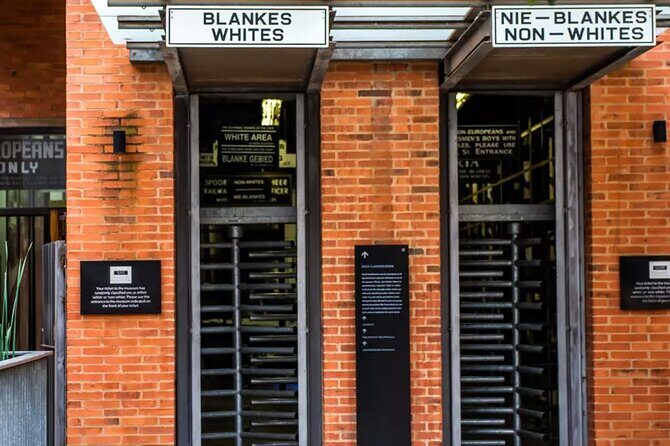
After the heavy theme of gold-driven inequality, the tour heads into Maboneng Precinct and Marshalltown for a very different kind of Johannesburg. You’ll walk through an area known for street art initiatives and cultural attractions, including the Museum of African Design and Arts on Main. This is where you see how public space can become a voice—and how neighborhoods reinvent themselves over time.
International attention has followed this kind of transformation. The tour information even notes that Forbes rated the area as one of the coolest neighborhoods in the world, and that you might hear about famous visitors like David Beckham. Treat that as extra color, not the reason to go. The real reason is what you’ll see: galleries, boutiques, and street art projects that give the city a modern identity.
Then comes a downtown lunch spot, timed for about 30 minutes, with lunch included. This matters more than it sounds. If you jump straight from memorial sites into long museum hours, you’ll burn out before you fully absorb anything. I like that the schedule builds in a reset.
Constitution Hill Human Rights Precinct: Where Prison Becomes Evidence
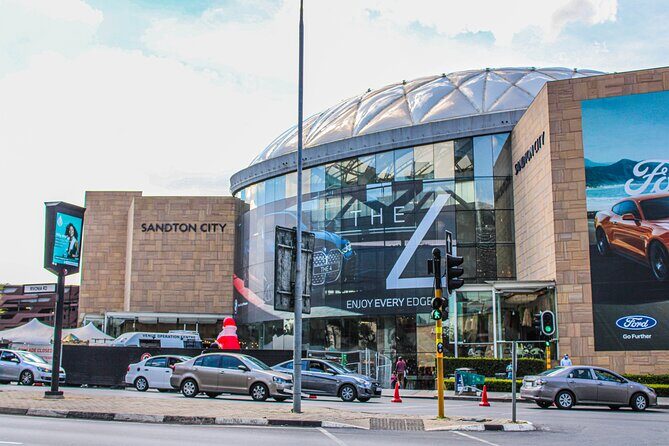
Next is Constitution Hill Human Rights Precinct, about 30 minutes. The framing is powerful: this is a political prison area originally built to imprison soldiers and it now operates as a museum space. Even if you’ve read apartheid history before, this stop helps you connect the human cost to the system’s design.
One practical note: the stop details list admission as not included here. At the same time, the overall tour package says museum entrances are included. I’d treat this as a “confirm before you arrive” moment, so you don’t get surprised if you’re asked to pay entry on site.
When you visit places like this, I recommend you keep your brain in “evidence mode.” Don’t just scan exhibits. Look for the way policies translated into daily confinement. That’s where this tour theme becomes clear: apartheid wasn’t an abstract idea. It was built into institutions.
Hallmark House Deuce Bar: City Views and a Mental Breather
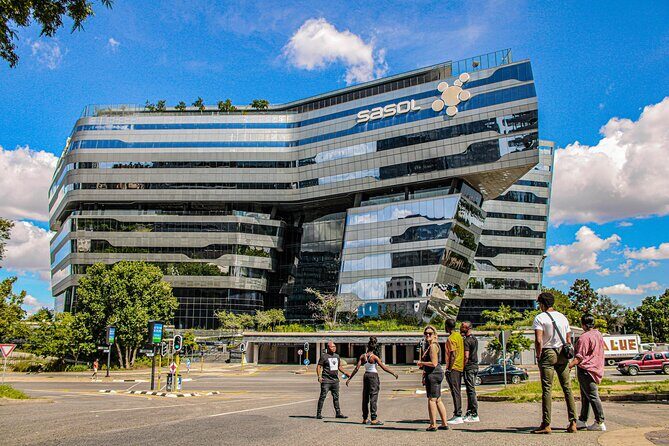
After Constitution Hill, you’ll head to Hallmark House (Deuce Bar) for another 30-minute stop. This part gives you a view of Johannesburg, with time to sip a drink or cocktail—though alcoholic beverages are not included, so plan for that.
Hallmark House is known for Sunday Sessions and live DJs, and the building has been refurbished. The tour description also mentions the space has residential apartments and the Hallmark Hotel with new owners. If you’re used to thinking of Johannesburg only through the lens of its past, this stop helps show the city moving forward in real time.
You also get a heads-up about The Marabi Club in the basement, linked to Chef Katlego. Even if you don’t eat there, it’s a reminder that cultural scenes are part of the story too. You’re not only studying oppression—you’re witnessing how people build community and nightlife now.
This stop is included with admission listed in the itinerary. It’s a small chunk of the day, but it can prevent the rest from feeling like one long emotional sprint.
A few more Pretoria tours and experiences worth a look


Soweto: The Symbolic Heart and the Lived Reality
Then it’s off to Soweto, scheduled for about 2 hours. The tour calls it symbolic, and that’s accurate—but don’t treat symbolism as something less real. Soweto represents a place where apartheid’s rules weren’t theoretical. They were enforced through where people could live, where they could go to work, and how resistance was met.
This part of the day works best when you let the guide do the connecting. Johannesburg gave you the system’s origin story through gold and power. Soweto gives you the human consequences of that system, and it sets up the next stops where resistance and leadership are the focus.
Soweto is also where you can feel the contrast between memory and daily life. Even though the schedule is structured, the place itself does not feel museum-like. It feels like a community.
Mandela House: Context for a Nobel Peace Prize Life
After Soweto’s broader chapter, you’ll visit Mandela House for about 30 minutes, with admission included. This is one of those stops where the museum framing helps you see Mandela not only as a global figure, but as a person whose life was shaped by the political storm around him.
If you want to understand apartheid history in a way that isn’t just about laws, Mandela House is a good hinge point. You start thinking about choice, leadership, and moral pressure—not just enforcement and punishment.
Also, because time here is limited, I’d focus on what you can carry forward: how his life related to the struggle, and what you’re meant to learn about the man behind the legend.
Hector Pieterson Museum and Memorial: June 16 and Youth Resistance
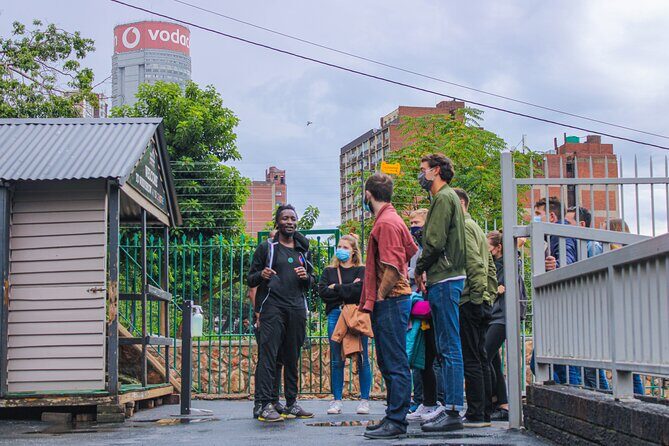
Next is the Hector Pieterson Museum and Memorial, about 30 minutes with admission included. June 16 is described as the day youth in South Africa fought for their lives. That single sentence matters. It reframes apartheid history as something people resisted when they were young, when fear was real, and when the future was at stake.
This is an emotional stop. I’d go in prepared for that. If you’re traveling with kids, this stop may hit hard, so consider what kind of explanation you can handle in advance.
The value here is clarity. This is not about abstract oppression. It’s about how quickly injustice can turn into action—and how memory is kept through places like this museum.
The Apartheid Museum: Where Everything Clicks Together
Finally, you’ll reach the Apartheid Museum for about 1 hour, admission included. The tour notes that this can be dependent on the day, but it’s still described as a definite must-see. That’s a fair warning: museums like this need time, and one hour is enough if you stay focused.
This is where the day’s earlier stops make more sense. Johannesburg’s origins in wealth and power stop feeling like separate chapters. Constitution Hill stops feeling like only a location, and Mandela House stops feeling like only a biography. You start to see a system—how apartheid organized space, identity, work, and control.
If you want to get the most out of your hour, don’t try to read everything. Instead, look for themes that repeat: separation, regulation, and the engineered everyday life of inequality.
Time, Transport, and Group Size: How to Plan Your Day
The tour runs for 4 to 8 hours, so build in buffer time around it. Johannesburg driving can move slowly depending on the day, and different museum schedules can shift the flow. The good news is that the itinerary is built as a chain of stops with reasonable time blocks.
You’ll be in an air-conditioned vehicle and can get pickup offered. That’s a practical advantage in Johannesburg traffic. It also reduces how much energy you spend figuring out where to go next.
Group size is capped at 50, which is large enough that you’ll have some movement of people around you, but small enough that the tour shouldn’t feel like a huge bus with no attention. I like this middle ground for history-heavy days: you still feel part of a group, but you’re not lost in a crowd.
Price and Value: Is $106.78 Worth It?
At $106.78 per person, the value depends on what you care about. This isn’t just a “look at the sights” day. It’s a themed route connecting apartheid’s system from Johannesburg’s gold-driven beginnings to Soweto’s lived reality, plus major museum and memorial stops.
What you get for the price is meaningful: a guide, an air-conditioned vehicle, coffee or tea, lunch, all fees and taxes, and museum entrance coverage (with the one Constitution Hill admission detail that you should confirm). There’s also a mobile ticket, which is usually a comfort when you don’t want to handle paper.
What isn’t included is alcohol—so plan for water and soft drinks if you want to take a break at Hallmark House.
I also see why many people recommend this kind of route. When you’re covering Johannesburg city center and Soweto in one day, the savings are less about money and more about time. You don’t have to stitch together transport and tickets on your own.
That said, I did spot some very harsh complaints tied to the wider company experience—especially around refunds and communication timing. I can’t verify how that applies to this exact tour date, but it’s enough for me to say: if you book, keep your confirmation details and communicate clearly, early.
Should You Book This Full-Day Apartheid Tour?
Book it if you want a structured, explanation-led day that connects apartheid’s origins to its impact—especially if you’re interested in seeing both Johannesburg and Soweto rather than treating them as separate trips.
Skip it (or at least rethink it) if you hate long days of emotionally heavy content, or if you’re the type who wants total control over exactly which admissions you pay for at each site. This tour is built around included stops, but the Constitution Hill admission detail is worth confirming.
If you’re looking for a practical way to understand apartheid as a system—how it was designed, how it operated, and how the echoes remain—this is a strong use of your time.
FAQ
How long is the Apartheid History of South Africa full-day experience?
It runs about 4 to 8 hours.
Where does the tour take place?
The tour covers Johannesburg city center and Soweto, with stops including Constitution Hill Human Rights Precinct, Mandela House, Hector Pieterson Museum and Memorial, and the Apartheid Museum.
Is pickup offered?
Yes, pickup is offered.
What’s included in the price?
The tour includes a guide, an air-conditioned vehicle, coffee and/or tea, all fees and taxes, museum entrance (with one stop listed as not included), and lunch.
Is lunch included?
Yes, lunch is included.
Are alcoholic beverages included?
No, alcoholic beverages are not included.
Do I receive a paper ticket or a mobile ticket?
You get a mobile ticket.
What’s the maximum group size?
The tour has a maximum of 50 people.
Is there free cancellation?
Yes. You can cancel up to 24 hours in advance for a full refund.