REVIEW · PRETORIA
Soweto, Apartheid Museum & Constitution Hill Day Tour
Book on Viator →Operated by Explore Joburg · Bookable on Viator
A museum day that actually makes sense. This private Soweto, Apartheid Museum, and Constitution Hill tour is built for understanding the apartheid era through the places where it happened, not just through big ideas. I especially liked the way the day blends Constitution Hill’s prisons-to-human-rights story with the on-the-ground view of Soweto, and I also liked the practical, low-stress setup (hotel pickup, a real guide’s live commentary, bottled water). One possible drawback: the pacing is brisk and some stops are short, so if you want to linger, you may feel a little rushed.
In This Review
- Two great guides, one clear takeaway
- Key points to know before you go
- The schedule that keeps a heavy day from becoming chaotic
- Constitution Hill’s prisons-to-human-rights story in 60 minutes
- Johannesburg drive-bys: Braamfontein, Mandela Bridge, and quick orientation
- The Apartheid Museum: powerful self-reading, with time limits
- FNB Stadium and the power-station stop: history with a modern face
- Hector Pieterson Memorial: symbolism plus a guided reading
- Mandela House and what you may need to pay for
- Nomzamo informal settlement walk: questions, realism, and community voices
- The Soweto hospital stop: health care, research, and daily impact
- Price and value: what $110 gets you, and what to budget extra
- Who this tour is best for (and who might want a different pace)
- Should you book the Soweto, Apartheid Museum & Constitution Hill day?
- FAQ
- How long is the Soweto, Apartheid Museum & Constitution Hill day tour?
- Is hotel pickup and drop-off included?
- What admission tickets are included?
- Do I need to pay for Mandela House?
- Is lunch included in the price?
- Is bottled water provided?
- Can I request a vegetarian option?
- Is this tour private?
Two great guides, one clear takeaway
What made this feel worth the $110 price tag was the mix of guided storytelling and time on your own. In reviews, guides like Jacob and Kevin stood out for giving a local perspective without turning everything into a lecture, and that matters when you’re dealing with heavy subject matter. If you’re sensitive to learning about oppression and inequality, plan on a serious emotional load—this is not a light sightseeing day, but it’s handled thoughtfully.
Key points to know before you go
- Private for your group: you won’t get swallowed by a big crowd, and questions feel easier to ask.
- Constitution Hill, with names and meaning: you’ll focus on the old fort/prisons era and why the court’s presence matters.
- Apartheid Museum entry is included, but 2 hours is the cap: it’s self-reading time, so come with curiosity.
- Soweto isn’t only monuments: you’ll also stop at real-life sites like Nomzamo informal settlement and learn how today’s challenges show up.
- Mandela House entrance isn’t included: you may need extra funds if you want to go inside.
- A lot is packed into 5 to 6 hours: great for a first-timer, less ideal if you want a slow day.
You can also read our reviews of more museum experiences in Pretoria

The schedule that keeps a heavy day from becoming chaotic
This is designed as a focused half-day style tour stretched to about 5 to 6 hours. You get hotel pickup and drop-off, and the driver/guide provides live commentary while you travel between sites. That matters in Johannesburg-area logistics, where the day can otherwise turn into a lot of finding things and then rushing to be on time.
The flow is also intentional: you start with Constitution Hill, then move through parts of Johannesburg, spend time at the Apartheid Museum, and finish with key Soweto stops. It feels like the tour is trying to answer one question: how did the system work, how did people resist, and what is left to deal with today?
If you’re the type who likes an organized plan for meaningful places, you’ll probably like the structure. If you prefer long museum browsing and sitting with one room for 45 minutes, you might want to treat this as a “best hits” day rather than a deep research day.
Constitution Hill’s prisons-to-human-rights story in 60 minutes
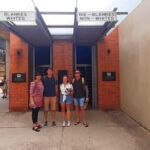
Your first stop is Constitution Hill Human Rights Precinct, where the old fort and prisons connect apartheid-era detention to today’s constitutional system. The prisons were built by Paul Kruger in the late 1800s, and the precinct is tied to the detentions of people like Mahatma Gandhi, Robert Sobukwe, and Nelson and Winnie Mandela.
What I like about this start is that it sets the tone early. You’re not leaving it vague. You’re seeing the physical place where injustice happened, and then hearing the explanation of why the court’s presence in the same space is so meaningful. The tour here is a 60-minute highlights tour with admission included, so you get guided framing without spending half your day behind the same walls.
A small consideration: 60 minutes is not “see everything slowly” time. It’s a highlights-and-meaning approach, so you’ll want to stay mentally switched on—this is the best moment to let your guide’s context do its job.
Johannesburg drive-bys: Braamfontein, Mandela Bridge, and quick orientation
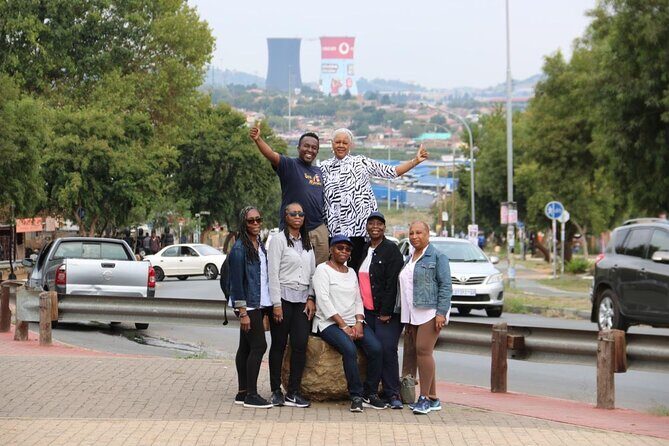
Between the major sites, you’ll do a drive through key inner-city Johannesburg areas. This part is short, but it helps you build bearings. You’ll pass areas like Braamfontein, known as a student neighborhood and home to the University of Witwatersrand. There’s also a note about The Playground being relevant on Saturdays only, when it becomes a craft and arts market walk.
You’ll also cross the Nelson Mandela Bridge and pass by places such as Bree Taxi Rank and Newtown. Then you’ll spend a moment looking at a 5-minute timeline summary shown on window panels at the Chancellor House Mandela & Tambo Attorneys building.
This is the “mental map” portion of the day. It’s not the main attraction, but it makes the later stops land harder because you understand where you are in the city story. If you hate car time, keep in mind this portion is meant to shorten guesswork later.
The Apartheid Museum: powerful self-reading, with time limits
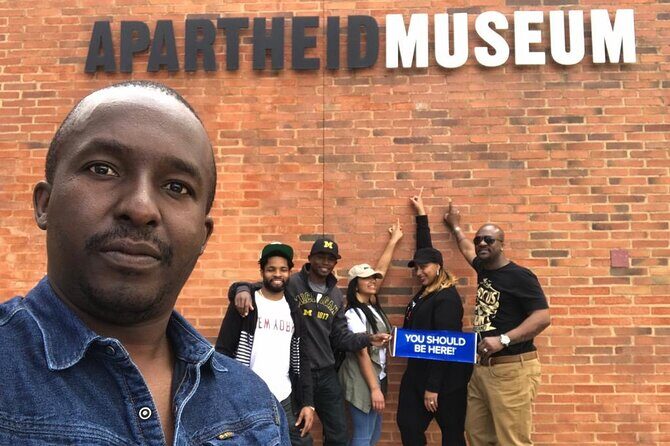
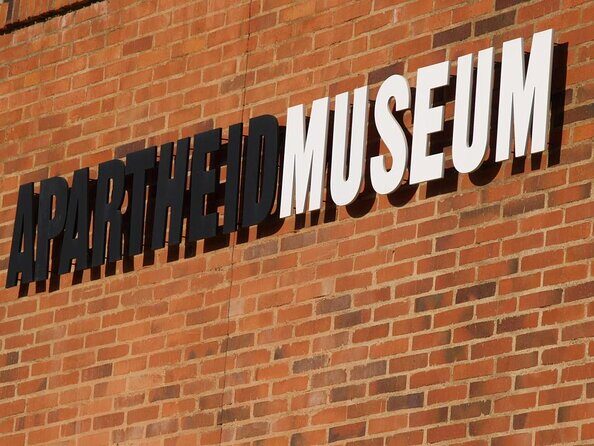
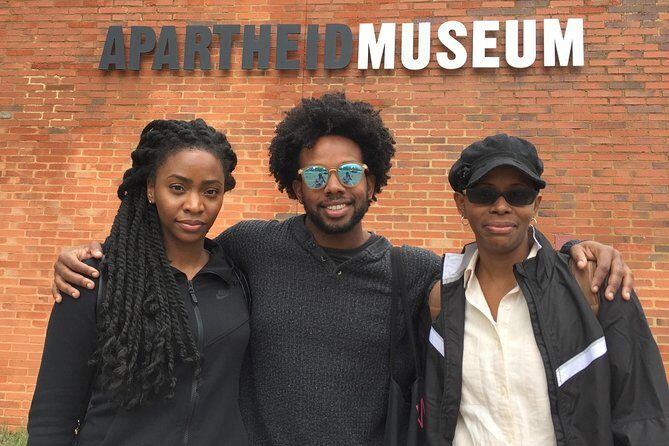
The day’s centerpiece inside is the Apartheid Museum. You get 2 hours of self-reading time, and admission is included. This museum is built to communicate how racial segregation shaped everyday life, using material produced and curated through historians, journalists, filmmakers, and other organizations with access to relevant archives and real artifacts.
Here’s the practical truth: 2 hours is enough to get the message, not enough to master every detail. And you may find the museum organized in a way that’s emotionally intense, with lots to read and absorb. That can be a good thing—self-paced time means you can focus on the panels and sections that hook you—just don’t expect “complete” coverage.
One more thing to be aware of: the operator notes they’re not liable for operational closures of the Apartheid Museum without notice. The alternative is still aligned with the theme, but it’s still a reminder to keep flexibility in your plans. If this museum is the reason you chose the tour, consider arriving in Pretoria with enough buffer to handle changes.




FNB Stadium and the power-station stop: history with a modern face
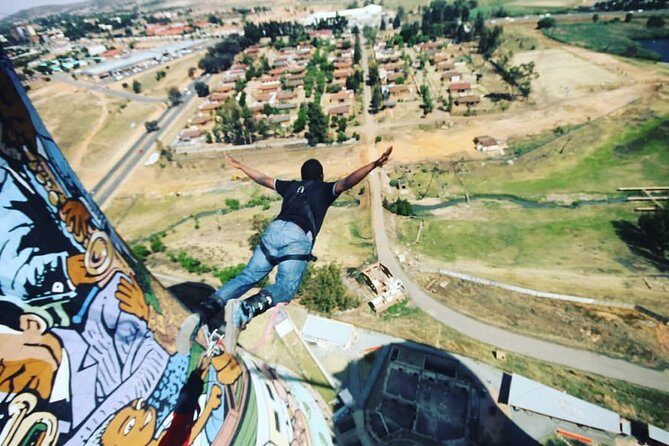
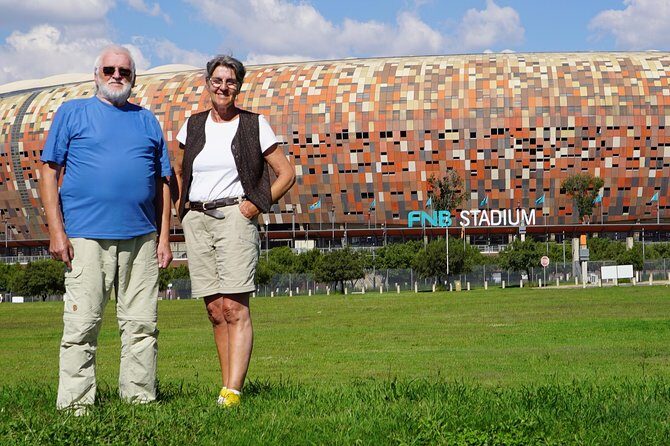
After the museum, you’ll get an outdoor photo moment at FNB Stadium, a big landmark tied to the 2010 Soccer World Cup and a seating capacity of about 95,000. It’s quick, but it does something useful: it grounds the day in a South Africa that kept moving forward, even while people demanded change.
There’s also a stop at an old electricity power station that has been converted into a bungee jumping, entertainment facility, and restaurant. This kind of stop can feel “off topic” if you want everything to stay purely historic. But in practice, it helps you understand a city that repurposes industrial structures instead of freezing them in time.
If you’re the kind of traveler who gets frustrated by anything that feels like a detour, you might wish this portion was skipped. I think it can work well if you treat it as a pause—especially on a day that started with prisons.
Hector Pieterson Memorial: symbolism plus a guided reading
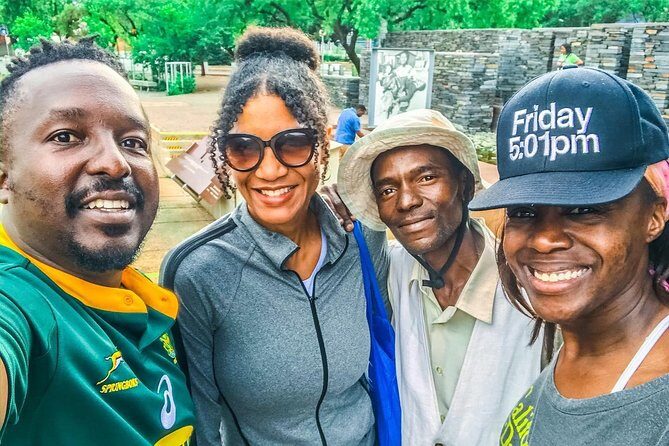
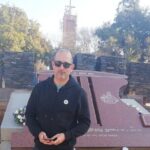
Next is the Hector Pieterson Memorial, explained with a local Sowetan site guide. You’ll get an overview briefing that breaks down the symbolic structures and what they represent, and you’ll also hear how life is today for average residents.
I like this stop because it connects memory to the present. Instead of stopping at who suffered, it tries to help you understand why the memorial matters beyond a photo. You’ll have about 15 minutes here, so again: it’s a framing stop, not a long sit-down.
If you want to turn this into something personal, pay attention to the guide’s interpretation of the symbols. That’s where the memorial turns from architecture into meaning.
Mandela House and what you may need to pay for
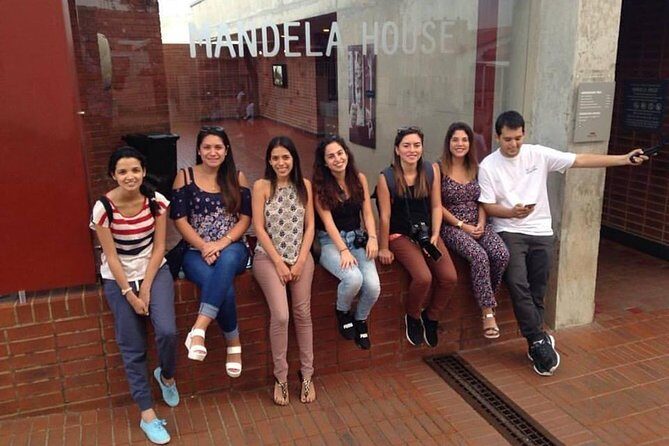
Then you’ll visit Mandela House in Soweto. The tour includes a 10-minute walkthrough with site guides, sharing details about Mandela’s life with his first wife Evelyne and then Winnie. This stop is not included in full because the entrance to Mandela House is not included, so you should plan for potential extra costs depending on what you want to do onsite.
This is another pacing reality: 10 minutes won’t replace a longer museum-style visit. But with the right mindset, it works as a focused “human story” counterweight to the bigger system-level understanding from Constitution Hill and the Apartheid Museum.
If you’re on a tight budget, decide ahead of time whether you want to spend extra to enter. If your goal is simply to connect the names to places, you can still use the guide’s orientation without going too deep inside.
Nomzamo informal settlement walk: questions, realism, and community voices
In Soweto, you’ll spend time at Nomzamo Shanty Town, an informal settlement. Here, local residents guide a 10-minute walking presentation, followed by time for questions and answers.
This stop is included as admission-free, and it’s one of the most practical “what life is like now” moments on the schedule. You’ll learn how unemployment pressures affect real people day to day, and you’ll hear how residents manage to survive and make ends meet.
The tour also offers a gentle, optional way to help: you’re invited to bring a gift to assist residents directly. Whether you do that depends on your comfort and your planning, but it’s a clear signal that the goal isn’t just to observe.
Because this involves real homes and people living their daily lives, keep your questions respectful and short. Ask what the guide suggests is appropriate, listen first, and don’t treat it like a show.
The Soweto hospital stop: health care, research, and daily impact
After the memorial and Mandela House, you’ll get a brief narration connected to a major hospital described as the 3rd largest hospital in the world. You’ll hear what role it plays for Soweto residents and also that it’s part of international medical research.
This is quick, but it adds an important layer: apartheid history isn’t only about laws and protests. It’s also about what those systems did to access—health, safety, and long-term outcomes.
Even if you only catch a few minutes of this part, it helps connect the day’s big themes to how people live now.
Price and value: what $110 gets you, and what to budget extra
At $110 per person, this tour feels priced like a guided day that includes major admissions and avoids transportation headaches. What you’re paying for is not just the visits—it’s the combination of private group structure, hotel pickup and drop-off, and a guide to connect the dots between places.
Included costs:
- Constitution Hill admission
- Apartheid Museum admission
- Bottled water
- Driver/guide + live commentary
Not included costs you should think about:
- Lunch (available for purchase around 12 noon)
- Alcohol (sold separately)
- Mandela House entrance
So the money question isn’t only the base price. It’s also whether you’ll want to pay for Mandela House, plus what you’ll do for lunch.
If you’re traveling with a friend, doing this as a private tour often feels like good value compared to cobbling together multiple tickets and guides. If you’re traveling solo and you’re comfortable navigating on your own, you might compare against cheaper group options—but then you’d lose the “guided meaning” part that makes this day work.
Who this tour is best for (and who might want a different pace)
This tour fits best if you want:
- a first-timer day that covers major sites in a sensible order,
- a guide who brings local perspective, not just facts,
- a mix of formal museums and human-scale stops like memorials and Soweto community visits.
It might not fit as well if you:
- hate structured schedules and want slow, deep museum time,
- want lots of time inside Mandela House (entrance isn’t included and the stop is brief),
- can’t handle emotionally intense content in one sitting.
Based on guide-focused feedback you can expect a careful, safe-feeling experience when your guide is doing his job well. In reviews, guides such as Jacob and Kevin were specifically praised for being informative, communicating clearly, and making people feel well taken care of.
Should you book the Soweto, Apartheid Museum & Constitution Hill day?
Yes—if you want a guided, coherent day that connects apartheid-era history to modern South Africa through real places. The private format, included admissions, and the way the tour mixes Constitution Hill’s prison-to-rights narrative with Soweto’s present-day realities make it a strong “understand the big picture fast” option.
I’d especially recommend booking if this is your first time in Johannesburg/Pretoria and you don’t want to spend your day figuring out timing, entry points, and how everything links together. Do keep one eye on budget for lunch and Mandela House entrance, and mentally prepare for a serious day rather than a casual one.
If you want, tell me your travel month and whether you’re mainly museum-focused or Soweto-focused, and I can suggest how to plan the rest of your day around this stop.
FAQ
How long is the Soweto, Apartheid Museum & Constitution Hill day tour?
The tour lasts about 5 to 6 hours.
Is hotel pickup and drop-off included?
Yes. The tour includes hotel pickup and drop-off.
What admission tickets are included?
Admission to Constitution Hill and the Apartheid Museum are included.
Do I need to pay for Mandela House?
Yes. Mandela House entrance is not included.
Is lunch included in the price?
No. Lunch is available to purchase around 12 noon.
Is bottled water provided?
Yes. Bottled water is included.
Can I request a vegetarian option?
Yes. A vegetarian option is available if you advise at booking.
Is this tour private?
Yes. It’s a private tour/activity, and only your group participates.