REVIEW · PRETORIA
Soweto Half Day Tour
Book on Viator →Operated by Tsalanang Tours · Bookable on Viator
Soweto makes a fast first impression. This half-day tour is built for getting your bearings fast—you’ll cover major landmarks like FNB Stadium, Vilakazi Street, Mandela House, and the Hector Pieterson Museum with a guide’s on-the-ground context. I especially like the small-group pace (so questions don’t get lost) and the fact that key stops include admission, including the museum. One thing to consider: it’s a sprint. If you want slow, in-depth exploring, you’ll feel time pressure.
You also get a real sense of how Soweto sits in modern Johannesburg, not as a single story but as a patchwork of neighborhoods and experiences. I’d call this one of the most practical ways to make first contact with Soweto without trying to plan drives and ticket timing yourself.
In This Review
- Key highlights that matter
- Why a half day in Soweto works (even if you have limited time)
- The van, the pace, and the small-group feel
- FNB Stadium: why a “drive-by” can still be useful
- Soweto Towers: the outside view that sets the scene
- Vilakazi Street and souvenir time on a famous lane
- Mandela House: outside views, optional entrance, and how to choose your time
- Hector Pieterson Museum and Memorial: the stop that anchors the day
- What makes the guides stand out (and why you should care)
- Price and value: what $63.26 buys you in real terms
- Safety, comfort, and that one awkward warning sign to take seriously
- Who this tour suits best (and who should tweak the plan)
- Final call: should you book this Soweto half-day?
- FAQ
- How long is the Soweto Half Day Tour?
- What sights are included?
- Is pickup included?
- How big is the group?
- Does the tour include admission tickets?
- Is lunch included?
- Is air-conditioning provided?
- Is bottled water provided?
- What is the cancellation policy?
- Does weather affect the tour?
Key highlights that matter
- Small-group touring: capped at 10 people, with a listed maximum of 13, which helps keep the day personal
- Air-conditioned transport: bottled water and a vehicle that keeps you moving between dispersed stops
- Hector Pieterson Museum included: admission is built in for the most emotionally important stop
- Vilakazi Street time for browsing: a focused 30 minutes for souvenirs and atmosphere
- Mandela House is outside-first: you’ll see it from outside, with optional time to enter at your own cost
- A guide who can explain daily life: multiple guides named in past tours (like Thabang and Banele) are praised for making history make sense
Why a half day in Soweto works (even if you have limited time)

Soweto is big, and it’s not the kind of place you enjoy by “winging it” for half a day. The value here is simple: you get an efficient route paired with commentary that turns landmarks into context. Instead of treating the day like a photo checklist, the guide helps you understand what you’re seeing and why it matters.
This is also a great fit for your first day in Johannesburg. When you arrive with jet lag—or just a head full of big-city noise—a tight, guided introduction can make the rest of your trip easier. You start picking up names, places, and timelines, and those details stick better than random reading.
The pacing is the trade-off. You’re moving at “best hits” speed. If you plan to add extra museum time, souvenir browsing, or a longer street walk, build flexibility into your schedule.
You can also read our reviews of more tours and experiences in Pretoria.



The van, the pace, and the small-group feel

The tour runs about 4 hours, using an air-conditioned vehicle to connect stops without turning the day into a taxi math problem. Bottled water is included, which sounds small until you’re actually in the middle of a long drive.
One detail I appreciate is the group size. It’s described as capped at 10 people, which typically keeps conversations flowing and makes it easier for the guide to tailor explanations. Another part of the listing mentions a maximum of 13 travelers, but either way, it’s not a huge bus experience. That matters in Soweto, where a respectful pace and clear guidance improve comfort.
You’ll also notice the tour is designed to be low-stress about navigation. One of the tour’s selling points is basically: don’t worry about getting lost. For many visitors, that’s the difference between feeling confident and feeling frazzled.
FNB Stadium: why a “drive-by” can still be useful
You start with a short stop around FNB Stadium, the venue that hosted the 2010 Soccer World Cup Final. You’re not paying for entry here, and the time on-site is brief—about 10 minutes. So think of this as a transition moment: you’re introduced to a major Johannesburg landmark, then you’re quickly moved back toward Soweto’s living reality.
Even in a short window, this stop helps you see the contrast visitors often miss. Soweto isn’t isolated from the broader South African story. It’s connected to national identity, sports culture, and modern city life. The guide’s explanations are what make a quick stadium view feel like more than a quick photo.
Drawback? If you hoped to tour the stadium interior, you’ll be out of luck. Plan on enjoying it from the road.
Soweto Towers: the outside view that sets the scene
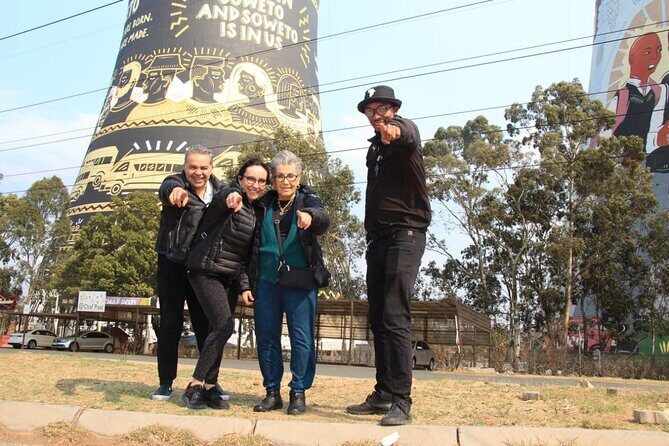
Next up is an outside viewpoint at the Soweto Towers. This kind of stop is underrated. It gives your brain a landmark—something you can refer to later when you’re mentally mapping the area.
It’s also a breather stop. In a half-day itinerary, these small pauses matter. They break up the driving and help you reset before the more emotionally and historically focused parts of the tour.
Because it’s an outside view, expectations should stay realistic. It’s about orientation and atmosphere, not a long stay or formal exhibit time.
Vilakazi Street and souvenir time on a famous lane
Vilakazi Street is one of the best-known streets in Soweto, often described as prestigious in its own right. The tour gives you about 30 minutes here, including time for souvenir shopping.
This stop is practical for two reasons. First, it puts you in a real street setting where life is happening beyond museums. Second, it gives you a chance to pick up gifts and local crafts without turning your visit into a late-night scramble.
A heads-up: since the time is short, don’t treat this as a “browse all you want” market moment. Decide quickly what you want, and keep your focus. If you’re traveling with shopping priorities, this is the point where you’ll want to commit.



Mandela House: outside views, optional entrance, and how to choose your time

You’ll spend about 30 minutes around Mandela House, and you’ll see it from outside. Entrance to Mandela House isn’t included, and the guide can offer time for you to go in at your own cost if you want.
I like this setup because it gives you flexibility. Some visitors want the inside visit; others just want to take in the setting and keep the rest of the day moving. With a half-day tour, you don’t get unlimited time anyway, so being able to choose how you spend it is smart.
The potential drawback is obvious: if you skip the entrance, you may feel like you missed something important. The best way to handle that is simple—decide early. If Mandela House inside is a must for you, use your time carefully so you don’t feel rushed.
Hector Pieterson Museum and Memorial: the stop that anchors the day

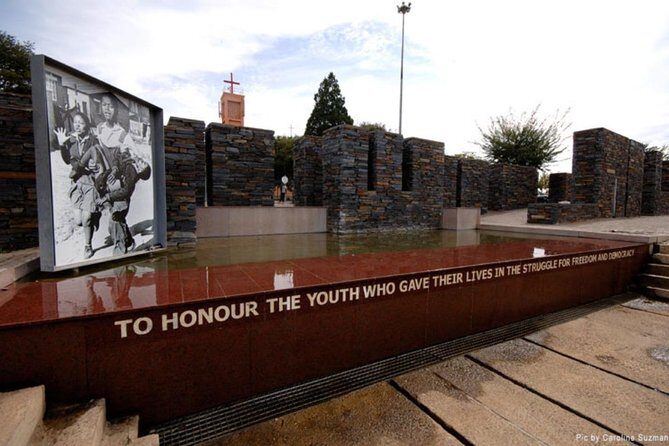
This is the emotional core of the itinerary. You’ll get about 40 minutes at the Hector Pieterson Museum and Memorial, and admission is included.
The museum and memorial connect the dots around the 1976 Soweto Student Uprising and the story of Hector Pieterson. Even if you’ve read a bit before arriving, a museum visit can change how the timeline feels in your body—especially when you’re hearing it explained clearly by a guide.
This is also where the tour’s “context” promise really shows. A good guide doesn’t just list dates. They help you understand why the uprising mattered, how it rippled outward, and how Soweto became central to South Africa’s broader struggle for dignity and rights.
Time check: 40 minutes is enough to get your bearings and absorb the main themes. It’s not enough to read every label and sit with every exhibit. If you’re the type who likes slow museum time, treat this as a strong primer and consider adding a return visit later.
What makes the guides stand out (and why you should care)
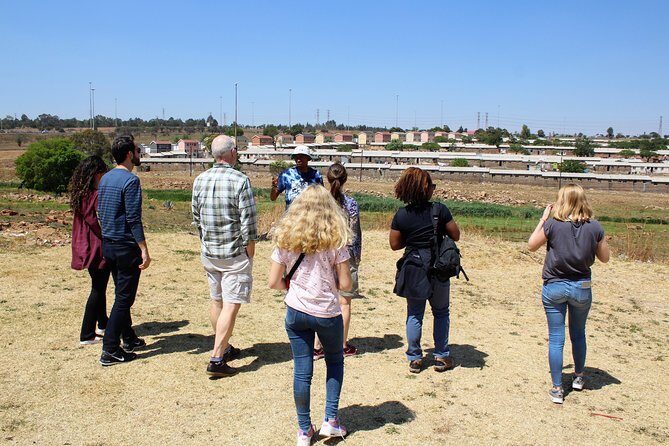
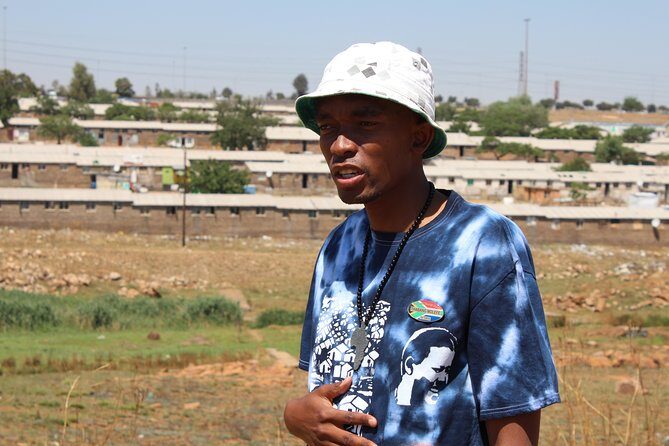
The experience lives or dies with the person behind the commentary. In the past, guides like Thabang, Banele, Neo, and Tsalanang have been praised for being able to explain Soweto’s history and present-day realities in a way that feels direct, personal, and grounded.
A key point: it’s not just “facts.” The praise focuses on explanation that feels nuanced and clear. One of the most valuable aspects in a place like Soweto is how the guide helps you hold multiple realities at once—heritage and hardship, struggle and daily life, tragedy and resilience.
If you get a guide who grew up in Soweto, the day can feel even more immediate. That matters because you’re not only learning about a place. You’re hearing how people interpret it now.
Price and value: what $63.26 buys you in real terms
At $63.26 per person for about four hours, this isn’t a bargain tour, but it also doesn’t try to price like a private custom trip. The best value signals are the ones that reduce your own “time cost”:
- Transport between dispersed stops in an air-conditioned vehicle
- Bottled water
- Fees and taxes covered
- Admission included at key points like the Hector Pieterson Museum and Memorial
- A small-group format that generally keeps the day efficient
Lunch isn’t included, so you’ll need a plan for food afterward or before. That’s normal for half-day tours, but it’s still something to budget for.
If you’re comparing options, I’d look at not only what’s included, but what you’d have to figure out yourself: getting to town, paying admissions, and managing the route. If you’d struggle with logistics, a guided route like this often ends up costing less in stress than in dollars.
Safety, comfort, and that one awkward warning sign to take seriously
Most of the feedback points to a safe, well-managed tour. Still, I’d be honest: one low-rating account mentioned discomfort tied to a poverty-area stop and being asked for donations, which is exactly the kind of situation that can make a visitor feel pressured or out of place.
In that case, the provider responded stating they never take guests through the described experience and that the review may have been misattributed. You shouldn’t ignore the warning, though. If you’re the kind of traveler who hates surprise encounters, you should ask upfront how the route handles community areas, and what your guide expects from you.
Practical advice for you: set expectations early. Tell your guide you prefer to stick to the planned stops, and ask how any community interactions are handled. A respectful, clear answer is a good sign.
Who this tour suits best (and who should tweak the plan)
This tour is built for people who want structure. You’ll enjoy it most if you:
- Want a first-time, high-impact introduction to Soweto
- Prefer guided explanations over self-guided guessing
- Are okay with outside views where indicated (like Mandela House)
- Don’t need a full-day museum-and-street wandering schedule
You might want a different plan if you:
- Want deep, slow museum time at Hector Pieterson
- Plan to spend lots of time inside Mandela House
- Hate tight schedules and quick transitions
For many visitors, the half-day format is the sweet spot. It helps you hit the major emotional and historical anchor points without exhausting your whole day.
Final call: should you book this Soweto half-day?
If you want an efficient, respectful Soweto orientation with major landmarks and the Hector Pieterson Museum included, this tour is a strong pick. The biggest reason is practical: it saves you from logistics, and it uses a small-group format to keep the explanations meaningful.
My only caution is timing and expectations. This is not a slow cultural walk. It’s a tour with clear stops, a guided route, and limited on-site time—so decide in advance whether you want Mandela House entrance and how you’ll handle souvenir shopping during the short Vilakazi Street window.
If you like structure and context, book it. If you want long-form exploration, consider pairing it with extra time elsewhere after you’ve got your bearings.
FAQ
How long is the Soweto Half Day Tour?
The tour lasts about 4 hours.
What sights are included?
You’ll visit or view FNB Stadium, Soweto Towers (from outside), Vilakazi Street, Mandela House (from outside), and the Hector Pieterson Museum and Memorial.
Is pickup included?
Yes, pickup is offered.
How big is the group?
It’s capped at 10 people, and the maximum listed is 13 travelers.
Does the tour include admission tickets?
Hector Pieterson Museum and Memorial includes admission. Vilakazi Street includes admission. Mandela House and FNB Stadium do not include admission (Mandela House entrance is optional at your own cost).
Is lunch included?
No, lunch is not included.
Is air-conditioning provided?
Yes, the tour uses an air-conditioned vehicle.
Is bottled water provided?
Yes, bottled water is included.
What is the cancellation policy?
Free cancellation is available. You can cancel up to 24 hours in advance for a full refund, and changes less than 24 hours before the start aren’t accepted.
Does weather affect the tour?
Yes. The experience requires good weather, and if it’s canceled due to poor weather you’ll be offered a different date or a full refund.