REVIEW · JOHANNESBURG
Soweto: Bike Tour with a Local Tour Guide
Book on GetYourGuide →Operated by Cycles in Soweto · Bookable on GetYourGuide
A bike tour in Soweto hits different the moment you pedal out. I like that it pairs real street time with a focused story of June 16, 1976, and I especially like the chance to ride Vilakazi Street with an English-speaking local guide. One heads-up: some bikes may feel a bit worn, so do a quick check before you roll.
What makes this outing worth your time is how quickly the neighborhood becomes understandable. You’ll see major landmarks tied to Nelson Mandela and Archbishop Desmond Tutu, stop at the Hector Peterson memorial, and get chances to talk with locals along the way. If you don’t ride a bike comfortably, the “little exercise” part can feel more like work than sightseeing.
In This Review
- Key highlights to look forward to
- Why a bike tour is the best way to read Soweto
- Getting oriented: meeting point, small group, and the ride rhythm
- June 16, 1976 and the Hector Peterson memorial stop
- Vilakazi Street: cycling past South Africa’s most famous street
- Mandela and Tutu home areas: icons you can see, not just study
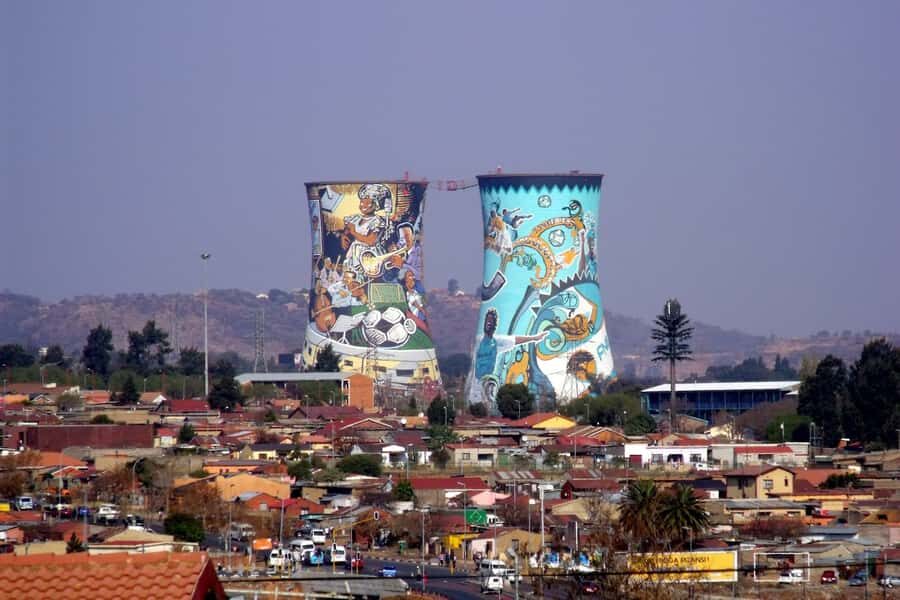
- Orlando Stadium: feeling township scale on two wheels
- Interacting with locals and supporting small businesses
- Price and what $34 gets you in 2 hours
- Practical tips: what to wear, what to bring, and how to stay comfortable
- Who should book this Soweto bike tour (and who should skip it)
- Should you book this Soweto bike tour?
- FAQ
- How long is the Soweto bike tour?
- How much does it cost?
- Where do I meet the guide?
- What’s included in the price?
- What is not included?
- How big is the group?
- Do I need to be able to ride a bicycle?
- What should I bring or wear?
- Does the tour visit specific places in Soweto?
- Can I cancel or change plans?
Key highlights to look forward to
- Hector Peterson memorial: The June 16, 1976 story, explained with care.
- Vilakazi Street ride: Often called the most famous street on the African continent, and you get to cycle it.
- Mandela and Tutu home areas: You’ll see where these icons lived, not just read about them.
- Orlando Stadium: A major Soweto landmark you’ll recognize as soon as you’re there.
- Small-group questions: Limited to 10 participants, so you can actually ask things.
- Support local businesses: You can bring small change or items to donate while you’re out.
Why a bike tour is the best way to read Soweto
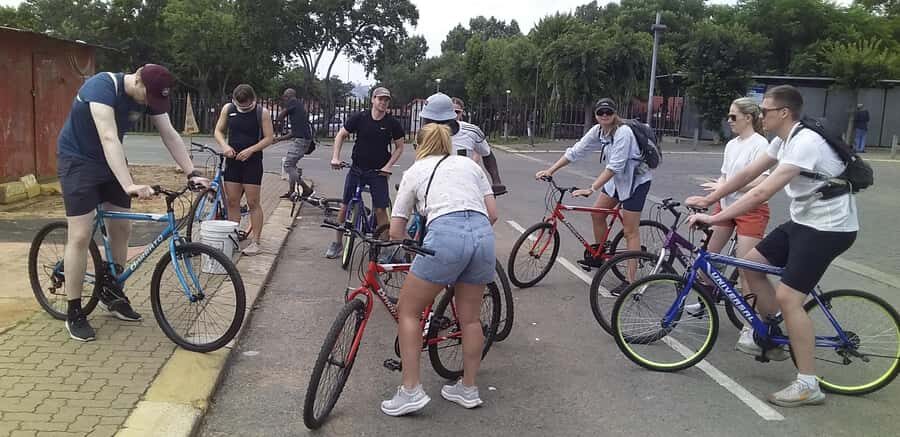
Soweto isn’t a place you fully grasp from a viewpoint. On a bike, you move at a pace that lets you notice the everyday details: how people live, how streets connect, and how history sits right alongside daily routines. That’s where this tour shines.
Two things make the experience click for me. First, the guide’s explanations focus on key moments and names tied to the 1976 student uprising, including Hector Peterson’s story. Second, you’re not just walking past spots—you’re traveling between them, so the neighborhood feels like a connected place, not a checklist.
You can also read our reviews of more cycling tours in Johannesburg

Getting oriented: meeting point, small group, and the ride rhythm
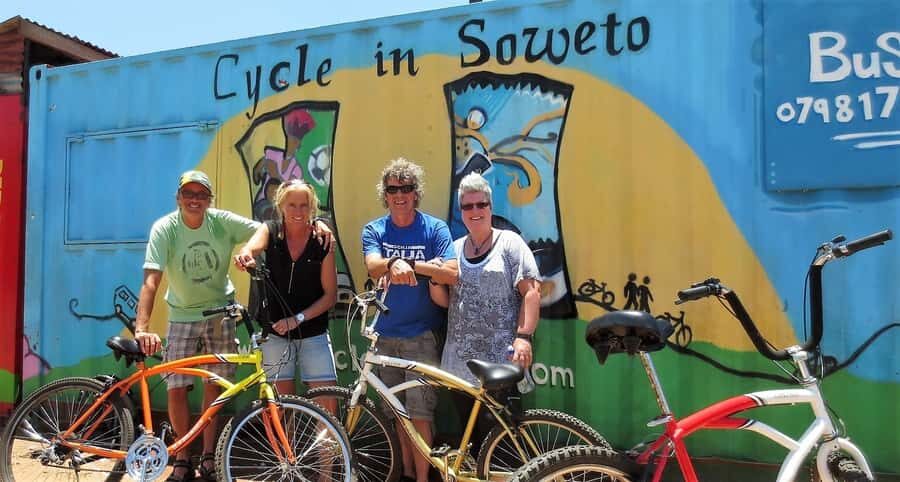
You meet at the Cycle in Soweto shop, located behind the Hector Peterson Museum, next to the bus parking area. That location matters because it keeps the first part of the tour grounded in the subject you came for—June 16, 1976—before you start cycling farther out.
This tour runs for about 2 hours with a small group (limited to 10 people). That size is a big deal in Soweto, where questions and conversation are often the point, not an extra. I also like that you’ll have an English-speaking guide, which keeps the focus on what you’re seeing rather than guessing.
One practical note: a cycling tour lives or dies by bike comfort. I recommend you do a quick safety and fit check right away—seat height, brakes, and that your helmet sits right. One of the few complaints you’ll see is that some bikes can be in less-than-perfect condition, so trust your senses early.
June 16, 1976 and the Hector Peterson memorial stop
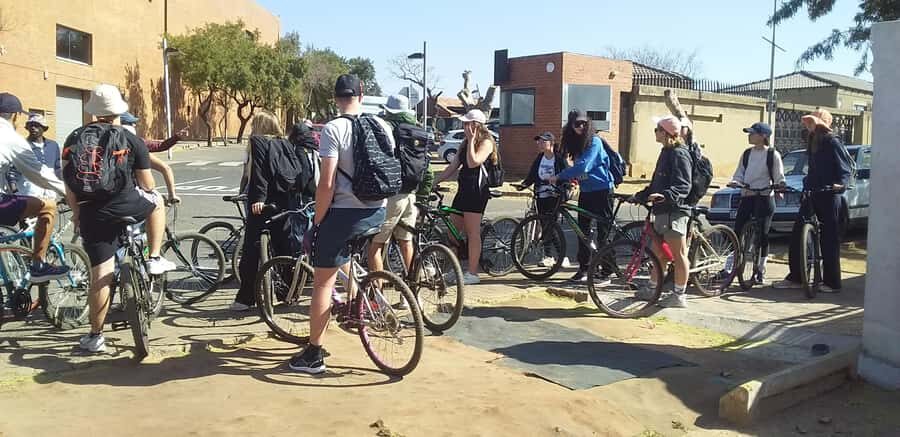
The heart of the experience is the story of 16 June 1976, when student protests turned deadly. You’ll learn about what happened that day and the details connected to Hector Peterson’s death, including that he was shot and killed by police during the protests.
Then you’ll visit the Hector Peterson memorial. This is not just a photo stop. It’s the place where names, dates, and the human cost become real, and your guide’s narration gives you a framework so it doesn’t feel like a random monument in a neighborhood.
What to do here: slow down and listen first, then look around after. The memorial setting invites that rhythm—read what you can, let the guide fill in the context, then spend a moment absorbing the scale and mood on your own.
A possible drawback? Since you’ll be moving through emotionally heavy material, you’ll get the most out of the tour if you’re comfortable with serious history. If you prefer light, low-context sightseeing, this stops will feel intense.
Vilakazi Street: cycling past South Africa’s most famous street
After the memorial, the tour’s momentum shifts into something more kinetic: riding Vilakazi Street. This is the street you’ll hear described as the most famous street on the African continent, and the real value is how you experience it—on wheels, at neighborhood speed, with a guide pointing out what you might otherwise miss.
Vilakazi Street matters because it connects story to geography. As you pedal, you’ll understand that these were real lives in real places, not just distant ideas. The route also gives you a chance to see street activity and meet everyday people, which makes the historical stops feel less like separate worlds.
The best way to enjoy this part is to keep your eyes up and your questions ready. If you want to understand how locals experience their own neighborhood, ask your guide what daily life looks like here and what outsiders often get wrong.
Mandela and Tutu home areas: icons you can see, not just study
One of the tour’s highlights is seeing the homes of Nelson Mandela and Archbishop Desmond Tutu. You won’t just get “famous-person trivia.” You’ll get a sense of how those stories sit in the fabric of Soweto.
These home areas also help you understand why Vilakazi Street became so symbolic. Your guide weaves the protest era into broader narratives—leadership, moral courage, and the long arc of change. Even if you’ve read about Mandela or Tutu before, seeing their home areas gives your brain a physical map.
Here’s how to make this stop land. Don’t treat it like a drive-by photo moment. Instead, listen to the story your guide is giving, then look at the surroundings with that context in mind. It turns “a place” into “a lived-in reality.”
One more practical point: home areas can mean you’re near residences that are still part of daily life. Keep your distance, stay respectful, and follow your guide’s lead on where to stop and what to photograph.
You can also read our reviews of more guided tours in Johannesburg



Orlando Stadium: feeling township scale on two wheels
The tour also includes Orlando Stadium, another major reference point in Soweto. Stadiums can be tricky on tours: sometimes they feel like big landmarks with little meaning beyond their size. On this bike ride, though, Orlando Stadium works because it’s connected to community life and the sense of place that your guide builds as you move around.
Because you’re cycling, you feel the township’s scale in a way that a bus window can’t match. You’ll notice how areas connect, how streets shift, and how long distances don’t feel impossible when you’re moving step by step.
If you’re the type who likes to understand a place through landmarks, you’ll appreciate this stop. It gives you a bigger “map picture” that helps the memorial and Vilakazi Street feel less like isolated stops.
Interacting with locals and supporting small businesses
This tour isn’t just about sites—it’s also about contact. You’ll have time to interact with locals, and that’s where the experience turns from educational to human. You’ll get questions answered in plain language, and you’ll also learn what people think visitors should pay attention to.
There’s also an eco-friendly angle: you’re cycling, so you’re not adding traffic noise and emissions in the process. More importantly, bikes tend to fit the neighborhood rhythm. You’re less imposing than a larger group in vehicles, and that can open doors for conversation.
You’ll also have opportunities to support local small businesses along the way. The tour encourages you to bring small change or items you’d like to donate. I like this because it gives you a practical action that doesn’t require extra planning—you’re already out, and you’re already moving through places where local commerce matters.
Tip: if you plan to donate items, bring things that are easy to hand over and culturally appropriate. Your guide can help you decide what makes sense in that moment.
Price and what $34 gets you in 2 hours
At about $34 per person for a 2-hour guided bike tour, the value is in the package, not in a long list of attractions. You get a bicycle and helmet, plus an English-speaking guide and a route that ties together multiple major points: Hector Peterson memorial, Vilakazi Street, Mandela and Tutu home areas, and Orlando Stadium.
The main “cost” you should factor in is what’s not included. Museum entrance fees aren’t included, and you’ll also need to handle food and drinks separately. If you’re going to stay out for more time afterward, plan to buy water or a snack on your own.
One more value factor: small group size (up to 10). That price isn’t just for transportation—it’s for the guide time and for the chance to talk, ask, and get explanations suited to your questions. If you like tours where you can actually converse, this price feels fair.
Practical tips: what to wear, what to bring, and how to stay comfortable

This is an active tour with some exercise baked in. Wear comfortable clothing that works for cycling, and bring sunscreen and a hat since you’ll be outside most of the time. If you’re prone to sunburn, treat this like a full daylight outing.
You must be at least 8 years old, and you need to be able to ride a bicycle. That’s not a “maybe you’ll learn” situation. If your balance or bike handling is shaky, you’ll spend energy coping instead of absorbing the story.
If you’re sensitive to heat, schedule your day thoughtfully. You’ll cover distance at a neighborhood pace, so hydration matters even though food and drink aren’t included. Also, consider bringing a small amount of cash or items for the small-business support and donation part.
Who should book this Soweto bike tour (and who should skip it)
Book it if you want Soweto to feel connected: history, street life, and iconic places you can actually see. This tour is a strong fit for first-timers who want the big names and the core events (including the June 16, 1976 uprising and Hector Peterson’s story) explained clearly.
It also suits travelers who like biking and prefer small groups. With only up to 10 people and an English guide, you’ll get a more personal conversation.
Skip it if:
- You don’t ride a bike comfortably.
- You prefer sightseeing with minimal heavy context, since the memorial stop centers on a tragic event.
- You want a tour that includes museum entry or meals. Those costs and supplies aren’t part of the package.
Should you book this Soweto bike tour?
If you like thoughtful, place-based sightseeing, I think you’ll be happy you booked. The combination of Hector Peterson memorial, a Vilakazi Street cycle, and seeing the areas tied to Mandela and Tutu gives you a narrative you can walk around in your mind later. And with an English-speaking guide and a small group, you’re not just watching—you’re understanding.
My only “don’t ignore this” is bike comfort. Do that quick start-of-tour check, wear proper sun protection, and come ready to ride for real. If you do, this is one of the best ways to experience Soweto in just two hours without turning it into a rushed drive-by.
FAQ
How long is the Soweto bike tour?
The tour duration is 2 hours.
How much does it cost?
The price is $34 per person.
Where do I meet the guide?
Meet your guide at the Cycle in Soweto shop, behind the Hector Peterson Museum, next to the bus parking area.
What’s included in the price?
You get a bicycle, a helmet, and an English-speaking guide.
What is not included?
Entrance fees for museums, Orlando towers bungee jumping, and food or drink are not included.
How big is the group?
The group is limited to 10 participants.
Do I need to be able to ride a bicycle?
Yes. You must be able to ride a bicycle, and you must be at least 8 years old.
What should I bring or wear?
Wear comfortable clothing, and bring sunscreen and a hat.
Does the tour visit specific places in Soweto?
Yes. You’ll visit sites including Hector Peterson memorial, Vilakazi Street, Nelson Mandela’s house, Archbishop Desmond Tutu’s house, and Orlando Stadium.
Can I cancel or change plans?
Free cancellation is available up to 24 hours in advance for a full refund, and there is also a reserve now & pay later option.