REVIEW · JOHANNESBURG
Half Guided Day Tour of Soweto And Apartheid Museum
Book on Viator →Operated by Solly · Bookable on Viator
Soweto hits fast, then stays with you. This small-group half-day packs a clear, emotional history lesson at the Apartheid Museum, followed by a guided walk through key Nelson Mandela and Desmond Tutu landmarks around Vilakazi Street and Soweto. I like that you get a hassle-free Johannesburg-area pickup, and you move through the story in a logical order. The main thing to watch is timing and pace: the museum is self guided, so your experience depends on how you manage your two hours inside.
You’ll also enjoy that this isn’t a rushed drive-by. With a maximum group size of 15, your guide can slow down for questions, point out what matters, and keep you together during the walking parts. One consideration: the museum’s hours can affect your day, and if it’s closed, stops may change to fit the schedule.
In This Review
- Key Things I’d Prioritize on This Tour
- A Half-Day Plan That Tells the South Africa Story
- Apartheid Museum: The Two-Hour Self-Guided Reality Check
- Vilakazi Street: A Short Walk With Big Name Recognition
- Mandela House: The 1946 to 1964 Anchor Point
- Hector Pieterson Memorial: Why the 1976 Students Matter
- Soweto in One Hour: Orlando Tower, Freedom Square, and the Hospital Site
- Group Size, Pickup, and Timing: What to Expect on the Road
- Price and Value: Is $69.02 Fair for What You Get?
- Who This Tour Suits Best (and Who Might Want Something Else)
- Should You Book the Half Guided Soweto and Apartheid Museum Tour?
- FAQ
- What is the duration of the Half Guided Day Tour of Soweto and the Apartheid Museum?
- How much does the tour cost?
- Is hotel pickup and drop-off included?
- Which stops are included in the tour?
- Is the Apartheid Museum guided inside?
- On which days is the Apartheid Museum open?
- What about meals and drinks?
- Is the tour suitable for children?
Key Things I’d Prioritize on This Tour
- Small group (max 15): you get more interaction than the usual big-bus setups
- Apartheid Museum first: you get context before you step into Soweto
- Mandela House + Hector Pieterson Memorial: two stops with very different emotional weights
- Vilakazi Street (Mandela and Tutu): a quick but meaningful geography lesson in one stop
- Soweto highlights in about an hour: enough to orient you for the rest of your trip
A Half-Day Plan That Tells the South Africa Story

This is a smart way to do Johannesburg when you’re short on time. You’re not trying to see everything in Soweto. You’re learning the spine of the story: how apartheid worked, how people resisted it, and how that history still shapes daily life.
The format is also practical. You start with the Apartheid Museum (admission included), then you head to Soweto for a guided walking section that hits major landmarks tied to Mandela, Tutu, and the 1976 youth resistance. The whole tour runs about 4 to 5 hours, which is long enough to feel like you did something real, but short enough to keep the rest of your day flexible.
Guides are part of the value here. I’ve seen names like Nathi, Bobo, Solly, and Nazhi mentioned in positive ways, especially for clear storytelling and keeping people engaged. If you get a guide who likes questions, this tour can feel more like a guided conversation than a checklist.
You can also read our reviews of more guided tours in Johannesburg


Apartheid Museum: The Two-Hour Self-Guided Reality Check
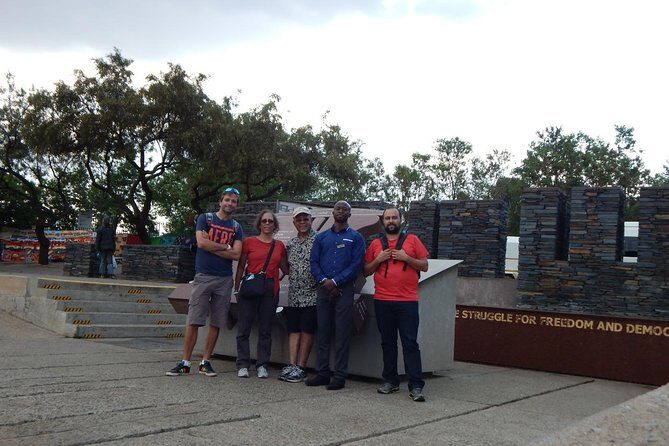
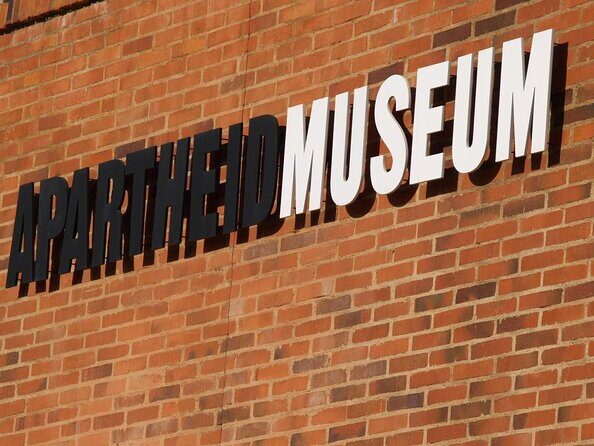
Start here, not later. The museum is the best place to understand apartheid before you start walking around the places connected to Mandela and Tutu.
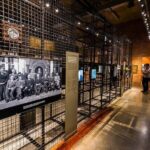
You’ll get about two hours inside with your admission included. Here’s the key detail: the museum is self guided. That means you won’t be escorted through the exhibits turn-by-turn like a typical guided museum. Instead, you rely on the information on display, including videos and written explanations throughout the space. Your guide can set you up before you go in, but once you’re inside, it’s your pace.
Why this works: when the museum is first, you’re able to connect what you learn to what you’ll see next in Soweto. You’ll also spend less time trying to guess what a site means because the museum gives you the political and human context.
The drawback is simple: if you’re the type who wants a guide narrating every room, you may feel like you need more structure than the museum provides. My advice is to go in with a light plan: pick 3–5 themes you want to understand (laws, forced removals, resistance, the end of apartheid, and how it shaped the constitution). That way, your two hours won’t disappear into overwhelm.
Also, watch the museum’s operating days. The museum opens Wednesday through Sunday. If your tour day falls outside that window, the operator may adjust the plan, and you might see different historical sites instead (one substitution mentioned is Constitution Hill).
Vilakazi Street: A Short Walk With Big Name Recognition
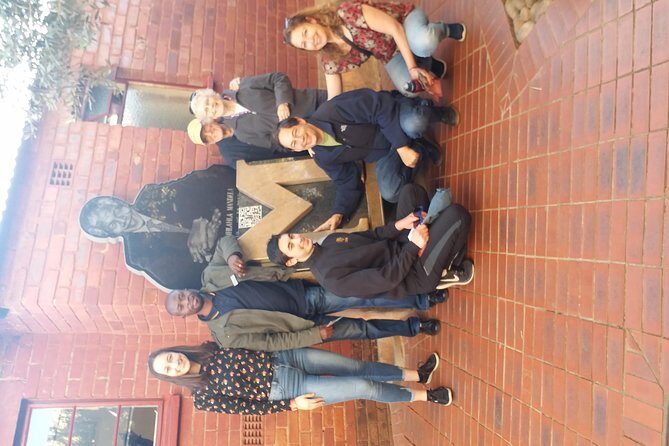
After the museum, you’ll head to Vilakazi Street, which is famous for being the only street in the world where the homes of two Nobel Peace Prize laureates lived: Nelson Mandela and Desmond Tutu.
This stop is about 30 minutes. Admission isn’t included here because this is more of a streetside experience than a ticketed attraction. The value is in what your guide helps you notice: location, neighborhood context, and why these homes matter in the larger apartheid story.
Don’t expect a long stop. Instead, think of it as a “name and place” moment—great for getting oriented. If you’ve already read about Mandela and Tutu, Vilakazi Street helps you translate that knowledge into geography you can remember.
Mandela House: The 1946 to 1964 Anchor Point
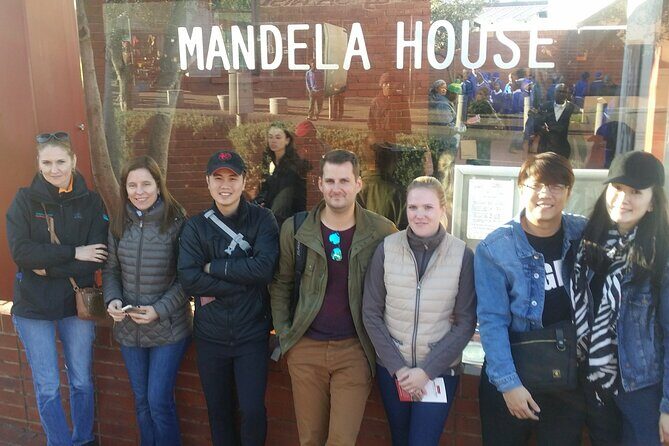
Next comes Mandela House, where Nelson Mandela lived in Soweto from 1946 to 1964. This is also about 30 minutes, and admission is included.
This stop hits differently after the museum. Before, apartheid can feel like a set of dates and policies. At Mandela House, the story becomes human-scale: a place where a real life unfolded during years of intense political pressure.
What I’d aim for here is not just photos, but observation. Look at how the site is presented, then use your museum context to make sense of why Mandela’s life there mattered. If you’re a slower walker or someone who likes asking questions, this is a good stop to slow down a bit.
Hector Pieterson Memorial: Why the 1976 Students Matter
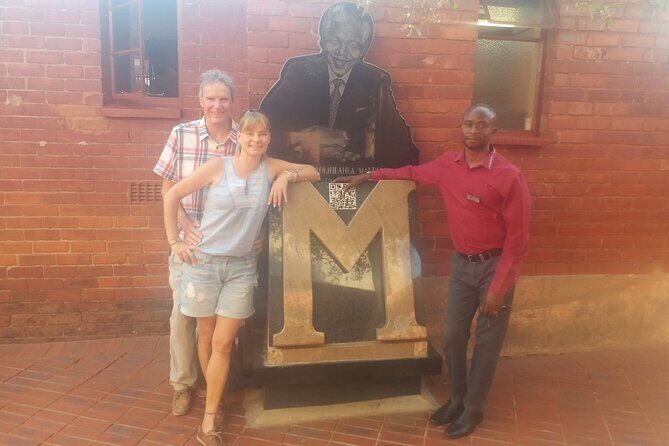
Your next 30-minute stop is the Hector Pieterson Memorial Place, which commemorates the role of students in the 1976 fight against apartheid.
Admission is included, and this is one of those places where the tone shifts. The museum set up the system. This memorial helps you feel the pressure point—how young people became a driving force in resistance.
If you only visit one “emotion stop” on this tour, this is a strong candidate. Give yourself enough time to read what’s on display and to absorb the meaning, not just snap pictures and move on.
You can also read our reviews of more museum experiences in Johannesburg

Soweto in One Hour: Orlando Tower, Freedom Square, and the Hospital Site

The final part is about an hour of Soweto time. Admission is free, because you’re moving through an active township area and seeing landmarks rather than entering ticketed venues.
During this section, you may see notable sights such as Orlando Tower, Freedom Square, Nelson Mandela House, Desmond Tutu house, and Chris Hani Baragwanath Hospital.
Two thoughts here.
First, this hour is about orientation. You’re not trying to memorize every street. You’re getting a sense of what Soweto looks like now and where key places sit in relation to each other.
Second, it’s a reminder that Soweto isn’t only history. It’s also present-day life: communities, movement, and institutions. That balance is part of why doing the museum first helps—then Soweto stops feeling like a “theme park” and starts feeling like a real place with real people.
Group Size, Pickup, and Timing: What to Expect on the Road

This tour keeps things manageable with a maximum of 15 travelers. That small-group size usually makes a difference when you’re walking and when you want your guide to answer questions without turning it into a lecture.
Pickup and drop-off are included, and you travel in an air-conditioned vehicle. One practical note from real-world experience: if your hotel is outside the pickup area, you might need to meet at the Apartheid Museum instead. So it’s worth checking your exact pickup instructions after booking.
Timing is where you should be a little careful. The tour runs roughly 4 to 5 hours, but coordination with multiple groups can influence the flow. Some experiences can end close to the planned time, while others can feel slower if there’s extra waiting. If you have a tight evening plan or a long-haul flight on the same day, I’d treat this tour as a “buffer-friendly” activity, not a last-minute sprint.
A helpful detail is that the operator provides mobile tickets. That can make your arrival smoother, especially when you’re heading straight to a museum with timed entry patterns.
Price and Value: Is $69.02 Fair for What You Get?
At about $69.02 per person, you’re paying for transportation, pickup/drop-off, a guided walking component, and multiple paid admissions.
Here’s what you’re effectively covering:
- Apartheid Museum admission included (a full two hours on site)
- Mandela House admission included
- Hector Pieterson Memorial admission included
- Vehicle + guide time plus Vilakazi Street time
- Soweto time where access to the township viewpoints is free
So the value isn’t just the sights. It’s the sequencing and the support. You don’t have to plan transit across Johannesburg, you don’t have to figure out what to prioritize on your own, and you get someone to explain what you’re seeing as you go.
Also, the tour is often booked in advance (on average about 23 days ahead), which suggests people like fitting this into a short itinerary. If you’re choosing between doing this and trying to wing it, the “saved decision fatigue” is a real part of the value.
Who This Tour Suits Best (and Who Might Want Something Else)
This tour is best for you if:
- You want a focused half-day with big context and major Mandela/Tutu landmarks
- You like small groups and short walking segments rather than a full-day marathon
- You want museum-first context so Soweto makes more sense
This tour might feel less ideal if:
- You expect the museum to be fully escorted. It’s self guided, not narration-through-every-room
- You need strict timing precision to the minute. Coordination can affect return time
If you’re traveling with kids, remember you must bring an adult. The dress code is casual, which helps, since you’ll be doing walking parts in town.
Should You Book the Half Guided Soweto and Apartheid Museum Tour?
I’d book this if you want the most meaningful “first lesson” you can get in 4 to 5 hours. The combination of Apartheid Museum context plus Soweto landmarks tied to Mandela, Tutu, and the 1976 resistance creates a coherent story arc that’s hard to replicate on your own without a lot of planning.
My one caution is planning your day around the museum format and opening days. If your travel dates include Monday or Tuesday, the museum is not open, and the plan may change. Also, if your schedule is razor-tight, add buffer time for coordination between stops.
If you’re okay with that, this tour is a strong value way to understand Johannesburg’s past and see where it shows up today.
FAQ
What is the duration of the Half Guided Day Tour of Soweto and the Apartheid Museum?
It runs about 4 to 5 hours.
How much does the tour cost?
The price is $69.02 per person.
Is hotel pickup and drop-off included?
Yes. Hotel pickup and drop-off are included, and you travel in an air-conditioned vehicle.
Which stops are included in the tour?
The tour includes the Apartheid Museum, Vilakazi Street, Mandela House, the Hector Pieterson Memorial Place, and a Soweto section with major landmarks.
Is the Apartheid Museum guided inside?
No. The Apartheid Museum is self guided, so you explore at your own pace during the allotted time.
On which days is the Apartheid Museum open?
The Apartheid Museum opens from Wednesday to Sunday.
What about meals and drinks?
Drinks and lunch are not included.
Is the tour suitable for children?
Children must be accompanied by an adult.
If you tell me your exact travel dates and what time you want to be back in Johannesburg, I can help you judge whether this timing will be comfortable for your plan.