REVIEW · JOHANNESBURG
Soweto: Guided Bicycle Tour with Lunch
Book on GetYourGuide →Operated by One Day Africa · Bookable on GetYourGuide
History gets wheels here. This 4-hour bicycle tour through Soweto links big anti-apartheid landmarks with the neighborhoods where people fought back every day. You’ll pedal along Vilakazi Street and visit the Hector Pietersen Memorial, Mandela’s home, and Desmond Tutu’s house, with lunch built in.
I really like how the stops feel connected. Guides such as Thabo and Themba focus on what each place meant—then you ride on to the next block instead of treating sites like disconnected checkboxes. I also love the food finish: the included kota sandwich is simple, filling, and perfect after a few climbs.
One thing to plan for: the ride has uphill sections and a bit of stop-and-start. If you can’t ride a bicycle comfortably for several kilometers, this won’t be a good match.
In This Review
- Key highlights you’ll feel fast
- Starting in Soweto with a real street-level viewpoint
- Vilakazi Espresso to Hector Pietersen Memorial: where the story turns
- Riding the Mzimhlophe corridor: internet café life and women’s hostel focus
- Orlando East and Orlando Stadium: seeing how neighborhoods connect
- Vilakazi Street lunch break: kota and a chance to breathe
- Tutu House and Mandela House: politics you can point to
- The bike ride reality check: fitness, safety, and pace
- Who should book this Soweto bicycle tour
- Price and value: what $52 includes (and why it feels fair)
- Should you book this Soweto guided bicycle tour with lunch?
- FAQ
- How long is the Soweto bicycle tour with lunch?
- Where do I meet for the tour?
- What’s included in the price?
- Is hotel pickup or drop-off included?
- Is lunch included?
- What key stops will I visit?
- Is the tour guide available in English?
- Do I need cash?
Key highlights you’ll feel fast
- Hector Pietersen Memorial + Soweto Uprising context you can actually follow block by block
- Vilakazi Street cycling past the homes tied to Mandela and Desmond Tutu
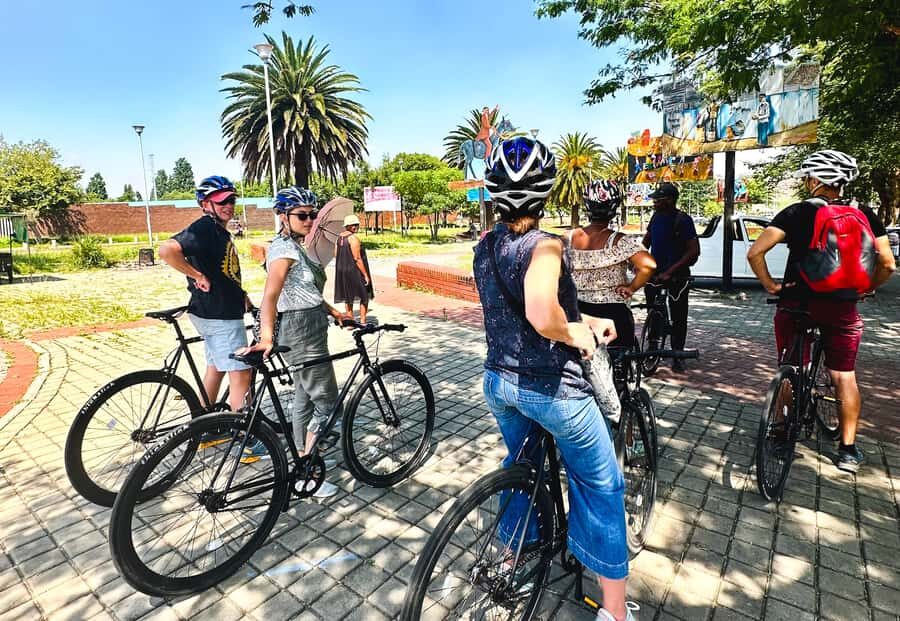
- Small, local-feeling pacing with photo stops and short guided walks that keep the story clear
- Mzimhlophe area visits that add everyday township life beyond the biggest headline sites
- Included kota lunch timed so your legs get a break without losing momentum
- Guides like Thabo, Teboho, or Themba who bring humor and safety-focused guiding
Starting in Soweto with a real street-level viewpoint
You meet at Vilakazi Espresso, right in the Soweto orbit of Vilakazi Street. From the first minutes, the format is practical: you get on a bicycle, you get briefed, and then you start moving through the area rather than waiting around for transport. For me, that matters because Soweto isn’t just a list of memorials. It’s lived-in neighborhoods, with different streets, rhythms, and routines.
The tour runs about 4 hours, and that time is used in a smart way: sightseeing plus short guided time at key points, then back on the bike to keep momentum. You’ll see multiple areas of Soweto—not only the most famous landmarks. That’s also where the “Soweto by bike” value shows: you’re covering ground without the stress of traffic and without squeezing everything into a cramped bus window.
You’ll ride with a local English-speaking guide. In recent tours, guides have included people like Thabo, Teboho, and Themba, and the pattern is consistent: clear explanations, a relaxed vibe, and a strong focus on feeling safe while you’re biking in an urban environment.
You can also read our reviews of more guided tours in Johannesburg


Vilakazi Espresso to Hector Pietersen Memorial: where the story turns
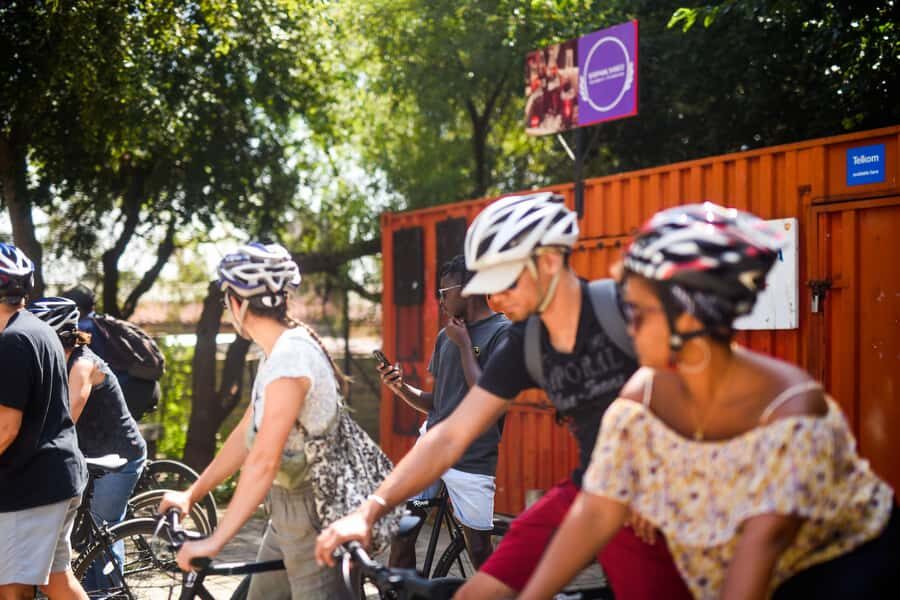
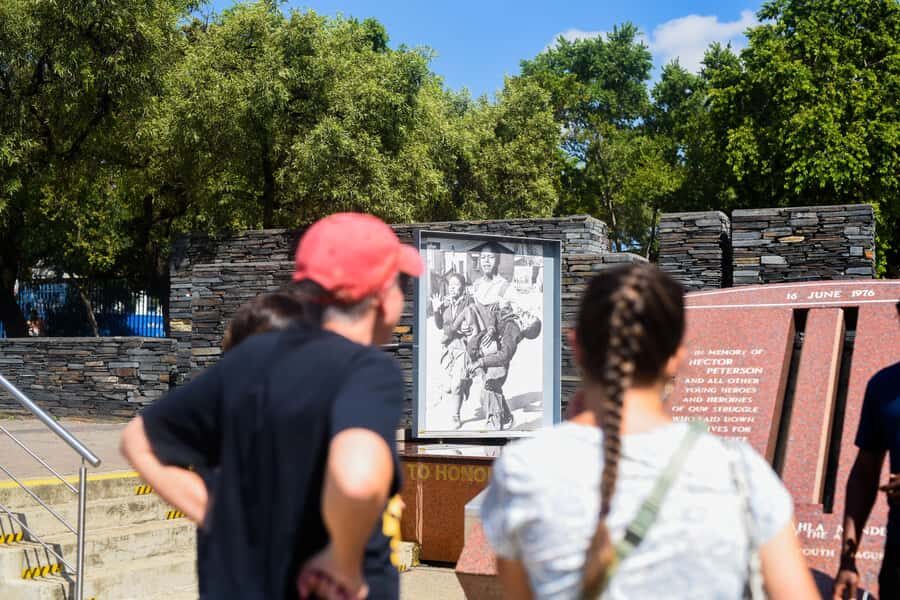
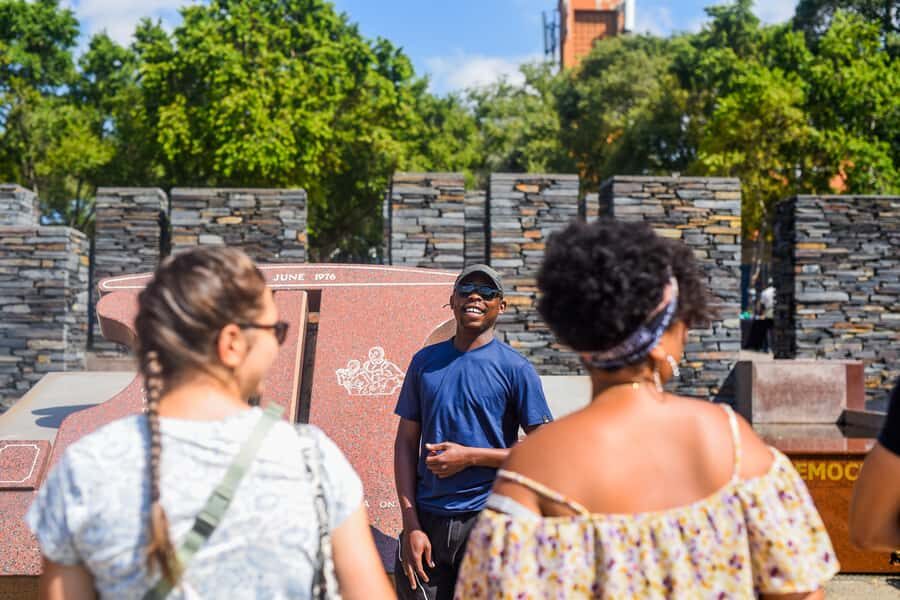
The ride starts with a quick transition into history at the Hector Pietersen Memorial area. You’ll do a photo stop, then there’s a guided visit and time for sightseeing and a short walk. The key payoff here is understanding how the Soweto Uprising became one of the turning points of apartheid.
This is the part of the tour where you stop treating history like something sealed behind glass. The memorial context gives you a framework, and then the bike ride carries that framework forward. You’re not just hearing dates; you’re seeing the geography where events unfolded and the kinds of communities that became central to the uprising’s impact.
Practical note: plan for a bit of time on your feet during the guided walk. It’s not a long trek, but you’ll want comfortable shoes.
Riding the Mzimhlophe corridor: internet café life and women’s hostel focus
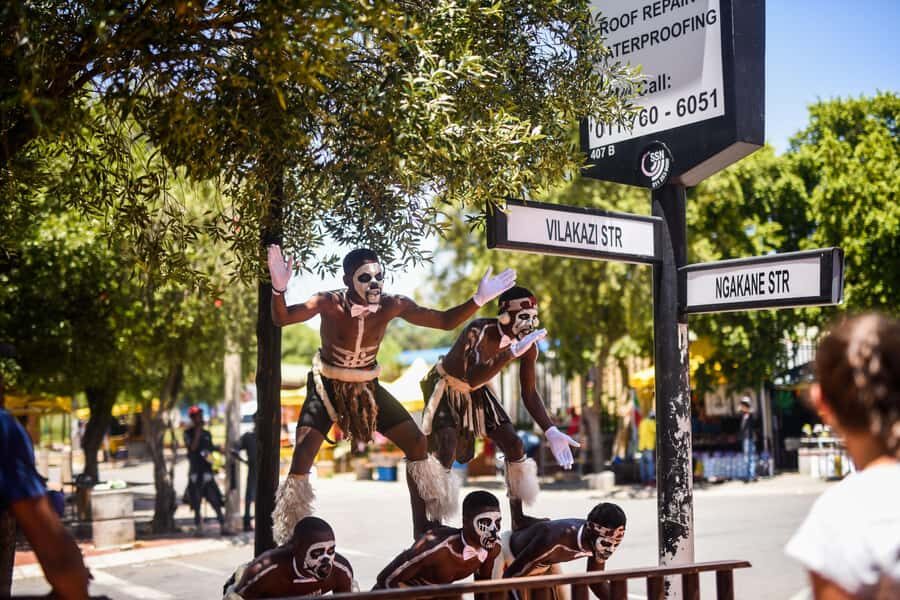
Next up, you head toward the Mzimhlophe area. You’ll stop at the Mzimhlophe Internet Cafe for a photo stop and short guided visit, then keep rolling through the neighborhood’s fabric. Even if you’re used to cities abroad, this stop gives you a different kind of anchor: not only the famous political landmarks, but everyday spaces where people connect, work, and live.
There’s also a women’s hostel visit in the route description, which adds another layer. It’s the difference between seeing Soweto as a set of major events and seeing it as a community full of institutions, support systems, and real daily life. That’s also why the tour format works: by the time you reach the next major memorial, you’ve already built a sense of how communities function.
You’ll also want to remember that timing here is tight and structured. You aren’t lingering all day, so be ready with questions. If something doesn’t click right away, ask. Guides tend to handle questions well and connect them back to broader history and present-day life.
Orlando East and Orlando Stadium: seeing how neighborhoods connect
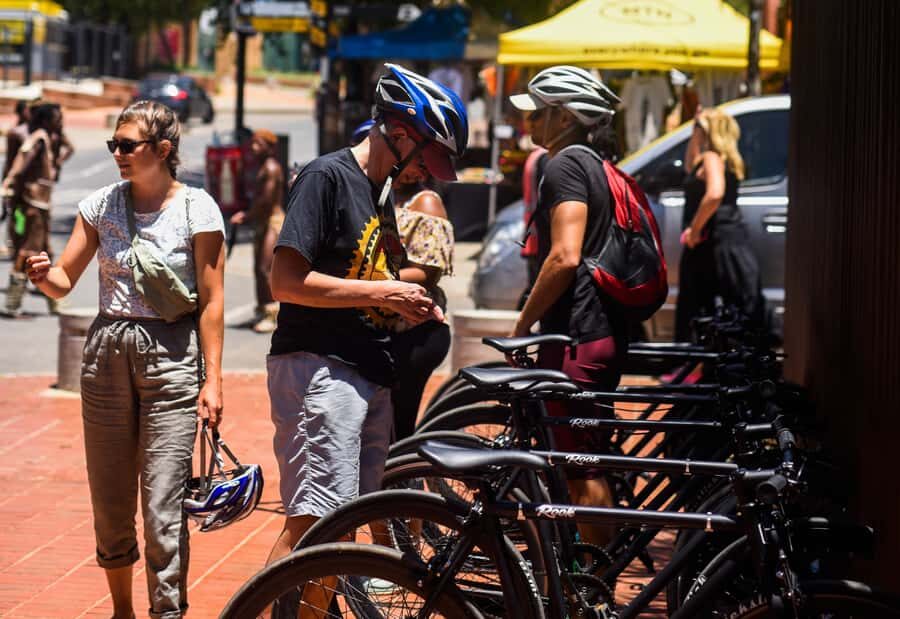
After Mzimhlophe, the tour moves through areas including Orlando East, then passes Orlando Stadium and other community areas such as the Orlando Community Centre. These are shorter stops—photo stops with guided context—but they matter.
Why? Because they show you the “in-between” of Soweto: the spaces that aren’t always in tour ads but still shape daily life. You get quick guided explanations without losing the rhythm of the ride. And you start to understand Soweto as interconnected neighborhoods rather than one single destination.
A drawback to know: these segments are brief. If you love long museum-style pacing, you may wish some stops went deeper. Still, the tradeoff is that you’ll visit the bigger headline places too—Mandela’s home and Desmond Tutu’s house—without rushing them.
Vilakazi Street lunch break: kota and a chance to breathe
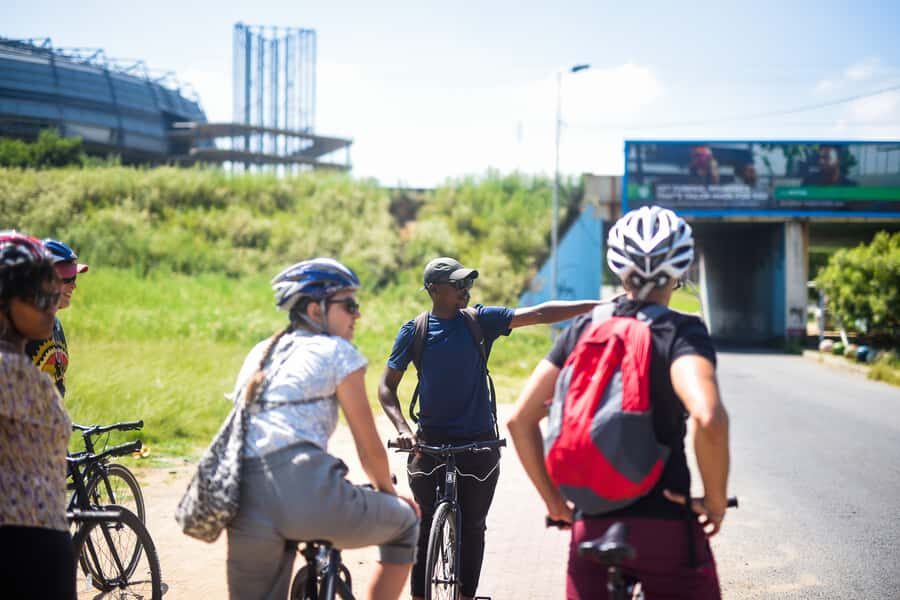
One of the best-designed parts of the schedule is the lunch stop on Vilakazi Street in Orlando West. You’ll visit for lunch and do a food tasting, and the included lunch is a South African kota sandwich.
This is more than a meal coupon. A kota is hearty, street-food simple, and it works with the tour’s pace. You’ll likely have a few uphill or stop-start moments during the ride, so the timing gives you recovery without ending the experience. It’s also a nice moment to talk with your guide while you eat, and to ask how present-day Soweto life fits with the apartheid-era story you’ve been hearing.
Tip from the practical side: bring your appetite. The tour gives you enough time to eat, but this isn’t a slow brunch. If you’re the type who takes forever to order, plan to move with the group.
A few more Johannesburg tours and experiences worth a look






Tutu House and Mandela House: politics you can point to
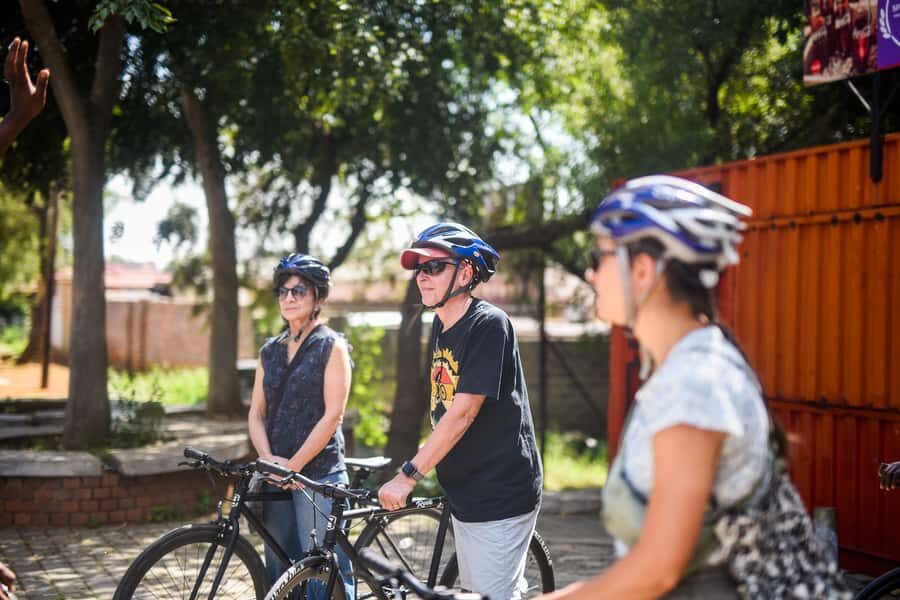
Then the tour turns toward the heart of Vilakazi Street landmarks. You’ll pass or stop near Tutu House, where Archbishop Desmond Tutu and his family once lived. From there, the tour continues to Mandela’s House, with a photo stop and guided time, plus a short traditional dance show.
The value of seeing these together is clarity. If you only visit one site, it’s easy for the story to feel like separate chapters. Visiting both in sequence, with guided context, helps you understand how different leaders and strategies fed into the same endgame of dismantling apartheid.
Also, this isn’t just “famous people memorabilia.” The guided explanations connect the place names to the broader narrative. You’ll likely walk away with a better sense of how personal residence, political struggle, and international attention all overlapped in South Africa’s history.
One more practical point: expect to be on and off the bike quickly as you move between stops. Bring patience. It’s not hectic, but the tour is designed to keep your sightseeing time productive.
The bike ride reality check: fitness, safety, and pace
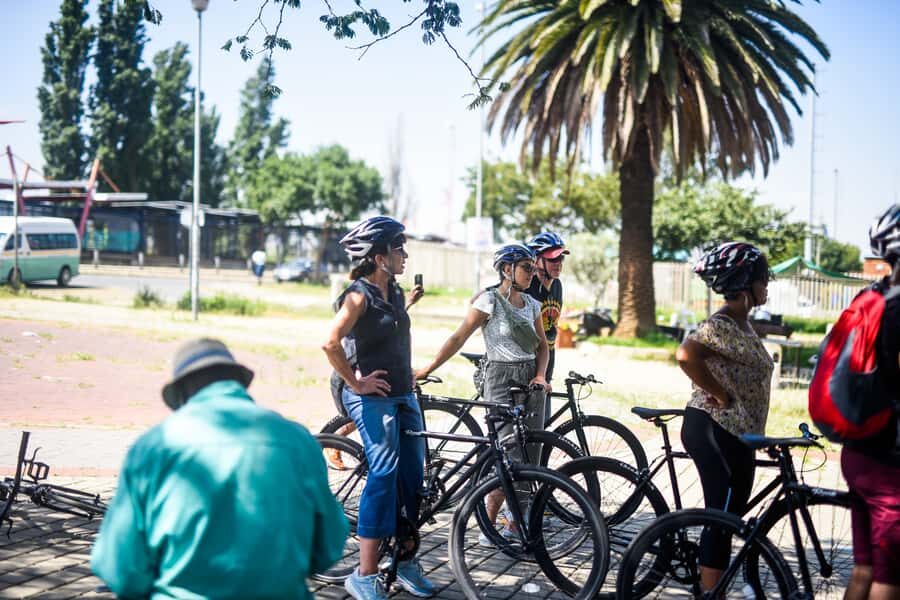
This is an active tour. You’re cycling around Soweto for about 4 hours, and the ride includes some up-and-down sections. In the ride format, you’ll have photo stops and short guided walks, which means you’re not in a constant pedal grind—but you should still be ready to work.
From what I’ve gathered, the tour suits a range of fitness levels as long as you’re comfortable riding a bicycle. People have described needing a reasonable fitness base, and some mention climbs and altitude effects. If you’re easily fatigued on hills or you struggle on a bike without much help, consider that before you book.
Safety is a recurring theme. Guides have a habit of keeping you feeling comfortable in traffic and on neighborhood roads. That safety focus is one reason the tour gets such strong marks. It also helps that instruction starts early, so you’re not guessing how the ride works.
What to bring:
- Sunscreen
- Rain gear
- Cash (for gratuities)
About gratuities: the tour information suggests an optional gratuity during or at the end of an informal settlement visit, in the range of R20–R50 or more depending on what you feel is appropriate.
Who should book this Soweto bicycle tour
This is a great fit if you want:
- a guided Soweto overview with more than just the famous monuments
- a hands-on way to see several areas without renting a car
- lunch included, timed so you can keep moving
- a guide who explains both the apartheid-era story and present-day context
It’s not the best choice if:
- you can’t ride a bicycle confidently (the tour is not suitable for people who can’t ride)
- you need wheelchair accessibility (it isn’t suitable for wheelchair users)
- you’re pregnant (listed as not suitable for pregnant women)
If you’re traveling solo, as a couple, or with a small group, the experience can feel personal. At least some bookings have ended up as private or near-private rides when fewer people sign up. That can make the questions and pace even better.
Price and value: what $52 includes (and why it feels fair)
At $52 per person for around 4 hours, you’re paying for three things that add real value:
1) a bicycle that’s provided for the tour,
2) a local guide who brings story and practical navigation,
3) food and drinks, including lunch.
Hotel pickup and drop-off aren’t included, so you do need to make your own way to the meeting point at Vilakazi Espresso. That’s the main tradeoff. But once you’re there, the tour itself is built to minimize extra costs and maximize time in Soweto.
In other words, you’re not just buying admission tickets. You’re buying an organized ride, guided interpretation across multiple neighborhoods, and a lunch break that keeps the whole afternoon from feeling like nonstop sightseeing.
Should you book this Soweto guided bicycle tour with lunch?
If you like guided history that connects to real streets, this is an easy yes. The route hits major sites like Hector Pietersen Memorial, Mandela’s House, and Tutu House, but it also spends time on Soweto’s everyday texture through stops like Mzimhlophe Internet Cafe and local community areas. Add the included kota lunch and the active bike format, and it’s strong value for a half-day.
Book it if you’re comfortable cycling with some hills and you want a respectful, structured way to see Orlando West and Vilakazi Street. Skip it if hills stress you out or if you need accessibility support the tour can’t provide.
If you want, tell me your cycling comfort level (flat roads only vs. hills ok) and when you’re going. I can help you decide what to wear and how to plan your energy for the climbs.
FAQ
How long is the Soweto bicycle tour with lunch?
The tour lasts 4 hours.
Where do I meet for the tour?
You meet at Vilakazi Espresso.
What’s included in the price?
The tour includes food and drinks, a local guide, and a bicycle.
Is hotel pickup or drop-off included?
No. Hotel pickup and drop-off are not included.
Is lunch included?
Yes. Lunch includes local South African kota sandwiches, along with food tasting during the lunch stop.
What key stops will I visit?
You’ll visit places including the Hector Pietersen Memorial, Mandela House, and Tutu House, and you’ll also spend time around the Vilakazi Street area and the Mzimhlophe part of Soweto.
Is the tour guide available in English?
Yes. The live tour guide is English.
Do I need cash?
The tour suggests bringing cash, especially since you may have the option to offer a gratuity (example given: R20–R50 or more) during or at the end of an informal settlement visit with a local guide.