REVIEW · PRETORIA
Soweto & Apartheid Museum Guided Tour
Book on Viator →Operated by MHLANGANISI TRAVEL AND TOURS · Bookable on Viator
Soweto history hits harder when seen firsthand. Two things I love are the guided Apartheid Museum admission and the morning Soweto drive through different township sections, explained by THETA-registered guides.
This is also a practical day trip format: pickup is offered, and you’re in an air-conditioned vehicle with bottled water. One small drawback: lunch isn’t included, so plan to eat before or you may feel rushed.
If you want a clear, guided path through major landmarks like Mandela House and the Hector Peterson memorial sites, this tour is an efficient way to get your bearings fast.
In This Review
- Key things that make this tour worth your time
- First stop: why the Apartheid Museum sets the tone
- Morning Soweto drive: seeing how the township was divided
- The stops you’ll remember: Mandela House, Tutu House, Hector Peterson
- Chris Hani and the hospital stop: why it’s included
- Kliptown, Freedom Square, and Regina Mundi church
- The driving route matters more than you think
- Guide quality: the big difference between a tour and a tour
- Price and value: what you’re really paying for
- Comfort, pace, and what to do with your expectations
- Who this tour suits best
- Should you book this Soweto & Apartheid Museum guided tour?
- FAQ
- How long is the Soweto & Apartheid Museum guided tour?
- How much does the tour cost?
- Is pickup offered?
- Is this tour private?
- Is the Apartheid Museum admission included?
- What’s included in the price?
- What isn’t included?
- Are the guides registered with any authority?
- Is free cancellation available?
Key things that make this tour worth your time
- THETA-registered guides who keep the story clear and answer questions at each stop
- Soweto by class-and-community contrast, with a drive through upper-, middle-, and lower-class areas
- Mandela, Tutu, and Hector Peterson landmarks built into the route rather than tacked on
- Stops tied to specific sites like Kliptown, Freedom Square, and Regina Mundi church
- Comfort for a 5-hour schedule, including air-conditioning and bottled water
- Apartheid Museum entry included, so you can focus on the visit instead of admin
First stop: why the Apartheid Museum sets the tone
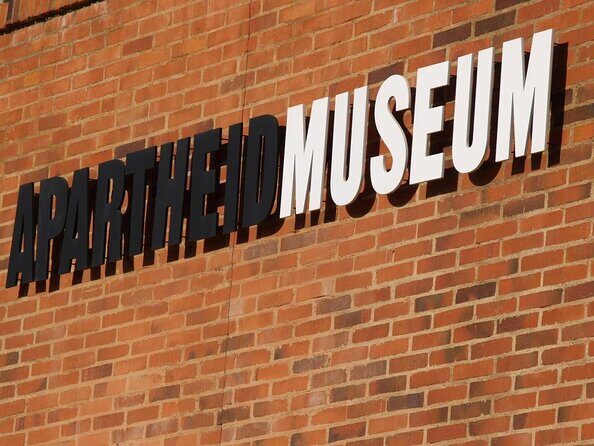
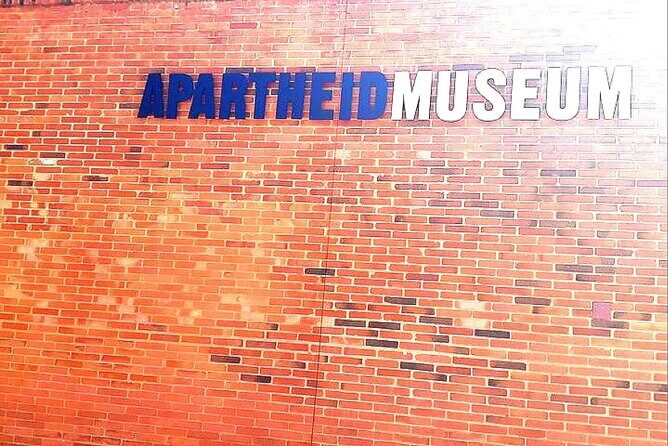
The Apartheid Museum visit is the anchor of the day. Even before you start naming places, it helps you understand the system that shaped everyday life, and why the landmarks you see in Soweto matter so much.
What I like about pairing the museum with a Soweto route is the way it turns “facts” into context. You’re not just hearing about apartheid in the abstract. You’re seeing the geography and community spaces that gave people their real-life experiences.
The museum admission is included, and the tour is structured so the day doesn’t drag. That’s a big deal when you only have about five hours total and you want the trip to feel complete.
You can also read our reviews of more guided tours in Pretoria



Morning Soweto drive: seeing how the township was divided
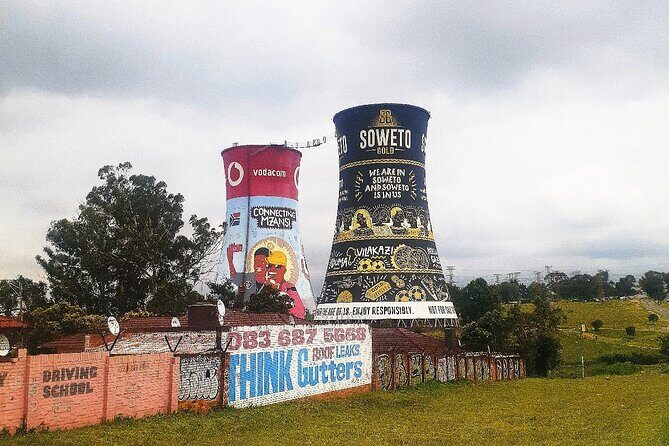
The morning is built around a guided drive through Soweto’s different sections, specifically upper-class, middle-class, and lower-class areas. That might sound like a simple route on paper, but it’s actually one of the most important parts of the tour.
In real life, those contrasts help you understand how segregation wasn’t only about where people lived. It also affected the daily rhythm of access, opportunity, and safety. Your guide’s job here is to connect the physical spaces to the political reality behind them.
The itinerary also includes time at major reference points within Soweto, including hostels of Soweto. That detail matters because it signals the tour isn’t treating Soweto like a single viewpoint. It’s acknowledging how housing and community infrastructure played a role in lived history.
The stops you’ll remember: Mandela House, Tutu House, Hector Peterson
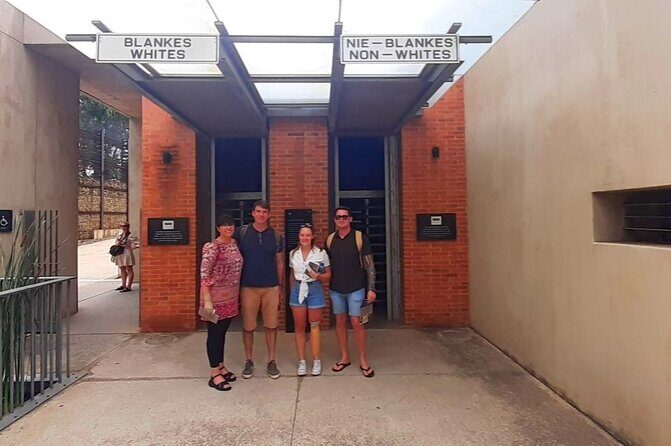
This tour is strong because it includes multiple “anchor” sites, not just one. You’ll have time to see the Nelson Mandela House and Tutus House, plus the Hector Peterson memorial sites.
The Hector Peterson memorial stop is often the moment when first-time visitors understand that these places aren’t museum objects. They are markers of human stories, and the route is designed to make that point clearly.
Nelson Mandela House and Tutus House add another layer. They help you follow the shift from oppression toward leadership and organizing, and they give your guide a chance to connect names you’ve heard with the physical places tied to them.
You’ll also pass by other key memorial locations, including Winnie Mandela house. That keeps the story tied to specific people rather than staying at a high, general level.
Chris Hani and the hospital stop: why it’s included
One of the listed stops is Chris Hani Baraqwaneth Hospital. I appreciate this inclusion because it moves the tour beyond speeches and protest-era sites.
Hospitals (or any essential services) are part of how a community survives under pressure. Even without extra facts added on the spot, the stop helps you notice that the struggle wasn’t only about public events. It was also about how people cared for each other and kept functioning.
Your guide’s framing is what turns this into more than a quick photo stop. If you like asking questions, this is the kind of location where a good guide can explain why it belongs in the route.
Kliptown, Freedom Square, and Regina Mundi church
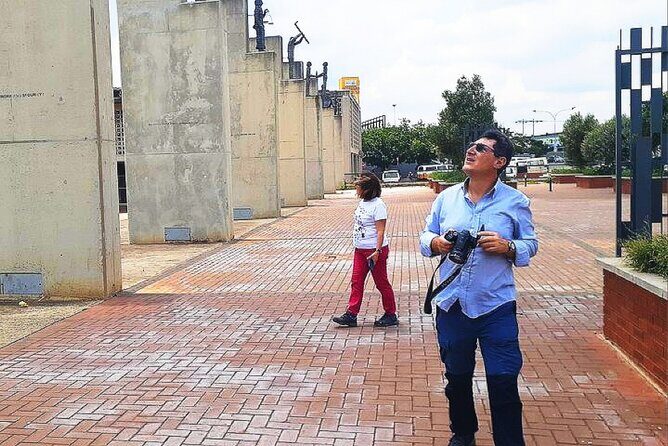
Later in the day—or as part of the Soweto section depending on the pacing—your route includes Kliptown informal settlements, Freedom Square (Freedom Charter), and Regina Mundi church.
These stops give the tour a strong “community organizing” feel. Kliptown informal settlements are included because they reflect the everyday reality of where people lived, built community, and navigated life under constraints.
Freedom Square connects that reality to political ideas, and Regina Mundi church adds a very grounded layer to the story. Places of worship often play roles that are practical as well as spiritual, especially in communities facing long-term inequality.
If you prefer tours that don’t just list landmarks but also help you connect them, this set of stops is a major reason the experience earns top marks.
You can also read our reviews of more museum experiences in Pretoria



The driving route matters more than you think
You’ll drive through multiple parts of Soweto rather than only staying in one zone. That matters for two reasons.
First, it makes the tour feel like a real day in the area, not a sequence of disconnected points. Second, the contrast between sections is part of the lesson. You can’t fully grasp that contrast when you’re only walking in one neighborhood.
Since you’re traveling by vehicle with air-conditioning, you can keep your energy for the actual stops and museum time. It’s also helpful in a place where route changes and traffic can affect walking time.
Guide quality: the big difference between a tour and a tour
This experience lives or dies by the guide. And the guide names tied to this tour’s success show a pattern: people like Lindela, Pastor, KG, William, Norman, and Pasta are repeatedly associated with professionalism and an ability to handle questions.
What that means for you is simple. You’re not stuck with a scripted monologue. You can ask what you want to understand, and your guide can adjust the explanation to match your interests.
It also helps that the guides are THETA-registered. That doesn’t automatically make a guide good, but it does signal that the tour is being run by professionals working within South Africa’s regulated tourism framework.
Price and value: what you’re really paying for
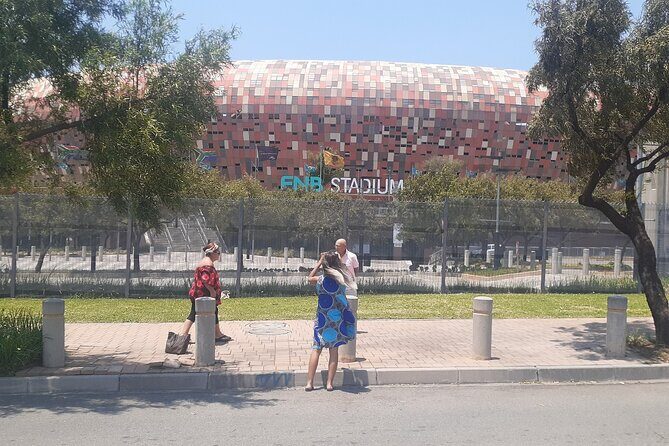
The price is listed at $77.92 per person for about five hours. In that total, you get bottled water, an air-conditioned vehicle, and all fees and taxes. Admission to the Apartheid Museum is included too.
The value angle here isn’t only the museum ticket. It’s the fact that transportation plus a guided route through multiple significant locations is bundled together. If you tried to piece it all together yourself, you’d likely spend time coordinating transport and entry.
Two things to watch: lunch isn’t included, and alcoholic beverages aren’t included. If you’re the type who likes to eat mid-day, you’ll want to plan around that so you don’t lose the best parts of your time.
Also, this tour tends to be booked about 66 days in advance on average. That’s usually a sign it fills up, so it’s smart to lock it in rather than hoping.
Comfort, pace, and what to do with your expectations
The itinerary is packed with stops, but it’s managed in a way that keeps the day from feeling chaotic. You’re in a vehicle between key points, then you’re out for landmark moments where the guide can explain what you’re seeing.
Expect a guided format, not a long free-roam experience. That’s what most first-time visitors want here: a clear route with context and time saved on figuring things out.
Emotionally, this area is not light. The tour focuses on apartheid-era sites and memorial places, so it can feel heavy in a grounded way. If you’re sensitive to intense historical topics, you’ll still likely find the guidance helpful because it frames what you’re seeing with care.
Who this tour suits best
This is a great fit if you’re visiting South Africa for the first time and you want a fast, structured introduction to Soweto and the Apartheid Museum. It’s also ideal if you like seeing multiple landmark types in one go: homes, memorials, community areas, and the museum all in the same route.
If you’re traveling as a couple, a small group, or with friends, the setup works well. It’s private for your group, so your questions and pace are less likely to feel squeezed into a larger schedule. Group discounts are available too, which can make the per-person cost even easier to justify.
Should you book this Soweto & Apartheid Museum guided tour?
Yes, if you want a guided route that connects major Soweto landmarks with the Apartheid Museum, without turning your day into admin and logistics. The included museum entry, air-conditioned transport, and bottled water add up, and the route includes the specific sites that most first-time visitors come to see: Mandela House, Tutus House, and Hector Peterson memorial sites, plus Kliptown and Freedom Square.
Book it sooner rather than later since it’s commonly reserved around two months ahead. And do yourself a favor by planning food in advance, since lunch isn’t included. If you want a guided day that feels both respectful and organized, this is a strong choice.
FAQ
How long is the Soweto & Apartheid Museum guided tour?
The tour runs for about 5 hours.
How much does the tour cost?
It is listed at $77.92 per person.
Is pickup offered?
Yes, pickup is offered.
Is this tour private?
Yes. It’s a private tour/activity, so only your group participates.
Is the Apartheid Museum admission included?
Yes. Admission ticket access for the Apartheid Museum is included.
What’s included in the price?
Bottled water, an air-conditioned vehicle, and all fees and taxes are included.
What isn’t included?
Lunch and alcoholic beverages are not included.
Are the guides registered with any authority?
Yes. The guides are registered with the accredited THETA (Tourism, Hospitality, Sports, Education, and Training Authority).
Is free cancellation available?
Yes. You can cancel up to 24 hours in advance for a full refund. If you cancel less than 24 hours before the experience starts, the amount paid is not refunded.